
Radishes Under Glass: An Irish Growing Guide
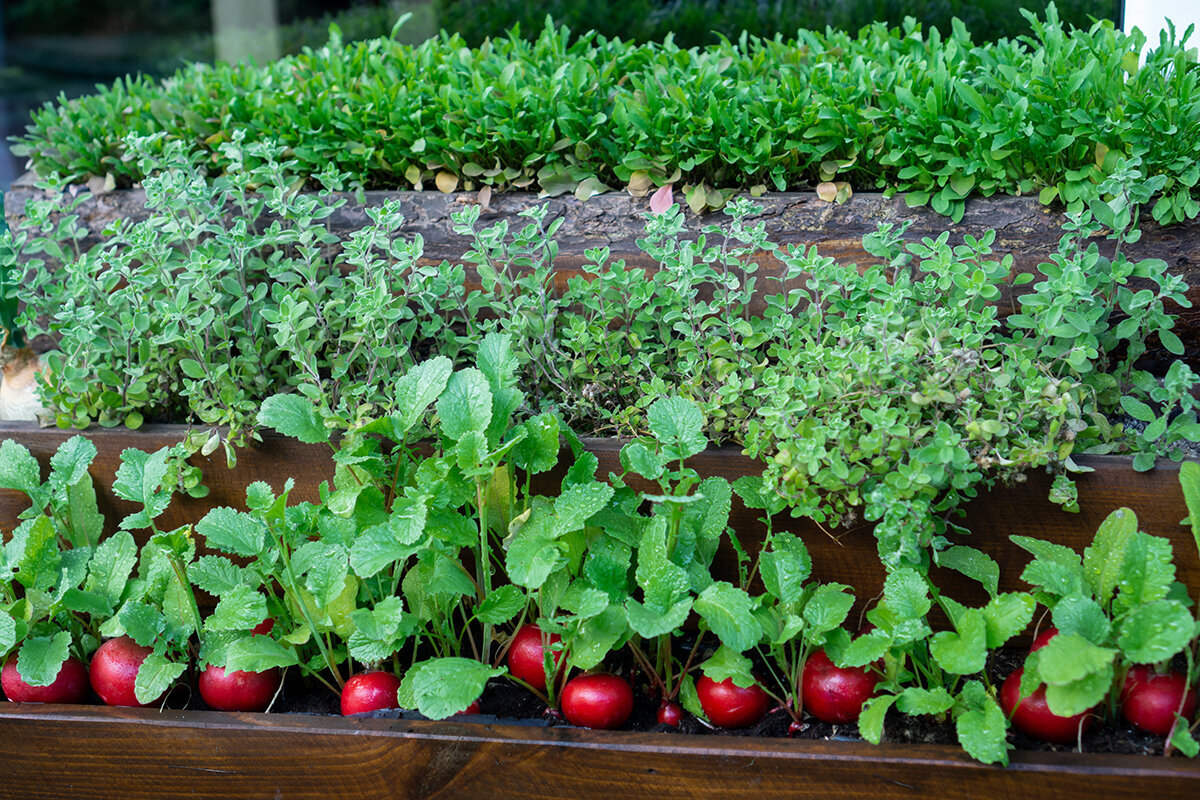
Irish greenhouse crop note 07
Raising Radishes Under Glass
Radishes move swiftly from seed to harvest, so their best texture does not last indefinitely. Prepare loose earth, leave ample room around each root, maintain steady moisture and examine the first exposed shoulders before they become oversized.
Along the soil line — seed / space / examine / lift
01 / USING THE PAUSE
A small root crop can fill a useful interval.
Fit radishes into gaps in the greenhouse plan: ahead of tomatoes or cucumbers, after lettuce is cleared, or in an autumn row beside lamb’s lettuce. Their speed keeps prepared, reachable soil productive.
02 / WHERE QUALITY SLIPS
Abundant leaves do not guarantee a sound root.
Fresh, glossy tops may sit above a disappointing crop. Each radish needs open space in which to broaden, finely worked earth that supports a regular shape and dependable access to water. Shelter offers useful control, yet built-up warmth can end the picking window abruptly.
03 / WHAT TO CHECK EACH DAY
Let conditions in the house guide you alongside the packet.
Watch sun and temperature at bed level, feel the soil before watering, and pull an early sample. In warm conditions, ventilation and light shading matter more than extra fertiliser.
Root forms and growing times
Choose a root shape that fits the time available.
Traditional salad radishes suit quick greenhouse cropping. Daikon and winter types are useful too, but need deeper soil, wider spacing, longer to mature and their own place in the seasonal plan.
Short cycle / compact rootRound salad varieties
Round cultivars are reliable when the greenhouse calendar offers only a short gap. Red, pink, white or mixed-colour forms often reach harvest size within weeks in good conditions. Their shallow roots suit lightly loosened beds, wide containers and spare edges before the next main crop.
Short cycle / extra depthElongated varieties
Longer roots add a graceful shape to a plate, but they require a deeper run without stones than round cultivars. Rake and loosen the drill carefully, clear away old root fragments and break up compressed growing medium. Their narrow upper profile does not justify tighter planting.
Delicate texturePetite speciality cultivars
Mild cultivars that remain compact are well suited to frequent, modest sowings. Their neat size can look particularly attractive when served, but it also makes prompt lifting important. Leaving them for several additional warm days may turn tender flesh pithy and noticeably more pungent, even when the leaves appear healthy.
Extended cropWinter radishes and daikon
Plan daikon and winter types as autumn or winter crops, not quick gap-fillers. They require finely prepared soil loosened well below the surface, or a deep container filled evenly. Allow the longer variety-specific ripening period and wider spacing; they are not interchangeable with fast salad radishes.
Round salad radishes make an instructive first crop, quickly showing how spacing, soil texture, water and temperature work together below the surface. A Classic Aluminium Greenhouse provides bright, accessible growing space for carefully arranged short rows among larger crops.
Setting out the seedbed
Mark an orderly row before swelling roots begin competing for room.
Direct sowing is the safest method. Radishes germinate quickly, need no valuable propagation space and gain nothing from transplanting. Level a loose, free-draining bed, then remove stones, hard clods, unrotted residues and fresh manure before opening the drill.
1–1.5 cmbelow the surface2–3 cminitial seed interval4–6 cmfinal interval after thinning10–15 cmrow intervalFrom day 20start examining roots
A measured sowing and thinning routine
Place seed 1 to 1.5 cm deep, cover loosely and firm the surface gently so moisture reaches each seed. For many small salad radishes, an initial 2 to 3 cm interval works well. Thin round forms early to about 4 to 6 cm once they emerge. Larger varieties need space matching their mature size; always check the directions on that seed packet.
Thin while gaps remain between the leaves. If pulling surplus seedlings would disturb neighbours, snip them just above soil level. What matters is creating clear underground room before roots begin to swell.
Practical bed layout and restrained nutrition
Rows about 10 to 15 cm apart leave room to thin, inspect and harvest without wasting bed space. In wide containers, use a loose grid instead of crowded bands. Let air move through the foliage and keep an unobstructed pocket for every root to form true to type.
Small amounts of mature compost improve structure and moisture retention. Fresh manure or nitrogen-rich feeds can produce lush leaves instead of firm roots. Loosen the surface layer thoroughly for small round radishes; longer forms need greater depth, with stones and coarse debris carefully removed.
Thoughtful greenhouse organisation makes measured sowing worthwhile: tools, water and bed margins stay convenient, while a rapid crop soon shows whether the arrangement works. If the garden room is still being designed, Bloomcabin aluminium greenhouses offer ideas for durable growing zones and uncluttered paths. Leave room to reach every row without brushing foliage or compacting soil.
Planning successive sowings
Divide the crop instead of making one large sowing.
For a steady supply, sow small batches repeatedly. Seed one short row or a section of a container, returning after seven to fourteen days for the next. This turns a narrow harvest window into a regular sequence of fresh roots.
Staggering also spreads risk. One batch may meet sudden heat, a missed watering or unusually dull weather, while the following one may enjoy cool, evenly moist conditions. In a small greenhouse, the schedule also prevents every radish needing harvest and kitchen use on one afternoon.
Day 0Seed one modest area.
Write down the cultivar and date, as their rates of development differ.
Write down the cultivar and date, as their rates of development differ.
Day 7–14Add another modest sowing.
Look for consistent emergence in the earlier section and carefully break any crust on the surface.
Look for consistent emergence in the earlier section and carefully break any crust on the surface.
Day 10–14Remove surplus seedlings firmly.
Establish the plants you are keeping at their permanent interval while they remain young.
Establish the plants you are keeping at their permanent interval while they remain young.
From day 20Test a few roots and pick selectively.
Pull samples, harvest roots at the right size, and give younger neighbours a few more days.
Pull samples, harvest roots at the right size, and give younger neighbours a few more days.
After clearingReset the growing area without delay.
Use it for another quick cool-weather crop, or prepare it for tomatoes, cucumbers and later main crops.
Use it for another quick cool-weather crop, or prepare it for tomatoes, cucumbers and later main crops.
Managing the greenhouse climate
Use the structure to soften harsh weather, not to trap damaging warmth.
Firm roots favour cooler growth
Radishes prefer the cool seasons. Moderate temperatures keep growth moving, while quality is usually best before conditions become warm. In Ireland, late winter and spring can work well, with another opportunity after summer; Atlantic exposure, inland frost and local light affect exact timing. An unheated greenhouse offers shelter from wind, heavy rain and cold nights.
10–18 °Chelpful quality band for numerous salad cultivars
Move air before the plants show heat stress.
Glazing can trap heat quickly on bright days even when outdoor air feels cool. Open vents and doors before the bed warms. In mild spring weather or summer, use light shade and the coolest available edge. Avoid reflected heat and corners where air barely moves.
Radishes still need a bright place rather than the dense canopy beneath mature tomatoes. Yet temperature often separates a firm, mild root from a loose, hot one. Check sunshine, soil warmth and air movement at bed height as well as a higher thermometer. The Classic Aluminium Greenhouse has adjustable ventilation suited to these quick, cool-weather crops.
Managing moisture and earth
The aim is a root that expands without interruption.
The active roots remain close to the surface, leaving radishes poorly equipped to bridge repeated wet-and-dry changes there. Moisten the full rooting layer without keeping it saturated. A planter may warrant inspection each sunny day, whereas a structured bed at ground level can hold water for longer when conditions are cool.
Consistency matters more than a timetable. Dry soil checks growth and can sharpen flavour; drenching it afterwards may trigger sudden swelling and splits. Waterlogging, meanwhile, drives air from the root zone. Use a fine rose or apply water gently at soil level for better control and drier leaves.
Use loose soil that drains surplus water yet holds useful moisture. A little mature compost can help. Fresh manure and nitrogen-heavy fertiliser may favour foliage, forked roots or small bulbs. When earlier roots were crooked, correct the bed first: take out stones and loosen any firm layer.
Reading defects in a radish
When quality disappoints, identify the pattern before altering the routine.
Most failures leave understandable evidence. Root shape, firmness and flavour preserve a short history of the planting: the amount of room in the row, accumulated heat, changes in water supply and whether the earth offered a clear route for thickening.
Strong tops but little root
Crowding, heat and excessive nitrogen are common causes. Next time, thin earlier, improve ventilation and avoid freshly enriched ground. Dry stress may also interrupt development. Strong foliage above ground does not prove that roots are swelling well.
Skin that cracks or splits
An erratic water supply is generally responsible. Expansion pauses when the earth dries, then a generous drink drives growth faster than the skin can accommodate. Maintain stable dampness without leaving the bed saturated, and gather individual mature roots rather than holding every plant for a single harvest.
Spongy, pithy or excessively pungent flesh
Heat, dryness and over-maturity usually cause this. Vent sooner, schedule another sowing for cooler weather and test roots before the foliage looks fully grown. A rounded shoulder visible at soil level means inspect now, not wait.
Bent, branched or forked roots
Stones, compressed earth, coarse plant matter that has not broken down or inadequate depth may divert the root. Work the following seedbed more completely and select a finer mix for planters. Repair the structure before sowing again; another feed cannot straighten a radish that is already malformed.
Finding the best picking point
Lift after the root has filled out but before its texture begins to decline.
- Week 1 Maintain gentle, dependable dampness along the drill until emergence is uniform, without flooding it or sealing the surface.
- Week 2 Reduce seedlings to the final interval advised for the cultivar. This supports sound root development rather than merely creating a tidy row.
- Week 3 Begin sampling. Rounded shoulders at soil level invite a check below.
- Weeks 3–5 Lift ready roots in stages. A small, crisp radish beats a large one kept beyond its quality window.
Choose a cool morning for picking where possible. If the earth is firm, ease the root loose instead of tugging sharply. Remove or trim the tops soon afterwards because they continue drawing water. Refrigeration with protection from drying helps preserve the crop, although its liveliest bite remains closest to the day it was lifted.
Young, unblemished leaves can also be used: chop them for soup, stir some into pesto, or include a small amount in salad. Serve the roots with butter and good bread, quark, herbs, tender leaves or a quick marinade. Compost foliage that is bitter, yellow or badly damaged.
Clean practice for covered crops
Clear problems early so the planting that follows begins well.
As brassicas, radishes share problems with rocket, kohlrabi, pak choi and cabbages. Flea beetle damage appears as tiny holes in young leaves, while damp, shaded corners attract slugs. Root fly larvae and soil-borne issues are more likely when related crops return repeatedly to the same confined ground.
Start with sound hygiene: clear spent roots and plant debris, keep paths and bed edges clean, and avoid foliage staying wet. Do not keep sowing brassicas in the same spot indefinitely. After several batches, switch to lettuce, spinach or a seasonally suitable unrelated crop. In smaller houses, alternating containers and beds can provide rotation.
Inspect young rows briefly each day because rapid growth leaves little time to correct delays. Take out obviously sick or badly infested plants, dispose of affected material carefully, and clean the surface before resowing.
Questions from greenhouse growers
Straightforward guidance for common radish concerns.
Is it realistic to grow radishes under glass throughout the year in Ireland?
You can sow more than once, but results vary through the year. In Ireland, late winter and spring often suit radishes, with another useful period after summer heat; exposure and light shift the timing locally. Under glass, midsummer heat increases bolting, sharpness and poor root formation unless ventilation, light shading and even watering are carefully controlled. In winter, weak light and cold, wet soil may slow growth markedly.
How much direct light do greenhouse radishes require?
Bright conditions help, particularly in cool months, but maximum direct sun is not always beneficial. When spring sunshine overheats the greenhouse, ventilate early and add light shade if required. Radishes beneath mature tomatoes can suffer from the canopy’s shadow as well as competition between roots.
What causes leafy plants with poorly developed radishes?
Begin by assessing the intervals between plants, accumulated warmth, earth structure and water supply. Crowded seedlings compete above and below ground, while dry spells, heat and nitrogen-rich fertility may favour leaves. Establish small varieties promptly at about 4 to 6 cm and examine one root early instead of trusting an impressive canopy.
What depth of planter works for radishes?
A reasonably deep vessel is suitable for compact round salad radishes when drainage remains open and the growing medium stays loose. Elongated cultivars demand considerably more room beneath them; daikon and winter types belong in a tall planter or deeply cultivated bed. Let the expected mature dimensions of the chosen cultivar guide the final decision.
Is there any advantage to starting radishes in trays?
Usually not. Direct sowing protects the young root from disturbance, and growth is so quick that trays offer little advantage. Save bench space for crops that benefit from transplanting; place radish seed straight into the prepared bed or container.
References and additional reading
Background material for planning and troubleshooting the crop.
Continue with Bloomcabin: “Greenhouse planning: crops, layout and care” · Plan a lasting greenhouse · Bloomcabin gardening journal
- Bundessortenamt — vegetable variety trial standard German criteria for assessing radish traits, quality and varietal performance.
- Humboldt University Berlin — winter-vegetable calendar A German reference for scheduling radishes through autumn and winter.
- RHS — growing radishes Sowing, spacing, watering, harvesting and troubleshooting advice.
- University of Minnesota Extension — guidance on radish cultivation Extension information about earth preparation, irrigation, picking decisions, pests and disorders affecting radishes.
- Oregon State University Extension — radish guidance Guidance on succession sowing, care, harvest and cool storage.
- Penn State Extension — managing flea beetles Monitoring, hygiene, rotation and crop-protection guidance for brassica flea beetles.
Make each gap productive
Put quieter intervals between main crops to crisp use.
A free bed strip, suitable container or cool greenhouse margin can provide repeated radish harvests. Their speed makes precise care satisfying, especially where light is plentiful and ventilation keeps the air moving.
A greenhouse option from Bloomcabin
Plan a bright, easily ventilated garden room for early sowing, heat-loving main crops and productive gaps. For a reliable foundation, consider the Classic Aluminium Greenhouse.
