To improve the quality of the content of this website and to adapt it to the needs of users, cookies are used - including third-party cookies. By continuing to use this website, you agree to the use of cookies and to possible communication when you enter your contact information in one of the forms on the site.

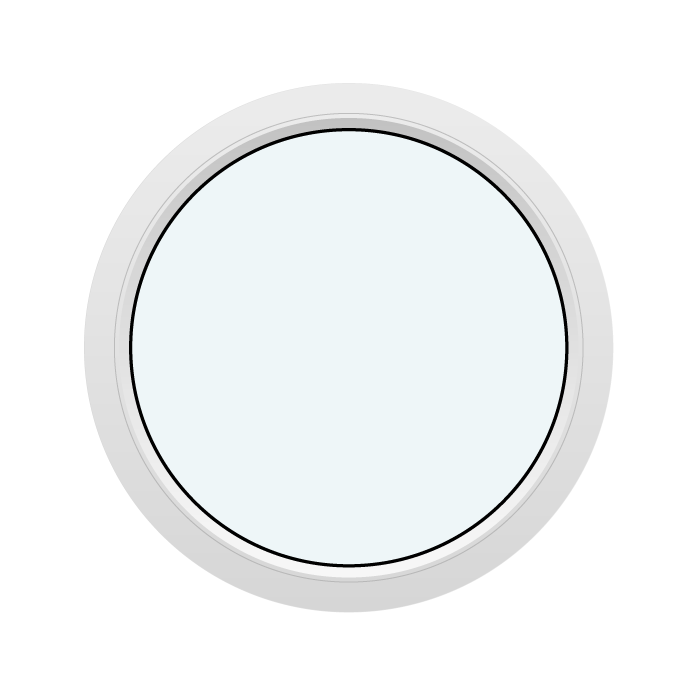
Fixed-Glazed Round Window

Without Decorative Bars

Fixed-Glazed Round Window
  • Circular
  • Fixed-glazed
  • Colour choice
  • High thermal insulation
  • Circular
  • Fixed-glazed
  • Colour choice
  • High thermal insulation
The greater the purchase, the bigger discounts you get.
Estimated delivery:
We offer the opportunity to CHOOSE A SUITABLE DELIVERY WEEK, which you will find in the last step of the shopping cart.
The greater the purchase, the bigger discounts you get.
Personal Bloomcabin consultation
Personal consultation?
We are happy to help with questions about models, prices and delivery.
+49 152 28196712

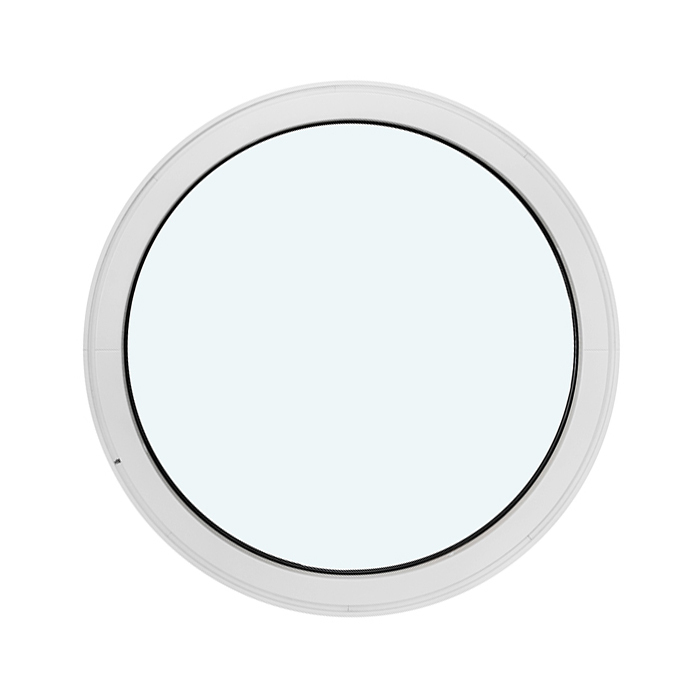
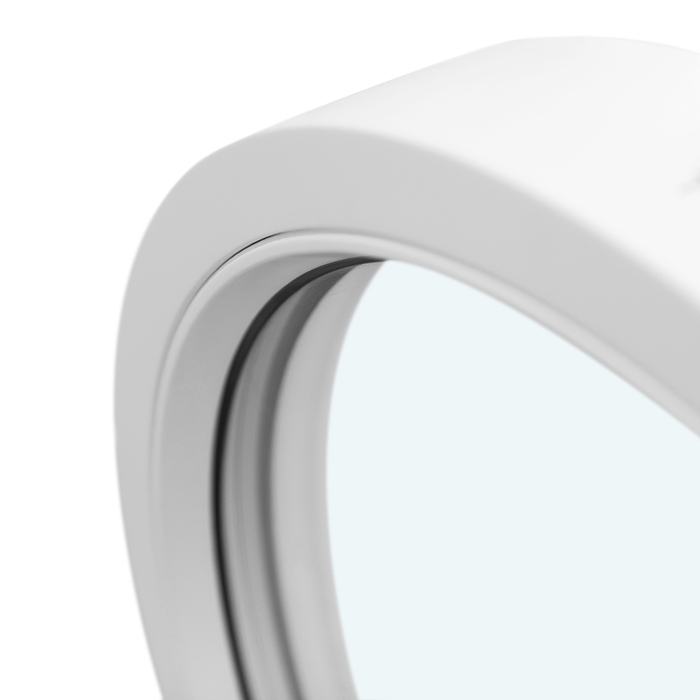
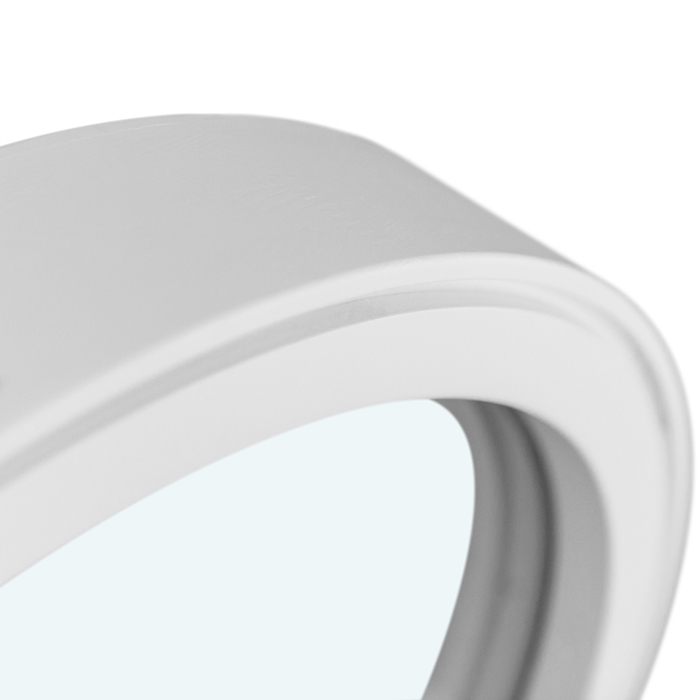
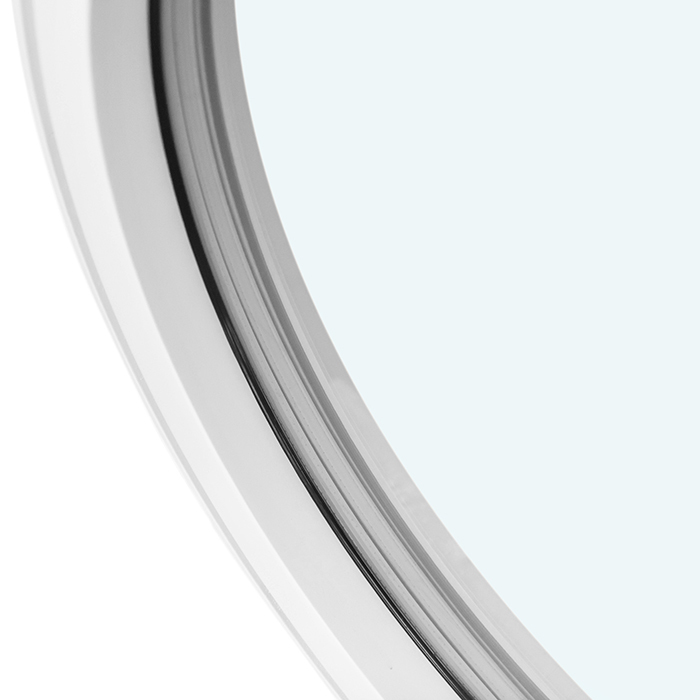
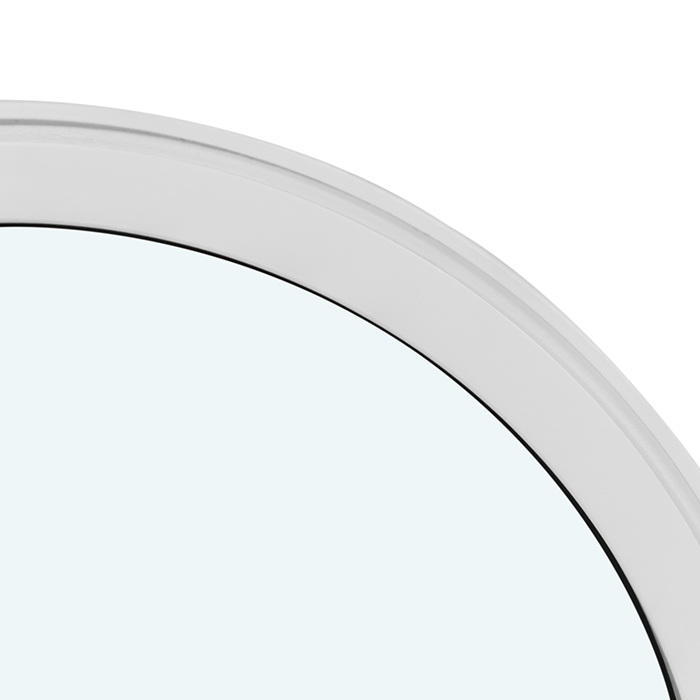
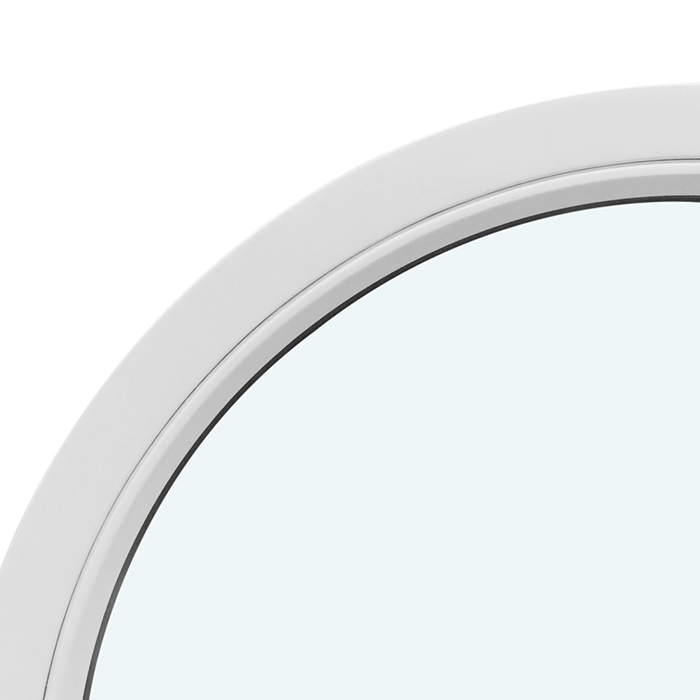
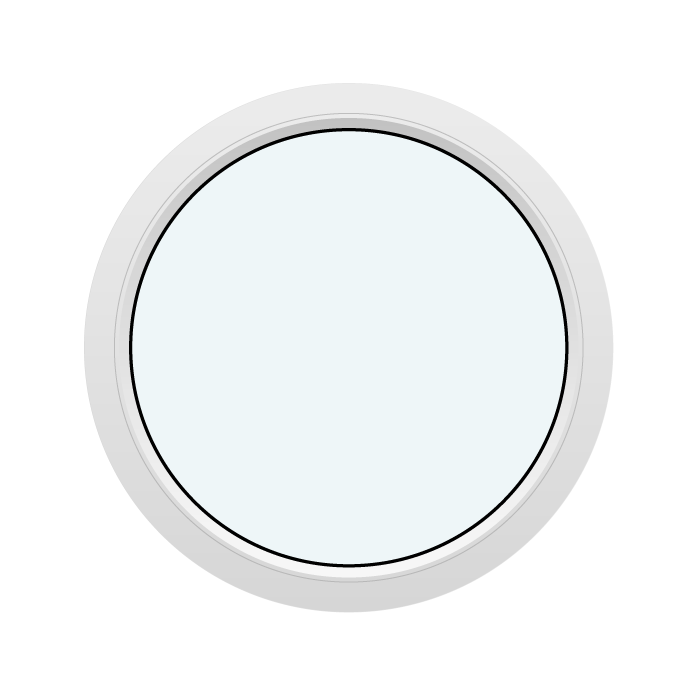
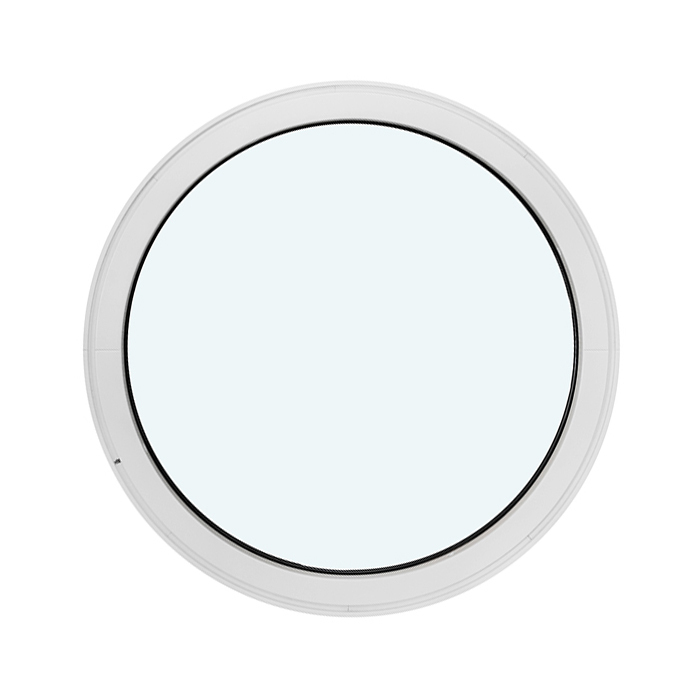
Bloomcabin Without Decorative Bars. This round fixed-glazed window presents one clean circle of glass. With no opening action or applied bars, its pure geometry becomes the defining feature, suited to carefully composed interiors and individual façade schemes.

What sets this Bloomcabin design apart?

  1. An uninterrupted circular view

    Leaving the pane free of bars allows its circular outline to lead the design. It appears serene yet individual, giving the architecture a clearly defined accent.

  2. Circular fixed glazing

    This fixed glazing remains permanently closed. It is intended for places that benefit from a distinctive daylight opening but do not need ventilation through the window.

  3. Energy-aware fixed glazing

    Energy-efficient building plans can incorporate this fixed design, which helps foster an agreeable room climate and a comfortable interior.

This circular fixed glazing can introduce a focused daylight feature to an exterior wall or an interior. Its restrained shape works with purist ideas and with schemes built around curves or unconventional apertures. The round profile remains bold in its own right: one continuous pane admits light, its perimeter creates a clear focal point, and awkward wall areas gain precise definition. Specify the configuration to suit the project.

Customer reviews 5-star rating

  1. “Neat workmanship and noticeably better insulation in winter.” – Saoirse Murphy
  2. “Installation went smoothly; the quality impresses us every day.” – Conor Kelly
  3. “The windows feel high-quality and close pleasantly quietly.” – Aoife Byrne

Available payment choices Choose an available secure method during the ordering process.

Set your specification Tailor the fixed round window, without bars, to your plans. If assistance is needed, get in touch with Bloomcabin.

More information
SPECIFICATION

Type: Round fixed-glazed window, non-opening;

Warranty: 5 years;

CE: Yes;

Material: Pine or oak;

Glazing: 2- or 3-pane insulated glass with heat-reflective coating, warm-edge spacer (CHR) and argon fill;

Glazing seals: Black silicone;

Installation holes: 14 mm;

Frame: 105 × 57 mm;

Energy efficiency class
with 3 layer glass
with 2 layer glass

Circular timber windows

Fixed-glazed circular window

Circular form for permanently fixed glazing

Circular fixed-glazed window

Built as a sealed round unit, this window combines insulating glass with a frame of oak or pine. Choose its project dimensions, finish and one of the stated glazing-bar patterns. It suits a purpose-made circular aperture where daylight and shape matter, but an opening sash is neither needed nor intended.

Function

Permanently glazed; does not open

Timber species

Pine or oak

Glazing

Heat-reflective insulating glass

Product marking

CE marked

Used in a purpose-planned opening, a round window introduces a crisp geometric feature to a wall or façade. Here the pane is fixed, so the emphasis falls on the circular profile, wooden frame, glass and bar pattern. Specify oak or pine, choose a finish and provide the bespoke dimensions required for your scheme when making an enquiry.

Its insulating unit contains argon, a heat-reflecting layer and a spacer formed with a warm edge. The specified glazing-bar arrangements offer restrained, graphic or more strongly divided appearances. As this design has no working sash, confirm that the room’s wider ventilation strategy covers the location. The following sections explain practical use, identify the stated components and set out the information worth assembling before you enquire.

01

How fixed glazing works day to day

Designed as a sealed element, the round window has no operating sash and cannot provide ventilation. There is no handle to use, opening direction to allow for or sash to secure during ordinary use. Its glass stays fixed while the circle provides a calm, permanent feature. This works well where natural light is desired but regular opening is unnecessary at that particular point in the room.

For planning, consider how the fixed glazing fits into the wider ventilation and window arrangement. If the room is to be ventilated through windows, another suitable opening element must be included. Also coordinate the glazing-bar pattern with the intended view and nearby design lines. This choice divides the glass area, so assess it together with shape, size and installation position.

Day-to-day care concerns the accessible faces of the pane, frame and bars. How readily they can be cleaned or maintained is governed by the chosen installation position. For a high or difficult-to-reach opening, plan early for future access to the inner and outer surfaces. This is a practical consequence of where the unit is installed, rather than an inherent feature or limitation of the window.

The fixed construction supports a clear visual composition, bringing the circular form, glazing and glazing bars to the fore. Anyone using a circular opening as a deliberate architectural accent gains an element with straightforward daily use. The key point is that its permanently closed function suits the room’s requirements and the overall window plan. The unusual shape then becomes an intentional solution rather than a later compromise.

02

Construction, components and dimensions

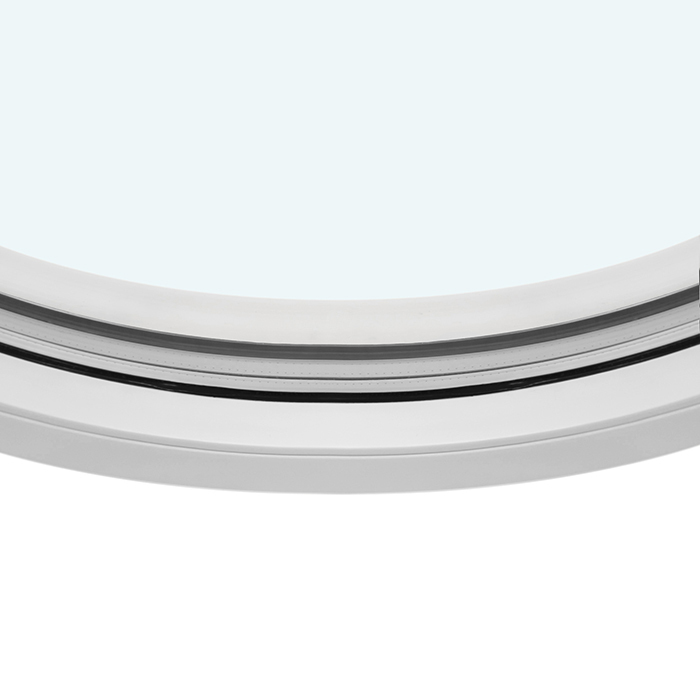
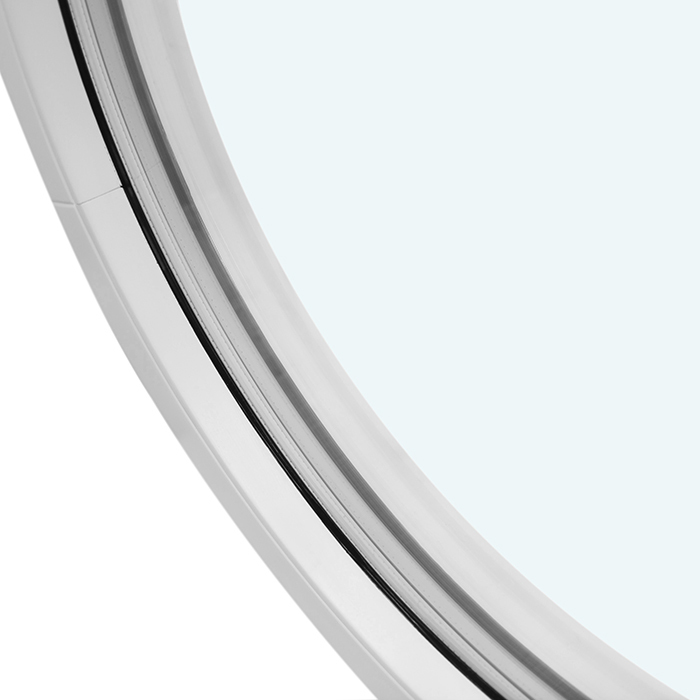
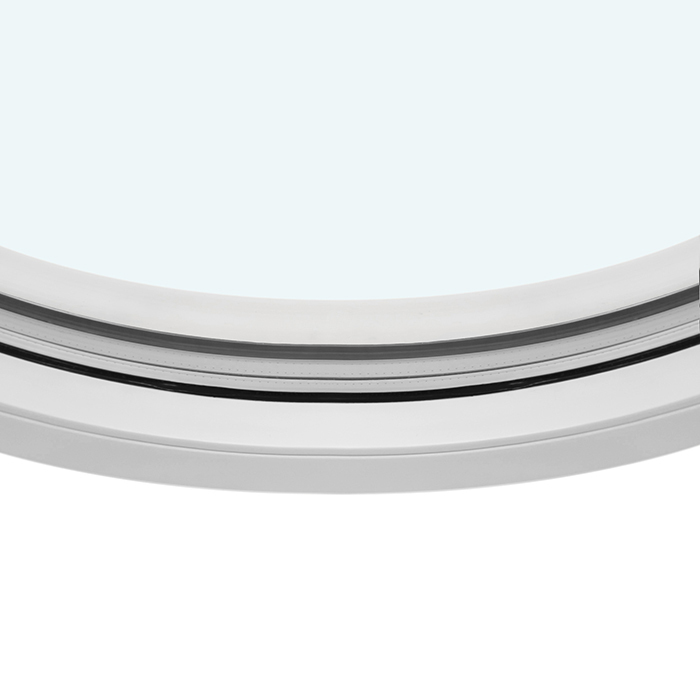
The fixed insulating pane sits in a circular oak or pine outer frame, with black silicone seals beside the glass. The outer-frame profile is specified as 105 × 57 mm; those dimensions refer only to that component, not the complete unit. Establish the bespoke overall size separately for the prepared opening and project.

The mounting holes specified for the unit are 14 mm in diameter. Record this separately from the overall window size and the dimensions of the opening. Fixings and junctions must be chosen for the actual wall construction and site conditions. To avoid ambiguity in a bespoke request, label the window size, aperture size, outer-frame section and mounting-hole diameter individually.

Specify a double- or triple-glazed insulating unit. Each has a heat-reflective coating, argon filling and the stated CHR warm-edge spacer. Black silicone seals the glass-to-timber junction. Name the required glazing build-up clearly when enquiring about the bespoke window.

The round window is CE marked and covered by a 5-year guarantee. In the enquiry, list the required overall size, oak or pine, the selected double- or triple-glazed insulating unit, the full glazing-bar option name and colour. Assign the 105 × 57 mm outer-frame profile and 14 mm mounting holes to their respective components. This organised summary helps confirm the intended specification.

Fixed round window with glazing-bar design

03

Insulating glazing in the overall design

Because the pane fills a large share of a round window's visible area, it strongly shapes the result. Depending on the bar pattern, the circle can appear calm, graphically structured or decorative. Evaluate the pane alongside the timber species, colour, glazing bars and neighbouring forms rather than in isolation. That broader view helps align the window with its intended architectural scheme.

The heat-reflective layer forms part of the glass build-up and is not the decorative surface colour selected for the frame. Argon filling and the warm-edge spacer likewise belong to the insulating-glass specification. Distinguish these technical items from the timber, frame colour and glazing-bar design. State the glass construction and visible design selections separately and clearly in the enquiry.

Black silicone provides the seal where timber meets glass. Include its visible colour when judging the selected wood, frame finish and arrangement of glazing bars. Even so, the specified finish and exact bar layout will have the greater influence on the overall appearance. Reviewing these functional and visible elements together gives a more coherent picture of the proposed composition.

When selecting glazing, view it together with the intended glazing-bar design. An uninterrupted circular pane emphasises the pure form and has a different visual calm from a geometric division. Straight bars introduce horizontal or vertical lines into the circle, while circular bars create another design accent. The glazing remains permanently fixed with every named design. Glazing bars change the visual composition, not operation or the window’s fundamental function.

04

Named glazing-bar designs at a glance

The available patterns have distinct catalogue names. “Without glazing bars” presents an uninterrupted pane, giving the circular outline particular prominence. “With 1 horizontal glazing bar” places a level line across the circle, while “With 1 vertical glazing bar” uses an upright division. The two treatments organise the view differently and can be aligned with horizontal or vertical features in the surrounding design.

Selecting “With 2 vertical glazing bars” creates a more pronounced upright division. “With 1 horizontal and 1 vertical glazing bar” combines the directions in a cross. The version “With 1 horizontal and 2 vertical glazing bars” retains one level line but gives greater weight to the uprights. Of the straight-lined choices, “With 2 horizontal and 2 vertical glazing bars” produces the strongest grid.

“With circular glazing bars” offers a curved treatment instead of level and upright divisions. Relate this option to nearby shapes, façade details and the appearance when viewed indoors or outdoors. Use its wording in full on the enquiry so the intended circular pattern is unmistakable and cannot be confused with any straight-bar configuration.

Use the complete catalogue name for your preferred glazing-bar pattern in the enquiry. Consider whether the scheme is best served by clear glass, horizontal or vertical emphasis, intersecting lines, a fuller grid or circular divisions. Nearby windows, doors and façade geometry may help settle the choice. Whichever pattern is selected, the round window remains permanently glazed and has no opening function.

05

Assessing the proposed opening carefully

Before ordering a bespoke round window, establish the proposed aperture precisely. A rough dimension or presumed standard format is not enough for a circular opening. Note the actual overall window size required and define what every measurement represents throughout the enquiry and drawings. Clear labelling keeps the aperture dimensions, finished-unit dimensions and measurements of individual components distinct.

Check the opening across several positions to confirm that it is consistently circular and ready for the intended installation. Its surrounding construction is also relevant: linings, internal and external junctions, and adjacent finishes affect which parts remain exposed or accessible. Do not apply standard deductions or additions without assessment, since the installation detail must suit this project's actual build-up.

Allow enough space around the element for the proposed work. Because the window is fixed, this does not refer to sash travel; it means the room needed to position, fasten and connect the unit and to access it later. For a high opening or an unusual wall construction, document the arrangement with labelled sketches or photographs and have the proposed measurements checked professionally.

State which viewpoint is used when assessing the composition. A glazing-bar pattern may interact differently with the façade, the interior or nearby architectural lines. Even though a plain circle initially seems to have no direction, mark inside and outside, together with top and bottom, on every relevant drawing. Those references are essential for horizontal, vertical and combined bar layouts. Careful records of the opening therefore provide a sound basis for an exact made-to-measure enquiry.

Round timber window with insulating glazing

06

Timber, colour and visual composition

This circular window is offered in oak or pine. The selected species shapes the frame's character and how it sits beside other joinery, interior surfaces or the façade. The decision involves more than shade: each timber's grain and material presence may either quieten the round outline or make it more prominent. Select from these two stated options according to the project's visual direction.

You may also specify a colour. Describe the intended shade precisely when submitting an enquiry, because terms such as “light”, “dark” and “natural” are open to interpretation. Judge it against surrounding finishes, neighbouring doors or windows and the selected arrangement of bars. A contrasting finish makes the circle stand out, while a closely related tone integrates it more quietly.

Glazing bars play a major role in the composition. Identify your selection with the exact design name explained earlier, removing doubt about the intended layout. Compare its geometry with adjacent architectural lines and review how it reads from indoors and outdoors. Using only the listed options, the round window can be integrated quietly or treated as a deliberate graphic accent.

Consider timber species, chosen colour, glass and glazing bars together rather than as isolated decisions. Review the combination beside adjacent finishes, other windows or doors, and established lines in the architecture. A simple treatment can emphasise the circle with restraint; a divided design creates a bolder graphic presence. The right balance depends on the particular setting and its overall design intent.

07

Comparing fixed glazing and opening functions

Start the comparison with the outline required by the scheme. This unit is intended for a circular aperture where the glass will stay permanently fixed. Triangular and sloping fixed windows are also non-opening, though their contours serve different designs. Depending on the related model, pine or oak and aluminium-clad variants may be offered. The prepared opening and drawings should therefore determine the first choice of shape.

If the room needs ventilation from this position, review outward-opening products instead. Options include pivoting windows, top-hung casements and side-hung types with one or two sashes. Specifications are model-dependent and may include oak or pine, aluminium-clad versions and a selection of handles. Along with the preferred operating action, allow sufficient clear space outside for the open sash to move safely through its full path.

One-sash and two-sash side-hung windows differ principally in configuration and everyday operation. Traditional-style models provide another design route and are available in oak or pine. When the requirement is an exterior doorway rather than glazing alone, consider the associated patio doors with one leaf. These doors swing outwards and feature ASSA 3-point locking; the available materials and detailing vary with the model selected.

Narrow the options by considering aperture shape, fixed or moving glass, operating direction, sash configuration and whether the unit must function as a window or door. Then review the timber choices, any aluminium cladding, double or triple insulating units, bar layouts, finish and applicable handle for the individual model. This approach compares each construction on its own available specification.

Triangular and sloping non-opening windows, Pivot window opening outwards, Top-hung casement opening outwards, Outward-opening side-hung window, one sash, Traditional one-sash side-hung window opening outwards, Two-sash side-hung window opening outwards, One-leaf patio door that opens outwards, Traditional patio door, one leaf, opening outwards.

08

Preparing your enquiry in clear steps

Begin with the essential question: does this position call for a circular unit that will always remain shut? If so, record the product as “Fixed-glazed circular window” and separately note that no opening action is required. Stating the geometry and fixed operation at the start provides a clear brief and avoids confusion with an operable round window.

Then compile all measurements relevant to the scheme. State the required overall window dimensions, how they were established and the orientation shown in the drawings. Add a plain description of the proposed location. Dimensions quoted for particular product components cannot replace the overall size measured for the opening. A labelled sketch showing reference points and viewing direction will support accurate discussion.

Set out the appearance choices next. Name oak or pine, specify the colour accurately and use the full catalogue wording for the glazing-bar design. Add the required insulating-glass option. Where you have considered several possible combinations, identify the final preference clearly before sending the enquiry, keeping exploratory ideas distinct from the selection you wish to pursue.

Finish with a brief consistency check. Confirm that ventilation is provided elsewhere, the glazing-bar layout has the intended orientation, and the drawings clearly mark inside and outside. Keep questions still to be resolved separate from choices already made. The resulting enquiry will be straightforward to review and will provide a reliable basis for the next specification discussion.

Questions and answers

Round fixed-window FAQs

Does the circular window open?

No. This model uses permanent glazing and has no sash that can be operated. It is appropriate where the circular form and incoming daylight are wanted, while ventilation for the room is provided by another suitable method.

Is bespoke sizing offered for this window?

Yes. The round window can be sized for the scheme. Provide precise details of the intended opening and installation context. Final dimensions need to account for the construction, junctions and proposed fitting arrangement.

Which timber species can I choose?

The specified timbers are oak and pine. Each gives the circular frame a different appearance. Compare them with the adjoining materials, preferred surface treatment and wider design scheme before deciding which better complements the project.

How is the insulating glazing constructed?

The insulating unit incorporates a heat-reflecting layer, an argon-filled cavity and a spacer formed with a warm edge. Include these construction details and the required glazing version when preparing the enquiry.

How long is the round window guarantee?

This round window includes a 5-year guarantee. Keep records of its dimensions and chosen timber, colour, glazing and bar pattern so the exact version ordered remains clear in the product documentation.

Can I choose a glazing-bar design?

The pane may be ordered without glazing bars or in any listed arrangement. The choices cover level and upright straight-bar patterns together with a circular-bar version. Refer to the precise option title when selecting.

Can the round window have a chosen colour?

Yes. A colour can be selected. Since its effect depends on the timber, glazing bars and neighbouring finishes, state the exact shade requested rather than relying only on general terms such as light or dark.

Is the round window CE marked?

Yes. This product carries CE marking.

Define your preferred specification

Once the form, bespoke size, timber, glass, bar design and colour have been chosen, place them together in a well-organised enquiry. Include the intended location and separate any matters still needing agreement. This gives both sides a shared description of the requested version from the outset and lets us address the decisions already recorded.

Close x
10 year warranty
Bloomcabin is proud of its high-quality products and maintains these standards every day through a range of manufacturing and quality control processes. This is backed by a 20-year warranty against wood rot in timber structures and a 10-year warranty against functional defects.
GET A 45% BETTER PRICE WHEN YOU BUY ONLINE
Shopping online is convenient and cost-effective
Ask us!
Get in touch
Email:
This email address is being protected from spambots. You need JavaScript enabled to view it.
Reg. No.:
38944924
Address:
Thriges Plads 6, 5000 Odense C, Denmark
Social media
Follow us on Instagram, Facebook and Twitter to find out about news and offers from Bloomcabin:
X
Have questions and want us to call you back?
+353
−
✖