
Buying a Pergola for a Hotel or Holiday Property
Pergola buying guide
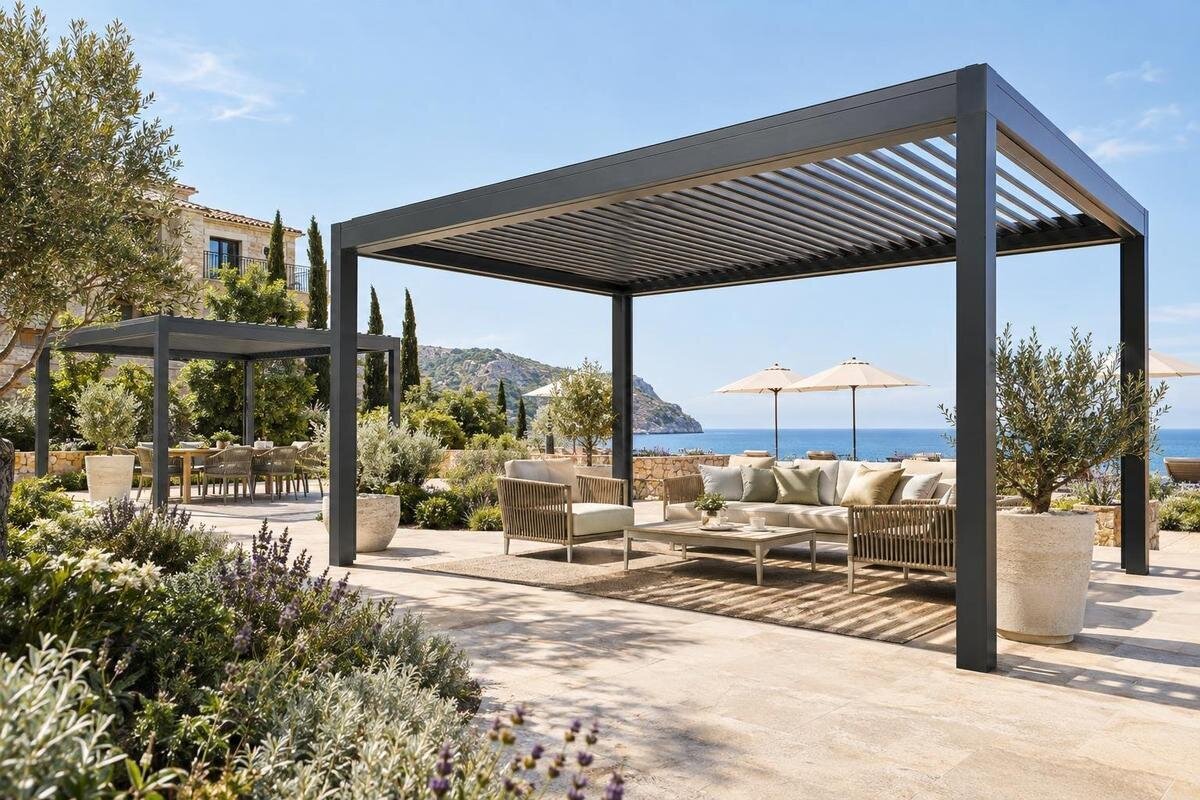
For a hotel or holiday property, buying a pergola is about more than creating a shaded-looking corner. The structure has to suit the way guests use the outdoor area, fit the measured site and work with the property’s routines for cleaning and upkeep. Before comparing styles, decide what the space must do, when it will be used and what level of shade or shelter you expect. Then check documented product details, site requirements and the complete ordering and installation scope rather than relying on a photograph alone.
Define the main guest use
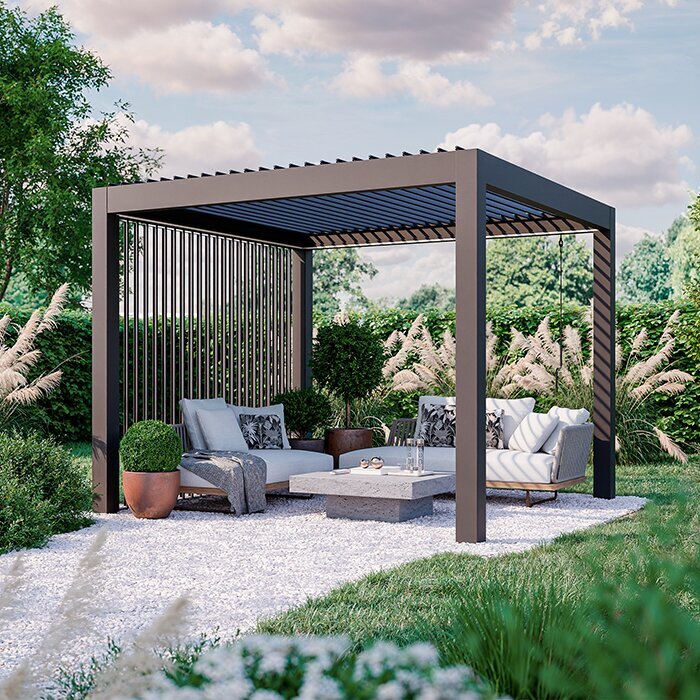
Begin by naming the main reason for adding the structure. A hotel might want a shared place where guests can sit between activities, while a holiday property might need a defined outdoor living area for one booking party. These patterns are not identical: a shared hotel space may see a succession of people throughout the day, whereas a rental may be used by the same guests for longer periods. Decide whether the priority is lounging, informal meals, waiting or a flexible mix. Note how many people may use the space at once and the times when it should be useful.
Separate essential outcomes from nice-to-have features. Guests may value shade at a particular time, an easy route from indoors or an outdoor area that feels connected to the property, but the word pergola does not show what a particular product provides. Do not treat it as a guaranteed all-weather room. Use the Bloomcabin pergola product page as one item to assess against your written brief: look for features that are actually stated and ask the supplier about unanswered points. A clear purpose also gives staff a basis for arranging the area consistently.
Measure the usable area and circulation
Measure the usable site in more than one direction and include details a rough area figure can hide. Record the length and width, changes in level, walls, posts, doors, windows, drains, planted areas and existing furniture. Note which doors open into the space and where guests naturally walk. Measure the route connecting the interior to the outside instead of assuming that everything beneath the proposed roof can be occupied. For a holiday property, mark the areas that need to stay open as well as those that could hold seating. If boundaries are irregular, record several measurements and mark fixed obstacles on a sketch.
Sketch the furniture at realistic occupancy, including room to pull out chairs, pass someone who is seated and bring in luggage or housekeeping equipment. Check the approach from the building and leave circulation where a group may split between seating and another part of the garden or courtyard. If you are considering the bioclimatic pergola listing, compare any stated dimensions with your plan; the descriptive label cannot tell you whether it fits. Ask for a dimensioned drawing if the published information leaves the footprint unclear, and include posts and overhangs in the calculation. Allow for routes while chairs are occupied, not only when they are pushed in.
Choose shade for the hours guests use the space
Map sunlight at the times guests are likely to use the area, rather than choosing shade by compass direction or one midday visit. Observe the location in the morning, around the busiest period and later in the day; nearby buildings, walls and trees can change the pattern. If the property is used throughout the year, consider how the sun’s path changes by season. Photos from seating height and from the nearest room can help show glare, exposed seats and changes to the view. Mark whether shade is needed only at certain times or across a longer part of the day.
Turn those observations into a practical brief: identify which seats need shade, at what times, and whether some sunny space should remain. Check the product’s stated coverage and the position of its supporting elements against that brief; a roof outline is not necessarily the same as shade across every chair. Compare the published details for Bloomcabin’s pergola listing with your notes and ask for missing measurements or operating information. For a hotel area used throughout the day, note whether different seating zones may need shade at different times. Do not select a model solely because a photograph resembles the look you want.
Assess wind, rain and site exposure
Assess the site as it is, not as it appears in a catalogue image. Note whether buildings or landscape features shelter it, how exposed it is to wind, where rainwater flows and whether spray or a coastal setting could affect the chosen location. Conditions may differ between a sheltered courtyard and an open terrace, even within the same property. Treat shade, rain cover and wind resistance as separate questions, and ask what the supplier’s published information actually confirms. A pergola should not be assumed to make the space weatherproof. Consider the conditions during the periods when guests are most likely to use the area.
For a balcony or roof terrace, verify that the specific pergola and its proposed fixings are intended for that setting; a garden pergola is not automatically roof-rated. Ask a qualified professional to assess the supporting surface, exposure, fixing approach and any site constraints before you order. If you are considering the Bloomcabin bioclimatic pergola page, use its product details as a starting point, not proof that it suits your site; request written confirmation of intended use and stated limits. If the information is unclear, resolve that before committing to a purchase.

Decide how the pergola will relate to the building
Choose the position in relation to walls, openings and guest routes. A freestanding arrangement may give more choice about where a structure sits, but it still needs to meet the product’s fixing requirements and leave clear paths. A wall-attached arrangement can make use of the building edge, but the wall, façade finish, openings and roofline all need checking. Neither layout is automatically easier; compare the actual site work and the way each option changes access, views and use of doors. Note where posts or attachments would stand before deciding which format to buy, and consider whether the façade will remain accessible for cleaning or repair.
A listing called a wall pergola identifies a type of product, not the suitability of your particular wall. Include the wall-pergola listing in your comparison, but confirm its dimensions, fixing information and intended mounting conditions with the supplier. Have the attachment and supporting surface reviewed by a qualified professional, especially if the building has insulation, cladding or uncertain construction. Provide site photographs and dimensions to the installer rather than asking them to judge from catalogue imagery. Do not assume that a wall shown in a product image matches yours.
Match the appearance to the property
Look at the pergola as part of the guest’s view from both inside and outdoors. Its proportions, colour and visible finish should sit comfortably with the building, planting and furniture, while leaving important windows, doors, signs and sightlines clear. In a hotel, consistency with shared outdoor areas may matter; in a holiday home, a design that fits the character of that property may be more useful than a generic resort look. Use photographs of the actual site, not only sample images, to judge how a visible structure will relate to its surroundings. Compare colours in daylight, as screen images may not show them faithfully.
Confirm material and finish from written product information rather than assuming them from a photograph or from the word pergola. Ask how the stated finish should be cleaned, what routine care is expected and whether colour or components vary by configuration. The listed Bloomcabin pergola is a visual reference to compare with your plans, not evidence of a particular finish or durability. If a sample is offered, assess it beside existing finishes before confirming your choice. Keep appearance in balance with day-to-day upkeep: a design that looks right but is difficult for staff to maintain may not suit a busy property.
Keep access clear for guests and staff
Plan access as carefully as seating. Guests may arrive with luggage, move between indoor and outdoor areas, or need an unobstructed route around tables; staff also need space to clean and reset the area. Show these paths on the site plan and check that posts, furniture and doors do not create pinch points or block a doorway. Guests may also arrive with prams, mobility aids or larger suitcases, which need more room than one person walking. If the pergola forms part of an accessible route or serves guests with particular access needs, ask a qualified local professional to confirm clearances and applicable requirements.
Consider comfort without promising more than the structure can deliver. A pergola does not by itself provide privacy, eliminate noise or control all weather; nearby rooms, neighbours and garden boundaries still shape the experience. Think about whether seating faces a busy walkway, whether guests can find the entrance and whether furniture can be arranged without reducing circulation. When reviewing the listing labelled as a bioclimatic pergola, separate what the listing states from what you would need to solve with the site layout or furnishings. Also consider sightlines from neighbouring properties rather than assuming overhead shade provides privacy.
Plan cleaning and routine maintenance
Hospitality use makes maintenance part of the purchase decision. Think through who will clear leaves or dust, clean surfaces, move furniture and check the area between bookings. Confirm what access staff need around the structure and whether furniture or soft furnishings can be stored nearby when the space is not in use. Ask the supplier for care instructions for the actual materials and finish, including any products or methods to avoid, rather than applying a generic cleaning routine. Make responsibilities clear for the property team and any contractor. Use the turnover schedule to check whether the routine is practical during busier periods.
For a holiday rental, guests may use the area without having seen the product before, so consider whether any controls or moving parts need a simple explanation. Check the product documentation for operation and routine service requirements; do not infer them from a label or image. Review the Bloomcabin wall pergola page for the care information it states, and ask about anything missing before treating the product as low-maintenance. If the design requires parts to be adjusted or secured when the space is closed, confirm who will do that. Keep guest instructions concise and plan inspections around the property’s turnover schedule.
Budget for delivery, installation and site preparation
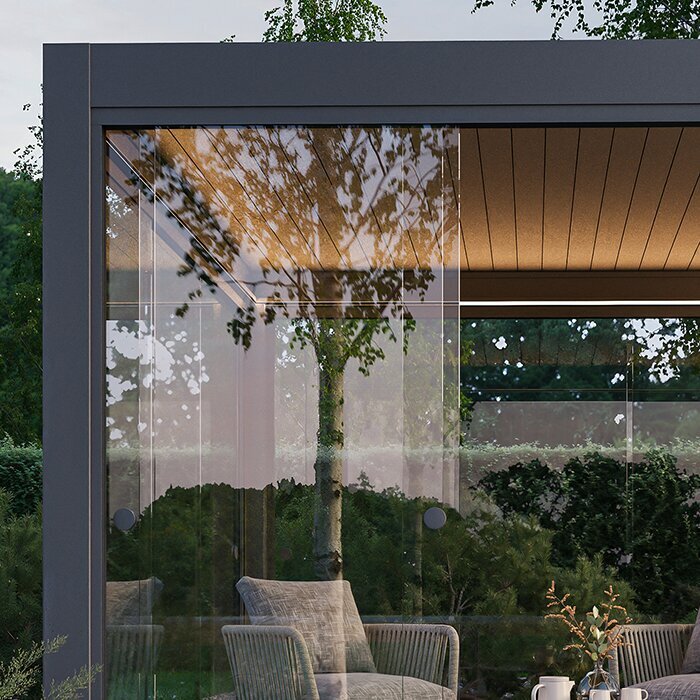
Set a project budget that includes more than the pergola itself. Depending on the site and scope, costs to confirm may include delivery, assembly or installation, preparation of the ground, fixings, a professional site review and changes needed to move furniture or services. Treat these as questions for a written quotation, not fixed amounts to assume. Keep optional enhancements separate from essentials so an extra does not displace the core requirements. When comparing proposals, check what each includes and whether work by the supplier or another contractor is assumed. Ask for confirmed items and optional work to be itemised separately.
Before ordering, agree on access for delivery and installation: the vehicle approach, gates, stairs, internal routes and a safe place for components may all affect the plan. Ask who measures the site, prepares the surface, installs the pergola and removes packaging, and record which tasks are excluded. Confirm expected dates with the seller against the property’s occupancy calendar; installation may affect guests. If it overlaps with check-in or check-out, consider an alternative time for the work. If permissions or other local requirements may apply, check them with the relevant local authority or a qualified professional before committing.
Compare product details before ordering
Compare products in a simple table using confirmed information, not model names or attractive images. Record external dimensions, usable coverage, stated shade or weather functions, materials and finish, operation, fixing requirements, care guidance and installation exclusions. Mark each point as confirmed, unclear or not offered, so a sales description is not mistaken for a technical answer. If listings describe different types of pergola, compare each with the same site brief rather than assuming that a more elaborate label means a better result. Ask suppliers to distinguish measured facts from estimates and clarify which configuration they have quoted.
Before placing the order, have the chosen configuration, dimensions, colour or finish, included components, delivery address, installation scope and price written into the final quotation or order documents. Resolve differences between the web listing, quotation and site plan, and retain the product instructions and care information for the person managing the property. Check stated after-sales, returns and warranty terms directly; do not assume them from a product image or another item in the range. Keep a copy accessible to the property manager and anyone responsible for future servicing. Place the order only when responsibilities and unanswered points are clear.
Frequently asked questions
Will any pergola suit a hotel or holiday property?
No. The right choice depends on the space, guest use, exposure, access and maintenance routine. Check the product’s stated dimensions and intended use before deciding. A photograph or general product name cannot confirm that a pergola will provide the shade you want, suit a particular surface or be appropriate for a roof terrace.
How should I work out the size?
Measure the available area and draw in the furniture, doors, fixed obstacles and routes guests and staff use. Allow for chairs to be pulled out and people to pass while the space is occupied. Compare the plan with confirmed product dimensions, including posts and any overhangs, rather than estimating from a product image.
Can I install a garden pergola on a roof terrace?
Do not assume that a pergola intended for a garden is suitable for a roof terrace or balcony. Check the specific product’s stated intended use and fixing information, and ask a qualified professional to assess the structure, surface and site conditions before ordering.
Is a wall-attached or freestanding pergola better?
Neither is automatically better. The choice depends on the building, available space, guest routes, openings and the product’s installation requirements. A wall-attached design needs a suitable attachment point; a freestanding design still has to meet its fixing requirements. Compare the actual site work before choosing.
What should I confirm before placing the order?
Confirm the chosen configuration, dimensions, finish, included components, delivery arrangements and installation scope in writing. Check what site preparation is required, who is responsible for each task, and whether the product information answers your questions about operation and care. Review the quoted price and the stated after-sales, returns and warranty terms directly.
A well-chosen pergola begins with a clear picture of guest use and a measured plan for the site. Check shade needs, access, exposure, appearance and maintenance alongside the product’s stated details and installation requirements. For hotels and holiday properties, those practical considerations shape whether the outdoor area remains useful for guests and manageable for staff. Make the purchase only when the chosen product, site work, responsibilities and ordering terms are clear.
