
Buying a Thermowood Sauna: Material and Maintenance

Sauna buying guide
Choosing a thermowood sauna involves more than deciding whether you like its timber’s appearance. The term describes a treatment, not a complete specification: species, process, treated components and finish all affect what you are buying and how you will care for it. Compare the timber details with the cleaning and exterior-maintenance instructions before you order. The aim is to know which surfaces you will maintain, what products are permitted and how exposure to weather may change the sauna’s appearance.
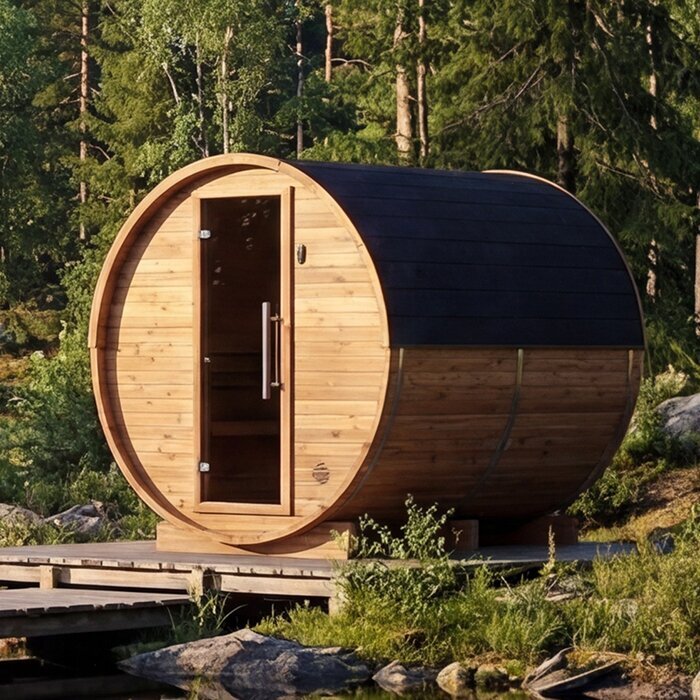
What the term thermowood means
“Thermowood” is commonly used for timber modified with heat, but the word alone does not identify the species, treatment process or quality standard. Those details can differ between products, so ask the seller to name the wood and explain what treatment information is available. If a page gives only a general label, request the full material specification and care guide before comparing it with another sauna. Do not assume the term means every listing uses the same timber or follows an identical factory process. A clear answer also gives you a basis for reading the care advice. It is also worth asking whether the documentation identifies the manufacturer of the timber, as this can help you keep the material information with your purchase records.
Check whether the material description applies to the whole cabin or only particular boards. The outer shell, interior wall lining, benches, backrests, floor and trim may not all use the same timber or finish. Ask for a component-by-component description, especially for surfaces you will sit on, clean or touch. This prevents a headline such as “thermowood sauna” from being mistaken for proof that every visible and high-contact part is thermally modified timber. Record any exceptions so you can match each care instruction to the right surface.
How heat treatment can change timber
Heat treatment changes some of timber’s responses to moisture. Depending on the species and process, modified wood can take up less moisture and move less as humidity shifts than the same wood in an untreated state. The treatment can also darken the timber. These tendencies may matter in a sauna that cycles between hot, damp use and cooling, but they are not a performance guarantee for a complete cabin. Ask for product-specific information rather than assuming a general property applies equally to every board or construction detail. Consider how the timber information relates to joins, fasteners and other construction features, which may affect how the complete sauna is maintained over time.
Possible advantages have limits. Thermally modified timber is not automatically waterproof, rot-proof or immune to checking and wear; outdoor exposure, construction, finish and upkeep still matter. Heat treatment can also affect strength and make some wood more brittle, with the extent depending on the species and process. When comparing options, look for treatment information alongside the timber name. For example, the Thermowood barrel sauna S 140 listing identifies a model, but its name alone does not establish the timber specification. If details are missing, do not infer performance from the label.
Which parts use thermally modified timber?
Map the material by component rather than relying on a single headline. Ask what the outer boards, inner wall lining, benches, backrests, floor and door surrounds are made from, and whether any part has a separate coating. This helps distinguish the cabin’s exterior timber from the wood that faces the hot room or comes into direct contact with you. If two areas use different materials, they may have different cleaning instructions; the product documentation should make that clear. A component list is more useful than a broad statement that a sauna is “made from thermowood”. It also lets you identify which surfaces may need attention first if their appearance or condition changes during ordinary use.
A written breakdown also helps you plan cleaning and future touch-ups, because different timber or coatings may need different care. Ask whether the wood is bare, factory-treated or finished on each surface, and whether the description refers to solid boards or a surface layer. Do not infer construction details from a photograph. Before deciding about the Thermowood barrel sauna HC150, look for the same distinctions in its product information; if the answer is unclear, request it rather than treating all parts as interchangeable. Keep the response with your order notes for later reference.
Check the finish on each surface
Find out whether the interior wood is supplied bare, oiled or coated, and whether the finish differs between benches and wall lining. A product description that says “treated” may refer to heat modification, a surface coating or both, so ask exactly what it means. In a hot room, use only a finish that the sauna maker approves for that particular surface and environment. Do not assume a deck oil, household varnish or paint is suitable just because it is sold for timber. A written finish name makes products easier to compare. It should also state whether the finish has already been applied or is a treatment the owner is expected to arrange after installation.
Ask the same questions about the exterior: is there a factory finish, is it intended to be maintained, and what should be used if it needs attention? For the Thermowood barrel sauna HC 225, as with any option, confirm the recommended cleaning method, whether re-coating is expected and how to prepare the surface. Ask what changes in colour are normal and whether applying an unlisted product could affect the care requirements or warranty. Keep the instructions with the sauna’s documents so future maintenance follows the same guidance.
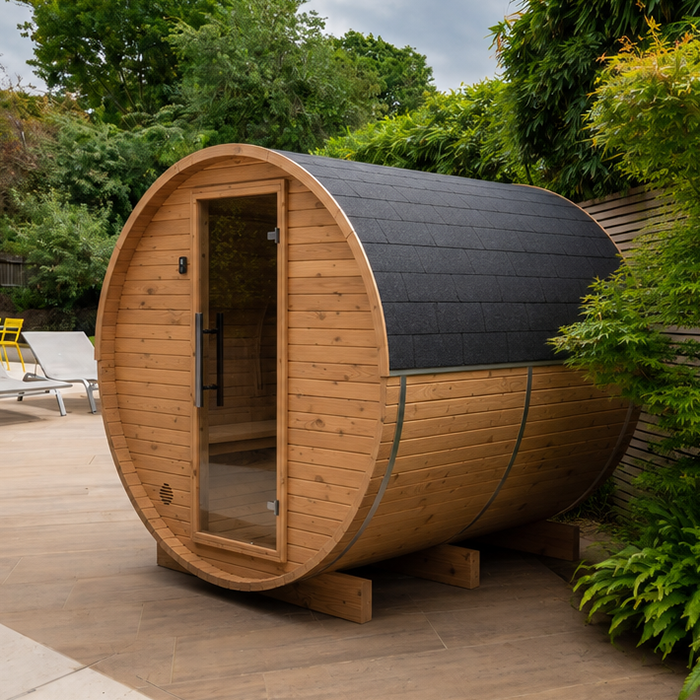
Cleaning the sauna interior
Clean the interior in a way that removes sweat and surface dirt without saturating the boards. Let the hot room cool first, then follow the supplier’s instructions for wiping benches and other surfaces. A clean, dry cloth may be enough for light marks; for more persistent dirt, use only the method and cleaner recommended for that timber and finish. Work gently and keep water use controlled, since repeated soaking can leave moisture in joints or end grain. Check whether removable items should be cleaned separately rather than washing the whole interior. Establish where cloths, brushes and approved products will be stored so that the routine remains simple and the wrong cleaner is not used by mistake.
Do not assume that household disinfectants, scented sprays, abrasive pads or strong detergents are suitable for sauna wood. They may affect a surface finish, and the product instructions should determine what is safe to use. For a specific option such as the Thermowood barrel sauna N 210, look for cleaning advice that distinguishes benches from other interior surfaces. If no method is provided, ask before choosing a product. Avoid pressure washing or steam cleaning unless the maker explicitly permits it; forceful cleaning can damage timber or drive moisture into places that take longer to dry.
Drying the cabin and inspecting the timber
After use, allow moisture to leave the sauna in the way the manufacturer specifies. Follow the operating instructions for ventilation rather than improvising with doors, vents or other components. Wipe up visible water and remove damp towels or accessories so they do not sit against the wood. The aim is to let surfaces dry between uses, not to leave standing moisture around joints, benches or the floor. If a part stays damp despite following the instructions, note where it happens and ask the supplier or installer what to check. Recording when and where the dampness occurs can make it easier to describe the issue accurately when seeking advice.
Include a visual inspection in your normal care routine, using the interval recommended by the manufacturer rather than assuming one schedule suits every sauna. Look for changes such as persistent damp patches, new splits, rough areas, loose boards or recurring surface growth. A change in appearance is not enough by itself to diagnose a problem, so avoid covering it with a new finish before understanding the cause. Keep the instructions for the model you choose, including the Thermowood barrel sauna N 250, and use them to decide when to clean, seek advice or arrange a repair.
Outdoor care depends on exposure
If the sauna is intended for outdoor use, consider the conditions around its site when discussing timber care. Direct sun can change the appearance of wood over time, while wind-driven rain, splashback and areas that stay damp can add to the maintenance demands. Heat treatment does not make timber impervious to weather. Ask the supplier what exposure the product is designed for and whether the recommended care changes for a sheltered or more exposed position. Do not assume that a photograph or a general description guarantees suitability for every outdoor location. Nearby vegetation, drainage patterns and routine cleaning access can also affect how easy it is to keep exterior timber in good condition.
Get written guidance for the exterior finish: what to clean it with, what product to use if the surface needs renewal and what preparation is required. For an option such as the thermally modified wood barrel sauna LC 260, confirm the advice for its actual exterior rather than applying a generic timber treatment. Avoid pressure washing or abrasive cleaning unless the maker specifically allows it. If you prefer the natural appearance of weathered timber, ask how its colour may change and whether that change affects only appearance or has care implications.
Request the care documents and included-items list
Before ordering, ask for the material specification and the maintenance instructions that apply to the finished product, not only general advice about heat-treated wood. Useful documents should identify the timber by component, explain any factory-applied finish and set out cleaning and exterior-care recommendations. Check that the instructions cover the surfaces you will actually maintain. If a seller provides several documents, ask which one takes priority if the advice differs. Having the relevant information before purchase lets you judge whether the routine is realistic for your household. Save digital copies as well as paper documents, since product pages and general care information can change after an order is placed.
Also request a written list of what the order includes and what must be sourced or arranged separately. Ask whether the heater, controls, lighting, floor components, care products or assembly materials are included rather than assuming from a picture or model name. For the thermally modified wood barrel sauna HCF 300, as for any listing, use the product information to identify what is stated and ask about anything left unclear. If replacement boards or compatible finish are needed later, find out how to identify the right material before you place the order.
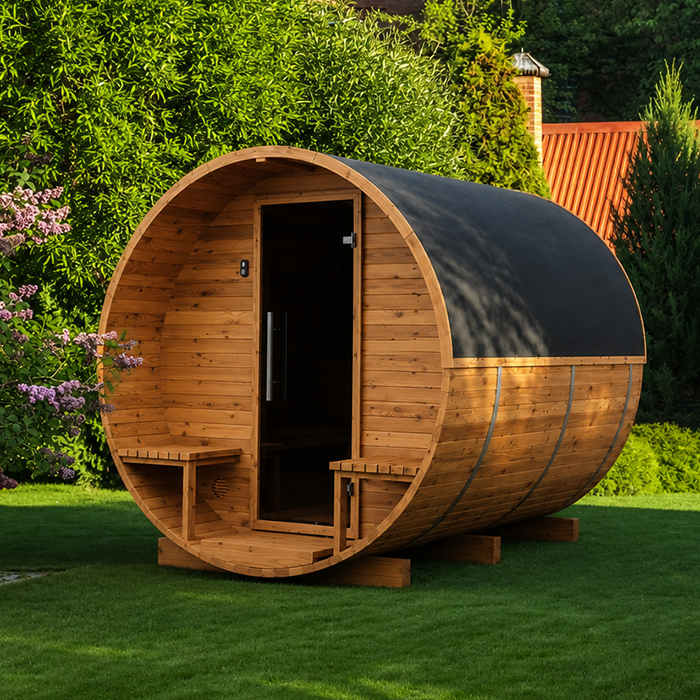
Check storage, assembly and site requirements
Timber can be affected by how components are stored and handled before assembly, so ask what to do if delivery and installation will not happen at the same time. Find out whether the supplier gives instructions for keeping the pack dry, inspecting it on arrival and protecting the boards during assembly. Confirm who is responsible for assembly and what aftercare information comes with the finished sauna. These are ordering questions, not details to guess from the product name. Clear instructions help you avoid exposing components to conditions the maker has not recommended. They can also clarify what information to note at delivery if packaging or timber appears affected before the installation work begins.
Before ordering, discuss the site conditions that matter to the timber, including water run-off, ground contact and exposure to rain. Ask the supplier or installer what base and clearance requirements apply to the specific product; do not improvise structural support or rely on general advice for another model. If the sauna requires electrical work, confirm the requirements with a qualified professional rather than treating it as a timber-care task. Before ordering the Thermowood barrel sauna LCF 300, resolve these practical questions alongside its material and maintenance details.
Match the maintenance plan to your routine
The best material choice is not just the one with a colour or label you like; it is one whose care requirements you understand and can follow. Decide whether you are comfortable with routine wiping, drying and periodic checks, and whether you are prepared to maintain an exterior finish if the maker recommends it. If appearance matters, ask for a sample or clear information about the timber’s initial colour and how it may change. Natural variation between boards is possible, so a photograph should not be treated as a promise of an exact shade. Think about who will carry out the routine care, particularly if the sauna will be used by several people or at a property you visit only occasionally.
Compare each option against the same questions: which parts use thermally modified timber, what finish is present, what products are approved for cleaning, and what maintenance is recommended for your site? Note any missing answers rather than filling gaps with assumptions about the term “thermowood”. A straightforward care plan, with clear instructions for interior and exterior surfaces, is more useful than an unsupported claim of low maintenance. You can then judge whether the material suits your preferences and the time you are willing to spend looking after the sauna.
Frequently asked questions
Does thermowood make a sauna waterproof?
No. Heat treatment can change how timber responds to moisture, but it does not make a sauna waterproof or remove the need to follow its care instructions. Check how the cabin is finished and what protection is recommended for the intended setting.
Do thermowood benches need oiling?
Not necessarily. Whether to oil a bench depends on its timber, existing finish and the sauna maker’s instructions. Use only a product approved for that surface and environment; applying an unapproved oil may alter the finish or the care requirements.
Can I clean the interior with household disinfectant?
Do not assume a household disinfectant is suitable for sauna timber. Some cleaners may affect the finish or leave residues. Check the care guide and use only its recommended cleaning method and products, taking care not to saturate the wood.
How often should the exterior be recoated?
There is no single schedule that suits every timber, finish or site. Sun, rain and shelter can affect how the exterior weathers. Ask for the recommended product, preparation method and maintenance interval for the specific sauna, then follow those instructions.
Is a thermowood sauna maintenance-free?
No. Heat-treated timber still needs suitable cleaning and drying, and exterior surfaces may need care depending on their finish and exposure. The exact routine varies, so choose a sauna only after you understand the maker’s instructions for its different surfaces.
Choose a thermowood sauna only after the label has been turned into a clear material and care plan: which timber is used, which parts it covers, what finish is present and how the supplier expects you to clean and maintain it. If those answers are practical for your site and routine, you can compare options on evidence rather than assumptions. If details are missing, seek the written specification instead of inferring performance or upkeep from colour, photographs or a model name.
