
Buying a Domestic Sauna for a Glamping Site: Questions to Ask
SAUNA BUYING GUIDE
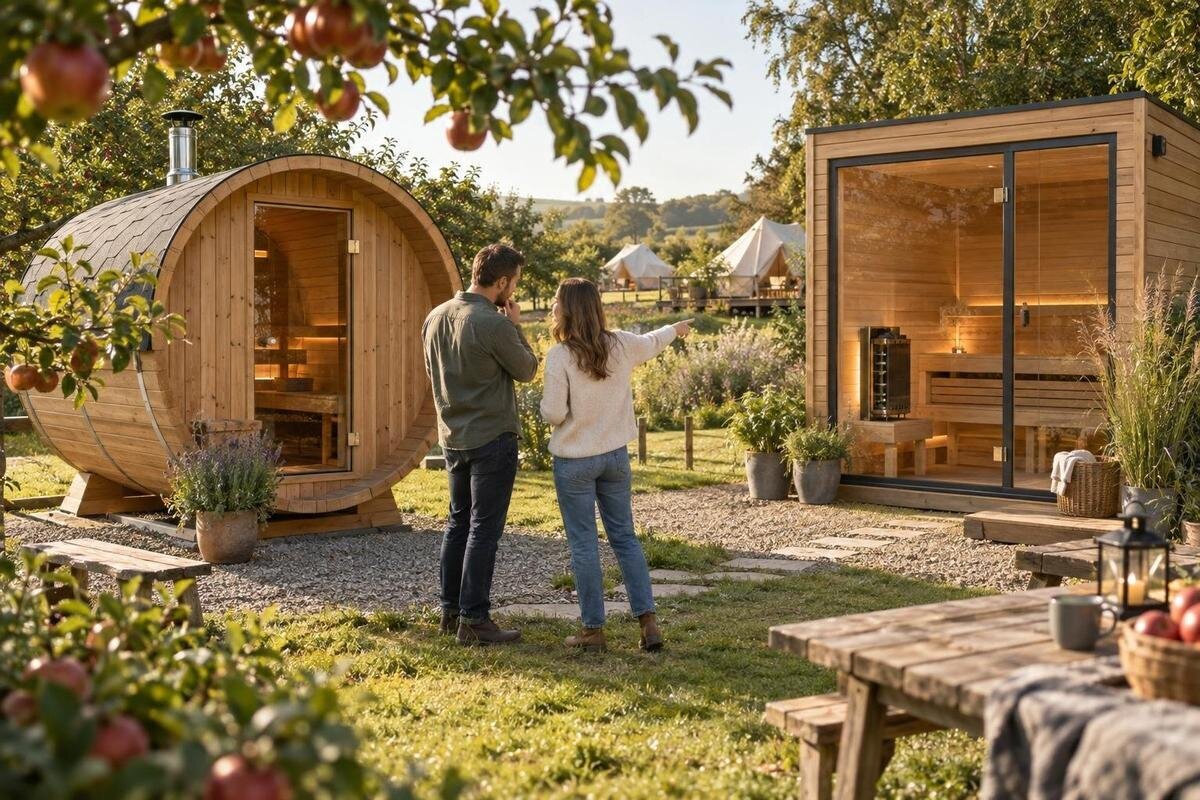
Buying a domestic sauna for a glamping site is not the same as choosing one for a private home. Guests may be unfamiliar with the controls, the sauna could sit near several accommodation units, and its use needs to fit bookings, staff time and the overall stay. Before comparing models, define the experience you want to offer and establish whether the supplier supports the pattern of use you expect. Then check the site, services, delivery route and complete supply scope. These questions help you judge fit without assuming a model name or photograph reveals what the sauna can do.
01
Define the sauna experience you want to offer
Begin with the guest experience you want to sell. Is the sauna part of the stay, an optional booking, or a shared site amenity? Will it be reserved for one accommodation party at a time, or might several groups use it? Those answers shape privacy, booking controls and access more than a generic label such as glamping sauna. Be specific about whether the appeal is a quiet private extra or a shared facility, because guests may plan around that description. Write it down before comparing products; it makes it easier to see whether a proposed setup fits the service you actually intend to provide.
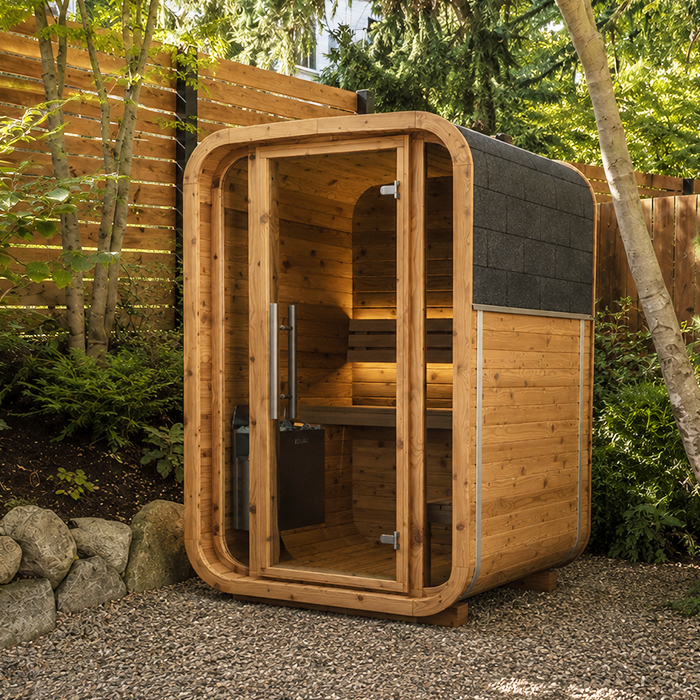
Map the guest journey from each unit: the route, waiting point, changing arrangements and space to sit afterwards. If people must cross a shared area or pass other cabins, consider sightlines, lighting, wet-weather access and noise, then decide how you will explain shared and private areas in your listing. An optional extra needs a clear booking and access plan; an amenity included with a stay may need stronger separation between groups. The S 140 sauna listing is one item you can assess with that checklist, not evidence that it suits the site.
Size the choice around guest numbers and bookings
Estimate use from bookings, not from a guessed head count. Note the largest party likely to book a stay, whether different parties might want sessions at the same time, and whether busy periods leave little time between groups. If families or larger groups are part of your offer, test those party sizes against the supplier’s layout rather than making a promise the available space may not support. Ask for the stated user capacity and the basis for it, plus a dimensioned plan showing usable seating and entry space. Compare the documentation with the group patterns you expect instead of shopping by an assumed size.
Separate user capacity from daily throughput. A shared sauna used by successive parties needs a different booking plan from one reserved for a single unit, even if the total number of guests on site is similar. Decide how session slots will fit around check-in, quiet periods and staff changeovers. Ask for any stated user limit and operating guidance in writing; do not infer either from an image or model code. Use the HC150 sauna listing as a product to query, not as evidence of its capacity. If key information is missing, keep it off the shortlist until the supplier can answer your questions.
02
Check the location against guest flow and site conditions
Walk the possible locations at the times guests are most likely to use the sauna. Consider the route from accommodation, visibility from neighbouring units, noise, lighting and whether people can arrive without blocking another activity. A simple site plan can reveal conflicts with paths, parking, outdoor dining or staff access. If several cabins share one amenity, think through how a booked session affects other guests; if it is associated with one stay, check that the route and boundary feel private. Include the return journey too: a path that looks straightforward on a plan may be awkward in darkness or rain.
Ask what the chosen model needs from the ground and immediate surroundings. Request the footprint, support or base details, clearances and site-preparation instructions from the supplier; do not assume a level-looking patch is suitable. Have the proposed location reviewed by an appropriate installer or site professional if ground conditions, nearby structures or services raise questions. Consider wind and rain exposure, drainage and how guests reach the site in poor weather, then confirm that the model is intended for those conditions. Review the HC 225 sauna listing against the answers, not as proof of site fit.
Measure the delivery route before choosing a model
Check access before selecting a model, especially if the sauna will be delivered to a remote or tightly planned part of the property. Walk the full route from vehicle access to the proposed location, noting gate openings, turns, narrow paths, slopes, overhead obstructions and possible staging areas. Ask the supplier for the exact packed and assembled dimensions and weight for the configuration you are pricing. Do not estimate them from a product photograph or code; access that looks clear on a map may not work in practice.
Confirm what delivery includes: kerbside drop-off, unloading, moving the sauna to its final position, assembly and packaging removal are different scopes, and none should be assumed. Ask how the seller defines access requirements and what you must prepare before delivery. If a service vehicle, lifting equipment or temporary storage area may be needed, get the requirements specified and check them with the delivery provider before paying. Include freight and any site-handling charges in your comparison. The N 210 sauna page is a starting point for a quote, not a source for delivery details.
03
Confirm how the sauna will be heated and connected
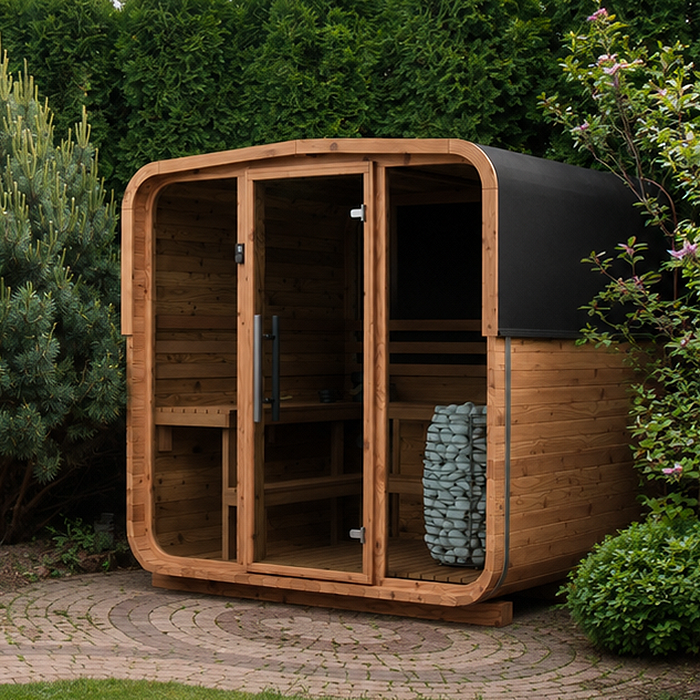
Heating affects both the guest experience and what the site must provide, so establish the configuration rather than assuming a heater is included. Ask which heating options are available for the exact model, what equipment and controls are included, and what energy source, supply capacity and connection arrangement each option requires. If the site is off-grid or has limited services, say so before choosing. Obtain the relevant technical information and have a qualified electrician or installer assess any connection that needs professional review; a product name is not a substitute for service requirements.
If a combustion-based option is being considered, ask the supplier and installer what the proposed setup requires around ventilation, flue routing, clearances and the surrounding site. Keep those questions with the people responsible for installation rather than improvising a layout from general advice. Ask who will start, operate and shut down the system under the manufacturer’s instructions, and how that routine fits staff hours. Compare the plan with the booking pattern so the amenity can be managed when guests expect to use it. Seek written details for the N 250 product page before comparing its price with a different configuration.
Plan clear instructions for first-time guests
Many glamping guests will have little or no sauna experience, so straightforward guidance is part of the buying decision. Ask whether user instructions are supplied for the exact heater and controls, what format they come in, and whether the supplier can provide information that staff can turn into a short guest guide. Make sure guest-facing wording matches the manufacturer’s instructions rather than a staff member’s memory. Consider where instructions, emergency contact details and a simple way to report a fault will be available without making the arrival process confusing.
Plan the whole visit, not just the moment someone switches the sauna on. Decide how a guest receives access, where personal items go, how a booking is confirmed and who can help if a control or door is not working as expected. If children or guests with additional access needs may use the facility, ask the supplier about available information and discuss the operating plan with the appropriate professional; a standard instruction sheet may not answer every site-specific question. Request the user and care documents for the LC 260 sauna listing before finalising your guidance. Assign responsibilities before the first booking.
04
Budget for cleaning, maintenance and staff time
Estimate staff time as carefully as the purchase cost. List the work between parties and at quieter intervals: preparing the room, cleaning surfaces as instructed, replacing supplies, checking the area and resetting the space. Ask the supplier for written cleaning and care guidance, including suitable products and any restrictions; the model name alone does not establish the finish or the right maintenance method. Match the expected workload to the shifts you actually roster, rather than assuming a sauna can look after itself between bookings. A realistic routine helps you plan a consistent guest experience.
Ask what routine inspections or consumables are expected, whether wear items or spare parts are available, and how repair support is handled. Request the current warranty terms and have the supplier explain any exclusions or limits related to paid accommodation, frequent use or maintenance. Do not assume that a domestic product’s after-sales conditions cover your operating pattern. Record who will report faults, pause bookings when needed and arrange service; those tasks can be awkward if the sauna is away from staff areas. Assess the HCF 300 product page against the same written questions as other candidates, not by its name.
Verify that a domestic model suits paid guest use
Treat the word domestic as a question to resolve, not a guarantee that a model suits paid guest accommodation. Describe your actual operation to the supplier: how often it may be used, the size of groups, whether bookings turn over quickly and whether staff are on site. Ask the supplier to confirm in writing whether the exact configuration is intended for that pattern and to list any limitations. If the answer is framed only around occasional household use, find out what that means for your business before proceeding. Keep the response with the quote and product documents so you can compare it with other offers.
Check the commercial side separately from the equipment. Ask your insurer whether the proposed guest amenity affects your cover, and ask the relevant local authority or a qualified adviser what site-specific approvals or professional assessments may apply. The answer can depend on the property, installation and intended use, so a general product listing is not a substitute for local advice. Keep a written record of who has confirmed the site, services and operating plan. Consider the LCF 300 sauna listing only after putting the same paid-use questions to its supplier.
05
Compare the full quote, not just the model name
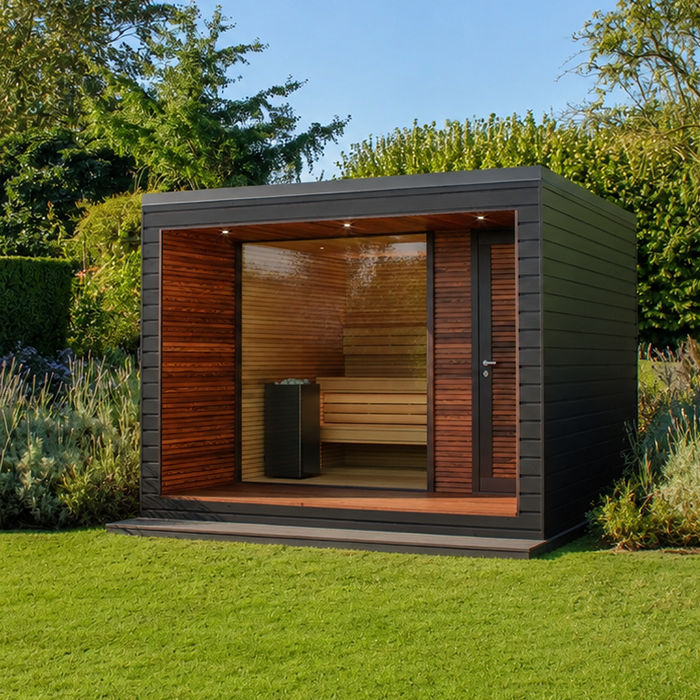
Compare quotes on a like-for-like basis. Ask for the exact model and configuration, a line-by-line list of included and excluded items, and clarity on the heater, controls, accessories, delivery, unloading, assembly, site preparation and any required electrical work. Not every cost will come from the sauna supplier, so include professional assessments and site work in a separate estimate. Request current pricing and freight costs for your address rather than inferring value from model names or promotional-looking images. If a quote leaves an item unclear, mark it as unknown instead of treating it as included.
Ask for the drawings and technical documents that support your checks, plus the written delivery scope, estimated timing, payment conditions, cancellation or return terms, warranty wording and after-sales contact. Those details are part of the buying decision because a headline price may omit work you need to budget for; no saving is clear until the complete scope is known. Use the same assumptions for every model, including installation and ongoing care, so the comparison is fair. Make sure the quote describes the version you discussed, not just a broad product family, and keep it available when the order is confirmed.
Set a clear go-or-no-go point before ordering
Set a go-or-no-go list before paying a deposit or signing an order. It should cover written confirmation of paid-use suitability, documented capacity and dimensions, the exact heater and supply requirements, the site location, delivery access, maintenance responsibilities and excluded costs. Mark each item as confirmed, professionally reviewed or still open; do not treat a supplier’s silence as agreement. If a key answer is missing, pause the purchase and ask for it in writing. This keeps a persuasive appearance or a convenient model name from standing in for information you need.
Test the operating plan with a mock guest journey: arriving, finding the sauna, getting access, using it under the supplied instructions and leaving it ready for the next booking. Check where the process depends on staff, where privacy could be compromised and whether the site can meet the promise in your listing. Confirm that the final model and options match the quote, and that the people responsible for installation and guest operation have the information they need. A domestic sauna is a candidate only when its documented use, site requirements and service model align; if they do not, revise the plan before ordering.
Frequently asked questions
Can a domestic sauna be used at a glamping site?
Do not assume so from the domestic label. Ask the supplier in writing whether the exact model and configuration are suitable for your expected pattern of paid guest use, and what limitations apply. Check site-specific installation, insurance and approval questions before ordering.
How do I estimate the right capacity?
Start with the group sizes you expect and whether different parties may want to use a shared sauna at the same time. Ask for the stated user capacity, how it is defined and a dimensioned plan. Do not estimate capacity from a photograph or model code.
Does the purchase include a heater?
The product information supplied here does not establish what is included. Ask for a written list of the exact model configuration, heater, controls and any other equipment, as well as the relevant connection or fuel requirements and who is responsible for installation.
Will I need approval for a sauna at the site?
That cannot be determined from the product category alone. Ask your local authority or a suitably qualified adviser about requirements for the proposed location, installation and guest use. Raise electrical or other technical questions with the relevant professional before committing.
How should a shared sauna be booked?
Choose an approach that fits your site and guest offer. Consider whether parties need separate time slots, how you will protect privacy, and who resets the space between bookings. Check that the process fits staff hours and can be explained clearly before guests arrive.
For a glamping site, a sauna is not a standalone purchase: it becomes part of the guest promise and the site’s day-to-day operation. Choose only after the supplier’s written information, a site-specific assessment and a complete quote agree with how you plan to host people. If those checks expose a mismatch, adjust the booking offer or shortlist rather than asking a domestic model to meet an unverified expectation.
