
Choosing a Sauna for a Holiday Rental: Guest Use, Cleaning and Operating Costs
Holiday rental sauna guide
A sauna can make a holiday rental stand out, but paying guests turn a household amenity into a managed service. Before choosing a model, confirm that the intended use is permitted, decide who will explain and check it, create a repeatable changeover clean, and estimate costs from real equipment and tariffs. The right choice is one you can operate consistently, not simply one that fits the available space.
Before you commit 1
Get written confirmation for holiday-rental use
A sauna marketed for household use is not automatically approved for paid accommodation. Describe the arrangement before ordering: guests will operate it themselves, how often bookings turn over, the likely pattern of use, and the exact model and heater configuration you are considering. Be candid that access is self-service rather than describing it as occasional private use. Ask the manufacturer or importer to confirm in writing whether this use is permitted and whether conditions apply to operating hours, frequency, supervision, inspection or servicing. Ask which manual and other documents apply to the supplied setup. If the answer depends on installation or management, record each condition rather than relying on a broad assurance from a retailer.
Check the warranty and after-sales position separately. Ask how the terms apply when paying guests use the sauna, what maintenance records are expected and how service should be arranged; do not assume rental operation is either covered or excluded without reading the written terms. If you manage a property you do not own, get the owner's consent. Ask your insurer, property manager or body corporate about any conditions relevant to the proposed facility, and ask the relevant council or a qualified adviser whether approvals may apply to the site and intended use. Keep responses with the model and property details. If approval depends on site or installation information, resolve that question before committing.
Match the layout to guests and the site
Plan for the largest group likely to use the sauna together, not just the average number of people in a booking. Compare the manufacturer's seating information with the group's needs, then consider entry, movement inside and around the unit, and space to change or dry off. Allow for the route from the accommodation, privacy, lighting, and a place for wet footwear, towels or robes. Ask for dimensioned drawings for the exact configuration: a product photograph or headline footprint does not show usable interior space, bench positions, door movement or clearances. Consider the mobility needs of the guests you intend to accommodate, and have a qualified professional assess the proposed site and installation requirements.
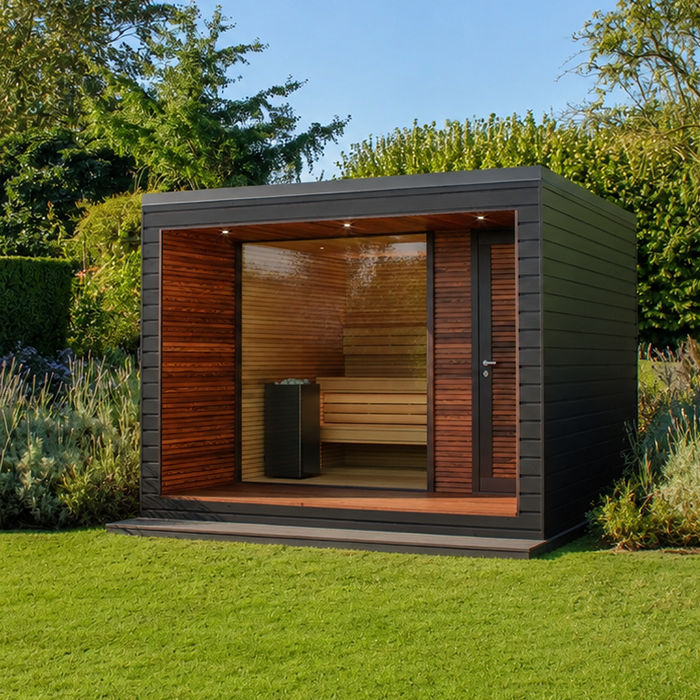
The store's Sauna N-210 listing associates the model with 4.43 m², but that figure alone does not establish how the area is measured, how many people fit or whether the proposed site is suitable. Ask what the listed area represents and compare it with a dimensioned drawing and the access route. Think through how guests will enter and how a cleaner will move through the space during a reset, not just whether the structure fits on a plan. A larger catalogue figure is not proof of greater comfort or a lower energy bill; those questions need model-specific information.
Before you commit 2
Write simple, model-specific guest instructions
Guests should not have to interpret a technical manual or guess what a control does. Prepare a short guide before opening bookings and keep it where the controls are visible. Base operating and shutdown steps on the instructions for the exact sauna and heater, including any manufacturer-stated limits, supervision conditions or restrictions. Explain who guests should contact with a question or fault. Tell them to use settings only as described in the supplied instructions and not to attempt repairs. Do not add made-up temperature or session rules, or health promises. Keep the wording practical and make clear which instructions come from the manufacturer and which are house rules.
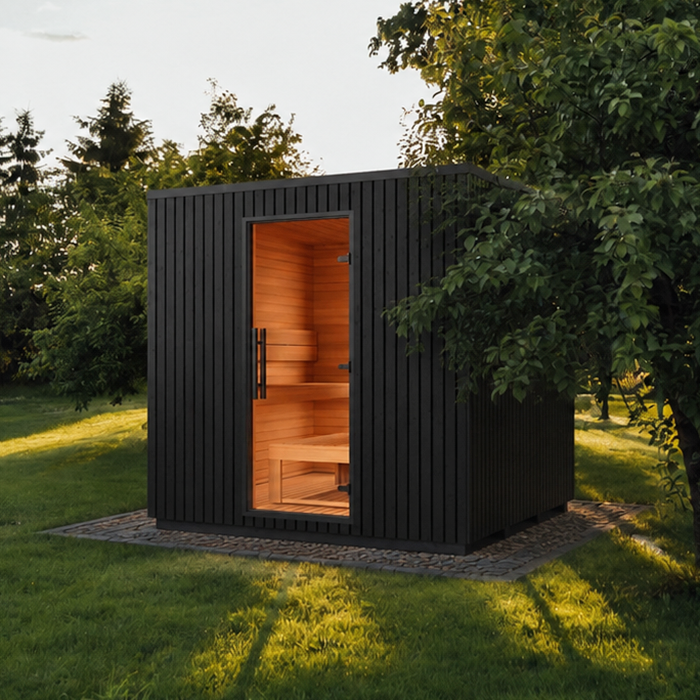
Send the same guidance before arrival so guests know how access works and can read the instructions in advance. Use plain language, legible print and a sequence that follows the actual controls; ask someone unfamiliar with the unit to check whether anything is confusing. If you are considering the Sauna N-250 model page, use that exact model identity when requesting the manual and guest-use information, along with the proposed heater configuration. Keep the supplied instructions available to the person handling changeovers as well as guests. Review the guide if the equipment or access arrangements change, so old signage does not conflict with current instructions.
Build cleaning into every changeover
A guest-facing sauna needs a repeatable reset between bookings, not an assumption that users will leave it ready. Assign a named person and allow enough time to remove used towels and rubbish, check for forgotten belongings, and clean contact areas and floors using methods the manufacturer allows for the actual surfaces. Follow the manual for airing or drying the unit. Do not assume a household spray, fragrance or disinfectant is suitable for surfaces, fittings or a heater; confirm the permitted products and method. Include a check for visible damage or residue and a clear way to report anything that needs attention rather than covering it up.
Write the reset as a checklist that can be completed in the real turnover window: clean and dry as directed, replace any supplied textiles, restock items promised in the listing, and record missing items or faults. Consider whether the sauna may have been used several times during one stay, rather than planning only for a single use. Separate routine turnover cleaning from deeper cleaning or maintenance, which should follow the actual manual rather than an invented calendar. Ask for care instructions for the exact model; referencing Sauna LC-260 in the enquiry makes clear which one you mean. If the reset cannot be completed before the next arrival, adjust the schedule or close access until it is done.
Before you commit 3
Assign responsibility for checks and records
Decide who owns each task before the first booking. The host or property manager should keep the manual, written approval, guest instructions and service contacts together. The cleaner should know what to check, how to report damage and who can take the sauna out of service. Specify who confirms the reset before the next guests arrive, and name a backup contact for a missed or delayed changeover. A guest message saying the sauna was used can help with planning, but it does not replace a practical check by the person responsible for the accommodation.
Use a short record for each booking or inspection: date, reset completed, issue reported, action taken and whether access remains available. Keep technical checks and repairs with a qualified service provider where the manual or circumstances call for it, rather than asking cleaners to diagnose a fault. If the exact candidate is Sauna HCF-300, put that model code and the confirmed heater configuration on the asset record so service questions do not get attached to a similar-looking product by mistake. If a concern is unresolved, pause guest use and tell the next booking contact promptly. Clear ownership avoids relying on a guest or cleaner to decide whether a fault is safe to ignore.
Estimate electricity from the actual setup
Include electricity as a separate operating cost, but base the estimate on the equipment actually supplied and the way it is expected to be used. Ask the supplier for the heater's input and an estimate that accounts for the proposed configuration, warm-up and likely booked sessions. Ask a qualified electrician to confirm the site's electrical requirements and whether suitable metering can be installed. Do not infer consumption from a model name, area figure or generic session length. If the supplier cannot give a useful estimate, ask how consumption can be measured once the sauna is operating, using equipment selected and installed professionally.
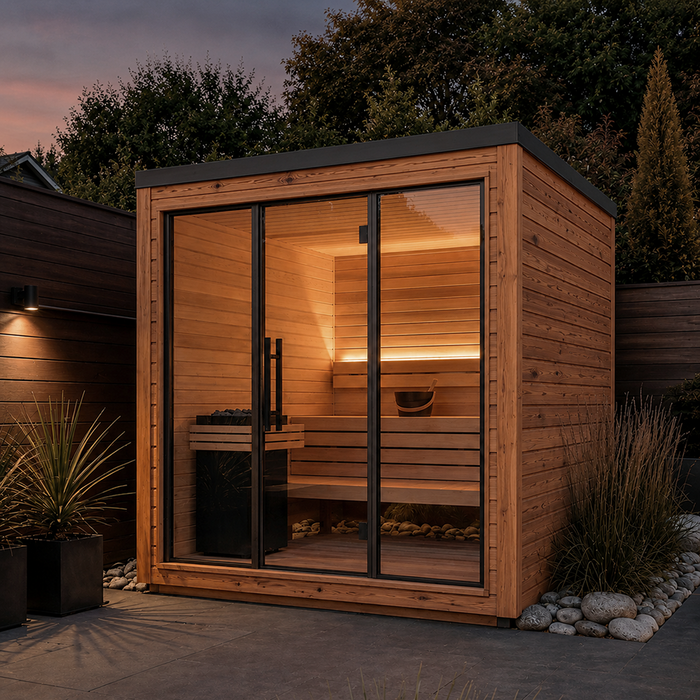
Keep a simple log of sauna-related energy over representative periods, along with the number of bookings and uses, then apply the property's actual tariff. Record assumptions such as warm-up and expected use, and compare busier and quieter periods rather than assuming every guest will use the facility. Keep fixed charges or tariff changes separate from the variable energy total. The Sauna LCF-300 listing gives a 6.89 m² figure alongside the model name; that is catalogue information, not an electricity estimate. Revisit your budget if the heater configuration, tariff or guest-use pattern changes.
Before you commit 4
Budget for labour, laundry and upkeep
Electricity is only one part of the cost of making the amenity available. Include cleaning hours, laundry, replacement textiles or consumables you provide, routine servicing, repairs and extra management time. Keep one-off purchase and site costs, such as delivery, preparation work and professional installation, separate from recurring costs so they do not distort the monthly operating picture. Ask the supplier, installer and insurer about charges that apply to your property rather than adding a guessed allowance. Include the practical cost of downtime too: a fault may require a booking change or guest update even before a repair invoice arrives.
Track labour and other sauna-related spending by month and, where records allow, by booking or use. Dividing the sauna-specific total by recorded uses can give you a simple cost-per-use view; keep booking nights separate, because some guests may not use the amenity at all. The Sauna S-140 listing shows 1.93 m² with the model name, but catalogue area is not a measure of cleaning time, staffing or service cost. Obtain the care and maintenance information for any model you assess. Review actual costs alongside the number of bookings in which guests used the sauna, and do not count speculative extra income as a guaranteed offset.
Describe access and availability accurately
Make the guest-facing offer as specific as the approved setup. State whether sauna access is included or needs to be arranged, how guests obtain instructions, and any confirmed access hours or booking process. Check that claims about group size, seating, accessibility and equipment match the actual drawings and configuration; do not derive an occupancy limit from a photograph or area figure. Be upfront about the route, steps or other access features that matter at the property, and avoid promises about wellbeing or results. If a host or cleaner has to prepare the unit, explain that arrangement before a guest books.
Align the listing, pre-arrival message and sign at the sauna so they do not give different instructions. Tell guests what they need to bring and what, if anything, the host supplies, but do not claim an inclusion until it has been confirmed. If Sauna HC-150 is under consideration, use its exact model code when requesting verified seating, access and configuration details; the product identity alone does not establish capacity. Revisit the description whenever equipment, access arrangements or service availability changes. If the sauna is temporarily unavailable, update the relevant guest information rather than leaving an amenity advertised that cannot be provided.
Before you commit 5
Plan for faults and downtime
Write a fault plan that guests can follow without troubleshooting. Give them a clear contact route, and tell them to stop using the sauna and report a problem if it appears damaged or does not operate as the instructions describe. They should not open equipment or attempt repairs. Assign someone who can respond, close access and arrange an appropriate qualified assessment. Decide in advance how the host will update an arriving guest if the amenity is unavailable, and who will update the listing or booking information. Clear notice is better than leaving guests to discover on arrival that the sauna is out of service.
Use the maintenance schedule in the actual manual and any written manufacturer guidance; there is no useful universal interval to invent for every model and use pattern. Keep copies of approvals, operating instructions, configuration details, cleaning sign-offs, inspection notes, service reports and dates together. That record can help identify repeat faults and answer questions about the unit's use. Keep the Sauna HC-225 model details with these records if that is the unit you choose, so the supplier can identify it when arranging service. Review the plan after a repair or a change in rental use, and reopen access only once the reported issue has been resolved.
Make the decision using your own booking data
Build the business case from your property's booking pattern rather than a general claim that a sauna will attract more guests. Estimate how many bookings are likely to use it, when staff can reset it, and whether quieter-season bookings still justify the ongoing effort. Compare a cautious case with a busier one using your own occupancy history, current tariff information and confirmed labour and service costs. If the property is new and there is little history, make that uncertainty explicit and test more than one use assumption. Do not assign revenue to unverified wellbeing claims or assume every guest will pay extra or use the facility.
Before purchase, write down the conditions that must be met: written permission for the intended rental use, a site and configuration assessed by relevant professionals, a workable guest guide, a named person for each turnover and a cost estimate you can sustain. Decide what evidence to review after opening, such as actual energy use, cleaning time, faults, bookings that used the sauna and guest questions. Set a review point in advance so you can adjust the offer if actual use differs from the plan. If a missing approval or unreliable cleaning handover would make the amenity unmanageable, resolve that first; do not leave the decision to the first guests.
Frequently asked questions
Does a household sauna automatically suit a holiday rental?
No. A product described for household use does not confirm that paid guest use, the expected frequency or the proposed setup is permitted, or that warranty cover applies. Give the manufacturer or importer the exact model, heater configuration and operating arrangement, and keep its written response. Check property permissions and insurance separately.
How should I estimate electricity costs?
Ask for an estimate based on the actual heater configuration and expected use, then compare it with measured consumption once the sauna is operating. Use the property's current tariff and keep fixed charges separate. A model name or listed area is not an energy estimate.
How often should the sauna be cleaned?
Plan a documented reset whenever it has been used and before the next guests arrive. Follow the manufacturer's instructions for cleaning and drying, and use its guidance for deeper cleaning or maintenance rather than inventing a universal schedule.
What belongs in guest instructions?
Explain access, the correct operating and shutdown steps, any manufacturer-stated limits or supervision conditions, and how to contact the host about a fault. Base the guide on the manual for the exact sauna and heater; do not add guessed settings, health advice or operating rules.
Can guests take care of cleaning and checks?
Guests can be asked to follow clear house rules and report problems, but that is not a reliable changeover process. Assign a host, manager or cleaner to check the reset, record issues and arrange qualified service when needed.
A rental sauna is easier to manage when the written approval, guest instructions and changeover routine all describe the same equipment and use. If those pieces align and actual energy and labour figures fit the property's budget, you can offer the amenity with clearer expectations. If they do not, resolve the gaps before buying or advertising it.
