
Planning When to Order an Outdoor Sauna: Project Timeline
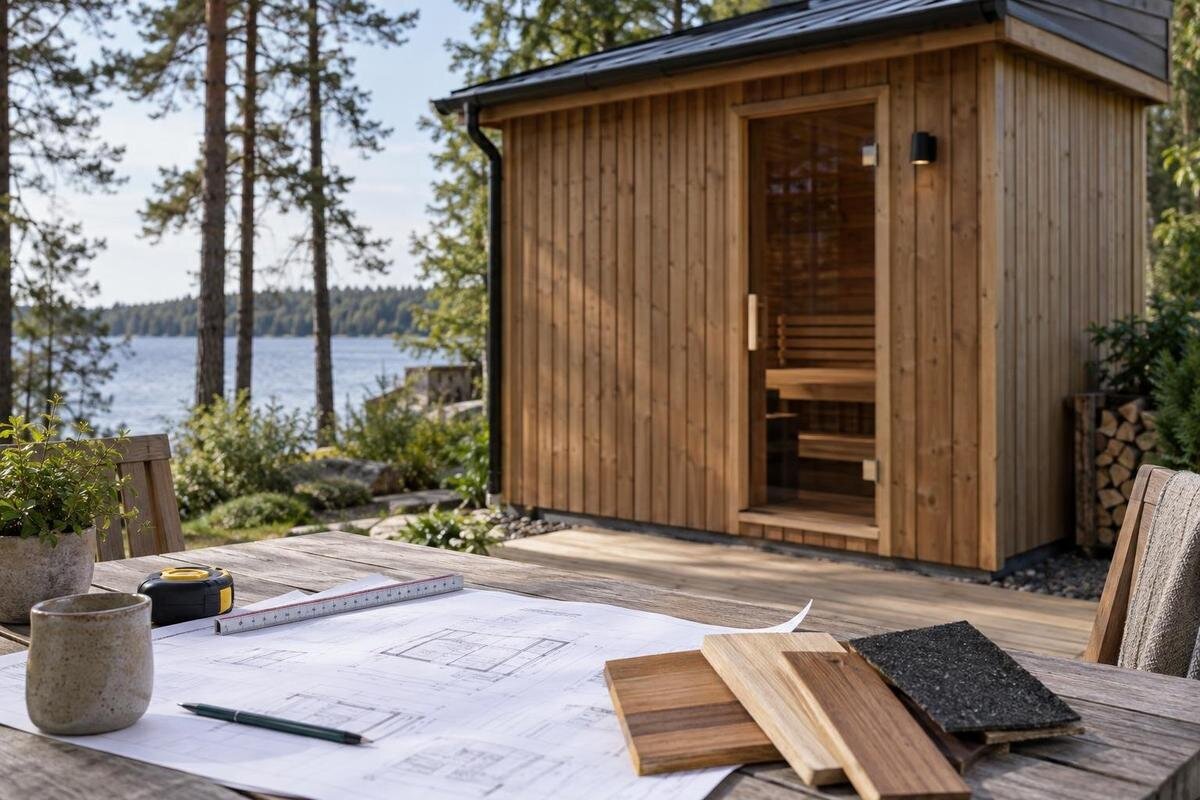
Outdoor sauna planning
An outdoor sauna project has more stages than choosing a model and arranging delivery. If you have a season or date in mind for your first session, plan backwards: check the proposed site, find out whether approvals apply, prepare the base and services, and confirm the supplier’s current manufacture and delivery schedule. The order matters. An outstanding approval question, unfinished access route or unconfirmed service connection can delay installation even if the unit has arrived. This guide explains how to coordinate the stages without assuming a standard lead time or a guaranteed delivery date.
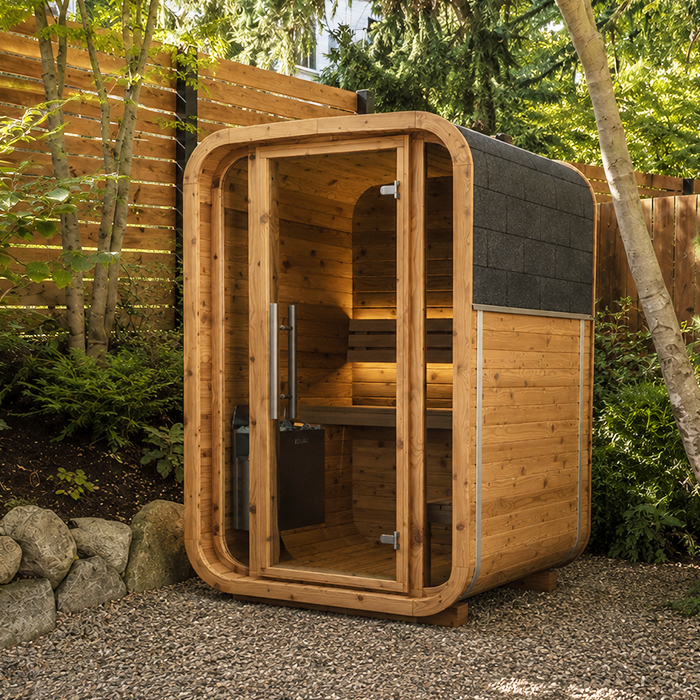
Set a first-use window before choosing an order date
Set the first-use window before choosing an order date. A preferred season gives you a planning anchor; a gathering or holiday date is less flexible and needs extra contingency. Work backwards from when the sauna must be ready, not simply when it reaches your property. Include delivery, assembly, any service connections, checks and handover, then allow time to resolve questions between stages. An order confirmation alone does not complete those tasks. Write the required finish point beside each dependency and mark which dates can move. If a particular date matters, put site readiness and commissioning on the timeline from the outset, not after you receive an arrival estimate.
Keep three dates separate in your notes: when you would like to begin using the sauna, the supplier’s current dispatch or delivery estimate, and the date your site will be ready to receive and install it. These may not line up. Name the exact model and configuration in your timing enquiry; a product page identifies an option but does not establish its current availability or schedule. If your shortlist includes the LCF-300 listing, ask what estimate applies to that order and which milestone it covers. Record when the estimate was given, then revisit it as dependent bookings approach.
Get a current lead-time estimate for the exact order
Ask for a current lead-time estimate before setting dependent bookings. Clarify what starts the clock: order acceptance, payment, final confirmation of the configuration, or another milestone. Ask which stages the estimate covers, because manufacture, dispatch, transit and delivery can be separate parts of a schedule. Find out whether the timing depends on stock status, production scheduling, destination or the configuration you choose. These are questions to put to the supplier, not assumptions about how a particular order is handled. A broad estimate for a product category may not answer when your own order is likely to arrive.
Also ask how the supplier will update you, how much notice it expects to give before delivery, and what happens if the date shifts. If you are enquiring about the S-140 model page, use that exact name when asking for current timing; the page itself is not a promise about stock, manufacture or arrival. If a firm date is not yet available, ask when the next update is expected and keep flexible tasks provisional. Save the response with the order details, so the people arranging the base, services and access are working from the same information.
Check permissions and property constraints early
Before settling on a location or committing to an order, identify who needs to be involved in approving the proposal. Ask your local council whether the planned structure, location, heater choice or connections need approval, and what information it would need to advise you. If the property is rented or shared, check with the landowner, body corporate or other relevant decision-maker as well. A simple site sketch and the supplier’s current product drawings can make questions more specific than a product photo or a verbal description.
Ask whether there may be conditions relating to boundaries, height, smoke, noise, drainage or fire, rather than assuming that a neighbour’s setup answers the question for your property. The relevant issues depend on the site and the exact proposal. For any option you are considering, such as the HC-150 listing, request the current installation documents from the supplier and share the relevant details with the council or a qualified adviser. If the heater affects electrical work or involves a flue, ask an appropriately qualified professional what needs to be considered. Put unanswered approval questions on the project timeline.
Measure the site and the full delivery route
Measure the proposed spot and check it against the drawing for the exact model and configuration. Allow for the access, assembly and operating space specified in the manufacturer’s documents; do not infer clearances from a product photograph or name. Note the ground’s slope and firmness, water runoff, nearby trees, fences and walls, and the route people will use to reach the sauna. The location needs to work both for installation and for everyday access. If the HC-225 model page is on your shortlist, use its exact name when requesting the current dimensions and siting guidance.
Walk the delivery route from the vehicle’s stopping point to the intended location. Measure gates, turns and path widths, and note steps, steep sections, soft lawn, overhead branches or cables, and any parking or unloading limits. Ask the supplier or carrier about package dimensions, unloading arrangements and whether delivery is to the roadside or the final site. Confirm whether assembly is included rather than assuming the carrier can move the unit through a narrow route. Send measurements and photos with your enquiry, and agree on a workable plan before confirming a delivery date.
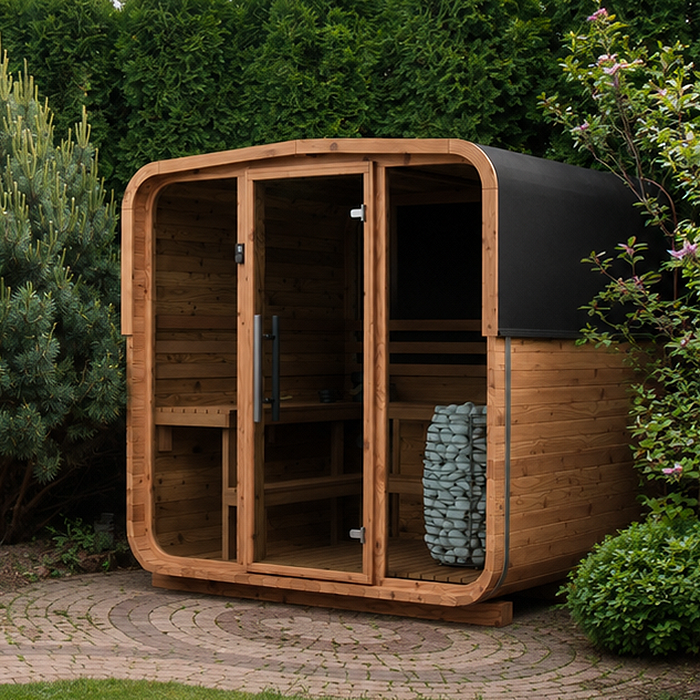
Complete the base and service preparation
Plan base work from the manufacturer’s current drawings and installation instructions, together with advice based on the actual site. Requirements for support, levelling and other preparation depend on the selected sauna and ground conditions; do not use a generic online sketch to decide whether an existing paved area is suitable. Give the documents to the builder or landscaper before they quote. If you have selected the N-210 listing, use that model name when requesting the relevant information. Confirm the required footprint and finished levels before pouring, paving or fixing a service route in place.
Coordinate base work with drainage, landscaping and any services so one trade does not cover an area another still needs to access. If the heater involves an electrical supply, give its current documentation to a qualified electrician to confirm the work required. For a flued or solid-fuel setup, ask an appropriately qualified installer and the relevant authority what applies; do not rely on general instructions for installation details. Confirm who is responsible for each connection and any required checks. Put the work in sequence with delivery, and ask each contractor what needs to be finished before the next visit can take place.
Confirm the model, configuration and inclusions
Choose a configuration that fits the site and how you expect to use the sauna. Consider how many people may use it at once, available space, access, entry orientation and heater choice, then check each point against the current drawings and documents. A product image cannot confirm dimensions, occupancy or what is supplied with an order. Request the drawing for the exact variant, the installation and operating instructions, and a written list of what is included and optional. If the N-250 model page is on your shortlist, treat its name as an identifier, then confirm the configuration and requirements with the supplier.
Make the order description specific enough for the supplier, installer and delivery team to refer to the same setup. Record the exact model and variant, whether the heater is included or separate, any selected accessories, what assembly or connection work is included, and what is excluded. Ask which documents match that configuration and whether a change could affect the schedule. Before finalising the order details, compare the supplied drawing with the site plan and planned access route. Keep the confirmed order information together rather than relying on a screenshot, so contractors are not working from an outdated option.
Coordinate installers and service connections
Once the supplier’s documents are available, arrange any relevant trades around the actual scope. Depending on the chosen sauna and heater, you may need advice or work from an electrician, builder, installer, landscaper or transport provider. Ask the supplier who is responsible for assembly, connections and commissioning, and which tasks sit outside the order. If you are considering the LC-260 listing, include the exact configuration in your enquiry and request the documents the relevant installer or electrician should use. Give each contractor the same current plan and agree who will handle technical questions.
Build a dependency order rather than booking every visit as if the tasks were independent. Permission answers can affect the location; confirmed dimensions and installation requirements inform the site work; and a ready route and site affect delivery and commissioning. Ask contractors about their own availability and what they need before confirming a date, then update them if the supplier’s schedule changes. Name one person to maintain the timeline and share changes. Record who clears the site, receives the delivery, arranges assembly and confirms service work, so an important responsibility does not fall between the supplier and contractors.
Plan delivery, unloading and the handover
Before confirming delivery, check the date, address, contact person, access notes, unloading plan and delivery inclusions. Ask whether someone needs to be present, how much notice the carrier will give and what to do if the route is blocked or the site is not ready. If the HCF-300 product page is your reference, ask for delivery and assembly details for the exact order rather than inferring them from a photo. If delivery could happen before the site is ready, ask the supplier for any storage requirements and whether the proposed timing is workable.
Keep the agreed route and work area clear, and make sure the carrier or installer has the access information you provided. A delivery booking does not automatically include moving the sauna across the property or assembling it. When the order arrives, compare the paperwork and supplied components with what was agreed, and report any discrepancy through the supplier’s process. Keep the manuals available and follow the maker’s instructions for handling or protection. Confirm who completes assembly and connections, and how completion will be handed over. Schedule commissioning once the site, people and required services are ready.
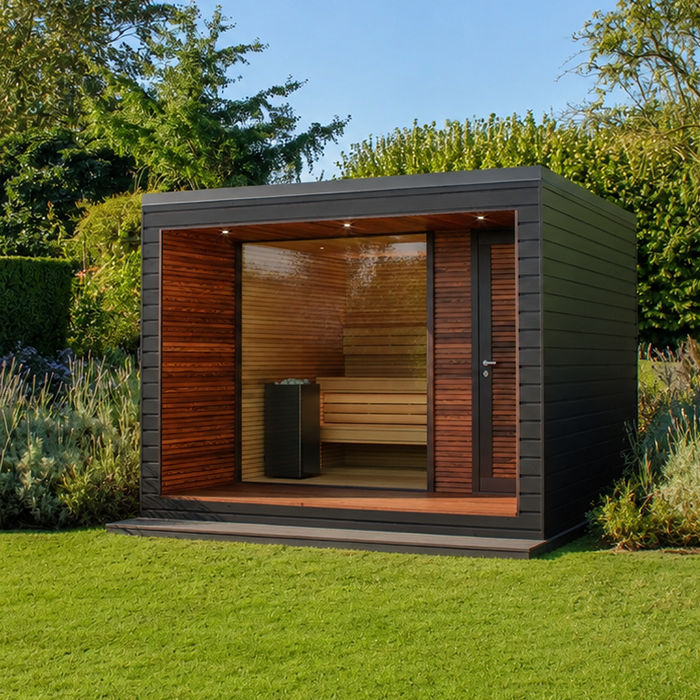
Allow time for delays and changes
Build contingency by separating tasks you can organise from points where you are waiting on someone else. You may be able to gather drawings or arrange a site visit early, while an approval response, contractor availability, changed ground conditions, production schedule or transport plan may take longer than expected. Avoid adding an arbitrary number of weeks as though it were a guarantee. Ask each provider what uncertainty remains and choose a first-use window that can absorb some movement. If you have a fixed event, make clear that the date is a target and decide what you will do if the sauna is not ready.
Review the schedule whenever an important detail changes: model, heater, final location, access route or service plan. Before changing something already agreed, check with the supplier and relevant professional whether the drawings, base, connections, approval advice or delivery plan need to be reviewed. Keep a simple record of each decision, who owns it and when it is due, alongside the date each estimate was confirmed. This helps prevent different trades working to different versions. If timing slips, protect the order of the work rather than rushing an unfinished base, connection or check to preserve a social booking.
Commissioning and readiness for the first session
Delivery is not the same as readiness for use. Agree in advance who will assemble, connect and check the sauna and heater, and ask what the manufacturer or installer regards as complete commissioning. At handover, obtain the operating and care instructions for the exact configuration and ask the installer to explain the controls and any relevant points about the work completed. If electrical or combustion work is involved, use an appropriately qualified professional; do not rely on a general article for installation or testing instructions. Wait for the responsible people to confirm that the required work and checks are complete.
Leave time between commissioning and the first planned session rather than treating delivery day as the finish line. Follow the manufacturer’s startup, operating and maintenance instructions, and resolve questions with the supplier or installer before use. Check that the agreed site work and services are finished, the documents are available and the sauna is ready as installed. Keep any outstanding item visible in the schedule; a delayed first session is better than skipping a check. A timeline that includes commissioning and handover gives you a more realistic first-use date and a clear record of what has been completed.
Frequently asked questions
How far in advance should I order an outdoor sauna?
There is no reliable universal lead time. Ask the supplier for a current estimate for your exact model, configuration and destination, then add the time needed for any approvals, site work, service connections and commissioning. Reconfirm the dates before booking work that depends on delivery.
Can I order before the site is ready?
The order and site preparation may be able to progress in parallel, but check the supplier’s terms and schedule first. Get the current drawings and delivery requirements, confirm when the sauna can be received, and make sure unresolved site or permission questions will not change the chosen location.
Do I need approval to install an outdoor sauna?
That depends on the property, proposed location and sauna configuration. Ask your local council what approvals or information may apply, and check with the landowner or relevant body corporate if the property is rented or shared. Do this before treating the site plan as final.
What can delay an outdoor sauna project?
Possible hold-ups include unanswered approval questions, missing installation documents, site work that is not finished, contractor availability, changes to the model or location, and delivery access that has not been confirmed. Identify which of these apply to your project and give each one an owner and a review date.
Can I use the sauna as soon as it is delivered?
Delivery does not confirm that assembly, connections and commissioning are complete. Follow the manufacturer’s instructions for the exact configuration and wait until the responsible installer has confirmed that the required work and checks are finished. Resolve any outstanding questions before planning the first session.
The best time to order depends on how the supplier’s current schedule fits with the work needed at your property. Choose a realistic first-use window and work backwards through commissioning, delivery, services, site preparation and any approvals. Keep those stages in one written schedule, and review it when the configuration or site conditions change. That gives you room to respond to delays without confusing arrival with readiness, so your first session follows a completed installation rather than just a delivery.
