
Choosing an Outdoor Sauna for Long, Cold Winters
Outdoor sauna planning
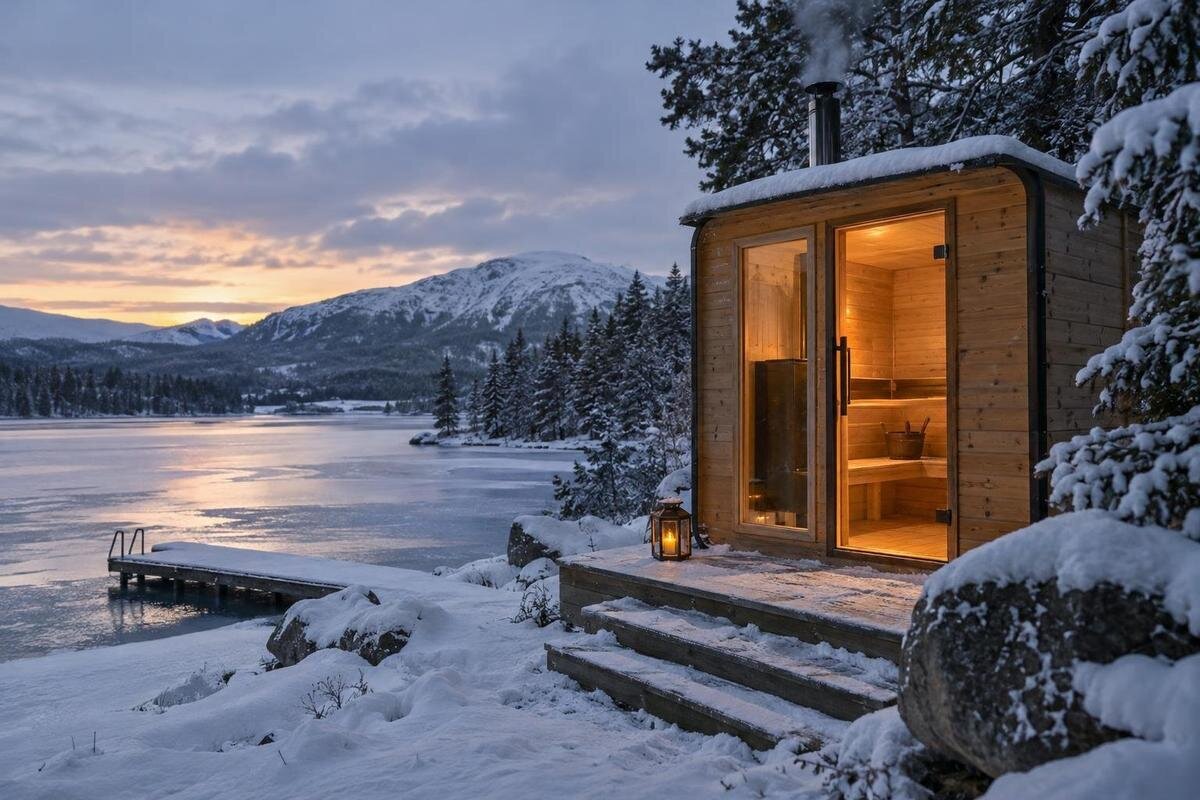
Choosing an outdoor sauna for a long, cold winter is a whole-site decision. The cabin needs documented limits that match its setting, while the base, weather protection, heater configuration and route to the door all need to work through the same conditions. Frost, snow, wind, rain and darkness can expose problems that a summer viewing will miss. Compare the exact model and installation documents with your site; “outdoor” or a timber name is not proof of winter performance. Establish what the manufacturer confirms, what the package includes and what you can maintain when access is difficult.
01
Confirm the model’s documented winter limits
Start with current operating information for the exact cabin-and-heater configuration. Look for the manufacturer’s stated outdoor-use conditions, any minimum or maximum ambient limits, exposure restrictions and instructions for starting or operating it in cold weather. Ask for details that apply to the version you are considering, rather than relying on broad “winter-ready” wording. If the documents leave an important limit unclear, ask the supplier to confirm it in writing. Check whether conditions refer to normal operation, installation or storage; these are different questions. The aim is to match the specified setup to likely conditions at your site.
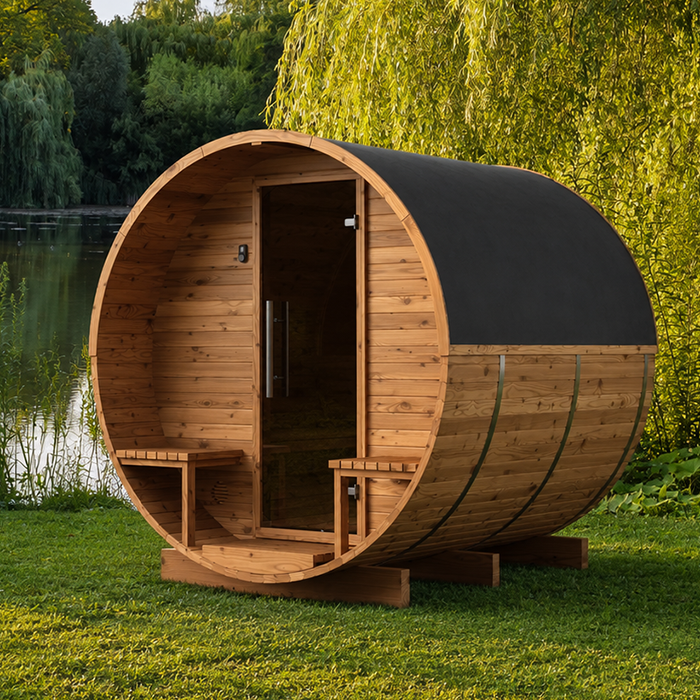
Keep the cabin, heater, controls and optional components together when requesting advice, because changing one may change the setup under review. For Thermowood Barrel Sauna HC-225, request the matching manual and installation instructions, then distinguish guidance for a cold start from guidance for a cabin already in use. Ask whether cold-start information assumes particular outside conditions or a specific start-up procedure, and whether optional changes affect the stated limits. Describe whether you expect regular use throughout winter or occasional use after long idle periods, so the supplier can address the relevant instructions. Record any preparation required before starting and who will carry it out. If the supplier cannot provide model-specific information, leave that point unresolved rather than borrowing limits from another model in the range. This gives you a clearer basis for judging whether the operating routine will be practical for your household.
Read the construction and inclusions together
Ask for a dimensioned drawing and a component schedule, not just a timber label or marketing description. The documents should identify the cabin’s wall, roof and floor construction; the door and any glazing; joints and seals; and the finish on exposed surfaces. They should also say whether insulation, flooring, roof covering, heater and controls are included, optional or supplied separately. A name such as “thermowood” does not, by itself, define insulation, joint treatment or resistance to wind-driven rain and snow. Request published construction details where available, and check that they describe the assembled cabin.
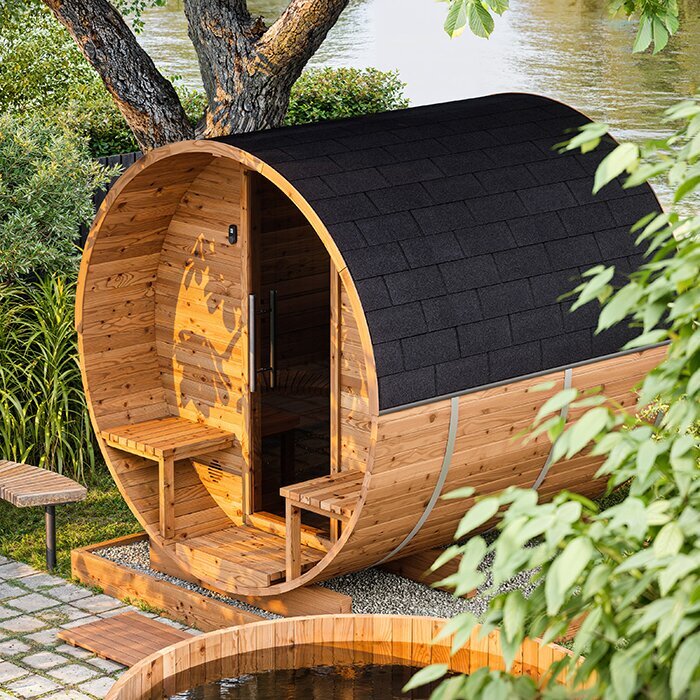
Use the product page for Thermowood Barrel Sauna N-210 to identify the version you want to compare, then work through its drawings and inclusions item by item. Pay attention to how exposed joints are finished, whether a roof covering is part of the package, what sealing steps assembly requires, and which surfaces need treatment. Separate factory-completed work from tasks left for assembly on site: a component being supplied does not necessarily mean it arrives fitted. Ask who supplies anything not included and whether the instructions specify a particular component. Record each outstanding item against the person supplying or fitting it, rather than leaving a general allowance for unspecified extras. A photograph may not show every item in a package. Before comparing quotations, make sure each covers the same stage of completion, including the finishing work needed before the cabin can be used.
02
Check insulation, air leakage and heat retention
Insulation, air sealing and weatherproofing answer different questions. Ask whether the exact cabin has insulation in its walls, roof and floor, where it sits in the construction, and whether the manufacturer describes the design as insulated or uses another approach. Request any published thermal figures with their definitions and test conditions; a number without the assembly it describes is difficult to compare. Check how the door, glazing, corners and service openings are treated, as well as how ventilation is specified. A detailed description of the main walls alone may not explain the performance of the whole room.
Ask for expected warm-up and temperature-recovery information for the precise cabin and compatible heater, with outside starting conditions similar to those at your site. A heater’s headline rating alone does not establish performance in a different room or configuration, and information based on mild weather may not apply to a cold start. When comparing Thermowood Barrel Sauna N-250 with another model, note the starting conditions, heater and cabin options alongside any quoted warm-up time. Distinguish initial heating from recovery during use, rather than treating the two as interchangeable. If the available figures describe different conditions, ask the supplier to explain the comparison instead of ranking the cabins by the shortest time. Also consider how the stated preparation time fits when you normally intend to use the sauna. Keep ventilation and openings as specified rather than blocking them to retain heat, and ask how the recommended setup balances airflow with heat retention.
Assess the roof and exterior weather protection
Cold-season protection means more than a roof that looks substantial. Ask what roof covering is supplied, how the manufacturer expects roof and wall joints, door seals and any glazing to be finished, and how exposed edges or penetrations are protected. Request the stated wind and snow exposure limits for the complete model; do not calculate them from the cabin’s shape or assume a particular profile sheds every load. If your site is exposed or regularly receives snow or strong gusts, have a qualified installer or appropriate building professional confirm whether the documented installation suits it.
Include your proposed position in the conversation with the supplier: wind exposure and roof runoff can affect different parts of the site. Check where water will go when rain turns to sleet or snow melts, and whether it could collect at the entry or around the base. Sketch the cabin, nearby boundaries and approach together so you can discuss runoff without overlooking the route to the door. Where snow clearing is relevant, identify somewhere to put cleared snow without obstructing access or inspection points. For Thermally Modified Wood Barrel Sauna LC-260, use the current instructions to confirm permitted covers, maintenance and snow-clearing guidance; do not add a cover on guesswork. Ask which exterior areas need to remain accessible and allow for reaching them from the ground where appropriate. Plan to inspect exposed areas safely after rough weather, without climbing onto or altering an unverified structure.
03
Choose a base for the actual ground conditions
Winter changes how a site behaves: saturated ground, frost and thawing water can affect support and drainage, but there is no single foundation that suits every plot. Ask the sauna manufacturer for its base-preparation drawing, levelling requirements, support arrangement, anchoring details and any clearance beneath the cabin. Have a qualified local installer assess the actual soil, slope, existing paving and water flow. A sloping garden does not automatically call for one particular foundation; the base needs to suit both the site and the manufacturer’s design.
Compare the base drawing with the measured footprint and access around the cabin, not just a product-page area figure. Walk the proposed spot after rain or during a thaw to see where water collects, then consider how snow clearing will expose the path and base. For Sauna HCF-300, use its own dimensioned installation information rather than assuming another sauna’s supports are interchangeable. Keep the cabin footprint, support positions and surrounding working space distinct on your site sketch; they answer different layout questions. Note existing paving edges and changes in ground level for the installer to assess. Before work starts, agree who will check the completed base against the manufacturer’s requirements and when that check will happen. If ground movement, fill or drainage is uncertain, ask an appropriately qualified professional to resolve it before preparing the site; do not improvise a footing from a generic diagram.
Match the heater and services to the cabin
Treat the cabin and heater as one specified system. Ask the manufacturer or supplier which heater models and controls are compatible with the exact cabin, whether the chosen configuration meets its documented cold-weather limits, and what is included or optional. Confirm the specified supply and site requirements using current documents; do not infer them from a product name or from another model. If you are considering different heater types, ask whether each is supported for that cabin and what additional components or installation conditions apply.
Have a qualified electrician assess the electrical supply and a qualified heater installer review the installation, including equipment location and any necessary clearances. Ask how controls and other components are meant to be protected from outdoor exposure, following the manufacturer’s instructions rather than devising a solution on site. For Thermowood Barrel Sauna LCF-300, confirm whether a heater is included, optional or supplied separately, and identify who is responsible for supplying compatible controls and accessories. Keep these items recorded as one configuration so separate product information cannot be confused. Where different suppliers are involved, make sure their quotations refer to the same cabin and heater options. Clarify which work belongs to cabin assembly and which belongs to the specialist installation, including the checks and handover each provider will complete. Refer any later equipment changes back to the relevant suppliers before treating the revised package as equivalent.
04
Plan a safe, usable winter route
Plan the route to the door for the coldest, wettest conditions you expect, not just for a dry afternoon. Note steps, shaded paving, slopes, gates, corners and places where meltwater may refreeze. Allow room to clear snow and keep the route usable without tracking unnecessary ice or slush into the cabin. Consider lighting at the approach, a dry place for footwear and towels, and whether users can reach the sauna without crossing a poorly drained or exposed patch. These details affect everyday use and are easier to plan before the cabin is positioned.
Use the exact door position, swing and external dimensions shown in the manufacturer’s drawing when setting out the cabin and path. For Thermowood Barrel Sauna S-140, mark the door opening and landing as well as the cabin footprint, then walk the approach as you expect to use it in winter. Consider where someone will stand while opening the door and where footwear can be left without narrowing the route. Confirm that the door can open fully without meeting a fence, snow bank or stored equipment, and keep the entry clear while the path is being maintained. Check nearby gates as part of the same route rather than considering the sauna door in isolation. Have outdoor lighting or electrical work assessed and installed by a qualified electrician. Keep the approach manageable for whoever will clear it, including after dark, and allow access to the equipment they will need.
Understand cold-season maintenance
Winter readiness includes a maintenance plan for exposed surfaces and moving parts. Ask the manufacturer what inspections are needed for the roof, joints, finish, door seals, fasteners and any weather-exposed equipment, and which cleaning or protective products are permitted. Clarify the care intervals stated in the manual, whether repairs require a particular material, and when a supplier or installer should assess damage. Do not assume a treatment suitable for ordinary outdoor timber is appropriate for every sauna surface or for surfaces near the heated interior.
Ask how the manufacturer wants the cabin left during periods when it is not being used, including instructions for drying after use and maintaining ventilation. Follow that guidance rather than sealing vents or adding a cover on guesswork. For Thermowood Barrel Sauna HC-150, request care instructions for the exact finish and configuration, then separate after-use tasks from periodic inspections and longer shutdown procedures. This helps you judge the commitment involved without assuming that every task is needed after every session. Keep the exterior accessible for checks after snow, wind or prolonged rain, and consider whether routine upkeep will remain practical when the ground is cold or wet. Decide where approved care supplies will be stored and who will carry out the work during extended absences. Keep a simple record of inspections and repairs so an unresolved issue is not forgotten between occasional winter visits.
05
Compare cabin space from dimensioned drawings
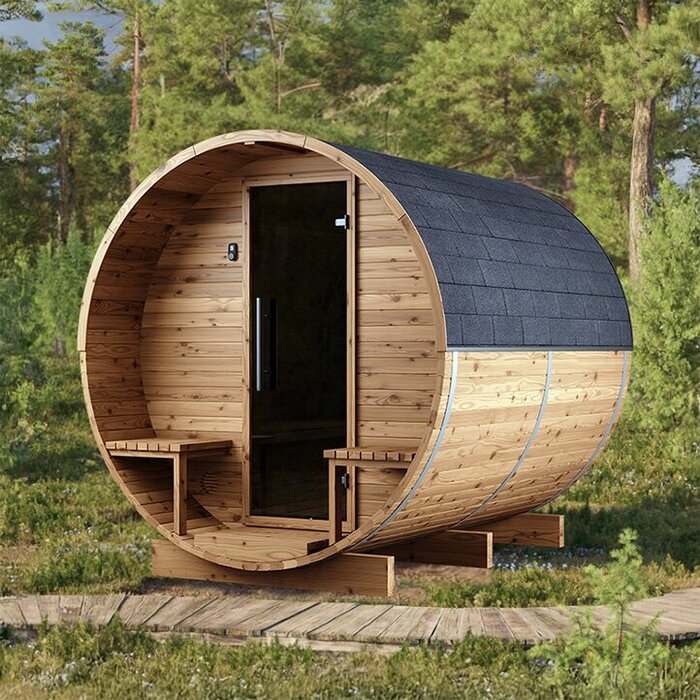
Compare usable interior space from measured drawings, not a single area figure or a broad seat-count claim. Check the external footprint against the base, then compare internal dimensions, bench length and depth, headroom, door opening and the room needed to enter and sit. Winter routines can involve bulky clothing and wet footwear; decide where these will go before choosing a cabin, because storing them inside may not suit the manufacturer’s instructions. Think about the usual number of users and how they will move between benches, rather than choosing only by the largest advertised capacity.
Compare like with like: use the same heater configuration, glazing, floor, ventilation and optional items wherever models offer choices, so the documents refer to the same build. Mark the proposed footprint on the ground and check the approach and door space alongside it. Leave room for entry, maintenance and snow clearing while keeping the manufacturer’s required clearances. A separate sheltered place to change may be part of the wider site plan, but it is not part of the sauna unless the listing says it is included. Confirm what any area figure measures before using it in a layout.
Check delivery access and unresolved site questions
Check delivery and assembly access before ordering, especially if the route to the site narrows or becomes slippery in winter. Ask the supplier for the dimensions and weights of delivered parts, the largest component, the planned assembly method and the space needed to unload and work. The finished cabin dimensions do not describe the package. Compare the information with gates, corners, steps, overhead obstructions and the available turning or staging area. Find out what needs to be ready at the site before the delivery or assembly date, and where components can be kept dry if installation is delayed.
Bring the decision together in one model-specific file: operating limits, current drawings, construction details, heater compatibility, base requirements, inclusions and maintenance instructions. Record who is confirming ground support, services and any approvals that may apply to the property, and keep unresolved questions visible. This makes comparisons fairer and stops a winter claim, photograph or generic manual standing in for evidence about the exact configuration. If important conditions cannot be confirmed, pause the choice until they can.
Frequently asked questions
Does an outdoor sauna automatically suit a long, cold winter?
No. “Outdoor” does not establish a model’s temperature limits, weather protection or suitability for your site. Check the manufacturer’s information for the exact cabin and heater configuration, then assess the base, exposure and access in winter conditions.
Does thermowood or a barrel shape mean the sauna is insulated?
No. A material or shape description does not explain the wall, roof and floor build-up, insulation or seals. Ask for construction drawings and the manufacturer’s description of the exact model rather than inferring heat retention from its name.
What cold-weather information should I request?
Ask for the stated operating and exposure limits, any relevant ambient conditions, and cold-start or warm-up information for the specified cabin and compatible heater. Check the assumptions behind those details and whether they apply to the options you intend to order.
Can I choose one standard base for frost-prone ground?
There is no universal base for every site. Get the manufacturer’s base requirements and have a qualified local professional assess the actual ground, drainage and slope. Frost, thawing water and existing paving can affect what is appropriate.
How should winter access influence the sauna’s location?
Plan the route, door swing and landing for wet, dark or icy conditions. Check where water may collect or refreeze, how snow will be cleared, and whether the path can stay clear without blocking entry or maintenance access.
For a long, cold winter, the strongest choice is the model whose documented limits match the site and whose base, exterior protection, heater setup and everyday route can all be managed in poor weather. When those details are clear for the exact configuration, the decision rests on a planned installation rather than assumptions about a product name or a winter-ready claim.
