
Ready-Made Sauna or Self-Built: Which Route Suits You?
SAUNA BUYING GUIDE
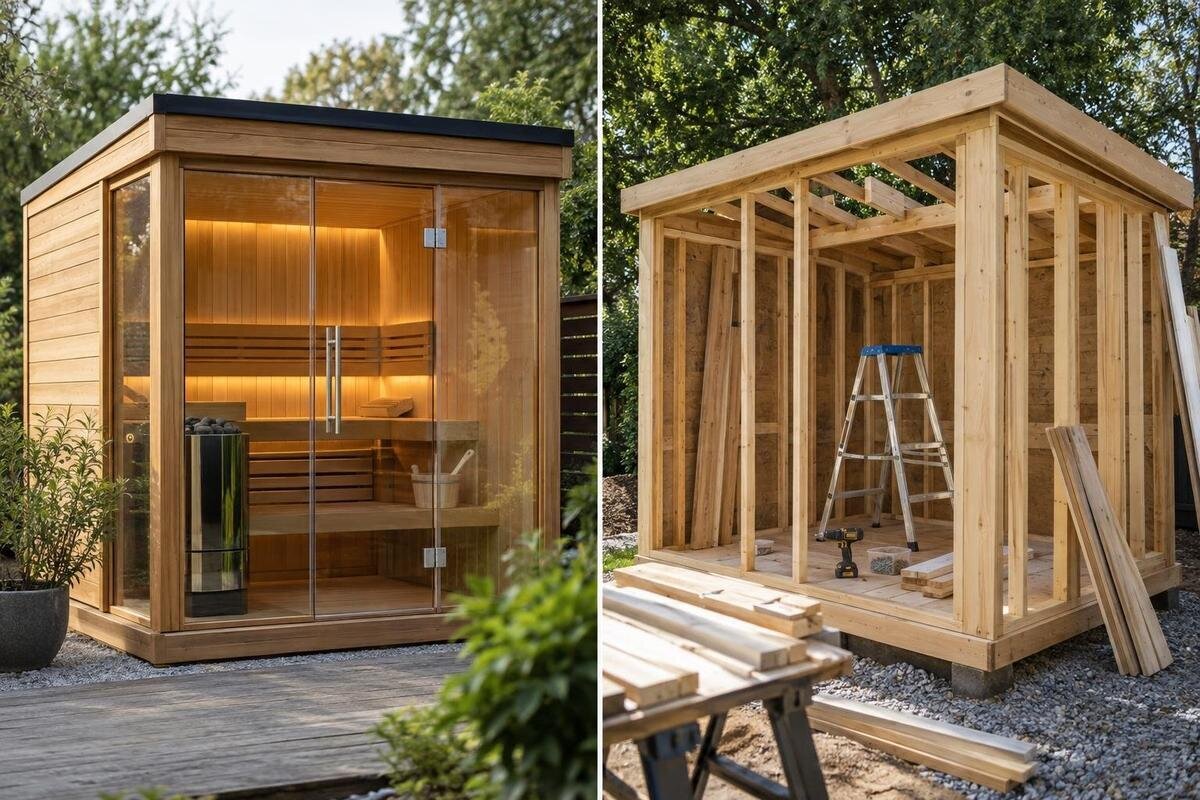
Choosing a sauna as a ready-made product or building one from scratch changes more than who uses the tools. It affects design freedom, material sourcing, project time and who is responsible for checking that all parts of the job fit together. A defined product can make the scope easier to understand, but it still needs checking against your site and the supplier’s actual inclusions. A self-built sauna allows more control, while putting design, procurement and coordination on you or the people you appoint. This guide compares those routes and separates them from assembling a supplied kit.
What ready-made and self-built mean for a sauna
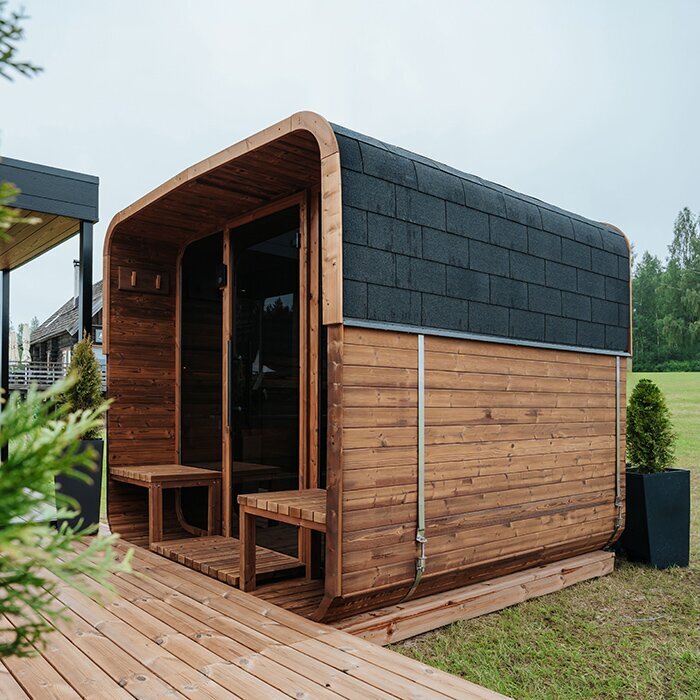
In this comparison, ready-made means choosing a sauna offered as a defined design, rather than preparing a one-off design and sourcing its components independently. It describes how the design is selected, not necessarily how the product arrives. A defined product may still require site preparation, assembly, connection of equipment or professional installation; the current listing and written quote need to say what is supplied. Self-built means you take responsibility for planning and procuring a custom build, whether you do the physical work yourself or hire trades. A catalogue item such as Sauna LCF-300 gives you a concrete model to ask about, but the name alone does not establish its delivery format, inclusions or suitability for your property.
A third path is a supplied kit: a pre-specified package, commonly with components for the buyer to assemble. Its exact contents vary, but it is not the same as starting with a blank design and buying each item separately. Write down which path a quote describes and who supplies drawings, materials, equipment, transport and assembly. If you expect a sauna to arrive assembled or an installation service to be included, say so and confirm it. Otherwise, a product price may omit stages covered in an independent-build estimate. This scope check also reveals whether your main contribution is choosing, coordinating, physically building or arranging the remaining work.
How much design control do you want?
With a ready-made design, you begin with a form and set of options already defined by its supplier. Ask which choices can be made—such as layout, openings, finishes or equipment—and which are fixed; never assume a photograph shows every option. That boundary can suit you if the documented design works for your intended use and you prefer not to create a specification from scratch. It may be restrictive if your site has unusual dimensions or you need a particular entrance or seating arrangement. Compare the S-140 catalogue page with your written brief, and request the drawing and configuration that would actually be supplied rather than judging from the product name.
An independent build gives you more say over those decisions, but every custom choice must be translated into a coordinated plan. List who will use the sauna, the preferred access and layout, and the site's constraints; then have a competent designer prepare or review the design. Separate essential requirements from preferences that can change. A written brief reduces the risk of ordering materials around an early idea that is later revised. More freedom is useful only if you have time and support to resolve the resulting details before work begins. You do not have to make every technical decision personally, but you do need to agree who will make and check them.
Check the site before choosing a design
Distinguish the place where the sauna will sit from the route used to get it there. Check the available space against a supplier's actual drawing, then note gates, paths, turns, overhead obstructions and ground access that could affect delivery of a complete unit or separate parts. Consider neighbouring doors and windows, privacy, weather exposure and where water drains; these are prompts for a site review, not details to infer from a photograph. For a listing such as HC-150, ask for the relevant drawing and site requirements before judging whether the design can fit. Also check whether there is room for any temporary storage or assembly that the delivery format requires.
With a self-built sauna, site constraints need to feed into the design before you order materials. Ask the designer or supplier about requirements for support, drainage, separation from other structures and any services, then have site-specific questions checked by an appropriately qualified professional. Electrical and fire-related work needs suitable professional input; do not improvise from a generic plan. If planning or other local requirements might apply, check with the relevant council or a qualified adviser for this site. The aim is not to assume an obstacle rules out either route, but to identify checks that need time and budget before you commit.
Who sources and checks the materials?
Independent sourcing expands your choice but also makes compatibility and documentation your responsibility. A sauna build may involve timber and finishes, benches, door hardware, insulation or lining, fasteners and heating equipment, with the required combination determined by its design. Set the specification before requesting quotes: record what each item must match, the quantity and who confirms compatibility. To compare this with a defined product such as Sauna HC-225, use its written list of inclusions to identify which components you would still need to source yourself. Use supplier documentation and advice from suitably qualified people for choices that affect safety or performance, particularly heating equipment and services.
Buying from several suppliers can mean separate delivery windows, substitutions and paperwork to track. Keep a materials schedule linked to the drawing, identify who approves changes, and check lead times before fixing a build sequence. Store items as their suppliers direct, and ask whether a change to one component affects the rest of the design. A ready-made route may reduce the number of sourcing decisions, but you still need an itemised list of what is included and what must be purchased separately. That distinction matters more than the label: a defined product scope and a custom materials list are comparable only when both cover the same elements.
Allow for the whole project timeline
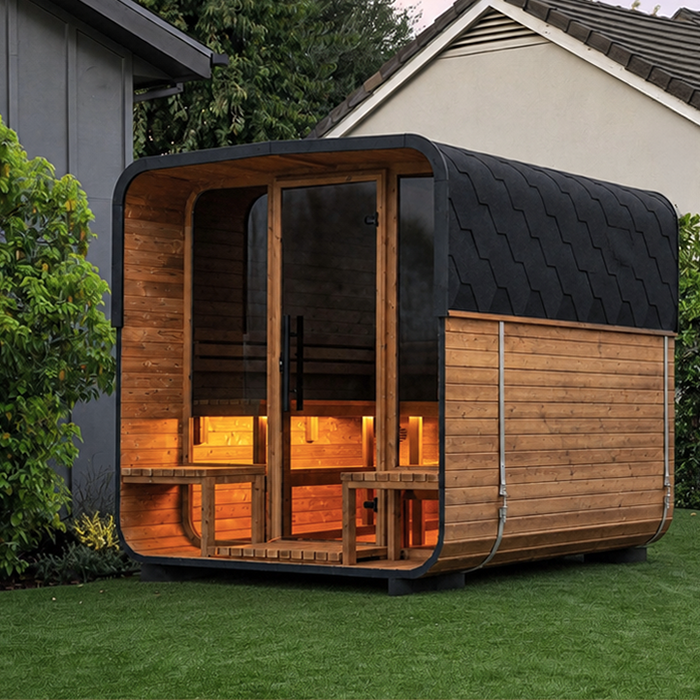
Ready-made does not mean instant. Selecting a documented design can reduce the time spent developing a specification and contacting multiple suppliers, but availability, transport, site preparation, assembly and any services still sit on the project calendar. For a model such as N-210, ask for the current lead time for the exact configuration and which stages the supplier will undertake. Check when the quoted timeframe starts, what information or decisions are needed from you, and whether delivery depends on site readiness. A product page is not a delivery or installation promise, so make sure the timing is confirmed for your order.
A self-build has more stages to coordinate: define the brief, obtain a drawing, review it, price materials, confirm specialist input, place orders, prepare the site, construct and arrange checks. Some steps can overlap, but ordering before the design and component choices are settled can create changes, delays or wasted materials. The calendar may also be affected by supplier lead times, weather, access and the availability of people doing the work; no route has a universal completion time. Show which tasks must be completed before others can begin, and allow some time for changes. Then compare that schedule with the stages included in the supplier's offer.
Who carries each responsibility?
A ready-made purchase can define the sauna product without covering site work, assembly or service arrangements. Exactly where responsibility sits depends on the written scope, so ask who confirms the configuration, checks site fit, arranges transport, assembles the sauna and handles equipment connections. State the precise model—for example, N-250 sauna—when asking, so the answer refers to the same item and configuration. Put inclusions, exclusions, handovers and contact points in the quote or order documents. Also ask who to contact if a part is missing, a delivery question arises or the site is not ready as planned.
In an independent build, the owner or appointed project lead has to coordinate the designer, material suppliers and trades, even when none of the physical work is done personally. Someone must track drawing revisions, confirm that substitutions are accepted, sequence site access and know who is responsible for resolving a mismatch. Make these responsibilities explicit rather than leaving each supplier to assume another person is handling them. Agree who records changes, checks the completed work and manages handover, including passing on the final plans and instructions. Electrical or fire-related work and other safety-critical details still need to be handled or checked by appropriately qualified professionals; appointing a project lead does not replace that specialist input.
Compare the total project cost
Compare the whole project, not an advertised product figure against a rough list of materials. For either route, include design or drawings, transport, site preparation and support, assembly, equipment, professional advice, service connections, tools or hire, finishing, waste removal and an allowance for unresolved items. A self-build can involve separate deliveries or replacement purchases, while a ready-made quote may exclude work you assumed was covered. No saving should be assumed until the scopes match. Ask for written inclusions and exclusions, and mark any line that still needs a quote. This gives you a clearer view of the cost of the project without pretending one route always costs less.
Use the same assumptions for each option: intended layout, specification, site work, delivery point, installation level and specialist involvement. Then distinguish cash expenditure from the time you will spend researching, coordinating or building. Your own hours may not appear on an invoice, but they still compete with work and other commitments. If an independent design is necessary, include its review and revision stages rather than pricing only materials or equipment. When enquiring about the LC-260 listing, request a current itemised scope and confirm local availability and configuration; a product page is not a complete project quote.
How to assess the plans and finished work
Whichever route you choose, assess the plans alongside the exact proposed configuration. Useful documents may include a dimensioned drawing, component or equipment schedule, assembly or installation instructions, stated site requirements and maintenance guidance. Check that the drawing matches the quote and that the instructions cover any options or changes you have selected. For the HCF-300 sauna, ask which documents apply to the configuration being offered and use them to clarify any gaps in the supply details. The aim is to understand how the proposed sauna is specified and what remains to be resolved, rather than relying on presentation photographs to fill in missing information.
With a custom build, make design review and checks visible in the plan before construction starts. Agree who will approve the drawing, review the work at relevant stages and check specialist elements, then keep records of changes. Do not treat an attractive image or a general set of online plans as proof that a design fits your site or meets your project needs. A ready-made product is not automatically better built, and a self-built one is not automatically poor; the result depends on a suitable design, accurate scope, workmanship and appropriate professional checks. Ask how questions or defects will be handled under the actual agreement, without assuming particular support terms.
Keep the records needed for maintenance
Keep a project file whichever route you take: the final drawing, product or material descriptions, manuals, invoices, installation records, professional checks and any approved changes. This is especially valuable in an independent build, where information may arrive from separate suppliers and trades rather than in one pack. Label the final version so a future owner or repairer can distinguish it from superseded plans. If a component is replaced, record what changed and who advised on compatibility. A tidy record does not guarantee trouble-free use, but it gives you a reliable basis for asking a manufacturer or installer about maintenance and repairs.
Before committing, ask what ongoing care the design requires and where its instructions come from. A ready-made purchase may have product-specific guidance; for a custom build, collect advice from each component supplier and check that it is consistent with the design. Do not assume that a generic timber-care tip, a heater manual or a social-media recommendation covers the whole sauna. Confirm who you can contact for spare components or technical questions, and keep those details with the manuals. You can also note maintenance dates against the relevant instructions, without substituting a general schedule for the guidance that applies to your equipment and materials.
Which route fits your priorities?
Choose a ready-made design if a documented option appears to meet your needs and you prefer to spend less effort creating specifications, comparing separate components and coordinating procurement. It can suit a buyer comfortable with the design boundaries and willing to verify the precise inclusions, delivery format, site requirements and installation scope. Choose an independent build if you need a tailored layout or component plan and have the time, budget and support to develop and coordinate it. That support might come from a designer and qualified trades rather than your own hands; a custom project does not require doing every task yourself.
If both routes meet your essential requirements, compare the work each leaves you to manage. A defined product may still involve arranging site preparation and installation; an independent build also brings decisions about the drawing, components and coordination of suppliers. Consider which of those tasks you are comfortable handling and which you would pay someone else to manage. Be honest about how much uncertainty you can accommodate alongside your other commitments. Where an unanswered question could change the choice, resolve that question before ordering. The useful comparison is not simply how much you can do yourself, but how much of the project you want to take responsibility for.
Frequently asked questions
Does ready-made mean the sauna arrives fully assembled?
No. Ready-made describes a defined design, not necessarily its delivery or installation format. Ask whether it arrives assembled or in sections, what assembly is included, and whether site preparation or equipment connections are your responsibility.
Is a sauna kit the same as building from scratch?
No. A kit is a pre-specified package for assembly, though its contents vary. Building from scratch means taking on more of the design and component sourcing yourself. Check the actual scope, since the amount of customer work can differ.
Can building a sauna from scratch cost less?
It might, but there is no automatic saving. Compare design, materials, transport, site work, equipment, tools, qualified trades, waste and your own time. Get comparable written scopes before drawing a conclusion.
Which option takes less time?
There is no reliable standard timeframe. A defined design may reduce design and sourcing work, but supply, site preparation and installation still take time. A custom build adds planning and coordination stages. Ask for current lead times and a project-specific schedule.
Can I modify a ready-made sauna design?
That depends on the supplier and the design. Ask for written confirmation of permitted changes and the revised drawing or specification. Check how changes affect component compatibility, installation instructions and the support available for the modified configuration.
The better route is the one whose workload and decision-making fit your priorities, not the one with the more appealing label. A ready-made design can reduce design and sourcing work only when its documented scope fits; a self-built sauna offers more control but calls for more coordination and checking. Compare the same design needs, site work, supply format and professional input, then choose with a clear view of what remains yours to organise.
