
Reducing a Sauna Project Budget While Protecting Essentials
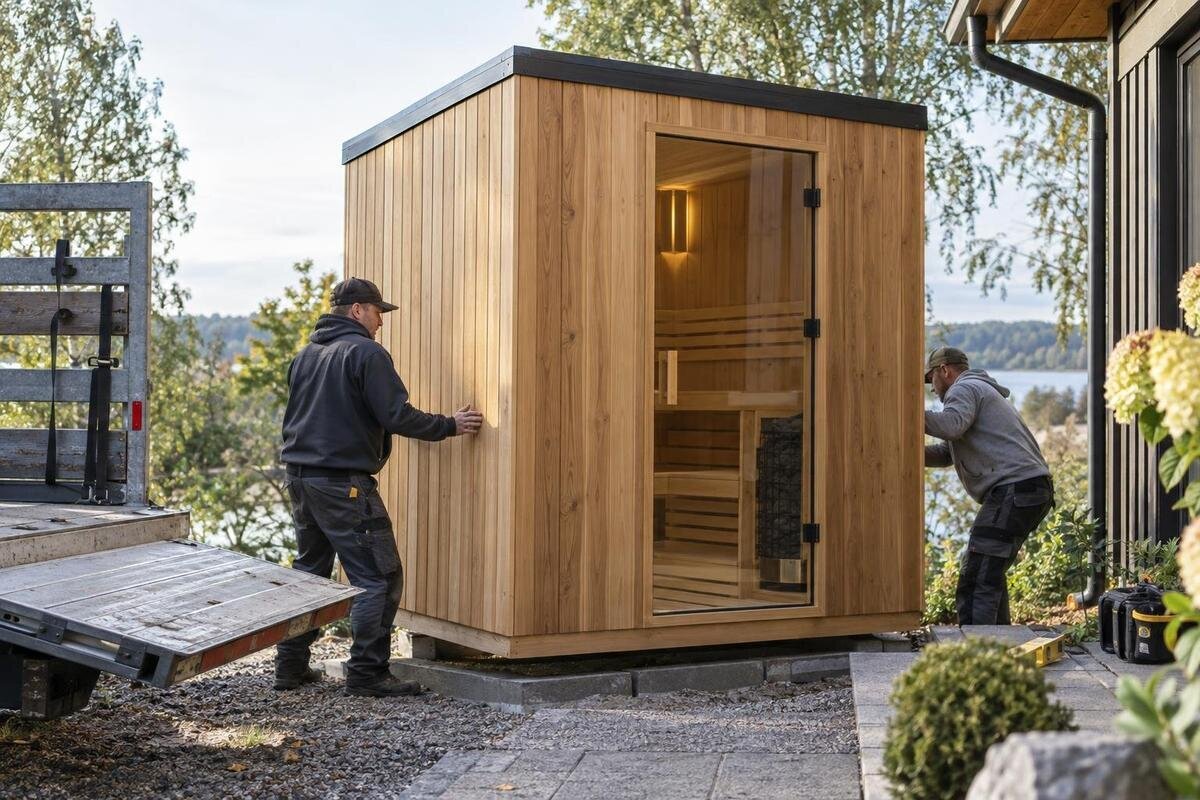
SAUNA PROJECT BUDGET
A sauna project is easier to budget when you distinguish choices that can change from provisions that make the finished installation suitable and safe. The most manageable savings usually come from a clearly defined scope, early site checks, a size that matches regular use, and optional finishes or extras. Keep electrical, structural, ventilation and fire-safety requirements in the baseline; have the relevant qualified professionals confirm what applies to the chosen model and site. Then compare offers on the same written basis so a low headline figure does not hide work left outside the budget.
01
Define the finished sauna project
Before setting a savings target, describe what the budget is meant to deliver. Record who will use the sauna, where it will sit, the configuration under consideration and what needs to be in place for the project to be usable. Separate the sauna package from site preparation and specialist work, then put optional surroundings such as landscaping or outdoor seating on their own lines. Decide whether you are costing a product alone or a completed project; do not leave that boundary as an unstated assumption. Note anything deliberately outside the budget, too, so it does not later appear to be included. A clear endpoint lets you compare quotes against the same brief and trace changes.
Build a cost map with each item labelled by its source and status: quoted, estimated, unconfirmed or optional. For every figure, note what it includes and who is responsible for confirming it; for anything unpriced, write the question and who can answer it instead of entering a convenient guess. Record assumptions such as the site being ready or a service being available, and date each estimate so you can revisit it if the design changes. Set the project ceiling after material unknowns are visible, then keep a short priority list of choices you could adjust. If an amount is revised, update its line rather than quietly changing the overall total.
Separate essential requirements from preferences
Sort decisions into protected requirements, functional choices and discretionary preferences. Protected requirements are those confirmed for the selected sauna and site by the manufacturer’s instructions and relevant qualified professionals. Depending on the design, they can include electrical, structural, ventilation and fire-safety provisions; they are not a pool of money to raid when costs rise. Functional choices are features that make the sauna work for its intended users, such as usable space, seating arrangement and access. Preferences are chiefly about appearance or convenience. The distinction can vary by project, so confirm an item’s role instead of assuming a particular extra is optional for your site.
Give each preference a priority and identify an acceptable alternative before asking for prices. A simpler finish or a later landscaping phase may be a reasonable trade-off; an unspecified safety measure is not. Ask the supplier and relevant specialist whether a proposed change affects another part of the design, since even a small change may alter equipment, support or clearances. Carry the protected list through every quote and ask suppliers to flag required items priced separately. If a saving depends on changing a technical specification, pause for confirmation from the manufacturer and qualified professional. This keeps budget choices focused on trade-offs the project can absorb.
02
Choose a size for regular use
Choose a footprint for regular use, not for the largest group you can imagine hosting. Estimate how many people will normally use the sauna at once, whether sitting is enough or lying down matters, and whether users need to move past one another. Compare the required bench space with the manufacturer’s drawings and actual internal layout; a model’s external area or catalogue label does not establish comfortable seating. A larger room may take more budget and space without improving everyday use, while an undersized one can be awkward or prompt an early change. Define the minimum usable layout before comparing models.
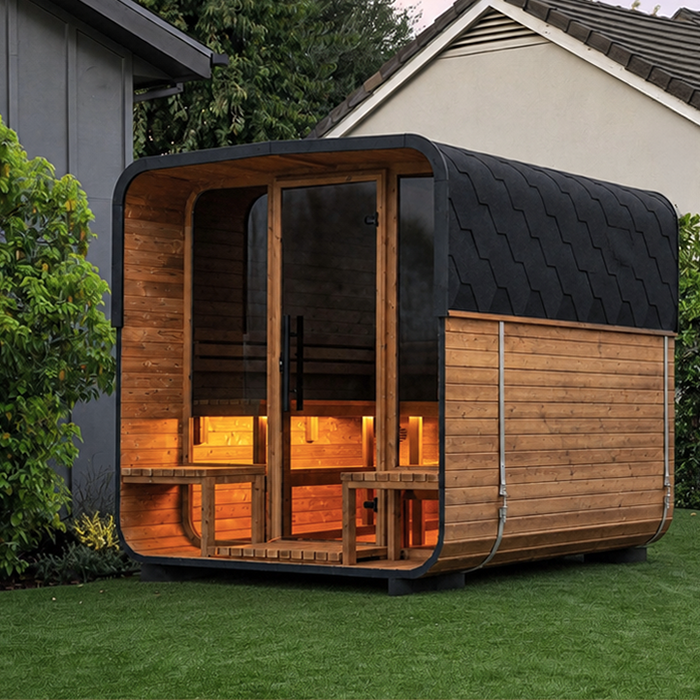
Use model pages as a first filter, not a substitute for drawings. The Sauna S-140 product listing states an area of 1.93 m²; that figure alone is not a capacity or comfortable-seating guarantee. Ask what any quoted area measures, then check current manufacturer drawings for usable bench length, posture and space around the sauna. Compare options against the layout you need, not just a small catalogue figure. If two sizes look close, sketch their verified footprints and seating arrangements to scale; this can show whether a lower-cost choice meets your needs or removes space you would actually use.
Compare complete sauna configurations
Price the configuration you want, not just a product category or model name. Ask for an itemised list of what the quoted package includes and what is optional or supplied separately. Depending on the offer, check the status of heating equipment and controls, benches, doors or glazing, lighting, assembly components, finishes and accessories. Do not assume anything is included because it appears in a photograph or headline. Work through the list with the supplier to establish which items apply to your configuration and how they are priced. Record the exact options and any alternatives being priced, and identify which items are required for the selected design.
Configuration gaps can make two figures look comparable when they do not cover the same project. When requesting a quote for Sauna N-250, ask for the current written specification and actual inclusions of the configuration being priced. Put every change or extra on a separate line and ask whether it is needed for the confirmed design or is a discretionary preference. Removing an item is a saving only if it is genuinely unwanted or confirmed as unnecessary. If the item is still needed but supplied separately, allow for its cost elsewhere in the budget. Keep the itemised scope with the quote so later amendments refer to the same configuration.
03
Check the site before fixing the scope
Early site checks can make the budget clearer because the ground, access and service route may affect what preparation is needed. Record the proposed location and take basic measurements, photos and notes on slope, drainage, nearby structures and existing services. These are useful details for a qualified professional, not a substitute for a structural assessment. Do not assume an existing deck, lawn or paved area is suitable simply because it looks level. Ask what support and clearances the specific sauna instructions call for, then have the relevant person assess the proposed location before you finalise the layout.
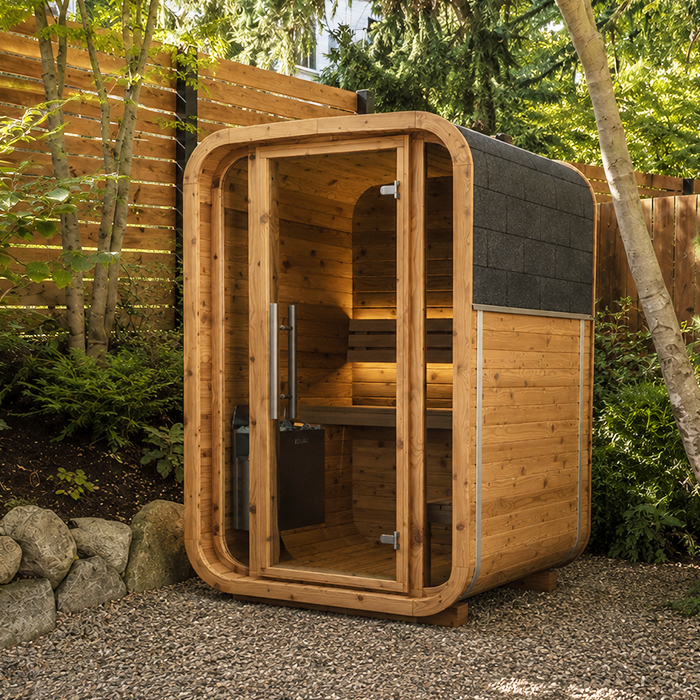
Use the manufacturer’s drawing for the exact model under consideration. If you are considering Sauna LC-260, request its current drawings and site preparation requirements for the proposed configuration. Ask an appropriate supplier or tradesperson to verify the footprint, necessary working space, service route and any limitations at the proposed position. Record which details have been confirmed and which still need an assessment, so the preparation budget reflects the proposed site rather than a general assumption. List likely site work and unresolved items separately. Clearing, levelling, drainage changes and service work may involve different scopes; finding out what is actually needed early is more useful than relying on a blanket allowance or discovering a gap after other choices are fixed.
Keep technical provisions in the baseline
Keep all electrical, structural, ventilation and fire-safety provisions in the baseline project scope. Their exact requirements depend on the selected sauna, its instructions and the site, so have the relevant qualified electrician, builder or engineer and sauna installer confirm what must be provided. Do not estimate an electrical connection, support, ventilation layout or fire clearance from a generic guide, and do not treat required elements as optional upgrades because they appear on separate quote lines. The budget question is whether an item is required, who has allowed for it and where uncertainty remains—not whether a necessary provision can be deleted.
Ask for each confirmed requirement to be named in the scope and either priced or clearly marked as awaiting confirmation, with a responsible person attached. Check that the specialist is reviewing the same model and configuration you plan to buy. For a Sauna HCF-300 quote, request matching manufacturer documents and have the relevant professional identify the provisions that need to be included. Keep that information alongside the cost breakdown so you can see whether each requirement has been allowed for. Where a local approval may apply, confirm that question with the relevant local authority or a qualified professional rather than guessing. Keep any alternative in writing and confirm it retains required provisions before accepting its cost.
04
Choose finishes by function and upkeep
Finishes can be a sensible saving when a change is genuinely visual. Compare colour, trim and decorative details as separate options, and ask which choice is included in the actual quote and what an alternative costs. A simpler appearance may preserve the intended function while freeing budget for a feature you value more. Do not assume every coating or finish is decorative, though: it may be required by the manufacturer’s instructions. Confirm its purpose and any specified treatment before omitting or substituting it. If colour matters, review an appropriate sample before deciding, rather than paying extra for an option based only on a small image.
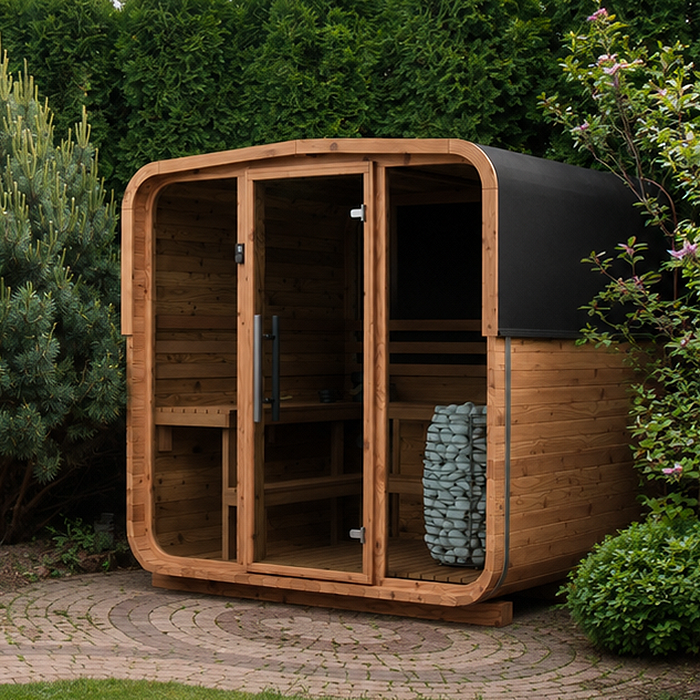
Ask how each finish is meant to be cared for, whether the manufacturer identifies a maintenance product or routine, and whether the chosen option suits the planned exposure. This does not mean choosing the most expensive finish; it lets you compare upkeep and requirements instead of assuming that a lower initial cost is equivalent. When comparing the Sauna LCF-300 product listing with another model, request the finish schedule for each quoted configuration rather than inferring it from photographs or model names. Choose only among verified options, and keep any required protective treatment in the project scope even if you simplify the appearance.
Defer only genuinely optional additions
Put nonessential surroundings on a later-phase list, such as landscaping, a decorative screen or nearby seating, but only after confirming they do not affect safe access, the sauna structure or required services. Deferring a preference can preserve the core allocation while leaving room to finish the setting later. Do not assume every addition will be simple or cheaper after installation; it may need access or work that is easier to plan in advance, or it may not suit the manufacturer’s requirements. Ask whether an extra needs to be considered now, particularly if it could affect the site layout or technical design.
Separate items that can genuinely wait from components that must be selected or provided as part of the project. For each possible extra, ask whether postponing it affects safety, the confirmed design, function or later access, and have the supplier or relevant professional confirm the answer. When reviewing accessories for Sauna HC-150, ask which belong to the quoted configuration and which can be added later. Record any conditions attached to postponing an item, rather than assuming it can simply be added whenever you choose. Put deferred items on a future list, but do not count them as free: use a reliable quote if available, or label the cost unpriced until you have enough information.
05
Compare quotes on the same scope
Ask each supplier to quote against the same written brief: the same model and configuration, stated inclusions, site assumptions and specialist work that is or is not covered. Keep delivery and installation-related figures identified separately rather than blending them into the sauna price; they can be considered as distinct project lines. Mark each item included, excluded, provisional or not quoted. A blank or vague entry is an unresolved cost, not evidence that the item is free or unnecessary. Make clear whether each amount is confirmed or based on an assumption so your total does not treat them as identical.
Compare amounts only after the scopes match. The Sauna HC-225 product listing can help identify the product being discussed, but it does not establish a current price or quote inclusions; use the current written quote for those details. If figures differ, ask what item or work explains the difference and request a revised breakdown. Avoid choosing a lower headline figure until you know whether it leaves site preparation, qualified work or required components outside the price. An explained exclusion may be manageable if it is budgeted elsewhere; an unexplained one can conceal a gap.
Control uncertainty and changes
Hold a contingency for uncertainty, but base it on actual information gaps and quotes rather than an arbitrary percentage. An early site review, confirmed configuration and written specialist scope may reduce unknowns; until then, distinguish the reserve from money available for upgrades. State what the reserve is intended to cover and review it when a quote or site finding resolves an uncertainty. If estimates are still incomplete, mark the total as provisional instead of presenting a precise figure that gives false confidence. Keep enough information with the budget to explain why its assumptions might change.
Use a simple change rule: before approving a change, record why it is needed, its cost, what else it affects and whether the relevant professional has confirmed the revised scope. Record the exact model—such as Sauna N-210—alongside its selected configuration so quote revisions refer to the same product, not a similar-sounding option. When the running total approaches the cap, revisit optional finishes, accessories or the overall scope first. If the remaining budget cannot cover confirmed technical requirements, pause or rescope rather than removing a required provision to make the figures balance.
Frequently asked questions
Which parts of a sauna budget are safest to reduce?
Look first at choices confirmed as discretionary, such as decorative surroundings or a finish you do not particularly value. You could also reconsider the size if a smaller layout still suits regular use. Keep required electrical, structural, ventilation and fire-safety provisions in the budget. Before removing an item, ask the supplier or relevant qualified professional whether it is optional for the design and site.
Does choosing a smaller sauna always reduce the total cost?
Not necessarily. A smaller product may need less space, but preparation and specialist requirements still depend on the particular model and site. Catalogue area alone does not show usable bench length or whether a layout suits you. Compare manufacturer drawings, intended use and the complete written scope rather than choosing by area alone.
Can I postpone electrical or ventilation work?
Do not treat a required provision as a discretionary future upgrade. Ask the sauna supplier and relevant qualified professionals which equipment and services form part of the confirmed design, and whether any work can be phased without changing essential requirements. If a component needs to be selected or provided for the project to be completed safely, include it in the budget now.
How do I compare two sauna quotes fairly?
Give each supplier the same written brief, including the model, configuration, site assumptions and required work. Ask for itemised inclusions, exclusions and provisional items. Compare totals only when you understand what each one covers; a lower headline figure may leave work or components outside the quote.
What if site preparation pushes the project over budget?
Ask for a revised written scope that explains what work is required and what remains uncertain. Review optional finishes, surroundings and the overall size before changing technical provisions. If the budget cannot cover the confirmed requirements, pause or rescope the project rather than removing a necessary item to make the total fit.
Budget control is strongest when you decide what the sauna needs to do, check the site before committing, and keep required provisions separate from optional spending. A smaller or plainer project can be a sound saving only if it still suits regular use and the confirmed design. Keep unknowns visible, compare matching scopes and record changes. That gives you a clearer view of the whole project—not just a lower initial price—and helps distinguish decisions that can wait from those that belong in a safe, usable installation.
