
Sauna Delivery and Crane Costs: Factors Behind the Quote
SAUNA DELIVERY PLANNING
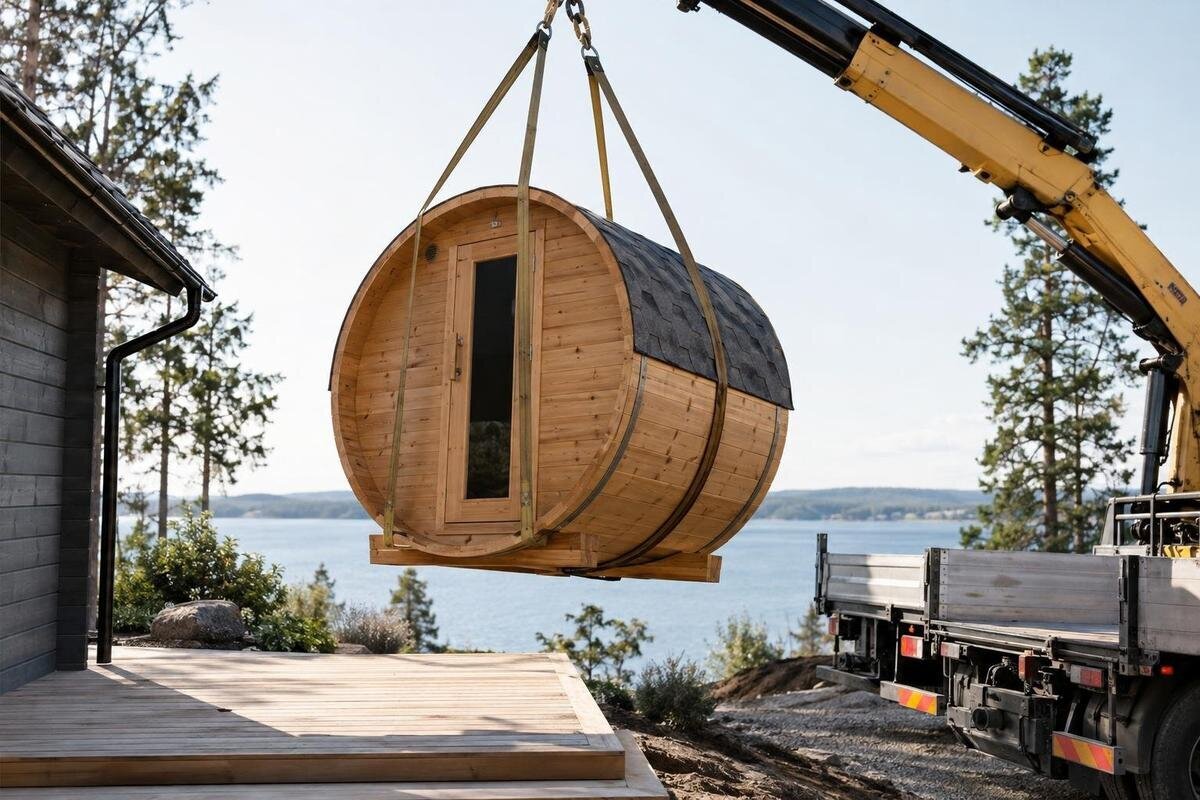
Sauna freight quotes can be difficult to compare when one covers road transport and another includes unloading or a lift to the chosen spot. The final figure depends on the collection and delivery route, the load as it travels, what vehicle can reach the property and who supplies the unloading method. A crane may suit one site and not be needed at another, but crane work or placement should not be inferred from a brief “delivery” line. This guide explains what to document and which questions to put to the supplier, carrier and, where relevant, crane contractor. The quote examples are illustrative scopes, not local rates.
What a sauna delivery quote covers
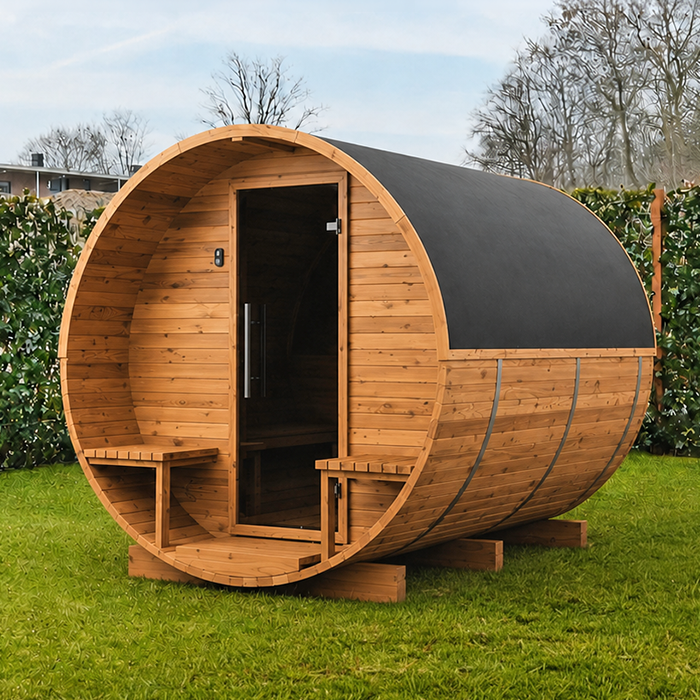
Ask the supplier to define “delivery” in physical terms: is the price for transport to a depot, the property address, a kerbside point, the driveway or an agreed position on the section? These are not interchangeable services. A truck reaching the address does not by itself mean the sauna will be unloaded, moved through a gate or placed on its prepared base. Delivery, unloading, final positioning and assembly are separate tasks unless the quote says otherwise. The written scope should identify the handover point and any handling included, as well as what the buyer must arrange. A short label such as “delivered” does not establish that crane work, a forklift, carrying or placement is included. If the delivery ends at the vehicle, say so explicitly so there is no ambiguity about who removes the load.
Read every quote line for its endpoint and assumptions. Request separate entries, where applicable, for freight, a transfer between vehicles or depots, unloading equipment and operator, crane hire, movement from the truck to the final position, waiting time and a second delivery attempt. Ask whether each line is a firm quote or still depends on site details that have not been checked. For example, Quote A could state freight to a driveway and exclude offloading; Quote B could show freight plus a separately scoped lift. These are illustrative scopes, not prices or offers. Without matching the endpoint and unloading work, the totals do not represent the same service.
Route, distance and delivery area
Give the carrier the full delivery address and ask it to confirm the collection point and route used for pricing. A straight-line distance between your town and the seller does not show whether the journey involves a depot transfer, a route outside regular coverage or a ferry crossing. If the address is rural or remote, ask whether the full last leg is included and which vehicle is planned. A ferry-linked journey may require separate coordination or charges; the provider should state whether that applies to your booking. Do not assume that a regional delivery description covers every postcode or includes transport all the way to the property.
Flag any known route constraints before the quote is finalised. A narrow bridge, steep approach, restricted turning area or road condition could affect which vehicle can reach the address. Give the carrier the details and ask it to confirm whether its proposed route and vehicle are suitable; do not treat your own estimate as transport approval. In an illustrative comparison, one quote might cover a regular run to a service point, while another for an outlying address might include a transfer or a dedicated final leg. Those are differences to check with the providers, not fixed New Zealand charges. Ask for any additional route or handling costs to be named in writing.
Load dimensions and delivery format
A carrier needs information about the load as it will travel, not just the sauna’s finished appearance in a photograph. Request the packed dimensions, gross weight, number of separate packages and any handling instructions supplied for the exact configuration. Find out whether the product travels as one load or several; do not infer this from its name, shape or floor area. Those details help the carrier assess its vehicle and unloading method. If the seller has a packing list, manufacturer drawing or manual, ask for the relevant transport information rather than estimating from an image. Also confirm whether the quote covers every package and whether separate unloading movements are allowed for.
Use the Sauna HC-225 model name to identify the product in your quote request, but do not treat it as a transport specification. Ask the seller to confirm the load details for the configuration being quoted and pass them to the carrier or crane contractor. If lifting is proposed, include any manufacturer-supplied handling instructions or designated lifting points so the contractor is not left to infer a method from a photograph. If the selected configuration or load changes after the quote is prepared, request an updated freight and unloading assessment. A vehicle or equipment plan based on different package details may no longer match the delivery.
The handover point and final position
Give the supplier a precise handover point: the accessible edge of the property, inside the gate, the driveway or a particular prepared area. A price that ends at the kerb or driveway does not necessarily cover movement from there to the chosen position. Gates, steps, retaining walls, uneven ground, a long carry or a route across a lawn may limit the available method or add handling time. Ask the delivery provider to confirm what its service covers rather than assuming the driver can take the load farther. If the desired landing area is behind a building or boundary, make that clear when you ask for the quote.
State who is responsible for unloading, moving and placing the load, and who supplies any equipment and people. For a quote on the Sauna N-210, for example, ask whether the priced endpoint is beside the vehicle, elsewhere on the driveway or at the designated position. If those are different points, request any extra movement as a separate scope. Include the route between them in your site photos and measurements, and describe any surface or access restrictions. Also ask whether unpacking or packaging removal is included; do not assume it forms part of delivery. This makes it easier to see whether quotes include the same final leg, rather than just the same road freight.
Vehicle access at the property
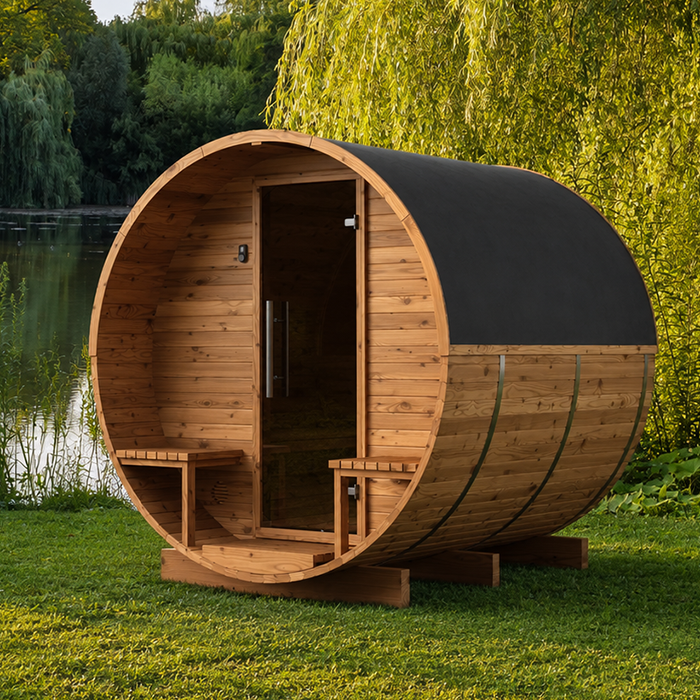
An address can be reachable by car yet unsuitable for a delivery vehicle or unloading machine. Ask the carrier for the dimensions and access requirements of the vehicle it proposes, then note the narrowest gate or passage, available turning space, overhead clearance and approach slope. Identify trees, eaves, overhead services, parked vehicles, soft ground and any point where a larger vehicle may need to reverse or change direction. A road map or one photograph will not show the whole route. A useful set of pictures follows the access from the main road to the proposed unloading area, with the tightest sections and turning points clearly shown.
Send those details before the quote is finalised. In a hypothetical example, Quote A could assume a truck reaches the driveway; after reviewing site photos, the carrier may say that only a smaller vehicle can enter, requiring a transfer or a different unloading arrangement. Any revised amount would reflect the changed vehicle and handling scope, not a universal access surcharge. For a quote on the Sauna N-250, or any model, ask the carrier to confirm whether its proposed vehicle can reach the stated point and whether the final manoeuvre needs a different plan. Flag overhead obstacles for the relevant contractor rather than assuming the route is clear.
Unloading equipment and responsibility
Unloading equipment is a separate question from vehicle access. Depending on the load and delivery plan, a provider might propose a vehicle-mounted unloading arrangement or separately arranged equipment such as a forklift or telehandler. None should be assumed from a freight line. Confirm whether a machine and operator are included, who books and pays for them, and where the equipment is expected to work. If you have access to a machine on site, tell the carrier, but ask it to confirm that the proposed arrangement suits the load and that the operator’s role is accepted in the delivery scope. Different methods have different handling limits, so the provider needs the exact package information before agreeing.
Before asking about unloading for the Sauna LC-260, obtain the package weight, dimensions and handling notes for the configuration being quoted. Then compare a truck-only quote with one that includes an unloading arrangement. One quote might cover transport to the driveway but leave the buyer to arrange suitable equipment; another might itemise an operator and an unloading appointment. Whether either arrangement works depends on the confirmed load and site, not just the equipment name. If a machine cannot get close enough or its working area is restricted, ask the carrier to reassess the plan. Make clear who is responsible for the load at each handover.
When a crane is needed
A crane may be considered when the proposed vehicle cannot unload the package at the agreed point, or when an obstruction limits movement from the truck to the landing area. Whether it is needed depends on the actual load, route and site; it cannot be decided reliably from the sauna’s shape or a product photograph. The contractor needs confirmed package dimensions and weight, the proposed lift and landing points, and any manufacturer handling guidance. Ask the transport provider and crane company to confirm who is responsible for the lift and how their plans will work together. If the relevant load information is not available, do not ask them to price from a guess.
Request a crane line item that explains its scope, such as mobilisation to site, setup, operator, lifting equipment, the proposed lifts and the time allowed. Ask what is excluded and whether any additional requirements identified by the contractor are priced separately. Quote formats vary, so the important thing is to understand the work behind each line. For a delivery involving the Sauna HCF-300, ask whether the crane is booked through the delivery provider or needs a separate booking. Treat crane work as a separate cost unless the written delivery quote explicitly includes it and states what the crane will do.
Crane setup, reach and landing area
Even when a crane can reach the property, its setup point and the route of the lift need professional review. The crane contractor will need to know where a suitable vehicle could stand, the relationship between that point and the unloading and landing areas, and what lies between them. Trees, eaves, fences, buildings, overhead services, a narrow entrance, a slope or uncertain ground may alter the plan. Share site photos and a simple marked-up plan showing the possible vehicle position and intended landing point. Do not estimate crane capacity or reach yourself; have the contractor assess the load information and site conditions.
Ask the crane company to state the assumptions its quote relies on and whether a change in setup location, reach, access or landing point would change the scope. Coordinate the crane booking with the freight carrier: if one is delayed while the other is ready, waiting or rebooking terms may matter. For a delivery of the Sauna LCF-300, have both providers work from the same site plan and agreed landing point. The quote should clarify whether it covers only lifting off the vehicle or placing the load at that final point. Confirm who will update the other provider if site arrangements change.
Booking, waiting and failed-delivery terms
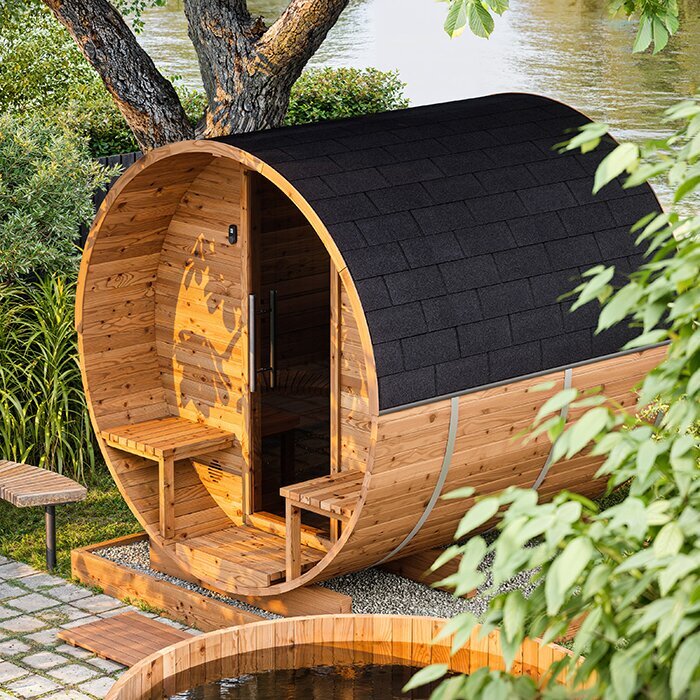
Freight and crane services may be booked separately, so confirm how the delivery window is managed and who will contact you on the day. Ask what happens if the truck arrives before the crane, if either provider is delayed, or if the site is not ready. The written terms should explain whether waiting, a missed booking, a cancelled visit or a second delivery attempt can attract a charge, and what notice is needed to change the date. Do not assume these costs are waived, included in freight or charged in every case; check the terms for your actual booking. If two companies are involved, ask which one will coordinate their arrival times.
Before confirming a date, make sure the route and unloading point described in the quote are still available. Where relevant, clear parked vehicles, unlock agreed access and have the named site contact reachable. These steps do not replace the carrier’s access approval. Include the exact model, such as Sauna S-140, in delivery correspondence, along with the property address, preferred delivery window and any need to coordinate an unloading contractor. Ask whether the carrier will call ahead or needs someone at a particular point, and have the answer recorded in the booking details. If your preferred position or access changes, tell the supplier before the vehicle is dispatched.
How to compare freight and lifting quotes
Prepare the same brief for each supplier: the exact model and configuration, dispatch point if known, full address and postcode, requested handover point, access photos and measurements, available package dimensions and weight, and intended unloading method. Ask each provider to price the same scope and list freight, transfer handling, equipment, operator, crane, placement, waiting or redelivery terms separately where applicable. If you are comparing delivery quotes for the Sauna HC-150, keep that model and configuration consistent across the requests. If different providers quote different parts of the job, ask each to define its handover and responsibilities so no part of the plan is left unaccounted for.
Compare the assumptions as well as the total. Quote A might cover a truck to the driveway and no offloading; Quote B might include a crane and placement at the prepared area. The second total could be higher because it covers more work, while a lower total could leave important arrangements unpriced. Neither is automatically the better option. Have each supplier confirm what is included, what you still need to book and which site details could change the amount. Ask for a written quote after access and lifting plans have been reviewed. A detailed scope reduces avoidable surprises, although it cannot guarantee that every on-site contingency is covered.
Frequently asked questions
Does sauna delivery include a crane?
Not automatically. Look for a crane and its scope in the written quote; the word “delivery” alone is not enough. Confirm who supplies the crane and operator, where the load will be lifted from and placed, and whether freight and crane bookings are coordinated. If crane work is priced separately, ask for that cost before confirming the delivery.
What information should I send to get a freight quote?
Give the supplier the exact model and configuration, the full delivery address and postcode, and the intended handover point. Ask the seller for the packed dimensions, weight and handling information, then send the carrier clear photos and measurements of the route to the unloading area. Include any known access restrictions and say how you expect the load to be unloaded.
Can I arrange my own forklift or other unloading machine?
Possibly, but agree it with the carrier first. The carrier needs to confirm that the machine and proposed handling arrangement suit the exact load and delivery plan. Clarify who provides the operator, when the equipment must be available, and whether the transport quote excludes unloading. Having access to a machine does not by itself confirm that it can be used for the delivery.
Why do two freight quotes for the same sauna differ?
They may use different collection points, routes, delivery endpoints or unloading arrangements. One quote might cover road freight only, while another includes a vehicle transfer, equipment or a lift to the agreed position. Compare the assumptions and inclusions line by line, using the same address and site information, rather than comparing headline totals alone.
How can I tell whether a crane is needed?
Do not decide from a product photograph or model name. Ask the supplier for the exact transport dimensions, weight and any manufacturer handling information. The carrier can assess vehicle access and unloading options; a suitable crane contractor should assess the load and site and confirm whether a crane is required. Get the proposed lift and its scope in writing.
A useful sauna delivery quote starts with two clear points: where the carrier collects the load and where it must reach on your property. Match those endpoints with confirmed package information, the access route and a written unloading or crane plan. When each supplier is pricing the same scope, you can see whether a difference reflects extra distance, equipment or final positioning, rather than a different definition of delivery.
