
Comparing Sauna Quotes with Different Inclusions
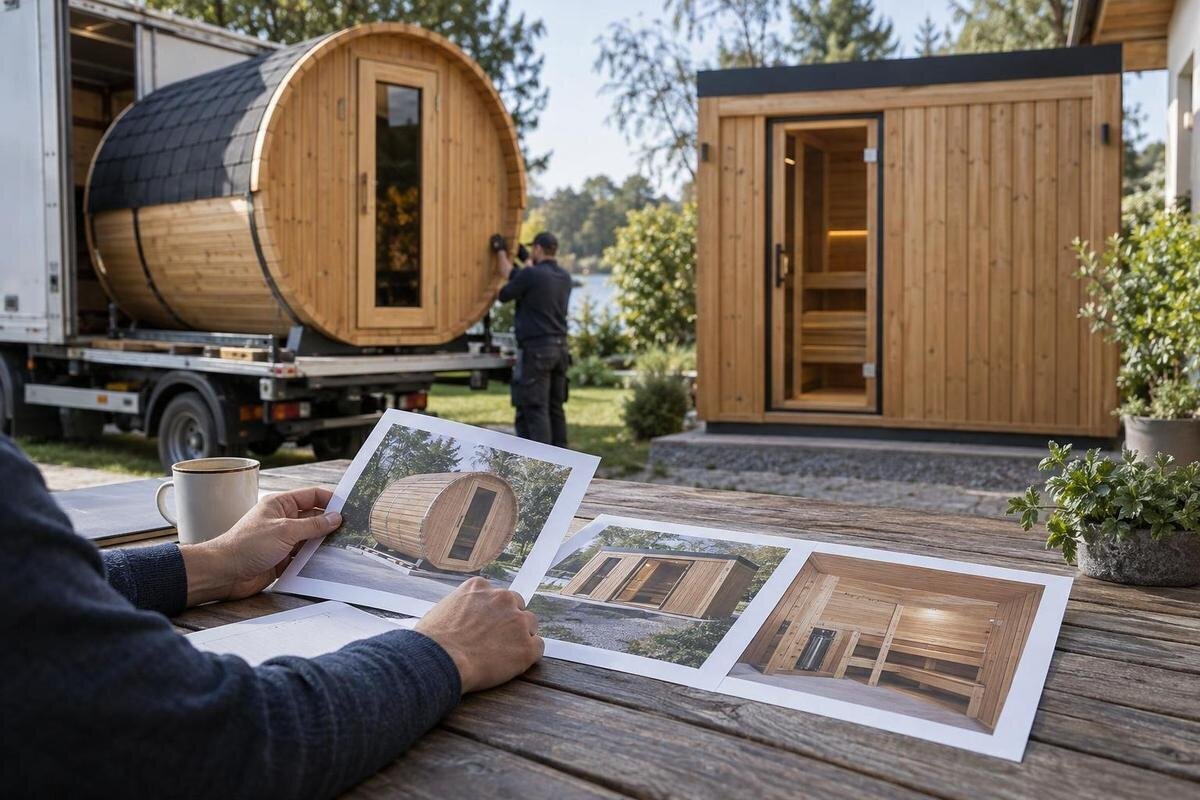
Sauna quote guide
Two sauna quotes can use the same broad product description yet cover different jobs. One may price a sauna package only, while another includes freight, assembly or some site work. Comparing the headline totals without checking scope can make a partly priced project look cheaper. Put every offer into the same format, separate confirmed inclusions from exclusions and unknowns, and compare the cost of the outcome you actually want. The aim is not to guess what a supplier meant; it is to make the gap between each quote visible before you choose.
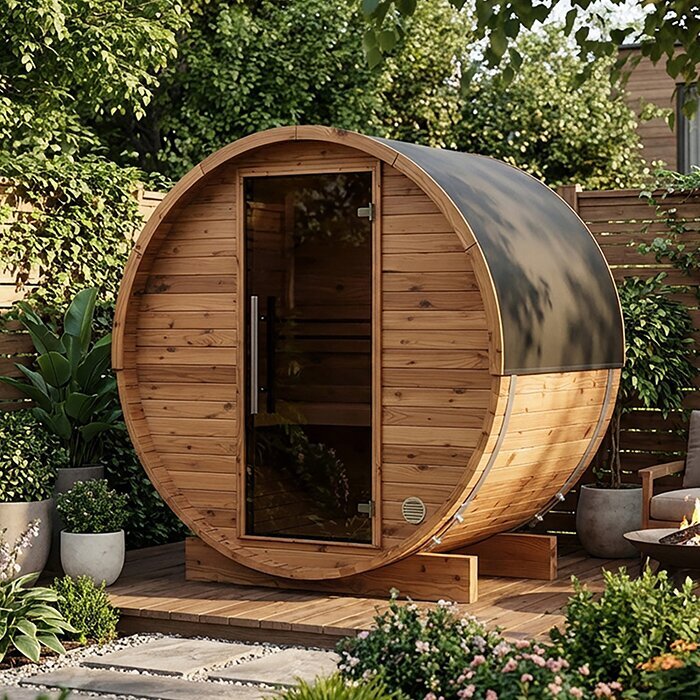
Set one scope for every quote
Create one comparison sheet with a column for each supplier and a row for each part of the job. Record the quote date, exact product reference, package, supplied equipment, delivery, unloading, installation, site preparation, trade work, options and charges shown. For every line, use a clear status such as included, excluded, optional, provisional or not stated. If a supplier gives an allowance, copy its amount and basis rather than relying on the rolled-up total. Note the page or document where each answer appears; that makes it easier to check the sheet when an updated quote arrives. A missing line is not proof that it is included. For separate option prices, note whether they are alternatives or additions to the base package.
Choose the boundary you want before judging totals. You might compare supply-only packages, or quotes for delivery and assembly with specific site or trade work identified; either can be valid if every offer is measured against it. Mark which items your project actually requires, so you do not add optional work to one total and leave it out of another. Record the exact delivery address and configuration alongside the scope. If a quote cannot be adjusted to match, show the unmatched work separately and obtain a price rather than filling the gap with a guess. Broad words such as package or complete should not replace a line-by-line scope.
Confirm the model and configuration
Start with the exact model designation and configuration in each quote. A broad label such as barrel sauna may not identify the particular model, version or selected options. Have each supplier state the product name or reference, configuration choices and any substitutions in writing. If a quote names Thermowood Barrel Sauna S 140, copy that identifier into the comparison sheet; do not treat a different quote for a similarly described sauna as the same specification. The reference helps identify what the price relates to, but it does not, by itself, tell you what was supplied or installed.
Ask what document defines the quoted configuration. It may be a supplier schedule, manufacturer drawing, manual or written list of options; the important point is that the quote and any attachments describe the same version. Compare relevant details such as layout, dimensions, seating, openings and selected finish against those documents, not assumptions based on a model name or photograph. If a dimension or site clearance affects your plan, ask for the current drawing and have the site implications checked by the appropriate professional. Use the supplier's written confirmation to resolve any differences between the quoted configuration and the supporting documents. If quotes use different models, request a price for one common choice or mark them as different proposals.
Check exactly what is supplied
Read the itemised supply list instead of treating sauna kit as a complete description. Depending on what your chosen system needs, categories to confirm can include the heater, controls, stones, guards, lighting, benches, fittings, door hardware and assembly fixings. This is a prompt for clarification, not a claim that every sauna uses or includes each item. Ask the supplier to say which components are supplied for this specific quote, which are optional, and which you must source separately. Where a component has a model reference or quantity, have it written down so two differently named packages are not assumed to contain the same parts.
Separate equipment necessary for your chosen scope from extras you may choose later. If one quote includes an optional item and another does not, ask for both offers in a common configuration or show the extra as a separate line; otherwise the total comparison is distorted. A product reference such as Thermowood Barrel Sauna HC150 identifies the model name, not the contents of your particular order. Ask whether the quote includes the selected heater and any related accessories, and whether those items are supplied only or covered by stated installation work. Note whether components are supplied together or through separate lines, as that may affect coordination as well as price. Do not count an item twice if it appears under both package and installation.
Compare delivery on the same basis
Compare freight against the same destination. Check whether the amount is tied to your delivery address, and ask where the supplier's responsibility ends: collection point, kerbside, driveway or another agreed location. These terms can change what you need to arrange even if the line is simply labelled delivery. Distinguish delivery to the property from placing the sauna at its intended position; do not assume one includes the other. If the quote relies on access conditions or a particular unloading arrangement, ask for those assumptions to be stated and confirm that they match the site.
Record any unloading, lifting or special-handling charges separately from ordinary freight, and ask who provides the equipment or labour if extra handling is required. A quote naming Thermowood Barrel Sauna HC 225 should still specify its destination and delivery scope; the model designation does not settle either. Compare offers for the same address and delivery endpoint, and note whether someone needs to be present to receive the order. If an item cannot be priced until access is assessed, mark it provisional and find out what information will resolve it. Check whether packaging removal is included or remains your responsibility if that matters to your site plan. Do not treat a delivery amount as a complete site-placement cost unless the supplier confirms that in writing.
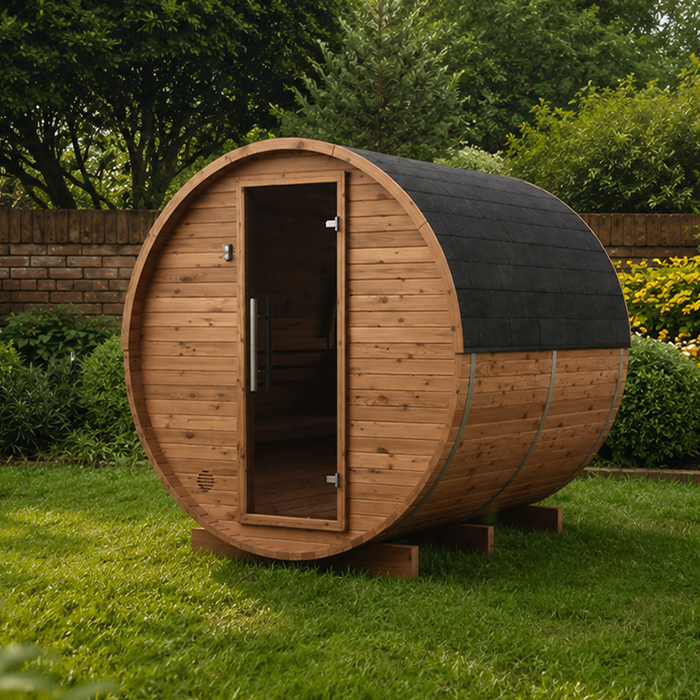
Define the installation work
Ask each supplier to define installation in tasks, not just use the word installed. Does it cover assembly, moving components from the delivery point, positioning, fixing, or only some of those? Is setup or commissioning included, if relevant to the selected equipment? For a quote referring to Sauna N-210, for example, the line should still say which work the installer has priced. Ask who is responsible for any electrical or fire-related connection and confirm that scope with the relevant qualified professional; do not infer technical work from a general installation label.
Clarify what the installer expects to be ready before arrival and what happens if that condition is not met. This could include access, a prepared base or services arranged by others, but the supplier should identify the actual assumptions rather than leave you to infer them. Ask whether travel, additional labour, return visits or packaging disposal are included if those matters affect the proposal, and how any change would be priced. If the supplier sets a limit on hours or labour, record it. Keep installation separate from site preparation and trade work so one quote does not appear more comprehensive simply because it uses a broader heading.
Identify work outside sauna supply
List work outside sauna supply separately. Depending on the chosen equipment and site, this may include preparing a base, access or drainage work, electrical supply and connection, fire-related work, or professional design and approvals where relevant. These are checks, not assumptions that every project needs all of them. Ask the supplier what the selected configuration requires and what its quote excludes; then confirm site or trade requirements with a suitably qualified professional. For Thermowood Barrel Sauna N 250, as with any named model, a product reference alone does not say which site tasks are included in a quote.
Assign each task to one party: the sauna supplier, installer, another contractor or you. If a separate trade will price it, obtain a written scope and estimate, then include it only if it is needed for the outcome you are comparing. Keep an item marked unpriced until you have a real figure; putting zero in the spreadsheet would make the lower quote look artificially complete. At the same time, check for overlap: one supplier's installation may include an item another has listed separately. Ask both sides to confirm precisely where their work begins and ends, and avoid adding a task twice. Where another contractor is involved, confirm the sequence and handover with that professional before agreeing an installation date.
Read exclusions and assumptions carefully
Read the exclusions and assumptions as closely as inclusions. Phrases such as customer to provide, subject to site access or standard installation can move work outside the quoted amount, but their practical meaning may depend on the supplier's wording. For every exclusion, decide whether the task applies to your project and who will arrange it. Two quotes for Thermally Modified Wood Barrel Sauna LC 260 are not necessarily comparable just because they name the same model; their exclusions may differ. Separate an explicit exclusion from a provisional allowance and from a line that is absent; they carry different levels of certainty.
Ask for plain written answers to vague terms before you accept the comparison. For example, ask what is meant by ready site, whether an allowance is fixed or subject to change, and what event would add a charge. Request a revised quote or an email that identifies the exact line being clarified, and save the same version of the attachment with your worksheet. If the supplier cannot confirm the amount yet, label it unresolved and record what information remains outstanding. If an answer is conditional, keep that condition beside it instead of marking the item simply included. A conversation can help, but your final comparison should be based on terms you can review later.
Calculate totals on a common basis
Once scope is aligned, calculate a comparable total using actual quoted figures. Add the package price to the priced items you need but that are excluded, such as delivery, assembly or separately arranged site work; leave optional upgrades out unless you intend to buy them. Ask each supplier whether the amount includes GST and request the same tax basis for each comparison. A reference such as HCF-300 model may help identify which model a quote names, but the total still depends on its actual components and work. Do not create an estimate from another supplier's price without marking it as a separate estimate.
Show confirmed figures separately from allowances and unknowns. If another contractor has priced excluded work, record that scope and amount next to the supplier's total; if no price is available, keep the gap visible rather than adding a made-up allowance. Where one offer includes extras you do not want, ask for a revised price or use a separate value only when the supplier confirms it. The useful result is not just one combined figure but a clear view of what it covers and what could still change. Keep fees and line items distinct so a higher total that covers more of the job is easy to recognise. That helps distinguish a genuine price difference from a scope difference.
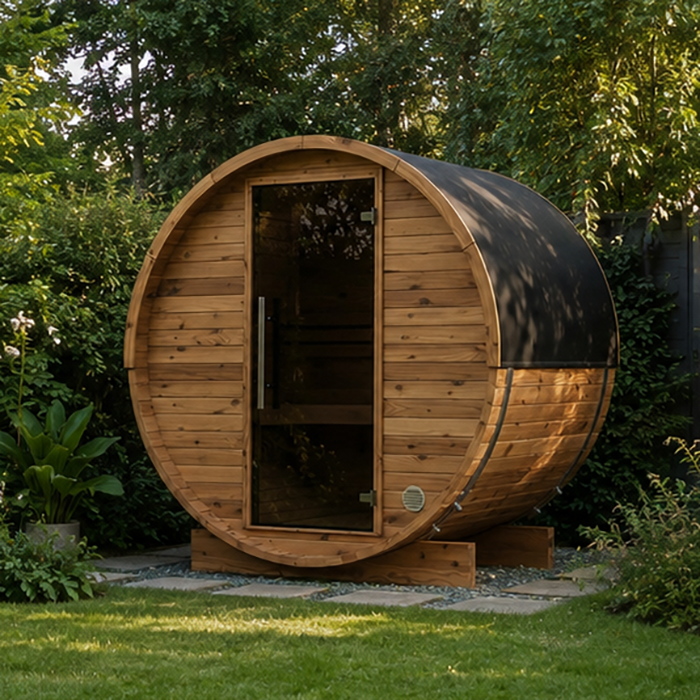
Check quote timing and payment terms
Check the quote's timing and payment terms as well as its scope. Record the date, how long the offer remains available, any payment stages and what each payment is tied to. Ask whether the supplier's delivery or installation timing is an estimate and what could alter it; do not treat an unconfirmed date as a commitment. Make sure the commercial terms refer to the same configuration and options you have compared. If a quote names Thermowood Barrel Sauna LCF 300, keep that model reference beside any payment or timing schedule so a later change cannot be mistaken for the original offer.
Ask how changes are handled if you alter the chosen equipment, delivery details or site scope after the quote is issued. If the document mentions a warranty, identify whether it refers to the product, installation workmanship or both, and ask for the applicable wording rather than assuming all suppliers cover the same things. Note any conditions or responsibilities that affect your arrangements, such as access being ready or separate trades needing to coordinate. Also clarify when deposits and progress payments are due, and whether each payment is tied to a date, delivery or completion of specified work. These terms do not change the listed package price, but they can affect when you need to pay and what you need to organise.
Resolve gaps before choosing
Before choosing, send every supplier the same short list of unresolved questions and ask for a revised, itemised quote where needed. Check that the answer identifies the selected model, supplied equipment, freight endpoint, installation tasks, excluded work and tax basis. Update each comparison row to included, excluded, optional, provisional or not stated, and keep the supplier's reply with the relevant quote. If an answer changes the price or scope, update the total and date rather than carrying the old figure forward. This final pass catches mismatched assumptions that a tidy spreadsheet alone cannot resolve.
If you deliberately want a supply-only purchase, compare all options on that basis and accept that the remaining work is outside the supplier total. If you want a more complete job, include written prices for the excluded work you will actually need before deciding that one quote is cheaper. Keep discretionary extras off the like-for-like total, but retain separate prices if you want to assess them later. A clear quote may suit your plans better than a lower but incomplete figure; equally, a package-only offer may be right if you have separately arranged the rest. Choose by the confirmed scope and cost of your project, not by the largest or smallest headline number.
Frequently asked questions
Is the lowest sauna quote the best value?
Not necessarily. A lower total may leave out delivery, installation, equipment or site work that you still need to arrange. First match the model, configuration and scope, then add written prices for the work you need. If the offers cover the same things, compare their stated terms as well as the totals.
What should fully installed mean in a quote?
Ask the supplier to name the tasks included rather than relying on that phrase alone. Clarify assembly, positioning, any setup or commissioning, and who handles connections or other trade work where relevant. Check what must be ready before the installer arrives, and what would be charged separately.
Should I compare totals including GST?
Compare each quote on the same tax basis. Ask suppliers whether GST is included and request a clear amount or revised total if the wording is unclear. Do not assume that two headline figures are presented the same way.
Can I compare quotes for different sauna models?
You can compare them as different proposals, but they are not a strict like-for-like price comparison. If you have a preferred model, ask each supplier to quote for the same one and configuration. If you are considering alternatives, assess each against your requirements separately; the price difference alone will not tell you what caused the change.
What if a quote does not mention an item?
Mark it as 'not stated' rather than assuming it is included or excluded. Ask the supplier to confirm whether it is part of the offer and, if not, provide a price or identify who must arrange it. Keep the item unresolved in your comparison until you have a written answer.
The fairest comparison brings each quote to the same product configuration and the same point in the job: supply, delivery, installation or another clearly defined boundary. Make included, excluded, optional, provisional and unconfirmed items visible, then use actual written costs for work you need to add. If the scope still differs, the totals are not yet like for like. That distinction is more useful than a low headline price on its own.
