
Choosing a Sauna for a Small Hotel or Guesthouse: Usage and Commercial Suitability
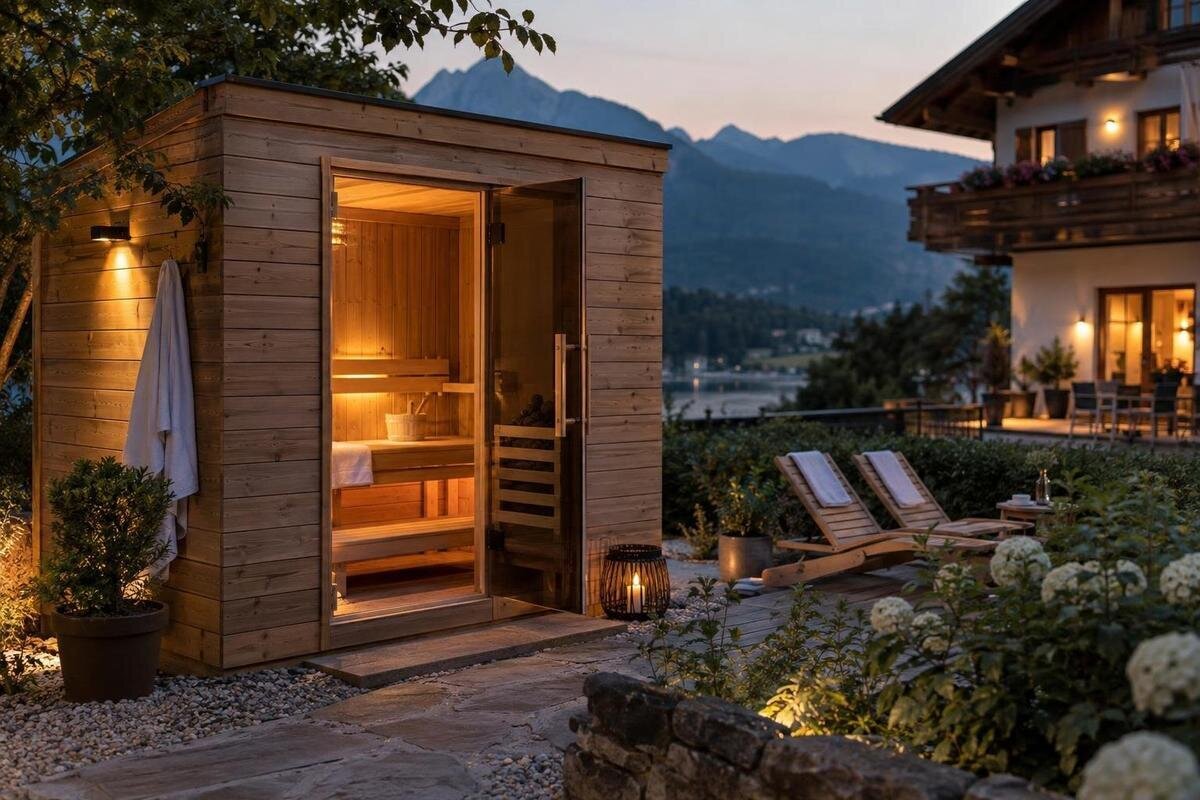
Sauna planning for guest accommodation
A sauna in guest accommodation has to fit more than the available space. Bookings can create concentrated periods of use, staff need a workable plan for access and cleaning, and the manufacturer’s approval must cover the intended operation. Before comparing models, set out how guests will use the facility and what the business can supervise and service. That gives you a practical basis for checking commercial suitability without assuming that a product sold for private use is ready for hotel or guesthouse operation.
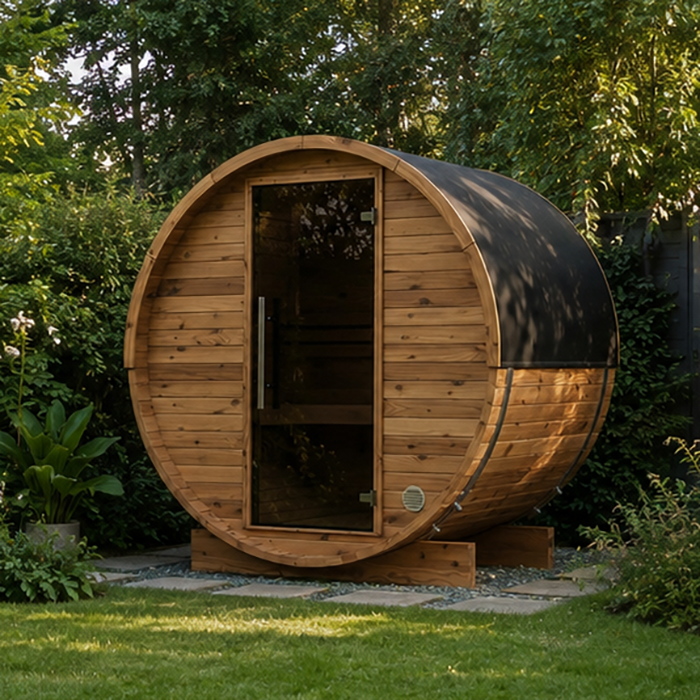
Why a guesthouse sauna needs a different assessment
A sauna in a small hotel or guesthouse is part of an accommodation service, even if it serves only a few rooms or is available by booking. Demand can bunch around evenings, weekends and school holidays; one party may finish just as another arrives. A private owner can leave equipment unused until convenient, whereas a business must account for guest instructions, cleaning, access, interruptions and responsibility when staff are elsewhere. Those operating conditions affect the questions to ask about equipment, supplier terms and support. The practical workload around a sauna may be more significant than the building’s size suggests.
Keep three decisions separate. First, does the proposed model and configuration fit the service you plan to offer? Second, can staff manage access, cleaning and routine care? Third, has the manufacturer confirmed the intended use, duty pattern and site setup are within the model’s permitted scope? A small property does not automatically mean low use: a handful of rooms can still create concentrated demand. Nor does a sauna’s appearance or product-category label prove suitability for guest accommodation. Treat written confirmation as a purchase requirement, rather than something to seek after installation.
Describe the service before estimating demand
Describe the service before counting potential users. Note whether guests book private sessions, share a facility, or have access as an optional extra; whether use is restricted to certain hours; and whether the sauna is available year-round or only in selected seasons. Room count alone is a weak guide: not every guest will use it, and several bookings may overlap at peak times. Build a low, expected and busy-period picture based on how you intend to operate, without treating a forecast as guaranteed. Include the opening window, likely party sizes and the time needed to turn the space around.
Put those assumptions into a brief the supplier can answer: who can use the sauna, how access is arranged, the operating days and hours, likely consecutive sessions, staff availability and cleaning between groups. Ask for the exact model’s stated occupancy and operating conditions; do not derive a group size from a photograph or an area figure. When enquiring about Sauna LC-260, send the brief and request a written response for the exact configuration. Keep the supplier’s answers alongside your demand estimates so you can see whether the proposed service fits the stated limits or whether the operating plan needs to change.
Assess the sauna’s duty cycle
Assess duty cycle by describing the real pattern of operation, not simply the number of bookings. Tell the manufacturer how often the sauna may be started, how long each operating period could last, whether sessions may be back-to-back and how much idle time is expected. Ask for any stated operating limits, restart requirements and maintenance conditions for that pattern. A model intended for occasional private use may not be approved for repeated commercial sessions, even if its size seems ample. The manufacturer should confirm the allowable schedule and any conditions that apply; do not turn a guest timetable into a performance promise.
Plan to keep a simple operating log once the facility opens. Record scheduled and actual opening periods, approximate session frequency, unplanned closures and service visits, without collecting unnecessary guest information. Compare busy weeks with the assumptions sent to the manufacturer. A log can help the manager spot when actual use is more concentrated than expected and give a service provider useful context if a fault occurs. It can also inform changes to booking slots or staffing, but it is not permission to exceed a stated limit. When enquiring about Sauna HCF-300, ask which operating details the manufacturer needs recorded to support routine servicing and any later review of the schedule.
Get manufacturer confirmation for the exact use
Ask who is authorising the use. A retailer’s general reassurance, a product page or a document that lists private-use terms may not answer whether a particular sauna is approved for guest accommodation. Request a written response from the manufacturer, or an authorised representative able to provide the manufacturer’s position. Identify the model, options and controls, then describe the duty pattern and who will use the facility. Say whether guests will use it independently, by booking or with staff supervision. Broad claims such as “heavy duty” are not enough unless the manufacturer explains what they cover.
Ask the supplier to set out operating limits, required care and any exclusions or conditions that affect the applicable terms. Clarify whether the response covers paid facilities, complimentary guest access, or both; an operator should not assume the distinction is irrelevant. Keep the reply, current manual, sales specification and ordered configuration together. If a document says private or residential use only, resolve that in writing with the manufacturer before proceeding. For Sauna LCF-300, make sure the response identifies the configuration being quoted, so a later change to options or controls does not leave uncertainty about what the manufacturer has agreed to.
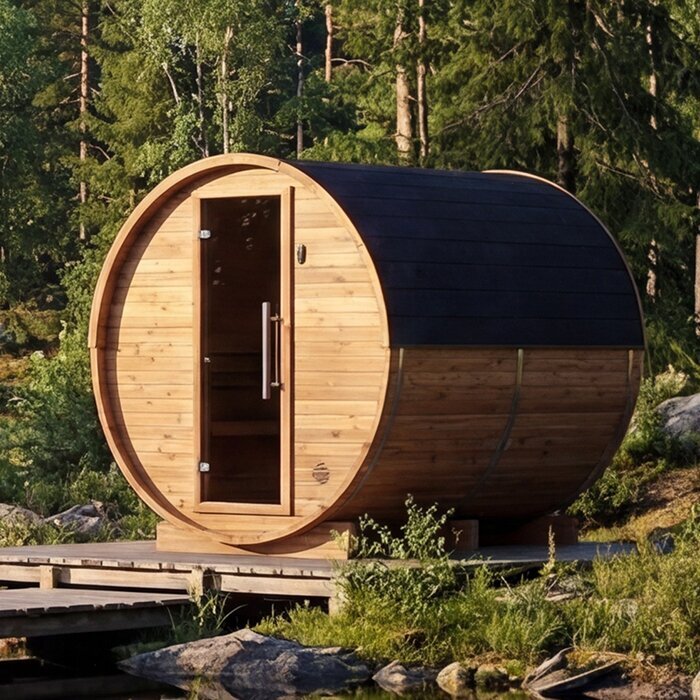
Check guest capacity and the surrounding layout
Translate the service plan into a layout conversation. Decide how many guests you intend to host at once, then ask the manufacturer to confirm the supported occupancy for the exact model and configuration. Request a current dimensioned drawing that distinguishes the external footprint from the usable internal arrangement. Consider the entry approach, door operation and space for guests to wait without blocking a route. Also plan where guests will change, leave belongings and dry off, and whether the route remains practical when one party is leaving as another arrives. A room or site measurement alone cannot answer these operational questions.
Walk the proposed route at a typical busy changeover. Check that staff can reach the controls and complete the required checks between sessions, and that guests can find the entrance and exit. Discuss privacy and any access needs with relevant professionals rather than trying to resolve them from a catalogue image. For Sauna S-140, request a model-specific drawing and occupancy statement, then compare these with the actual site plan before arranging delivery or site preparation. Look at the whole changeover: where the departing party collects belongings, where the next party waits, and whether staff can clean without people passing through the work area.
Decide how guests will be supervised
Choose the supervision arrangement before writing guest instructions or setting access hours. Decide who unlocks and starts the facility, explains its permitted use, confirms the session has ended and can be contacted if a guest reports a problem. If staff will not be continuously present, ask the manufacturer what it permits for unsupervised guest use and what operating steps or monitoring it requires. Do not assume a timer, app or automatic control makes self-service appropriate. Set a process for closing the space when cleaning, maintenance or a reported fault makes it unavailable, and make sure that process matches the current operating manual.
Write a handover that a new team member can follow, using the supplier’s current instructions rather than assumptions drawn from home use. Cover how guests book and enter, where they find the instructions, how staff report a concern and who may restore service after a fault. Give a named role responsibility for checking the space at opening and closing, even if several people share the task. Keep a plan for handling bookings when the sauna is unavailable. In an enquiry about Sauna HC-150, describe who will be present during opening hours and ask the supplier to address that staffing arrangement in its response about permitted guest access.
Plan cleaning between sessions and routine servicing
Commercial suitability includes the work between sessions. Ask the manufacturer for a cleaning and care schedule for the proposed use, including which surfaces need attention, how often, which products or methods are permitted, and what needs to be checked before the next booking. Assign the work to a role and allow realistic time in the turnover plan, rather than assuming guests will leave the area ready for the next party. Provide suitable storage for the specified cleaning supplies and a way to record completed tasks. Follow instructions for the exact configuration: care advice from another model may not apply.
Ask how routine servicing is arranged, which tasks an operator may carry out and which require a service provider. Confirm how to report a fault, how compatible parts are sourced, whether the manufacturer states maintenance intervals, and what records the owner should keep. Check local service support before relying on an assumed response time. Include expected downtime in the calendar, especially if the sauna is promoted as part of a booked stay. When comparing Sauna HC-225 with other options, record who would handle routine servicing and fault enquiries, and distinguish confirmed arrangements from support that still needs to be organised before opening.
Confirm the site and installation requirements
Commercial use also depends on where and how the sauna is installed. Give the supplier the planned location, surrounding exposure, delivery and assembly access, and any known site constraints. Ask which conditions the exact model requires. Use the manufacturer’s installation drawing and instructions, rather than an image or a similar-looking product, to establish the footprint and service requirements. Have suitably qualified local professionals assess electrical work, support, drainage, clearances and any building or planning matters relevant to the site. Technical work should not be improvised from online descriptions. For an outdoor location, verify the product’s stated exposure limits instead of assuming a barrel-sauna design is weatherproof.
Coordinate the supplier, installer and accommodation manager before finalising the operating plan. Confirm who is responsible for assembly, connection, commissioning and passing on the instructions, and retain the records each professional provides. Consider how guests reach the sauna in wet weather, whether the route crosses a private or staff-only area, and how a service provider will get to it later. If access or site work needs to change, have the relevant professionals assess that work. For Sauna N-210, include the current installation documents in this discussion so the supplier and installer can address the same proposed layout, rather than working from different assumptions about the site.
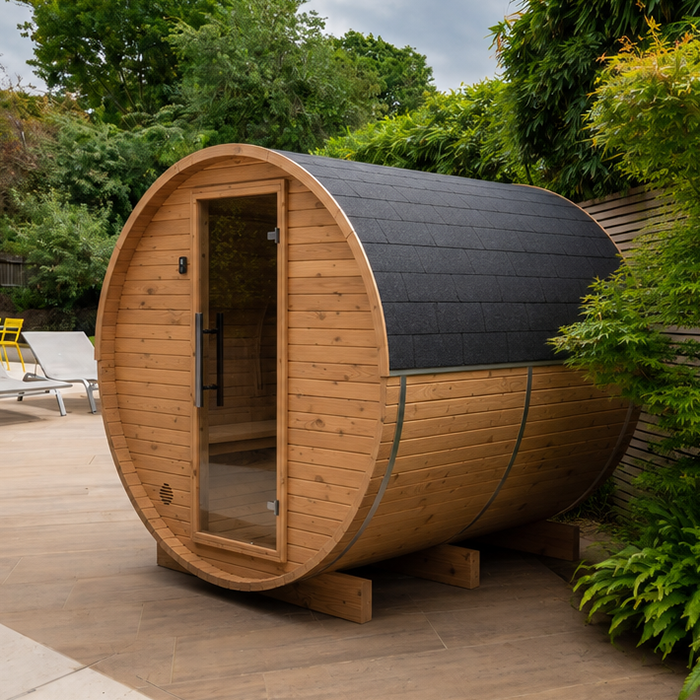
Compare running costs and downtime
Compare operating costs using evidence tied to the exact model and configuration and to your local energy tariff, rather than a generic estimate. Request the assumptions behind any energy figure, including the operating schedule it uses, and check whether that schedule reflects your expected duty cycle. Add staff time for access, handovers and cleaning, plus planned maintenance, consumables and service visits. Account for periods when a fault or service visit makes the facility unavailable. These costs may sit across different budgets, but all affect what it takes to offer the sauna reliably. Avoid forecasting revenue from guessed uptake; keep your own booking assumptions separate from verified supplier figures.
Make a comparison table with separate entries for purchase and installation scope, permitted use, operating conditions, service arrangements, expected running inputs and evidence still outstanding. Do not fill gaps with assumptions because two products share a style or category. Ask suppliers for comparable written information and identify any quote that depends on a site assessment. the N-250 product listing can be recorded alongside other models, but its catalogue entry does not establish energy consumption, included equipment, support arrangements or commercial approval. If a figure cannot be documented, mark it as unknown and show how it affects the budget rather than presenting a precise cost.
Keep a record of the decision and its limits
Set clear purchase criteria that reflect the business, not just a preferred look or price. Keep a model on hold until the manufacturer has answered the intended-use brief, the layout works on the actual site, staff can carry out the documented operating and cleaning tasks, and a qualified installer has confirmed the relevant site work. Record the exact model and configuration, the version of each manual, the written commercial-use response and any conditions or exclusions. If the supplier cannot confirm those points, pause, seek a different configuration or consider equipment expressly intended for the planned use. Do not infer approval from a residential product listing.
Revisit the decision if opening hours, booking access, staffing or expected use changes. A sauna approved for occasional, supervised sessions may not remain appropriate for an extended or self-service schedule unless the manufacturer confirms the revised pattern. Keep a named person responsible for reviewing maintenance records and raising changes with the supplier. For a small hotel or guesthouse, suitability is an operating arrangement as well as a product attribute: the model, site, supervision and service plan need to work together. Record what was approved and the limits that apply, so future staff do not rely on an outdated assumption.
Frequently asked questions
Can I use a residential sauna in a guesthouse?
Do not assume it is suitable. Ask the manufacturer to confirm in writing that the exact model and configuration are approved for guest accommodation and for your planned operating pattern. Check the relevant instructions and terms too; a product description alone does not establish commercial suitability.
How do I assess a sauna’s duty cycle?
Set out the opening days and hours, expected session frequency, whether sessions may run back-to-back, and seasonal peaks. Give those details to the manufacturer and ask for the model’s stated operating limits and any required care or service periods. Once open, compare actual use with the plan.
Does a small hotel need to supervise sauna use?
The number of rooms does not determine the right supervision arrangement. Decide who manages access, explains the manufacturer’s instructions and responds to concerns. Ask the manufacturer what it permits for guest use with your proposed staffing, and check site or business matters with relevant local professionals.
What should I ask about cleaning and servicing?
Request model-specific cleaning and maintenance instructions, including which tasks staff may carry out and which need a service provider. Ask about service intervals, fault reporting, compatible parts, likely downtime and how commercial guest use affects the applicable terms. Assign responsibilities and keep service records.
Do catalogue area figures show how many guests will fit?
No. A figure on a product listing does not by itself establish usable internal layout or occupancy. Request a current dimensioned drawing and a manufacturer-confirmed occupancy statement for the exact configuration, then compare them with the actual site and access arrangements.
The sound choice is the exact sauna model whose approved duty pattern, layout, site requirements and service needs match the way your accommodation will operate. A small property still needs clear responsibility for guest access, cleaning and downtime. Keep the manufacturer’s confirmation and the operating plan together, and revisit them if the service changes.
