
Understanding Sauna Heater Stone Capacity
Sauna heating guide
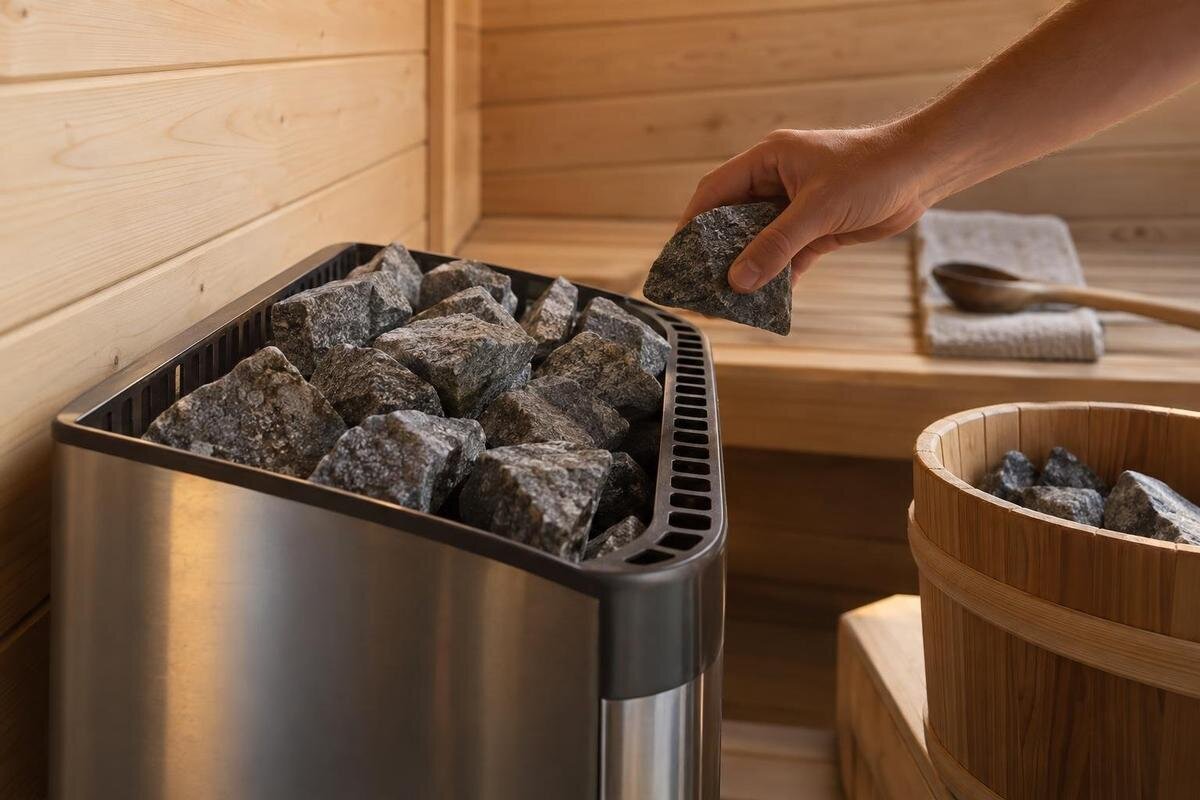
Stone capacity is a useful line on a sauna-heater specification, but it describes only one part of the appliance. The amount of stone a heater is designed to hold can affect heat storage and, where water use is permitted, the way the stones produce steam. It does not by itself tell you how quickly a sauna warms, how powerful the heater is or whether it suits your room. Those outcomes also depend on the heater's construction and output, the stone size and arrangement, the cabin and the manufacturer's instructions. A sound comparison starts with the exact heater model and the sauna it will serve.
What the stone-capacity figure measures
A heater's stone capacity usually describes the mass of stones the manufacturer says the unit is designed to hold. It may be presented as a recommended load, a maximum or a range, and those terms are not interchangeable; check the definition in the heater's own manual. The figure is not the heater's weight, the cabin's floor area, its power rating or an amount of water to use. On an electric model, power is specified separately, commonly in kilowatts. Capacity alone therefore does not confirm that a heater suits a particular room, or predict its warm-up time or the temperature it will maintain.
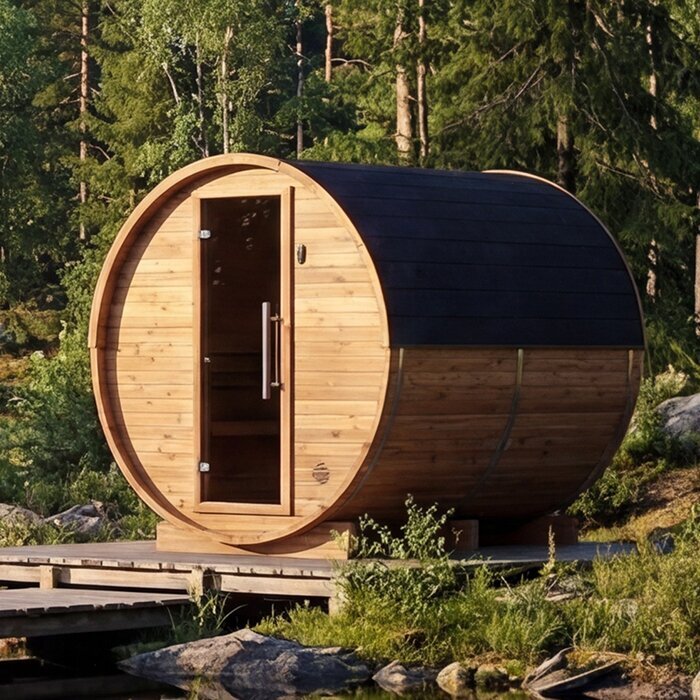
Keep the cabin and heater specifications separate. The Sauna N-250 cabin listing reports 5.27 m²; that describes the sauna, not a heater's stone load or room-volume rating. If heating equipment is selected separately, identify the exact heater model before comparing stone specifications. If a heater is supplied, check which model and configuration the package includes. Record the cabin model, heater model and stone-capacity wording separately so that you do not accidentally compare a cabin specification with an appliance specification. For a replacement, use the installed heater's model documentation: a similar-looking unit may have different stone limits or loading instructions. If a specification gives both a recommended load and a maximum, retain both figures in your comparison rather than shortening them to a single capacity number. The distinction matters when you come to choose and load the stones.
Stone mass can affect heat storage
Stone mass is a form of thermal mass: stones absorb heat from the heater and give some back as the heater and room conditions change. A larger load can store more heat, but what that means in use depends on how the design transfers heat to the stones, the heater's rated output and controls, and the stone size and layout. More kilograms are not a reliable shortcut to a hotter or more even sauna. A heavier load also takes energy to heat; whether that changes warm-up time in practice depends on the complete heater-and-room setup, not capacity in isolation.
Compare documented heater behaviour under conditions relevant to your sauna, rather than treating a stone figure as a performance promise. The Sauna LC-260 listing reports 5.12 m², but the warm-up characteristics belong to the heater-and-cabin combination, not that area figure alone. Look for manufacturer guidance on the exact heater's intended room range and operation. When comparing warm-up information, note the starting conditions and what the description means by ready: heating the room and heating the stone load are not interchangeable descriptions. If those details are not given, leave the comparison open rather than assuming the larger or smaller load wins. Ventilation and cabin construction can also affect the result. This keeps a preference for quick preparation separate from an unsupported conclusion about stone capacity.
The loading pattern matters as well as total weight
Capacity describes the total load, not where each stone sits. Approved stone dimensions, shape and loading sequence are part of the heater design: stones must fit the intended space while allowing heat to reach them and air to move as specified. On a model with elements among the stones, the manual may show how those parts should be covered; other designs may use a different arrangement. Don't force extra stones into a basket, pack them tightly or leave components exposed based on a general rule. Follow the exact model's loading diagram.
Before buying extra or replacement stones, check the approved material and size as well as the stated load. Two loads with the same total mass can have different arrangements and expose different amounts of hot stone, so capacity does not describe the surface area or air paths within the heater. When considering the Sauna HCF-300 listing, which reports 6.89 m², keep the stone-ordering details with the selected heater's specification. Note the required stone size, total load and loading diagram together; knowing only how many kilograms to buy leaves the arrangement unresolved. If stones are supplied in separate packs, distinguish the quantity being purchased from the load the heater requires. Ask the seller or manufacturer about unclear loading instructions rather than using the package weight as a substitute for them.
Stone layout influences the steam experience
Where a heater is designed for water application, water landing on sufficiently hot stones turns to steam. The amount and feel depend on stone temperature, the exposed surface, heater shape, and how much water is applied and where it lands. A capacity in kilograms does not show how much surface remains accessible, how evenly the stones heat or whether water application is permitted for that appliance. It cannot promise a particular volume or feel of steam on its own.
Compare heater designs as well as stone loads. A deep stone basket and a more compact arrangement can position stones differently in relation to heating elements and airflow; these are details you cannot reliably establish from a product photo. The Sauna LCF-300 listing reports 6.89 m², matching the listed area of the HCF-300, but that shared figure does not establish a shared steam experience. For the heater selected with either cabin, look for an explanation of where water may be applied and how the stone arrangement supports that use. Keep permitted operation separate from subjective descriptions such as gentle or intense. Those words do not replace the maker's water-use instructions, and a larger capacity does not establish either description. Compare the intended operation before deciding which design better matches your preferences.
Capacity is different from power and room rating
For an electric sauna heater, distinguish stone capacity from rated power, commonly stated in kilowatts. The two figures describe different parts of the appliance: one concerns the stone load, while the other is its power rating. The manufacturer's stated room-volume range, where provided, is another separate compatibility check. A high stone-capacity figure does not automatically mean a heater is more powerful or approved for a larger room; a lower figure does not prove it will suit a particular cabin. For other heater designs, follow their own rating and sizing guidance instead of assuming the same specification conventions apply.
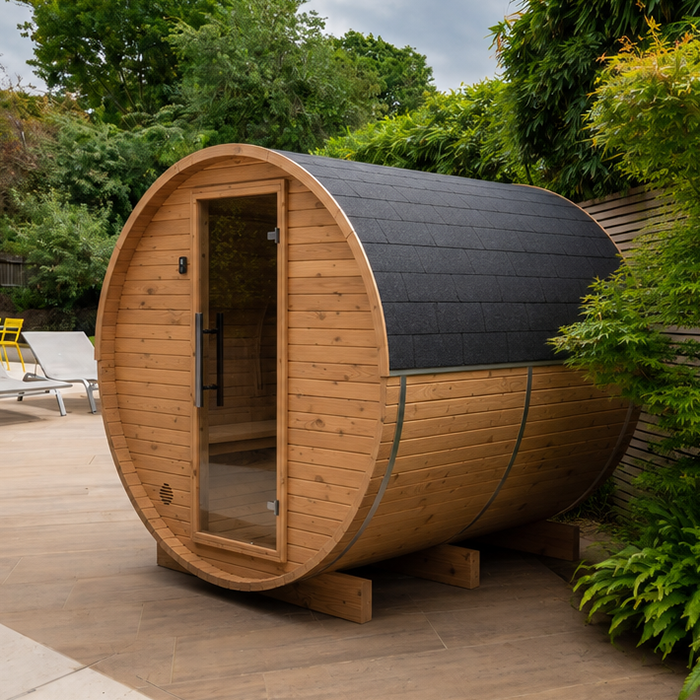
Use reliable cabin information to establish the space that the heater must serve. The Sauna S-140 listing reports 1.93 m², but that area is not a room volume or a heater recommendation. Check internal dimensions and ceiling height against drawings or specifications, then compare them with the exact heater's approved room range. Keep power, room range and stone capacity in separate columns when comparing options: none of the three should silently stand in for another. If the manufacturer identifies glazing or other surfaces as relevant, follow its guidance or ask a supplier or qualified installer. A heater should meet the room requirements before its stone capacity becomes a useful point of comparison; do not turn the listed area into your own sizing calculation.
The sauna enclosure sets the sizing context
A single area figure may not describe the information a heater maker needs to assess a sauna. Internal length, width and height, glazing, insulation, adjacent surfaces and ventilation can matter, depending on the manufacturer's guidance. A listed area does not on its own give the room volume or account for every construction detail. Use the maker's instructions for the intended cabin, including any stated adjustments, rather than trying to match a catalogue area directly to a stone load.
Collect the exact sauna model and its available dimensions and construction information before choosing a heater. The Sauna HC-150 listing reports 2.97 m²; retain that as the listed area without relabelling it as internal room volume. For the sizing assessment, distinguish dimensions that describe the outside of the cabin from those that describe the heated interior. Keep any information about glazing, insulation and ventilation with the cabin details, rather than attaching it to the stone-capacity figure. This makes it easier to see which room characteristics the heater maker's guidance addresses and which questions remain open. If selecting heating equipment separately, give the supplier or qualified installer the cabin information as a whole. Comparing that information with the heater's room guidance is more useful than looking for a direct relationship between square metres and kilograms.
Check which stones and equipment are included
The capacity stated for a heater and the stones supplied with it are separate things to verify. A capacity may describe the intended or permitted total load, while the package information lists the quantity included; one wording does not guarantee the other. Confirm whether stones are supplied, how many, and which type and size the heater requires. Before topping up an existing load, consult the manual: substituting a different stone size or type may change the arrangement even if the total mass is unchanged. Don't assume stones sold for another heater are suitable.
Check the sauna's package details as well as the appliance specifications. The Sauna HC-225 listing reports 4.4 m²; use the package description, rather than the area or photograph, to establish which equipment is included. Ask for an itemised list that distinguishes the heater, supplied stones and any separately selected equipment. For the stones, record the supplied quantity alongside the heater's required load so that you can identify whether an additional purchase needs discussing. Do not assume that a reference to stones means the full specified load is included, or that a stated capacity describes what arrives with the order. When comparing packages, this distinction lets you assess their contents consistently without mistaking a larger capacity for a more complete set. Resolve differences in wording before choosing between otherwise similar offers.
Installation layout is a separate specification
Stone capacity does not determine where a heater can be installed. The maker's instructions set out the required spacing from nearby walls, benches, ceilings or guards, as well as relevant ventilation, access and support requirements for that model. These details affect whether a heater fits the layout, but its stone-load figure says nothing about clearance. The arrangement also needs to allow stones to be loaded as directed and equipment to be accessed as specified. Don't alter protective arrangements or the sauna layout simply to make a larger heater fit.
Consider the heater's installation drawing alongside the sauna layout, and have a suitably qualified installer confirm positioning and connections, especially for electrical equipment. For the Sauna N-210 listing, which reports 4.43 m², use the actual layout rather than the overall area to discuss heater placement. Distinguish the appliance's own dimensions from the space its installation instructions require around it. Then consider whether the specified position leaves the necessary access for loading stones and servicing equipment. A heater that occupies a particular footprint is not necessarily compatible with every position that appears to accommodate its body. Keep these layout questions separate from the choice of stone load: selecting fewer stones does not replace the installation requirements, and choosing a larger load does not establish that more space is available.
Consider how you plan to use the sauna
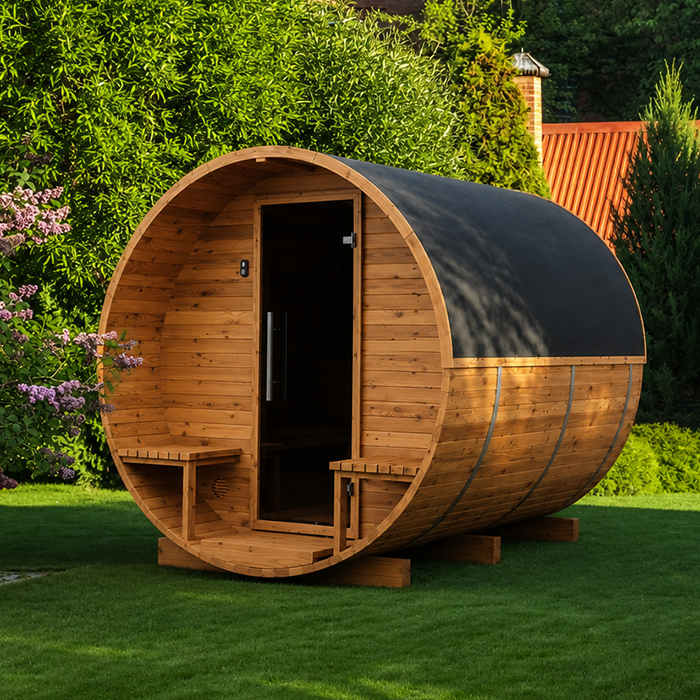
Your preferred way of using a sauna helps identify which heater characteristics matter, but it does not translate directly into a stone load. If you value a particular preparation routine, frequent use or water-on-stone operation, consider the heater's controls, stated operating guidance and design alongside its capacity. Describe the preference precisely: wanting straightforward preparation is a different requirement from wanting a particular steam experience. Keeping those aims separate helps you ask useful questions about each design rather than expecting one capacity figure to answer both. For a sauna shared by several people, consider whether the intended operation suits your routine and whether controls and access work with the layout. These are preferences to check against documented design, not reasons to exceed an approved load or choose a heater outside its stated room range.
More stones are not automatically better for every user: a larger load also means more stones to arrange according to the heater's instructions. If steam from water on stones is important to you, first confirm that the exact model permits it and follow its directions for use. Capacity alone cannot tell you how much water is appropriate, how often it can be applied or what the resulting feel will be. Ask for manufacturer information on the features you care about, rather than using kilograms as a general score for comfort or performance.
Compare complete, model-specific specifications
A useful comparison puts the exact heater model beside the sauna it will serve. Check what its stone-capacity figure means; its rated power and stated room range where applicable; the approved stone type, size and layout; and whether stones are included. Then check the cabin's dimensions and relevant construction details, the equipment included in the package, and the heater's installation instructions. These details may sit in different product documents, so compare manuals and specifications rather than relying on a single summary line or image.
If two heaters have different stone capacities, ask what each design is intended to do with that load before ranking them. Compare their loading diagrams and room guidance on the same basis, retaining qualifications such as recommended or maximum beside each figure. Mark unanswered questions separately from confirmed specifications so that an incomplete description does not appear to be an advantage or a drawback. Where information is missing, ask the supplier or manufacturer before treating the figures as comparable. The useful choice is a compatible heater whose stone load and operating design suit the intended use—not simply the largest number on a page.
Frequently asked questions
What does a sauna heater's stone-capacity figure measure?
It usually states the mass of stones the manufacturer intends or permits the heater to hold. Check the exact manual to see whether the figure is a recommended load, a maximum or another specified range. It does not tell you the heater's power, the sauna's size or how many stones are included in the package.
Will a heater with more stones warm the sauna faster?
Not necessarily. A larger stone load needs energy to heat, but the effect on warm-up depends on the heater's output and design, its controls, the stone arrangement and the sauna itself. Stone capacity alone cannot provide a reliable warm-up comparison between different models.
Does a higher stone capacity mean more steam?
No. Capacity is a weight, not a measure of exposed hot-stone surface or steam output. Heater design, stone placement and temperature, and whether the manufacturer permits water application all matter. Follow the instructions for the exact heater rather than inferring how it will behave from kilograms alone.
Should I fill the heater to its maximum stone capacity?
Only load it as the manufacturer directs. A stated maximum is not necessarily the recommended target, and the specified stone size and arrangement matter as well as total weight. Overfilling, packing stones tightly or using an unapproved type can interfere with the intended layout and airflow.
How do I match stone capacity to a sauna cabin?
Identify the exact cabin and heater models, then check the heater maker's room-range guidance, rated power where relevant, stone load and approved arrangement. Cabin area alone may not give the room volume or other details the heater maker requires. Ask the supplier or a qualified installer to resolve any uncertainty about the exact configuration.
Stone capacity becomes useful when you read it alongside the exact heater design, its approved stone arrangement and the room guidance for the sauna. Confirm what the figure means, what stones and equipment are included, and whether the complete setup suits the cabin and installation layout. Then the number can help explain how the heater is designed to work, without being mistaken for a stand-alone promise about heat-up time, steam or performance.
