
Buying a summer house on Black Friday: compare the full project cost

Black Friday buying guide
Planning to buy a summer house on Black Friday? It is easier to assess the purchase when the building price is only one line in the budget. Delivery, base preparation, assembly and necessary finishing can all affect the amount required to complete the project. Compare any offer with a like-for-like total, using confirmed charges rather than assumptions. The aim is to understand what each option costs to buy and put in place, not to treat a headline figure as the whole answer.
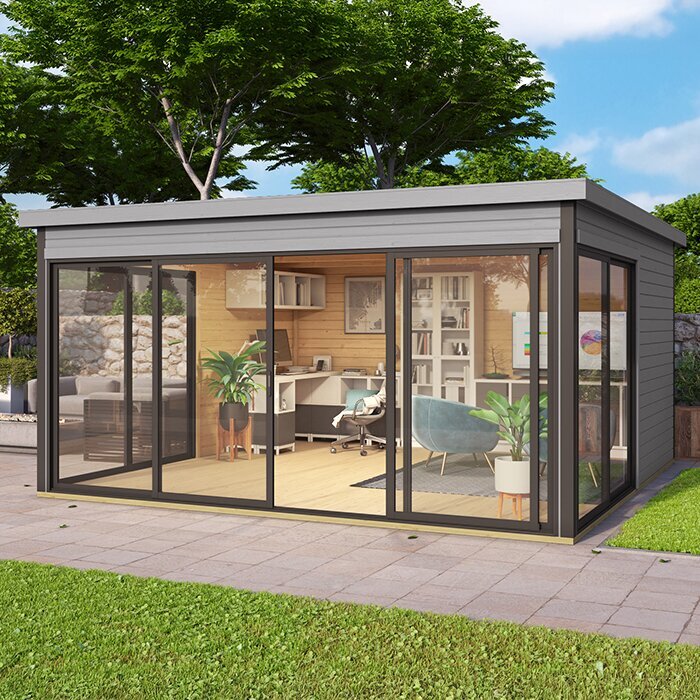
Compare the whole project cost
For each option, build a project total rather than comparing a building-only price with a package or contractor quote. Add the price of the exact summer house and selected configuration, delivery, base and site preparation, assembly, and finishing items that the supplier’s instructions or your intended use make necessary. Include separately quoted unloading, access or disposal charges where they apply, and any essential component that is not in the building package. A Black Friday label does not show which costs are included, or whether an offer applies to the version selected. Enter a reduction only when the final amount and its conditions are confirmed.
Record the date, exact model or variant, displayed price, included items, delivery assumption and quote validity. The Verdana 1 product page can be one row in that comparison, but its name alone says nothing about the price or package contents; check the information shown for the version you are considering. If an offer bundles extras, list them separately and decide whether you would otherwise buy them. Mark an unquoted base or installation cost as “to be confirmed”, not zero. If an offer depends on a particular configuration, note that alongside the price so that an apparently complete total cannot conceal an unfinished part of the budget.
Set the same requirements for every option
Before comparing prices, write down what the building has to do for you and which requirements are essential. Note the usable space you need, where it will sit, the access needed to enter it and any non-negotiable features; keep preferred appearance or optional extras separate. This gives you a consistent brief, so an apparently cheaper option is not being compared with a different level of provision. Check published measurements and descriptions for each candidate rather than estimating from a photograph or relying on its model name.
Compare only options that meet that brief, then record the exact product and selected version so an offer on a different variant does not distort the result. Differences in configuration or included components can change the overall cost. Treat the Verdana 2 listing like any other candidate: verify its current details and any supplier confirmation before adding costs. Apply the same requirements to each option, and mark the comparison as provisional if you cannot yet match an important specification. A clear shortlist makes price differences more meaningful and keeps the decision focused on what you actually intend to buy.
Check what the building price includes
Separate the cost of the building from the scope of the supplied package. A product page or quote may refer to the building alone, a selected configuration or optional items, so check the order breakdown for what is actually covered by the price. Items to verify can include the floor, roof covering, glazing, fixings, locks or a surface treatment. These are prompts for checking the specification, not an assumption that a particular summer house includes or requires them. Compare the listed components with the supplier’s instructions and your plans before deciding what else needs pricing.
Ask whether the displayed amount changes when you select a configuration, finish or add-on, and confirm that your choice appears on the final order. For example, use the Durano garden-house listing to identify a candidate, then check its current product information or written quote for the exact version and included components. Do not infer these from a name or photograph. If the package description is unclear, request an explanation. Where two options include different extras, price equivalent items separately or show the difference clearly; this helps prevent both double-counting and overlooking something you expected to be supplied.
Add delivery to the budget
Delivery can change the project cost even when two buildings have similar displayed prices. Check the charge against the full delivery postcode, and ask whether the quoted service covers a stated drop point or placement at the intended site. Do not assume that a delivery fee includes unloading, moving packages across the garden or handling restricted access. Record both the amount and what it pays for. If the figure is an estimate or depends on information that has not yet been confirmed, mark it as provisional rather than treating it as a fixed cost.
Describe the route from the access point to the build location, including gates, steps, narrow sections and the distance across the plot. Ask the seller or carrier what access they can accommodate, whether additional handling or another visit might cost extra, and who arranges unloading. When comparing the Veltor 1 product page, keep the building figure separate from the delivery amount confirmed for your address. Apply the same access assumptions to every option; similar wording on two pages does not necessarily mean the same service. This makes the delivery-cost comparison more useful than a general estimate.
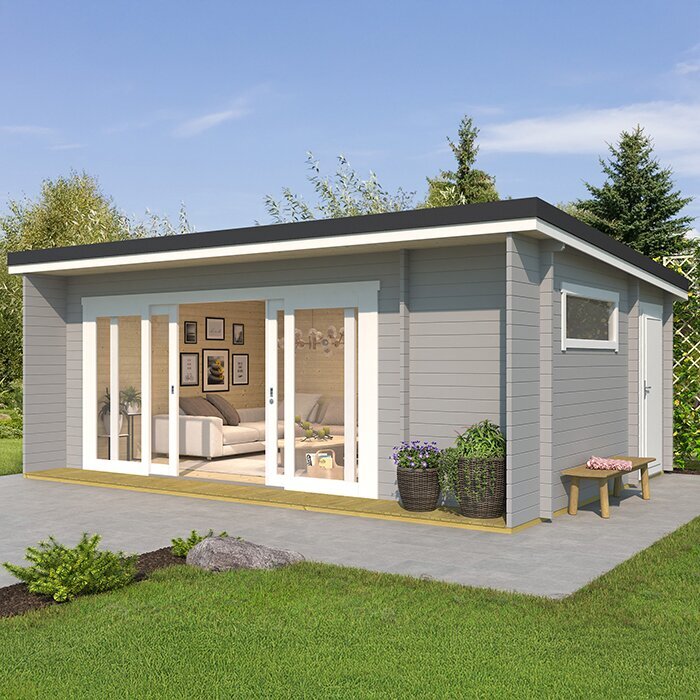
Price the base and ground preparation separately
The building price does not establish what preparation a particular plot needs. First check the base requirements stated for the exact product, then discuss the site with the supplier or an appropriate installer if ground conditions are uncertain. Existing hardstanding, uneven ground, vegetation, slopes and access for workers may affect the work, but they do not point to one universal base solution. Do not choose a base type from a general buying article or assume an existing surface is suitable without checking it against the product instructions and the conditions on site.
Ask for a written breakdown of any base quote, including preparation, materials, labour and removal or disposal where required. Clarify whether the quote covers work for your selected model and site, or only supplies a surface, and ask which additional tasks are excluded. The Orello garden-house listing identifies an option to compare, not a base specification; use the relevant supplier instructions and site-specific advice for the chosen building. If a quote is based on limited information, ask what assumptions it makes. Compare like-for-like scopes and add each part of the work to your project total only once.
Compare installation costs by scope
Decide whether you plan to assemble the building yourself or hire an installer, and include that choice in the summer house project cost. If self-assembly is an option for the selected product, consider the time available, the instructions, any tools or assistance you may need, and how the work fits around delivery and base preparation. These are planning considerations even when there is no labour invoice. If you want to hire someone, request a quote for the exact version and site rather than relying on an unverified typical rate.
Check an installer’s written scope: does it cover unpacking, assembly, roofing or other finishing, positioning and packaging removal? Are delivery, a prepared base, travel, access constraints or extra visits excluded? Do not compare a price for assembly alone with a wider package without accounting for the missing work. For the Modano 1 product listing, use the specific product information when requesting a quote, and ask the seller or installer to confirm any relevant assembly requirements. Keep delivery and installation as distinct budget lines, and make sure each quote explains what the labour amount does and does not cover.
Include necessary finishing and extras
Finishing costs can be easy to miss when they appear as separate choices rather than part of the main building price. Check the product instructions and order breakdown for any stated requirements or included treatment, roof finish, floor, glazing or locking components. Do not assume that an item is supplied or needed for every product; verify the specification for the version you have chosen. If the seller offers treatments or other extras, compare the relevant ones with your plans and check whether they are already included in a package before adding them to the budget.
Separate what is needed to complete the building from what would simply make the space more comfortable or attractive. Keep optional furniture and decoration outside the core project total unless you have deliberately included them. If your plans include lighting or other electrical work, price that separately with a qualified professional rather than assuming it is part of the building or installation cost. The Veltor 2 product page can identify a candidate for your comparison, but its current inclusions and any extras should be checked directly. This distinction helps keep the core project total useful while still giving you a place to record optional spending.
Check access, timing and quote conditions
Access and timing affect whether quoted services can be carried out as planned. Describe the route and working area, not just the garden entrance, and ask the delivery company or installer what access they require. Consider whether people, materials and the installation team can reach the intended location, and whether you have a suitable plan if delivery arrives before ground preparation is complete. Do not assume a supplier will store or move a delivery; confirm any such arrangement and its cost in writing. Include any confirmed access charge in the project total, rather than leaving it buried in a general note.
Agree an order sequence so the base, delivery and assembly are not booked on incompatible assumptions. For each quote, record its date and validity period, the expected delivery or installation window, and any payment, cancellation or rescheduling terms that apply. Verify those details before paying; they can affect planning even though they do not change the building specification. When considering the Veltor 3 listing, check the current product information and request timing and service details for your postcode. Do not infer availability or delivery dates from a page title. Treat unconfirmed dates and charges as provisional when comparing options.
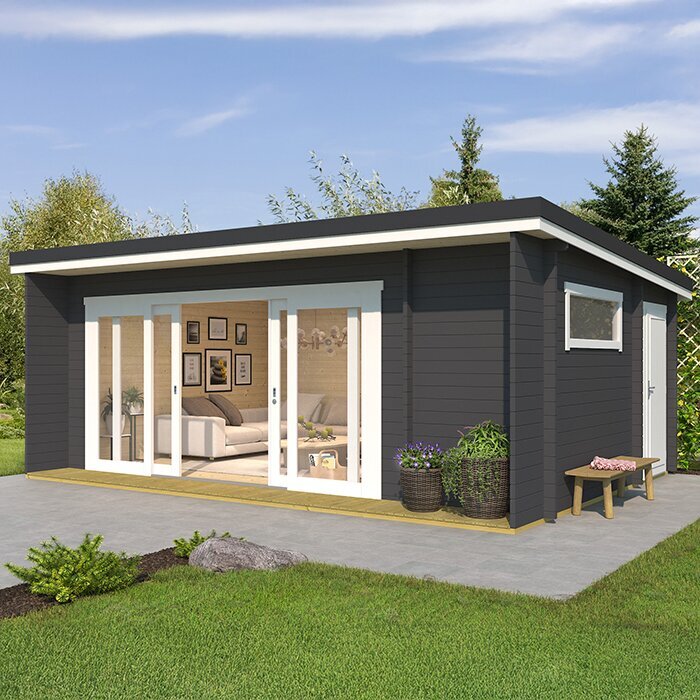
Make a like-for-like cost comparison
Put the options side by side using the same cost lines: selected building and configuration, delivery, base preparation, installation, necessary finishing, other confirmed site charges and optional extras. For each line, note whether it is included, separately quoted, estimated or not applicable. This lets you compare a product package with a contractor’s quote without discarding useful inclusions, while making gaps visible. If one option includes a component that another does not, either price an equivalent component for the second or state clearly that the totals are not yet comparable.
Keep assumptions beside the figures: the postcode supplied, delivery point, site description, access information and exact model variant. Use written amounts where possible, and do not assign a made-up value to an unknown cost or treat an unrequested service as free. Ask for a quote or leave the total clearly provisional. If the same task appears in several quotes, place it on one line only so you do not count delivery or base work twice. If you set aside a contingency, show it separately from supplier quotes; this keeps confirmed costs distinct from your own allowance.
Decide whether the offer suits your project
Once the scope is consistent, judge any offer against both the complete project cost and your original requirements. A low building price may suit your budget if the option meets the brief and the remaining costs are confirmed; a higher figure may include items you would otherwise buy. Neither pricing structure is automatically better. Compare any Black Friday amount with the total for the same product and level of service, not an unrelated package or a figure remembered from another date. If optional extras differ, calculate a core total and add only the extras you genuinely plan to purchase.
Before ordering, recheck the exact model and selected configuration, final payable amount, delivery address and service, base requirements, installation scope and any separate finishing purchase. Confirm which figures are fixed and which remain estimates, and make sure the quoted dates and payment terms still apply. If an important part of the project cannot yet be priced, include that uncertainty in your decision rather than calling the headline offer the cheapest. A good comparison tells you what the whole project involves and whether it is affordable and workable, not simply which building has the most eye-catching price.
Frequently asked questions
Does a Black Friday summer house price include delivery and installation?
Not necessarily. Check the product information, checkout and written quote for the exact order, as delivery and assembly may be priced separately or offered on specific terms. Use the confirmed amount for your postcode and chosen service in the project total; do not assume either cost is covered by the headline price.
What belongs in a complete summer house project cost?
Include the selected building and configuration, delivery, any required base preparation, installation and necessary finishing. Add separately quoted handling or site work where relevant. Keep optional furniture and decorative extras separate unless you have deliberately included them in your budget.
How should I compare summer house base quotes?
Check the requirements for your chosen building, then compare written quotes for the same scope. Ask what preparation, materials, labour and disposal are covered, and whether the quote is based on your actual site. Do not assume that a general base recommendation suits every product or plot.
Is self-assembly always cheaper than hiring an installer?
It may avoid a paid installation charge, but it is not cost-free in practical terms. Consider the time, tools and assistance you may need, and compare those with an installer’s written scope and price. Confirm that any quote covers the exact building and does not leave necessary work unpriced.
How can I judge whether a Black Friday offer is good value?
Compare the confirmed total for the exact product and configuration, including the services and components your project needs. Check what the offer applies to, and record any costs still awaiting a quote. A headline reduction alone cannot show whether one complete project costs less than another.
A reliable summer house comparison includes the building, delivery, base work, installation and any finishing your project actually needs. Check each cost against the same specification, keep unknowns visible and count optional extras only when they belong in your plans. That gives you a clearer view of the full project cost than a Black Friday headline price on its own.
