
Bloomcabin Greenhouse Setup UK: Layout, Planting & Care
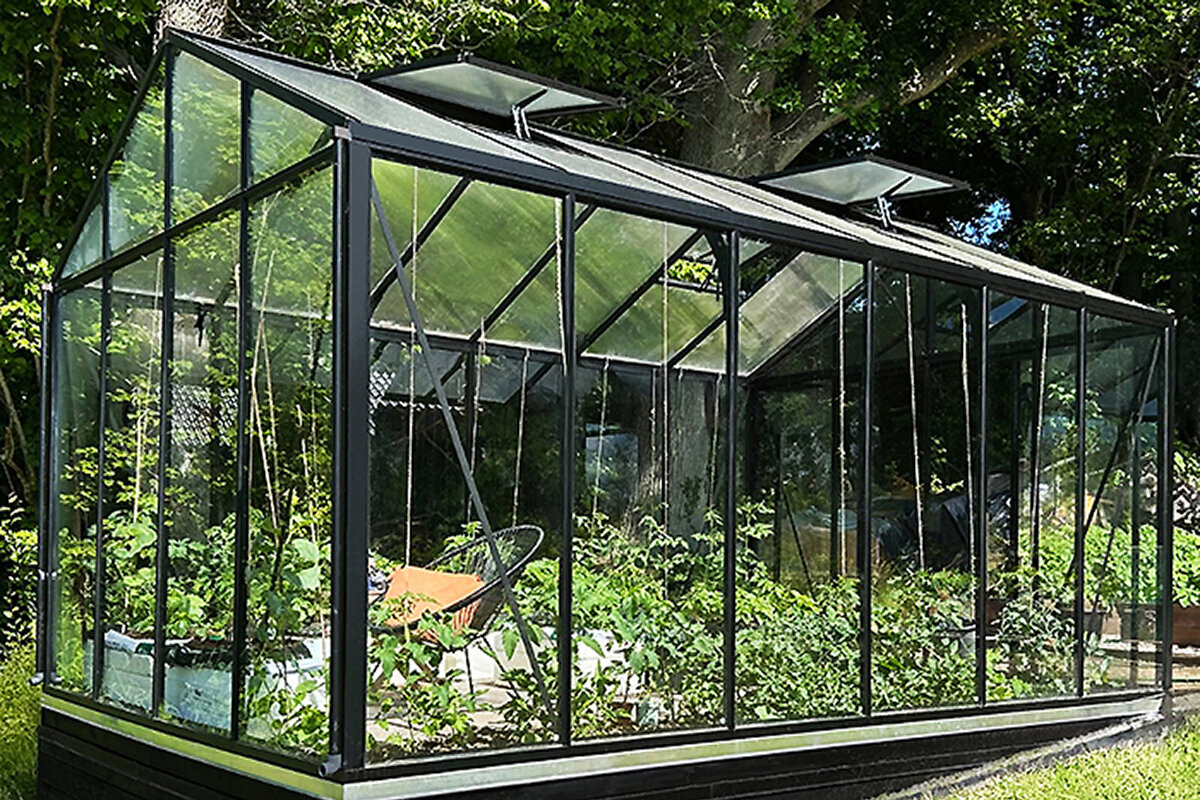
First Steps After Assembly: How to Decide the Best Greenhouse Setup for Your Bloomcabin Greenhouse (UK Guide)
You’ve assembled your Bloomcabin greenhouse—well done. The frame is steady, the glazing is in place, and that first moment of stepping inside feels like opening a new chapter in your garden. Now comes the stage that turns a fresh build into a thriving, long-lasting growing space: creating the best greenhouse setup for your garden, your goals, and the realities of the UK climate.
The United Kingdom has a distinctive greenhouse challenge. Our weather can shift quickly, light levels vary hugely through the year, humidity is often high, and wind can be relentless—especially in coastal areas and open gardens. That’s why the “after assembly” choices matter so much. A thoughtful greenhouse layout, a smart watering plan, good ventilation habits, and simple maintenance routines will give you stronger plants, fewer pests, less disease, and a greenhouse that stays beautiful and functional for years.
This practical guide walks you through the first steps after assembling a Bloomcabin aluminium greenhouse (also commonly searched as an aluminum greenhouse or aluminium greenhouse). You’ll learn how to:
- decide your greenhouse “mission” and plan the interior accordingly
- map microclimate zones so plants are placed where they naturally thrive
- choose the right mix of beds, benches, and containers for UK conditions
- plan a greenhouse layout that stays comfortable and easy to maintain
- choose what vegetables, fruits, and flowers to plant first (UK-friendly suggestions)
- reduce humidity issues with ventilation, airflow, and smart watering
- maintain and clean your greenhouse to protect long-term performance and appearance
Bloomcabin greenhouses are built for high standards, Bloomcabin quality, and superior design, using the best materials for long-term performance—while still offering friendly prices for a premium experience. If you’d like to browse greenhouse styles and sizes available for the UK, visit: Bloomcabin UK Greenhouses & Conservatories.
1) Why the Setup After Assembly Matters (Especially in the UK)
A greenhouse is not just a structure—it’s an environment. After assembly, your greenhouse is a blank canvas: light, air, heat, moisture, and workflow haven’t been “designed” yet. If you simply place plants wherever they fit, the greenhouse can become awkward to use and hard to manage. If you plan thoughtfully, it becomes a calm, productive space that feels like a natural extension of your garden—almost like a bright, functional garden room.
In the UK, the biggest setup mistakes tend to be:
- Underestimating humidity: damp air plus stillness encourages mould, mildew, and botrytis.
- Overcrowding: cramped layouts reduce airflow and make cleaning difficult.
- Watering too often: especially in low-light periods, which leads to fungus gnats and root problems.
- Ignoring workflow: no space for potting, tools, or a comfortable path, so the greenhouse becomes a chore.
- Skipping routine cleaning: algae and grime reduce light transmission and invite pests.
A Bloomcabin aluminium greenhouse gives you a premium foundation: a durable frame, a modern, elegant look, and a structure built for long-term use. The “best greenhouse setup” is how you unlock that value. Good ventilation habits, a layout designed for access, and simple maintenance ensure your greenhouse continues to perform with the high standards you expect from Bloomcabin quality.
2) The UK First-Week Checklist After Assembly
Before you install beds or bring in a mountain of compost, take a few days to observe how your greenhouse behaves. UK gardens can have surprising microclimates: a wind tunnel between fences, a shady corner created by a tree, or a sun trap next to a brick wall. Your first week is about learning the greenhouse’s “personality”.
Day 1–2: Confirm smooth function
- Check door movement: make sure it opens and closes smoothly. Clear tracks if needed.
- Test vents: open and close them fully. Ventilation is the backbone of greenhouse success.
- Inspect glazing security: look for movement in wind. Tighten or adjust if anything feels loose.
- Look at seals and joints: especially after a windy day. A snug greenhouse holds heat better and reduces drafts.
Day 3–5: Observe light and temperature
- Map sunlight: take quick photos at 9am, noon, and late afternoon. Note any shade patterns.
- Track temperatures: record the minimum and maximum for a few days (a simple thermometer works).
- Notice condensation timing: when does it appear and when does it clear? This tells you about airflow needs.
Day 6–7: Walk around after rain
- Check drainage: is water pooling near the base?
- Look at splash zones: muddy splash on glazing encourages grime and algae. Consider edging or gravel.
- Plan access in wet weather: a greenhouse is most useful when the garden is soggy—make sure you can reach it comfortably.
These “quiet” first-week steps pay off massively. They help you place beds and benches in the best positions and they prevent common UK problems like persistent condensation, mouldy corners, and muddy entrances.
3) Define Your Greenhouse Goal (Your Layout Should Serve Your Life)
Your greenhouse layout should be built around your main goal. The UK is ideal for a flexible greenhouse plan because you can use it for seed starting in late winter, warm-season crops in summer, and cool-season greens in autumn. Decide what matters most.
Choose a primary purpose
- Seed starting and propagation: benches, shelves, heat mats, strong organisation.
- Vegetable production: beds, trellises, watering efficiency, airflow.
- Season extension: thermal mass, insulation strategy, winter greens.
- Flowers and overwintering: staging, tidy zones, pest monitoring.
- Greenhouse as a garden room: a calm place to pot, prune, and enjoy your plants.
Then pick one secondary purpose
- Hardening off seedlings before outdoor planting
- Overwintering tender plants and citrus (where suitable)
- Growing herbs for the kitchen year-round
- Starting cut flowers early for a longer blooming season
The best greenhouse setup is the one you’ll use constantly. A layout that looks impressive but feels awkward will slowly be neglected. A layout that feels easy will become part of your routine—and that’s where the magic happens.
4) Plan Microclimate Zones: Let the Greenhouse Work for You
Every greenhouse has zones. In the UK, the difference between warm and cool areas can be noticeable even in a small greenhouse, especially during shoulder seasons. Mapping microclimates helps you choose where to put seed trays, where to grow tomatoes, and where to keep overwintering plants.
Typical greenhouse zones
- Warm/high zone: hot air rises; the upper air and roof area warm fastest.
- Cool/low zone: near the floor and around the door, especially when it’s windy.
- Humid corners: corners and crowded areas where air doesn’t move well.
- Dry airflow path: areas where the breeze flows from door to vents (often healthier for many plants).
What to place where (UK-friendly)
- Warm zone: tomatoes, peppers, aubergines, basil, cucumbers (with good airflow).
- Cool zone: lettuce, spinach, rocket, coriander, seedlings that prefer cooler conditions.
- Humid corner plants: use cautiously—dense foliage here often triggers mildew; keep corners clear if possible.
- Dry airflow plants: Mediterranean herbs like rosemary and thyme; seedlings prone to damping-off (with careful watering).
Bloomcabin superior design and sturdy aluminium construction help your vents and doors operate smoothly over time. That means you can manage these zones day-to-day without constantly fighting sticky hinges or jammed tracks—small details that make a big difference in real-life greenhouse gardening.
5) Choose Your Growing System: Beds, Benches, Containers—or a Hybrid
One of the most important “after assembly” decisions is how you will actually grow. The best greenhouse setup is often a combination of systems, especially in the UK where many gardeners do both seed starting and summer crops.
Option A: Raised beds (excellent for vegetable greenhouse growing)
Raised beds make greenhouse growing feel productive and grounded. They hold moisture more evenly than pots and they work brilliantly with drip irrigation. For UK gardeners, raised beds also help manage messy, wet ground by keeping the growing medium elevated and contained.
- Best for: tomatoes, cucumbers, peppers, herbs, salad greens, companion flowers.
- Pros: stable moisture, high yields, tidy appearance, efficient watering.
- Cons: more permanent, soil needs seasonal amendment.
Option B: Benches and staging (ideal for seed starting and flowers)
If your greenhouse goal includes propagation, a bench is almost essential. It keeps seed trays at a comfortable working height, improves airflow around plants, and helps you spot problems early. In damp UK conditions, keeping plants off the floor also reduces the chance of algae and fungus gnats building up around pots.
- Best for: seed trays, herbs in pots, cut flowers, overwintering tender plants.
- Pros: flexible, easy to organise, great airflow, easy cleaning under benches.
- Cons: pots can dry faster in warm spells; more frequent feeding for containers.
Option C: Containers (perfect for flexibility and feature plants)
Containers let you “curate” your greenhouse. Large pots can host citrus, figs, or a statement plant that makes the greenhouse feel special. Containers are also useful for quarantine—if you spot pests, you can isolate a plant quickly.
Option D: Hybrid (the best greenhouse setup for many UK Bloomcabin owners)
A hybrid setup balances productivity and flexibility. A popular UK approach is:
- one raised bed for summer fruiting crops
- one bench for seed starting, herbs, and seasonal pots
- a few larger containers for “feature” plants or overwintering
- a clear path wide enough to move comfortably even in muddy-boot season
Hybrid layouts suit Bloomcabin aluminium greenhouses beautifully: they look tidy, feel premium, and stay practical, matching the high standards and superior design of the structure itself.
6) Greenhouse Layout Planning (UK Measurements That Actually Work)
The UK greenhouse classic is a narrow path with staging on both sides. That can work, but only if it stays easy to move, water, prune, and clean. Your layout should serve comfort and access first, then maximise planting space second. You’ll enjoy your greenhouse far more if it feels calm and spacious.
Path width: your comfort baseline
If possible, aim for a central path of about 60–75 cm (roughly 24–30 inches). If you plan to use a small trolley or want extra comfort, go wider. A narrow path can be workable, but it often leads to brushing against wet foliage, snapped stems, and a greenhouse that feels “too busy” to maintain.
Reach rule: never step into your bed
You should be able to reach every plant without stepping into soil. Stepping into beds compacts soil, reduces drainage, and stresses roots. If a bed is too wide, consider making it narrower or adding access from both sides.
Three layout templates that work in the UK
Template 1: Classic productivity
- bed on the left + central path + bed on the right
- bench at the back wall for trays and potting
- vertical strings for tomatoes/cucumbers overhead
Template 2: Hybrid workhorse (highly recommended)
- bench/staging on one side for propagation and herbs
- raised bed on the other side for summer crops
- wide path for watering and cleaning
Template 3: Greenhouse + garden room feel
- narrow beds or containers along the walls
- pavers or compacted gravel path for clean access
- a small seat or stool for potting and enjoying the space
- hanging baskets for flowers and fragrance
Design for cleaning (a UK must)
In the UK, algae, moss, and grime can build up quickly, especially around damp floors and shaded corners. Your greenhouse layout should allow easy sweeping, easy wiping, and access to corners. A layout that blocks corners often becomes a source of persistent damp and pest pressure.
7) Watering Strategy for the UK: Less “More”, More “Right”
In the UK, overwatering is a common greenhouse problem—particularly in spring and autumn when light levels are lower but temperatures can still rise during the day. The best greenhouse setup includes a watering approach that supports plant health without turning the greenhouse into a humid fog.
Choose your watering method
- Hand watering: perfect for beginners; builds daily plant awareness.
- Drip irrigation: excellent for raised beds; reduces wet foliage and helps prevent fungal issues.
- Soaker hose: simple and effective for beds; provides gentle, consistent moisture.
- Capillary matting: ideal for seed trays and small pots on benches.
UK-friendly watering habits
- Water in the morning: plants dry off through the day, reducing disease risk.
- Target roots, not leaves: wet foliage in still greenhouse air invites mildew and botrytis.
- Reduce watering in dull weather: low light means slower growth and lower water use.
- Keep a tidy floor: spilled compost and standing water encourage fungus gnats and algae.
Rainwater: a brilliant UK greenhouse upgrade
Many UK gardeners love using rainwater in a greenhouse. A water butt or storage container can provide naturally softer water and a convenient supply. If you choose to collect rainwater, keep it covered where possible to reduce mosquitoes and debris, and position it safely so it doesn’t obstruct airflow or access.
Simple rule: if condensation lingers on glazing for hours after sunrise, you likely need more airflow, less excess watering, or a better balance between plants and space.
8) Ventilation and Airflow: The UK Secret to Healthier Plants
If you only master one greenhouse skill, make it ventilation. UK greenhouse gardening is often a battle against damp, still air. Good airflow prevents mildew, reduces botrytis, improves pollination, and keeps plants sturdier.
Ventilation fundamentals
- High vent out: roof vents release hot, humid air (heat rises).
- Low vent in: door opening or low vents bring in fresh air.
- Cross ventilation: create a gentle flow through the greenhouse.
- Air circulation fan: a small fan reduces stagnant corners (especially helpful in damp periods).
How to vent in changeable UK weather
One challenge in Britain is that a cool morning can become warm and sunny by lunchtime, then cloud over again. A simple approach:
- open vents earlier on bright days than you think you need
- close gradually later in the day to retain warmth
- vent even in cooler months if condensation is heavy (brief, controlled ventilation prevents mould)
Humidity and disease: what to watch for
If you see grey mould (botrytis), powdery mildew, or frequent leaf spotting, it’s often a sign that the greenhouse is too still. Increase airflow, reduce overcrowding, and water earlier so surfaces can dry.
Bloomcabin aluminium greenhouses are designed with durable, smooth operation in mind. When vents and doors work reliably, daily ventilation becomes simple—one of those “premium greenhouse” advantages that makes a real difference over time.
9) What to Plant First: UK-Friendly Vegetables, Fruit, and Flowers
Your first season in a new greenhouse should feel rewarding, not overwhelming. Choose plants that teach you greenhouse rhythm: watering, ventilation, and spacing. The UK is excellent for salad crops and cool-season greens, and greenhouses make warm-season crops like tomatoes far more reliable.
Beginner-friendly greenhouse vegetables (excellent first choices)
- Salad leaves: lettuce, mixed leaves, rocket—quick results and easy succession sowing.
- Spinach and chard: strong cool-season performers in the UK.
- Radishes: fast, satisfying harvests—great confidence builders.
- Spring onions: steady, simple, and useful.
- Herbs: parsley and coriander for cooler periods; basil for warm summer greenhouse days.
Classic greenhouse crops in the UK (high reward with a plan)
- Tomatoes: the UK greenhouse favourite—train vertically, prune for airflow, and feed consistently.
- Cucumbers: very productive; keep airflow strong to reduce mildew.
- Peppers and chillies: love the extra warmth; slower start, great payoff.
- Aubergines: for confident growers with warm summer greenhouse conditions.
Fruit options that suit greenhouse life
- Strawberries: containers or hanging baskets can give surprisingly big yields.
- Grapes (advanced): possible with training and space; best for experienced gardeners.
- Figs in pots: can work in a bright greenhouse, managed carefully with watering and pruning.
Flowers that thrive in a greenhouse (and help your ecosystem)
- Marigolds: cheerful and excellent companion plants.
- Nasturtiums: edible, fast-growing, and brilliant for colour.
- Sweet peas: can start early for a head start on scent and blooms.
- Geraniums: great for overwintering and reliable colour.
A Bloomcabin greenhouse makes it easier to start earlier and grow longer. Whether you use it as a vegetable greenhouse, a flower greenhouse, or a calm garden house-style growing space, start simple and build from success.
10) Soil, Compost, and Feeding: Build a Healthy Greenhouse Foundation
Your greenhouse plants will only be as strong as the growing medium you provide. In the UK, greenhouse soils can become tired if you grow the same heavy-feeding crops repeatedly. A little planning keeps the soil healthy and the greenhouse productive.
Raised bed soil basics
- use a quality base soil plus well-rotted compost
- add organic matter to improve structure and water retention
- avoid making the soil too heavy—roots need air as well as moisture
- top-dress with compost each season to refresh fertility
Container growing basics
- use a high-quality compost/potting mix designed for containers
- refresh or replace container compost regularly for hungry crops
- feed steadily—containers can run out of nutrients quickly
Feeding rhythm (simple approach)
- seedlings: gentle feeding; avoid too much nitrogen
- leafy greens: moderate feeding for tender growth
- fruiting crops: consistent feeding (tomatoes and cucumbers are famously hungry)
- flowers: balanced feeding to support blooms, not just leaves
Consistency is the greenhouse advantage. Stable watering and stable feeding lead to stable growth. That is how you turn a premium aluminium greenhouse into a reliable harvest space.
11) Trellising and Vertical Growing: More Space, More Airflow, Better Harvests
Vertical growing is one of the easiest ways to improve a greenhouse setup. It increases yield per square metre, improves airflow, makes cleaning easier, and creates a cleaner, more elegant look—perfect for a superior design greenhouse.
Easy vertical systems
- strings and clips: ideal for tomatoes and cucumbers
- trellis netting: useful for climbing flowers or beans
- plant ties: keep stems safe in windy conditions when doors/vents are open
Tomato training (UK greenhouse classic)
Many UK gardeners grow cordon tomatoes in a greenhouse. Training plants upward with gentle pruning helps airflow and directs energy into fruit. Don’t aim for perfection; aim for a plant that stays manageable, open, and easy to monitor.
Vertical systems also reduce leaf contact with wet compost, which helps lower disease pressure in humid periods.
12) Common UK Greenhouse Pests and Disease Prevention
Greenhouses are protected, warm environments—great for plants, and sometimes great for pests. The good news is that prevention is much easier than treatment. A clean greenhouse, strong airflow, and consistent monitoring usually prevent serious outbreaks.
Common UK greenhouse pests
- Aphids: often appear on tender new growth in spring and early summer.
- Whitefly: common in warm, crowded foliage.
- Red spider mite: more likely in hot, dry spells or near heat sources.
- Fungus gnats: often linked to overwatering and algae on damp surfaces.
- Slugs/snails: yes, even in greenhouses—especially if doors are open and the floor stays damp.
Common UK greenhouse diseases
- Botrytis (grey mould): thrives in still, damp air and crowded leaves.
- Powdery mildew: often triggered by stress, poor airflow, or uneven watering.
- Damping-off (seedlings): linked to soggy compost, low airflow, and cool, humid conditions.
Prevention habits that work
- vent daily: even brief ventilation can dramatically reduce mould risk
- avoid overcrowding: leave space for airflow and access
- remove dead leaves: plant debris is a pest and mould magnet
- quarantine new plants: keep newcomers separate for a few days if possible
- monitor weekly: check leaf undersides; use sticky traps as an early warning system
Think of greenhouse care like brushing your teeth: small regular habits prevent big problems. When you keep your greenhouse tidy and ventilated, Bloomcabin quality becomes visible not only in the structure, but in the health of your plants.
13) How to Clean Your Greenhouse (And How Often in the UK)
Cleaning matters more than many people realise. Light is the fuel of your greenhouse. When algae, dust, and grime build up on glazing, plants simply get less of what they need. In the UK—where winter and shoulder-season light levels are already lower—this makes a noticeable difference.
A realistic UK greenhouse cleaning schedule
- Weekly: quick tidy—remove leaves, sweep the path, wipe spills
- Monthly: spot-clean glazing, wipe benches, check corners for algae
- Seasonally (1–2 times per year): deep clean—often late winter/early spring and/or autumn
What to clean
- glazing (inside and outside where accessible)
- benches, staging, shelves, and potting surfaces
- paths and corners (algae loves corners)
- door tracks and vent mechanisms (for smooth operation)
- pots, seed trays, and tools (especially between seasons)
Simple deep-clean method
- remove or group plants to create space
- sweep debris from floor and corners
- wash glazing and surfaces with mild soapy water and a soft sponge/cloth
- rinse thoroughly to avoid residues near plants
- vent well and allow everything to dry fully
- sanitise trays and pots before starting new seedlings
What to avoid
- abrasives that can scratch glazing
- strong chemicals that might leave residues
- forcing high-pressure water into seals or tracks
A Bloomcabin aluminium greenhouse is built to look premium. Regular gentle cleaning keeps the greenhouse bright, elegant, and productive—protecting both performance and superior design.
14) Maintenance Tips to Make Your Aluminium Greenhouse Last Longer
Bloomcabin greenhouses are made with the best materials and high standards, but long life still comes from simple care. Maintenance does not need to be complicated. It just needs to be consistent.
Daily (5–10 minutes)
- quick check for wilting or pests
- adjust vents based on the day’s conditions
- remove dead leaves and dropped debris
Weekly (20–40 minutes)
- sweep the path and corners
- wipe benches if algae starts to build
- check trellis ties and supports
- clear door tracks so operation stays smooth
Monthly (30–60 minutes)
- inspect fasteners, seals, and moving parts
- spot-clean glazing for maximum light
- declutter unused pots and supplies (clutter traps damp)
Wind and storms (UK reality)
Strong winds are common in many parts of the UK. A smart habit is to check vents and doors before a storm and close them to reduce wind stress. Also keep the area around the greenhouse tidy—loose items in the garden can become airborne.
With a durable aluminium frame and premium design, your Bloomcabin greenhouse is built for the long term. These maintenance steps simply help it stay at peak performance and appearance, year after year.
15) Season Extension in the UK: Use Your Greenhouse Beyond Summer
One of the biggest benefits of a greenhouse in Britain is season extension. You can start earlier, grow longer, and—depending on your region—grow through winter with the right crop choices and a sensible strategy.
Thermal mass: the simple way to reduce temperature swings
Thermal mass absorbs warmth during the day and releases it at night. Even small additions can make your greenhouse feel more stable. Common options:
- water containers (positioned safely and securely)
- brick, stone, or paving slabs
- large pots of compost
Insulation in the UK (without making it complicated)
Many UK gardeners use horticultural bubble insulation in winter to reduce heat loss. If you insulate, keep ventilation in mind: insulating without airflow can increase condensation. A balanced approach is best—insulate where it helps, and still vent briefly when moisture builds up.
Winter-friendly greenhouse crops
- spinach, kale, chard
- lettuce and hardy salad mixes
- Asian greens (mizuna, tatsoi)
- spring onions, parsley
In the UK, greenhouse winter growing is often about “steady” rather than “fast.” Crops grow slowly in low light, but they can still provide fresh harvests for months. Your greenhouse becomes less of a summer tool and more of a year-round garden asset.
16) A Calm First-Month Plan for Your New Bloomcabin Greenhouse
If you want a simple blueprint that avoids overwhelm, follow this first-month plan. It builds your greenhouse setup in layers: structure, systems, planting, then refinement.
Week 1: Observe and plan
- track sunlight, wind exposure, and condensation patterns
- confirm vents and doors operate smoothly
- choose your greenhouse mission and sketch a layout
Week 2: Install your systems
- set up beds/benches/containers
- choose your watering method and organise hoses/watering cans
- add a small fan if possible for airflow
- create a tidy storage and work zone
Week 3: Plant “easy wins”
- start salad leaves, herbs, radishes
- start seed trays for tomatoes, peppers, flowers (seasonally appropriate)
- begin a weekly tidy routine to keep the greenhouse clean
Week 4: Add vertical structure and refine
- install trellises or strings for climbing crops
- transplant stronger seedlings as space allows
- review airflow and adjust spacing before plants get too large
After one month, you should have an organised greenhouse that is easy to use and easy to maintain—exactly what a premium Bloomcabin greenhouse is meant to feel like.
Bloomcabin Aluminium Greenhouses in the UK: High Standards, Friendly Prices, Superior Design
When UK gardeners search for aluminium greenhouse, aluminum greenhouse, glass greenhouse, garden greenhouse, backyard greenhouse, or premium greenhouse, they usually want the same outcome: a greenhouse that looks beautiful, performs reliably, and lasts longer. Bloomcabin greenhouses are built around those priorities—premium materials, high standards, durable construction, and superior design—while still focusing on friendly prices that make a serious greenhouse feel achievable.
If you’re exploring options for the UK, browse: Bloomcabin UK Greenhouses & Conservatories.
A greenhouse is more than a purchase—it’s a garden upgrade that can change how you grow food, how you raise seedlings, and how you enjoy your outdoor space. With the right setup, your Bloomcabin greenhouse becomes a productive, beautiful centrepiece—almost a garden house for plants, ideas, and year-round growing.
FAQ: First Steps After Assembling a Greenhouse (UK)
How soon can I plant after assembling my greenhouse?
You can plant as soon as the greenhouse is stable and your growing system is ready. Many gardeners take a few days to observe sun, wind, and condensation first. That small delay often leads to a better long-term greenhouse setup.
What’s the best first crop for a UK greenhouse?
Salad leaves and herbs are excellent first crops because they’re forgiving and quick. Tomatoes are the classic UK greenhouse crop, but they benefit from vertical training, steady feeding, and good airflow.
How often should I clean my greenhouse in the UK?
Weekly tidying prevents most issues. Spot-clean monthly, and deep-clean once or twice per year (commonly late winter/early spring and/or autumn). Cleaning keeps light levels high and reduces pests and mould.
What is the most important greenhouse success factor in the UK?
Ventilation and airflow. Damp, still air is the main driver of mould and disease problems. A good venting routine and a layout that avoids overcrowding usually solve most greenhouse frustrations.
Can I use my greenhouse in winter?
Yes. Winter growth is slower due to low light, but many hardy crops (spinach, kale, salad leaves, Asian greens) can still produce. Thermal mass and sensible insulation can help, but airflow remains important to prevent condensation and mould.
Conclusion: Create a Greenhouse Setup You’ll Love Using
The best greenhouse setup is not the most complicated—it’s the most usable. If your greenhouse is easy to walk into, easy to water, easy to ventilate, and easy to keep clean, you’ll use it constantly. That consistent use leads to better plants, bigger harvests, and a greenhouse that feels like a true garden upgrade.
Start with observation. Design your layout around your goal. Plan microclimates. Choose a growing system you can maintain. Prioritise ventilation in the UK’s damp climate. Plant beginner-friendly crops first, then scale up. Finally, build small cleaning and maintenance habits that protect the premium look and durability of your Bloomcabin aluminium greenhouse.
Ready to explore Bloomcabin greenhouse options for the UK? Visit Bloomcabin UK Greenhouses & Conservatories.
With Bloomcabin quality, the best materials, friendly prices, and superior design, your greenhouse can become one of the most rewarding spaces in your garden—season after season.
