
Buying a summer house for occasional guest stays: checks before ordering
Summer house buying guide
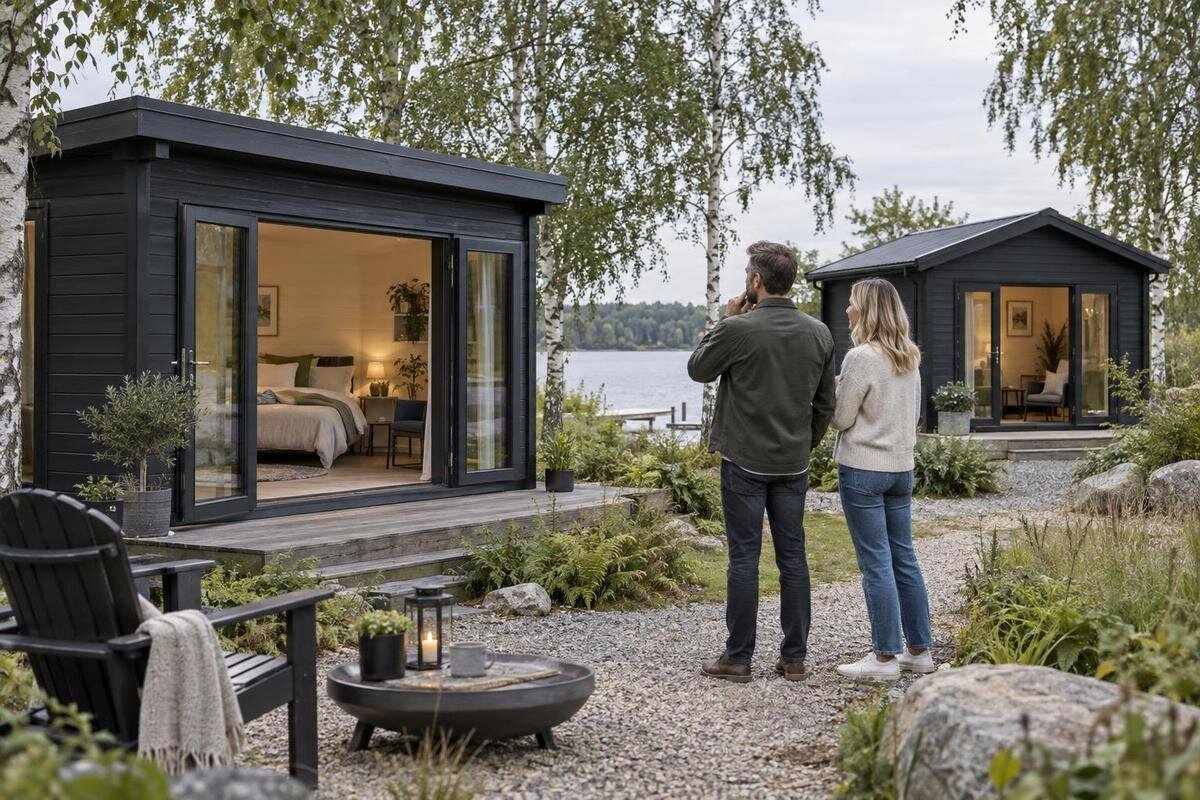
An occasional guest stay asks more of a summer house than daytime use. A building that looks spacious in a photograph may not leave room for a bed, luggage and a clear route to the door; it may also lack the comfort, privacy, services or approvals that overnight use requires. Before comparing models, decide when guests will stay, how many people will use the room and whether it needs only a place to sleep or a more self-contained setup. Then verify the exact product details, site constraints and delivery arrangements. A model name or the term “summer house” does not establish that a building is suitable or approved for overnight accommodation.
Before you order 1
Define the kind of guest stay you need to support
Write down the likely pattern of use: how many guests, how often they will stay, the usual length of each visit and the months in which they may come. An occasional summer weekend has different comfort demands from regular nights outside the warmest part of the year. Note whether the building is for friends or family, or whether you might later advertise stays or charge for use; do not assume those arrangements are interchangeable. Decide, too, whether the room will remain mainly a daytime retreat with a bed brought out when needed, or be kept set up for sleeping. This first distinction affects layout, furnishings and the information you need from a supplier.
Turn that outline into a short brief: bed type and number, space for bags, a place for coats and shoes, lighting, privacy, toilet and washing access, and the times of year you expect to host. Separate essentials from optional extras, and decide what guests should be able to do without entering the main house. If you want a shower, cooking facilities or a private toilet, include them at the outset: services, layout and site approvals may then become as important as floor space. A simple brief gives every listing the same test, so an attractive exterior does not distract from a feature your visitors will actually need.
Measure the usable sleeping area
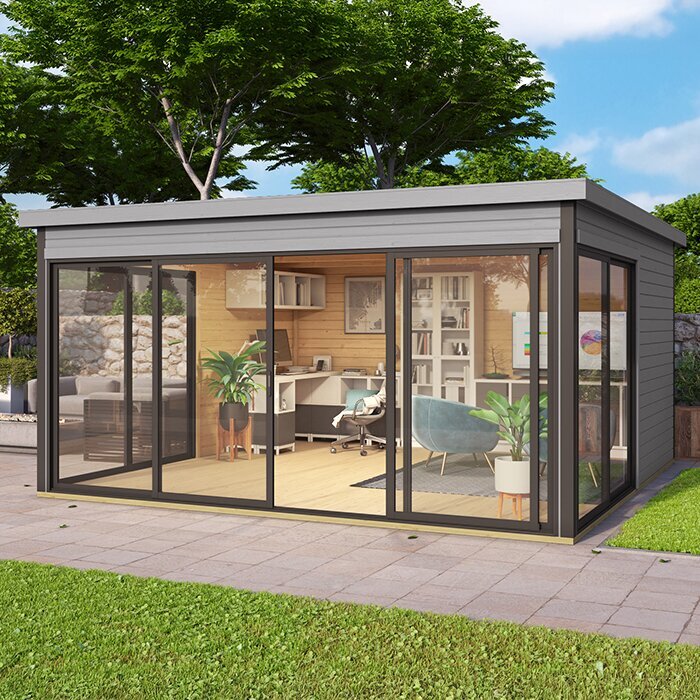
Use internal measurements to test the sleeping arrangement; the external footprint is not the usable room. Ask for a dimensioned plan with clear floor dimensions, headroom and the positions of doors, windows and any eaves or projections that reduce clearance. Draw the actual bed size to scale, or mark it out at full size in the garden, then add space to get in and out of bed and reach the entrance. Include the dimensions of any mattress or furniture that must pass through the doorway during installation. When comparing the Verdana 1 listing, record only measurements and layout details confirmed on the page or by the seller; the model name does not indicate capacity.
Check the layout with the room furnished, not just as an empty rectangle. Add luggage, a bedside surface, a lamp and whatever storage you expect guests to use, then trace a clear route between the door and sleeping area. See whether an open door or window would meet a bed or chair, and whether one guest can move around without disturbing another. Ask how much clear headroom remains where people stand or change, particularly if the roof shape varies across the interior. If the listing has no plan, request a drawing before ordering; a photograph can make a compact room look more generous than it is.
Before you order 2
Plan privacy and the route to the main house
Trace the guest's journey from the main house to the summer house, including arrival after dark and in wet weather. Consider the surface, steps, thresholds, gates and distance to a toilet, washbasin or shower. A short walk may feel different at night, so assess the route in the conditions your guests are likely to encounter; plan suitable lighting or weather protection where needed. Check that garden furniture, bins or seasonal storage will not obstruct it. If guests must enter the house, decide which door they will use, whether it stays accessible, and how that arrangement will work when the household is asleep or wants privacy.
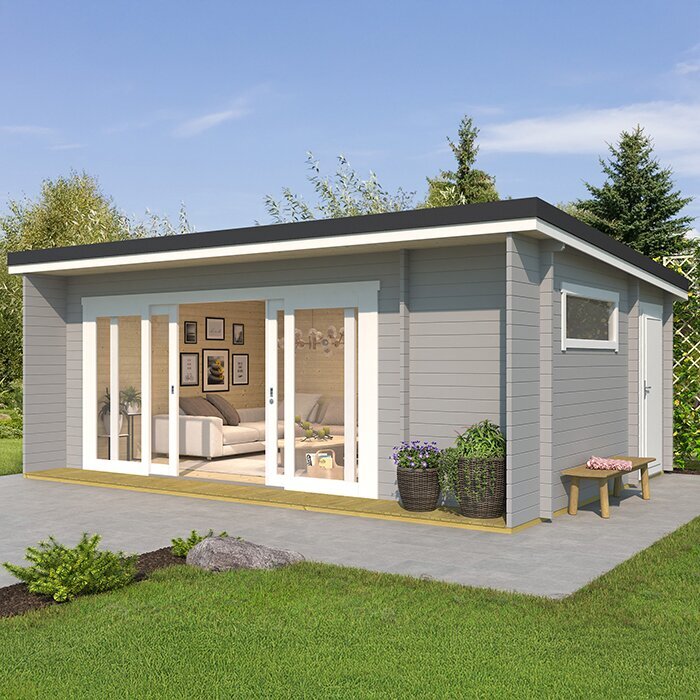
Privacy depends on siting as well as fittings. From the proposed position, check sightlines from your own rooms, neighbours' windows and paths, including views through any glazing shown in the specification. Decide whether blinds, curtains or screening are needed, and confirm whether they are included or an extra. Check which door hardware is specified and how the building can be secured; do not infer locks or privacy fittings from a photograph. When reviewing the Verdana 2 page, note only the opening positions and inclusions documented by the seller, then compare them with the route and sightlines in your own garden. Remember to consider interior lighting after dark, when a lit room may be more visible from outside.
Verify the stated use and product specification
A summer-house description is not, by itself, a statement that a building is designed or authorised for people to sleep in. Ask the retailer what use the specific model is intended for, what written performance information is available and whether the stated use is seasonal or extends to overnight stays. Request the exact internal and external dimensions, construction details, floor and roof information, glazing and ventilation specification, and an itemised list of included components. If an answer is missing, record it as unknown rather than filling the gap from the appearance or model name. A catalogue page can show a product without settling whether it meets your requirements.
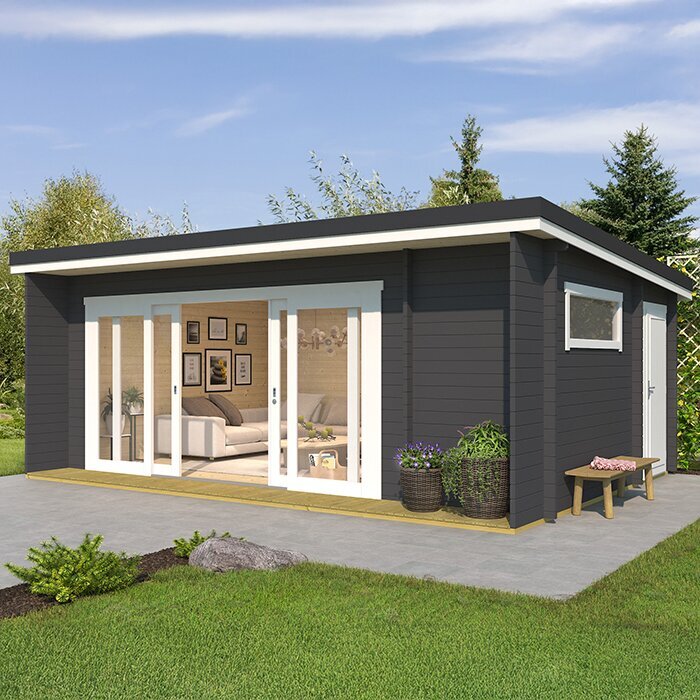
Keep the seller's answer distinct from planning or building-control advice: the retailer can explain what is supplied, but that does not establish what is allowed at your address. Ask for product instructions, care information and any documentation the seller says applies to the stated use; check its scope rather than treating it as a general approval. Add the Durano listing to your comparison as a specific item to query, then request missing dimensions or use details in writing. If overnight use could affect your household insurance, tell the insurer how you actually plan to use the building and ask whether your policy needs to be updated.
Before you order 3
Check seasonal comfort and ventilation
Think about the nights, not only the daytime setting in a product image. Ask for the wall, floor, roof and glazing specification, including whether insulation is included, optional or not available, and what seasonal use the supplier describes. Do not assume that a building called a summer house will feel like an extension or that a thicker-looking component guarantees warmth. Ventilation matters too: ask how fresh air is provided and what the manufacturer recommends for managing moisture when people sleep, dry coats or bring in damp bedding. Check whether windows can be opened as needed and whether their position suits both privacy and air flow, according to the documented design. Note any gaps rather than making your own assumptions.
Ask about weather protection and routine damp prevention in plain terms: what roof covering and finish are included, how rainwater should be managed around the building, and which surfaces need care. If you expect spring or autumn use, compare the supplier's stated limitations and maintenance guidance with those conditions. A portable heater does not answer questions about heat loss, ventilation or condensation, so avoid treating it as a substitute for product information. Put verified details for the Veltor 1 page in your comparison, and leave undocumented points blank until the seller responds. Damp bedding and musty stored textiles can make a guest stay uncomfortable, so ventilation and aftercare belong in the buying decision.
Decide how guests will use services
Map services from the guest's point of view. Will they need only a bed and access to facilities in the main house, or do you expect a private toilet, washbasin, shower, water supply, power or internet? Check exactly which, if any, are included in the order and which would require separate work. A route to the house for washing or using the toilet may work for occasional guests, but it changes night-time access and privacy. If you want plumbing or drainage, ask a suitably qualified professional what the site can accommodate and what preparation or approvals may be needed before ordering. Treat self-contained use as a separate brief, not a small add-on.
Plan lighting, charging and heating rather than improvising once the building arrives. Ask what electrical provision, if any, is part of the specification; arrange a separate assessment by a qualified electrician or other relevant installer for any connection, heating appliance or added service. Do not assume that an indoor appliance or extension lead is appropriate for the intended building and setting. If heat or cooking is planned, ask a competent professional about suitable equipment, fire detection and an unobstructed escape route. Record the service work beside the Orello product page so you compare the full arrangement, not just the structure. Include likely professional work in the budget before choosing a model.
Before you order 4
Check planning and property restrictions
Before paying a deposit, check the rules that apply to the actual plot and intended use. Requirements may depend on the location, proposed building and work, site restrictions and how the space will be used; a general statement about garden houses cannot settle your case. Consult current official planning guidance and the relevant local planning authority, giving them the exact product dimensions, proposed position and a candid description of overnight stays. Ask whether any planning or other approval should be resolved before ordering, and keep the response. If the property is subject to known designations or private restrictions, include those in the enquiry instead of relying on a broad answer found online.
Ask separately whether adding electricity, heating, drainage or plumbing changes the approvals, installation work or records you need; do not assume the original product description covers later alterations. If you intend to charge guests, explain that as well, since commercial use may raise different questions from occasional private visits. Use the Modano 1 page only to identify the specific listing when making enquiries; site-specific advice is needed to address placement and use. If you rent, share ownership or have property-management rules, obtain any required consent before arranging delivery. Where the answer is unclear, seek advice from an appropriately qualified planning professional rather than relying on the retailer's product page.
Confirm delivery access and assembly
Measure the whole route from the delivery point to the proposed base, not only the garden gate. Record the narrowest opening, bends, level changes, steps, overhead obstructions and shared access, then ask the seller what packaged dimensions, vehicle access and unloading arrangements apply to the exact order. Components may need different access from the finished building, so use the supplier's handling information rather than estimating from a photograph. Clarify where delivery stops, who moves the goods to the site, whether turning or working space is needed and what happens if the route proves unsuitable. Do this before landscaping or ordering other materials that might narrow access.
Confirm what assembly means in the quote: who is responsible, whether the base must be ready first, what preparation is excluded and whether electrical or other service work is separate. Ask about delivery dates, access restrictions and the procedure for recording missing or damaged parts; do not assume delivery or assembly is included. Read the order terms for what happens if access is blocked or plans change, and keep the confirmation with your site notes. Add the Veltor 2 listing to the checklist only after getting its order-specific handling and assembly information; a model page alone cannot show whether the route to your garden works.
Before you order 5
Set out the base and plan future maintenance
Get the base requirements for the selected building in writing before arranging ground work. Ask for the specified base dimensions, levelness, support and any installation tolerances; do not substitute the outside footprint for a base drawing. Requirements depend on the product and site, so have a competent installer assess uncertain, sloping or soft ground rather than relying on a generic diagram. Check where rainwater will go and whether planting, fences or existing paths affect access. Keep the base plan aligned with the entrance and the route to it, so the building can be reached and used as intended. Do not begin preparation until the supplier has confirmed the relevant specification.
Ask what aftercare applies to the materials and finishes specified for the model: cleaning, periodic treatment, roof inspection, hardware checks or replacement parts, where relevant. Do not assume a supplied finish is permanent or every component is maintenance-free; follow the product's own instructions. Allow enough room to inspect the building and carry out routine work, and decide where tools or treatment products can be stored safely. For the Veltor 3 page, note any care instructions actually provided and request missing information before comparing it with other options. An upkeep plan helps keep an occasional guest room usable instead of letting it become neglected storage.
Compare the complete order before committing
Compare the whole project cost, not just the building price. Include quoted delivery and assembly, base preparation, any finish or treatment required, furniture and bedding, lighting, heating, electrical or plumbing work, path improvements and professional advice or applications where relevant. Ask each supplier to separate the building from optional extras and installation; totals are not comparable if one quote includes tasks another excludes. You need not commit to every upgrade immediately, but price the essentials for overnight use before comparing models. Use current written quotations and avoid assuming that any service or accessory is included unless the order says so.
Before ordering, check the exact model and variant, dimensions, openings, specified materials and performance details, included components, selected options, finish, delivery, assembly, payment and cancellation terms. Confirm that changes discussed by email appear in the formal order, and save the final specification, instructions and advice on intended use. Use a simple pass-or-pause test: does the room fit the sleeping plan; can guests reach it comfortably; are the site and use questions resolved; are services and delivery understood; and is the care manageable? If an essential answer remains unclear, pause rather than relying on a verbal assurance or hoping to resolve it after arrival.
Frequently asked questions
Can any summer house be used for occasional overnight stays?
Not automatically. A summer-house listing does not prove that a building is designed for sleeping, comfortable in the seasons you plan to use it or approved for that use at your address. Ask the seller about its stated use and full specification, then check site-specific requirements with the relevant authority.
How do I choose the right size?
Start with the actual bed dimensions and internal measurements, then account for headroom, door and window positions, luggage, getting in and out of bed, and the route to the exit. Compare usable internal space, not just the external footprint or appearance.
Do I need planning permission for a summer house used by guests?
There is no safe universal answer for every plot and use. Check current official planning guidance and ask your local planning authority about the building's exact dimensions, location and occasional overnight purpose before ordering. Include any planned services or alterations in your enquiry.
Should I order insulation or heating?
That depends on when and how the room will be used. Ask what insulation and ventilation the exact product specification includes and what seasonal use the supplier describes. If you plan to add heating or electrical services, have a qualified professional assess suitable equipment and installation; do not assume an appliance will make an unsuitable building comfortable.
What should I check about delivery?
Measure the route to the base, including narrow points, turns, level changes and overhead obstructions. Confirm package dimensions, vehicle and unloading arrangements, assembly responsibilities, base requirements, delivery access and how missing or damaged parts are handled in writing.
An occasional guest room can be a useful garden addition when the building and the way it is used are matched from the outset. The best choice is not simply the largest or most attractive listing: it is the one whose documented internal layout fits the real sleeping arrangement, whose location offers acceptable access and privacy, and whose specification, approvals, services and delivery plan are clear. Write down each unanswered question, ask the retailer or relevant professional, and compare only confirmed information. That gives you a sound basis for ordering and reduces the chance of discovering that a garden room meets daytime needs but not the practical requirements of an overnight stay.
