
Buying a Summer House for a Holiday Property
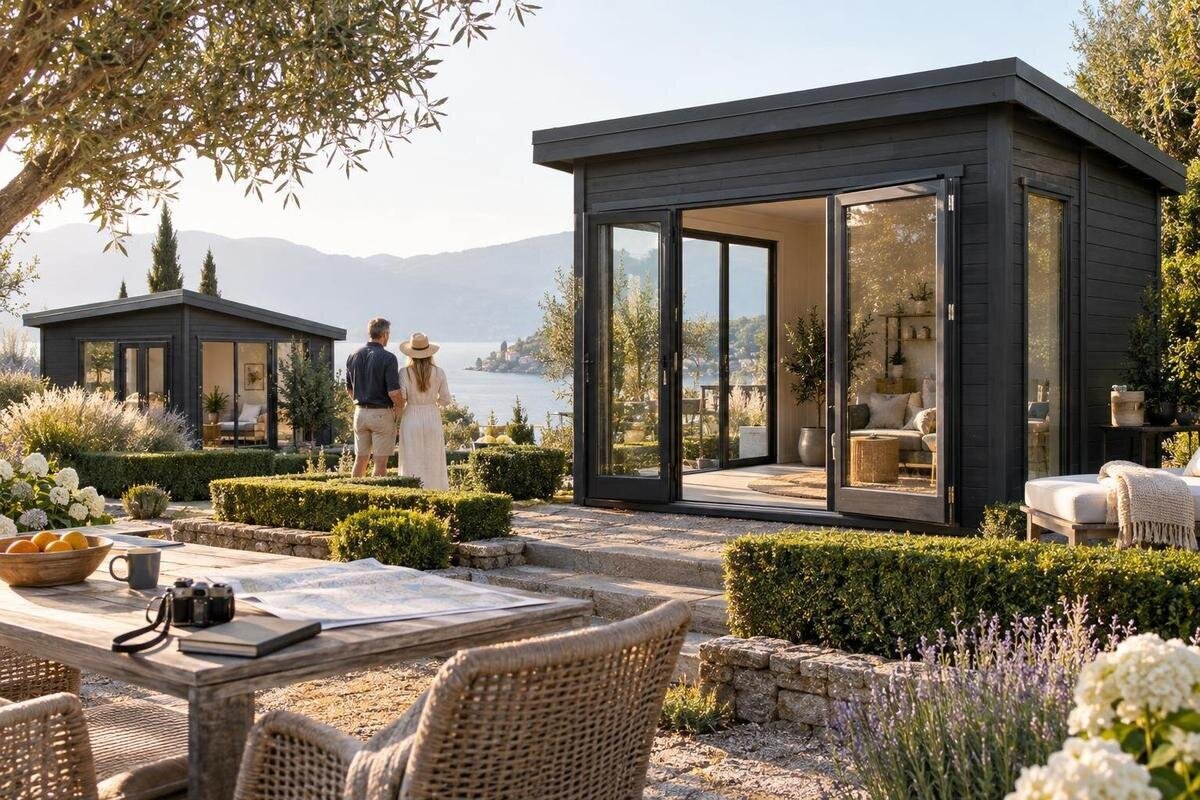
Holiday-property buying guide
A summer house can give a holiday property a dedicated place for downtime, but the right purchase depends on what it must do, how often it will be used and who will look after it while the main house is empty. Before comparing designs, decide whether the building is for your own daytime use, a shared retreat, practical storage or a mix. Then test each candidate against the actual garden, intended layout, delivery route, upkeep and any property-specific permissions. This guide considers a summer house as a garden building for a holiday home; it does not assume that one is suitable for overnight accommodation.
01
Decide what the summer house is for
List the occasions on which you would actually use the building: a quiet hour with a book, somewhere to use a laptop, a place to sit after time outdoors, or storage that helps keep the main house tidy. These uses call for different arrangements, so write down one main purpose and, if needed, a secondary one. Note how many people may use it at once, what they are likely to carry in and whether the space must stay uncluttered between visits. Make a short list of items that must be stored there permanently and those brought only for each stay. This keeps the choice tied to how the holiday property is used, rather than to a showroom image or an appealing feature that will rarely matter.
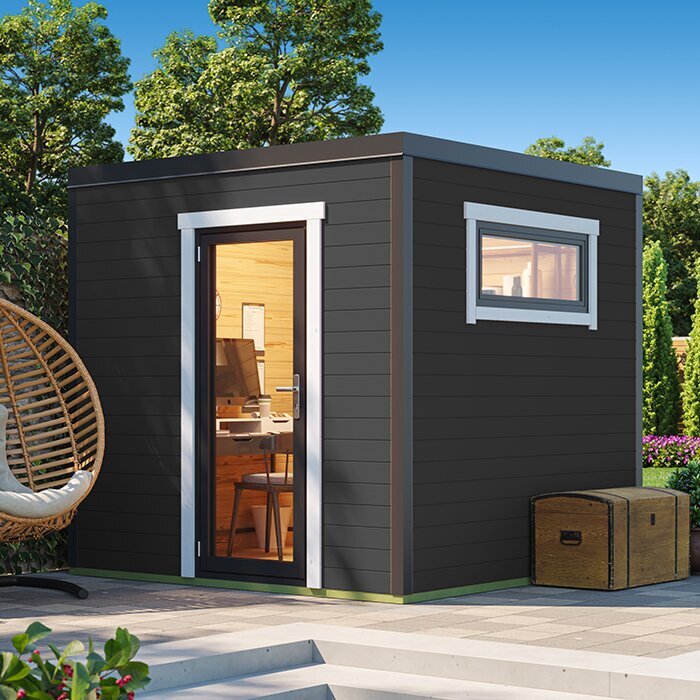
A private retreat for the owners may need different access and furnishing from a space shared with family or holiday visitors. Decide who will have keys, whether personal belongings may remain there between visits and whether visitors need clear instructions. Be precise about the intended use: a daytime sitting space or storage area does not automatically establish suitability for another purpose. A candidate such as Garden House Verdana 1 belongs on a shortlist only when its stated details can be compared with your brief; do not infer its layout or capacity from its name or photographs.
Measure the garden and the available footprint
Measure the intended patch of garden and note boundaries, nearby walls or fences, trees, existing paths and any overhead obstructions. Compare the available area with the complete external measurements given for each candidate, including any roof projection or overall height specified. If a measurement is unclear, ask for confirmation rather than estimating from a photograph. The external footprint is not the same as the usable interior space. For Garden House Verdana 2, for example, use measurements supplied or confirmed for that particular model before adding it to a site plan.
Mark the proposed outline on the ground with removable markers, then check how it sits in relation to paths, garden features and the main house. Include space for the door to open, for people to pass and for any access needed to care for the building. There is no universal clearance that suits every plot, so follow the product information and any relevant professional advice. Repeat the check from the routes used for bins, garden equipment or property maintenance, if these pass nearby. A quick on-site mark-out can reveal that a position which looks generous on paper would make a regular route awkward, or leave too little room to get around the building.
02
Plan the interior around furniture and movement
Test the internal layout before choosing a size. Draw the furniture you already own, including its depth when in use, and allow for items such as bags, cushions or storage boxes if they will be kept inside. Check the usable floor measurements rather than assuming the external footprint gives the same amount of room indoors. Leave a clear route from the entrance to the main place people will sit or work. Include the space needed to open drawers, move chairs and retrieve stored items without dismantling the room. If several people are likely to use the room together, consider whether someone can move past occupied seats without shifting furniture.
Decide whether the room needs to serve one purpose throughout the year or change between uses. Flexible furniture may help, but it still needs a defined place when not in use; otherwise storage can take over the floor area. A product such as Durano garden house can be compared with your sketch once you have decided what must fit. Check the model’s own stated dimensions and layout information, and do not assume that its name indicates how many people or pieces of furniture it can accommodate.
Check openings, daylight and privacy
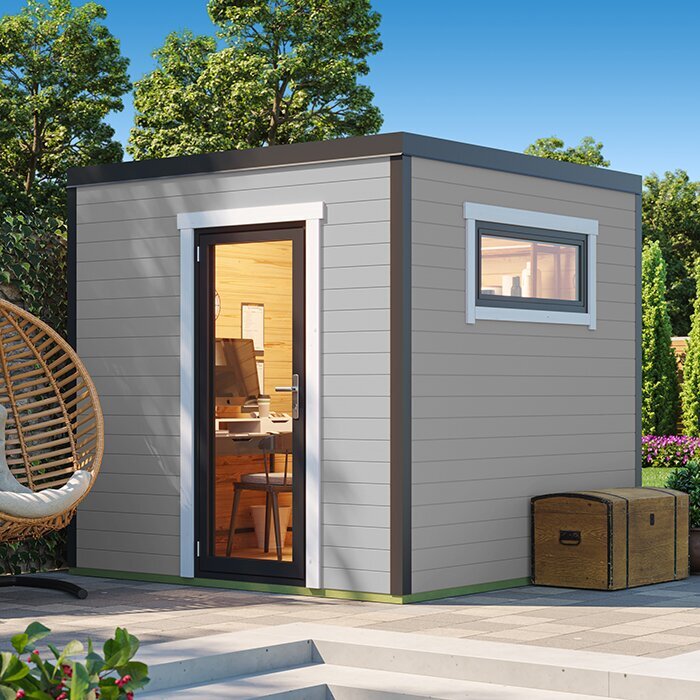
Before settling on a position, check each product’s information for the door position, opening type and clear opening dimensions. A hinged door, for example, may take up space on one side; other opening formats have different clearance needs. Do not assume a particular model has any one arrangement. Confirm the details for Veltor 1 from its own product information, then consider how the entrance relates to your furniture, the route outside and the direction from which people will approach. If a drawing does not make these points clear, ask for clarification before choosing.
Visit the proposed site at the times you expect to use the building. Notice how daylight changes, where the sun falls, and whether nearby paths or windows affect privacy. A bright position may feel exposed, while a more screened corner may receive less daylight; the right balance depends on your use and garden. Consider whether the view and degree of privacy will still suit different household members or visiting guests. Check whether any window coverings or other privacy features are included or compatible before budgeting for them. Think about views from inside as well as how the building will look from the main house, rather than choosing a position from one photograph or a single visit.
03
Choose a position that works on arrival
Consider how people will reach the summer house during a normal visit. Relate it to the garden gate, parking area, main entrance and any outdoor spaces used regularly. A short route can make it easier to carry books, cushions or other belongings, while a more separate position may give the building a distinct purpose. Think about who will use that route, including anyone responsible for checking the property when it is empty. Consider the route after dark and during wet weather, when an otherwise pleasant garden crossing may be less convenient. The most convenient position is not automatically the most private, so weigh those needs against the activities you identified before comparing designs.
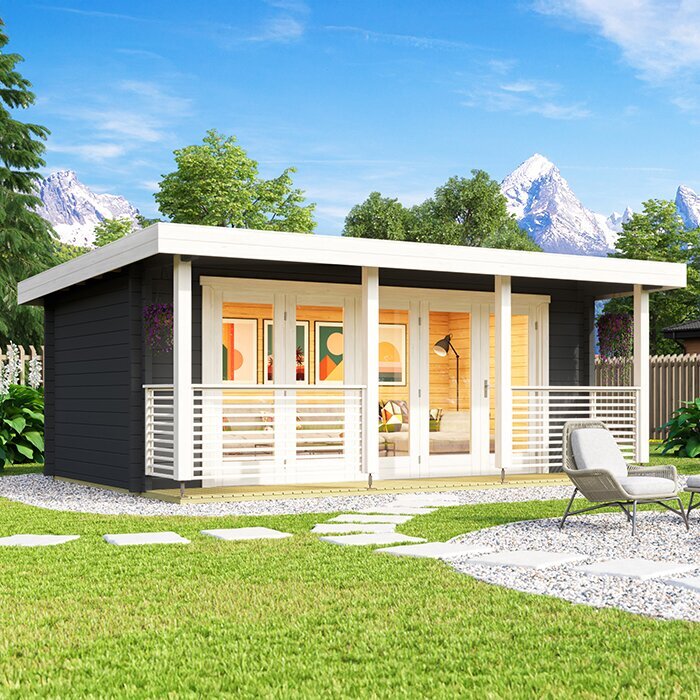
Walk the likely route rather than judging it only from a plan. Check whether it remains practical when someone is carrying items or when the garden is being used for its other usual purposes. Once you have a preferred location, compare it with the stated measurements and configuration for Orello 1 or any other candidate on your list. Treat the product image as a visual reference, not a scale drawing; the confirmed dimensions and your marked-out site should guide the decision. This also helps you avoid choosing a position that works only when the garden is otherwise empty.
Match the building to the seasons you intend to use it
Decide when the building needs to be comfortable and usable. A holiday home may be visited mostly in warmer months, or it may be used in colder or wetter weather too. The term summer house does not establish how a particular model performs in any season. Look for explicit information about its construction and any stated thermal, glazing or weather-related details. Think separately about the conditions in which you expect to spend time inside and the periods when the building will stand unused. If those details are missing or do not answer your questions, ask the supplier before relying on the building for a particular kind of use.
If you want to add heating or electrical services, do not plan the work from a product image or a general description. Ask a qualified professional whether the building and proposed installation are appropriate, and check any relevant requirements before proceeding. Also consider how seasonal use affects care: follow the supplier’s instructions for cleaning, maintenance and any recommended checks. For Modano 1, as with any candidate, confirm the model-specific information rather than inferring performance or upkeep from its name or appearance.
04
Plan care while the holiday property is empty
If the property is unoccupied for long periods, decide who will be responsible for checking the summer house and managing access. If you intend to store valuable or personal items inside, verify what locking features are supplied and whether they meet your needs; do not assume that a garden building offers a particular level of security. Agree where keys will be kept, who may use them and how access will work if a caretaker or property manager needs to visit.
Ask for the supplier’s care guidance and make a practical plan for following it. Consider who can carry out any cleaning or maintenance the manufacturer recommends, how they will reach the building and where the relevant instructions will be kept. Decide how that person will report a concern found between your visits, so that small issues are not simply left until the next stay. A simple handover note can record the contact details, access arrangements and care information for whoever looks after the property. When reviewing Veltor 2, check the product-specific guidance and listed details rather than assuming that a model requires little attention while the house is vacant.
Confirm delivery and assembly arrangements
A garden that looks easy to reach from the house may still be difficult for a delivery team to access. Check the route from the road or unloading point, including the width of gates, turns, steps and any narrow passages. Ask for package dimensions and delivery requirements, and confirm who is responsible for unloading and moving the components to the site. Check whether parked vehicles, locked gates or access restrictions could affect the agreed delivery arrangements on the day. This matters especially at a remote holiday property, where you may need to arrange for someone local to be present or to coordinate access.
Before ordering, establish what site preparation is expected and whether assembly is included or arranged separately. Ask what kind of base or prepared surface is required, and have a suitable professional assess the site if you are unsure; do not assume an existing patio will meet the requirements. Confirm any costs, responsibilities and access arrangements in writing. For Veltor 3, use the information for that exact model and order to check delivery and assembly conditions, rather than relying on the model name to answer them.
05
Compare the full purchase and ownership costs
Compare the total cost of getting the building ready to use, not just the headline product price. Depending on the option, the budget may need to account for site preparation, a base, delivery, assembly, furnishings, accessories or any recommended finish. Check which items are included and which are optional, and ask how delivery charges are calculated for the holiday property’s postcode. Use like-for-like written figures when comparing alternatives so that a lower initial price is not mistaken for a lower overall outlay.
Consider ongoing costs and practical effort as well as the amount paid at the time of purchase. If you need a local contractor or property manager to prepare, assemble or maintain the building, include their quoted work in your planning. Set aside a contingency for items that have not yet been priced, rather than treating an early estimate as the final total. Before paying, read the order details and the seller’s terms, including what is covered by the price and how optional items are handled. Keep the product information and order confirmation with the property records. This is useful if the home is managed by someone else or the building is looked after between your visits.
Check permissions and responsibilities before committing
Before placing an order, check what applies to the precise property and proposed use. Speak to the relevant local planning authority if you need clarity, and review any lease, title conditions or management agreements that may affect changes to the garden. The requirements can depend on the site and circumstances; a similar building nearby does not confirm what is appropriate for your property. If the position is uncertain, seek advice from a qualified professional before committing money or arranging site work.
If the property is let to holiday visitors or managed by another person, discuss the proposal with the manager and insurer as appropriate. Agree who will approve the location, organise access and take responsibility for routine care. Make sure everyone understands the intended use, particularly if it may differ from a simple daytime retreat or storage space. Record these decisions alongside the practical arrangements, so they remain clear if the person managing the property changes. Keep the relevant product information, care instructions and order details available to those who manage the home. A clear agreement now can prevent confusion later about who may use the building and who is expected to look after it.
Frequently asked questions
How large should a summer house be at a holiday property?
There is no single ideal size. Base it on the main use, the number of people likely to use it at once, the furniture and belongings that need to fit, and the space needed to move around comfortably. Then check the full external measurements against the garden and access route.
Can any summer house be used all year round?
No. The name alone does not establish how a building performs in cold or wet weather. Check the product’s stated construction and any information on insulation, glazing, ventilation and weather suitability. If you plan to add heating or electrical services, ask a qualified professional to assess the building and proposed work.
What should I check before ordering for a remote holiday property?
Confirm delivery coverage and terms for the property’s postcode, then check the route from the unloading point to the proposed site. Ask about package dimensions, unloading, assembly, site preparation and any required base. Arrange a local contact if someone needs to be present, and get important arrangements confirmed in writing.
Does a summer house at a holiday home need permission?
Requirements can depend on the precise site, the building and its intended use. Check with the relevant local planning authority and review any lease, title conditions or management agreements before ordering. If the answer is unclear, seek advice from an appropriate professional rather than relying on a neighbour’s building as a guide.
What should a holiday-let owner consider before buying?
Agree who will use the building, who will manage keys and upkeep, and whether visitors may access it. Discuss the proposal with the property manager and insurer, and check any site or local requirements that apply. Make sure descriptions of the building match its confirmed intended use; do not assume it is suitable for accommodation.
At a holiday property, the strongest choice is one that fits the garden and the way the home is used and managed, not simply the option that looks appealing in a photograph. A written purpose, a measured plan, clear expectations for seasonal use and upkeep, and confirmed delivery and permission arrangements give you a sound basis for comparing candidates. If a detail that matters to your plans remains uncertain, resolve it before placing the order.
