
Buying a Summer House Kit for Self-Assembly
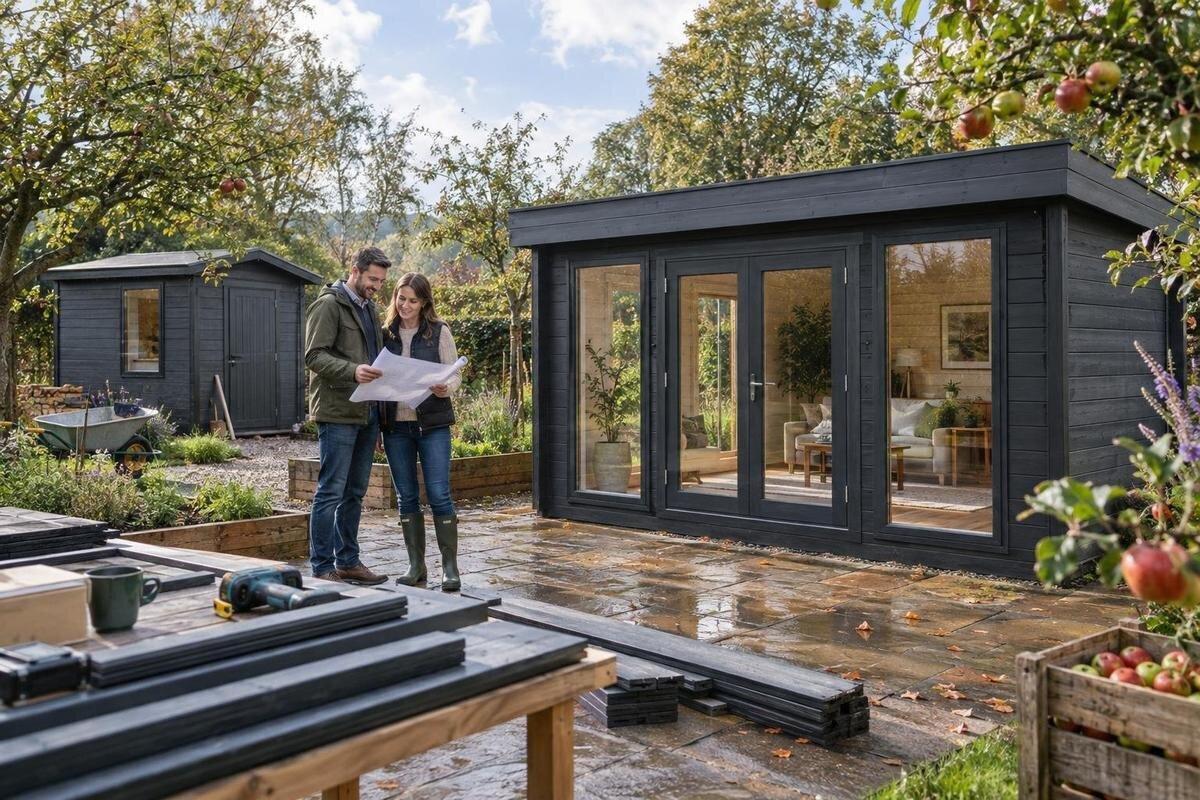
Summer house buying guide
Buying a summer house kit for self-assembly means choosing more than a shape that fits the garden. The kit must suit the way you plan to use the building, reach its final position in its packaged form, match the base it is designed for and come with instructions you can follow. A product photo cannot settle those questions, and the word kit does not guarantee that every component, finish or tool is included. This guide explains how to compare stated dimensions, materials, glazing and contents, then assess the practical work before ordering. The aim is to choose a package that fits the site and your DIY experience, not to guess at missing details.

Choose a summer house around its intended use
Begin by deciding whether the room is for occasional seating, hobbies, a quiet workspace or storing garden items. The intended use affects what you need from the layout, glazing, access and upkeep, so write down the essentials before looking at styles. Note what must fit inside, such as chairs, a desk, shelves or equipment, and whether people need room to move around it. A summer house label alone does not confirm that a model is designed for a particular activity. Read the stated use and features, and treat anything not specified as a question rather than an assumption.
Think about when you expect to use the building, too. If you hope to use it in cooler weather or for long periods, check what the supplier actually says about insulation, glazing, ventilation, floor and roof construction. Do not assume that a timber building or a glazed front provides a particular level of comfort. Keep essential requirements separate from preferences such as a certain appearance or extra openings. That simple distinction helps you rule out unsuitable options early and compare the remaining kits on details that matter to your plans. It also gives you a practical list of questions to put to the seller, instead of trying to interpret broad descriptions after you have narrowed your choice.
Measure the garden space and the access route
Start with the outside dimensions in the product information, not an estimate based on a photograph. Check the footprint, overall height and any stated roof overhang, and make sure you know whether each measurement refers to the building or to a different part of it. Mark the proposed footprint in the garden so you can see how it relates to paths, planting, fences and other structures. Allow for practical access around the finished building where needed for use or upkeep, rather than treating the footprint as the only space required.
Also consider how the kit will reach its final position. Measure gates, paths and tight turns, and note steps or overhead obstacles that might affect moving packages through the garden. An option such as the Verdana 1 listing should be compared using its stated dimensions, not its name or image. Consider where packages could be set down temporarily without blocking access, and whether the route remains workable when carrying long or awkward components. If the route or final position is uncertain, ask the seller what information is available about the delivered packages and the space needed for assembly. Check any site-specific restrictions that could affect your proposed position before committing to a kit.
Check the internal space and layout
The outside footprint does not tell you exactly how much usable room there will be inside. Look for internal dimensions and a floor plan, if provided, and compare them with the furniture or equipment you intend to use. Sketching a simple layout can reveal whether a desk, chairs or storage will leave enough room to move around. Avoid estimating usable space from a wide-angle photograph, which can make a room appear larger or alter the apparent proportions.
Pay attention to the positions and operation of doors and windows as well as the floor area. A door needs space to open if it is hinged; other opening arrangements have their own clearances. Think about where furniture would sit, whether an open window could be obstructed and how people will enter and leave. Include everyday details in the sketch, such as space to pull out a chair, reach storage or pass someone using the room. For an option such as the Verdana 2 product page, look for stated internal dimensions and a plan showing the openings. If those details are not available, ask before deciding that the layout suits your needs.
Compare the stated materials and finish
Read the material description closely rather than treating a broad label as a complete specification. If timber is specified, check what the supplier states about the type of timber, component sizes, finish and any treatment. Establish whether the parts arrive finished or need coating after assembly, and whether the product information gives maintenance guidance. Those details affect the work you may need to plan for; do not assume that a particular finish or treatment is included unless it is listed.
Consider the look of the material alongside the time and care you are prepared to give it. Ask how to maintain the supplied finish, whether a coating is required before use and where to find compatible care guidance. Check when any finishing work is expected to happen, as this may affect when the building can be used after assembly. You may also want to know how the supplier handles questions about replacement components. The name of a product such as the Durano garden-house listing does not establish its material specification or aftercare. Compare those points using the details for the exact kit, and ask the seller to clarify any wording you cannot interpret.
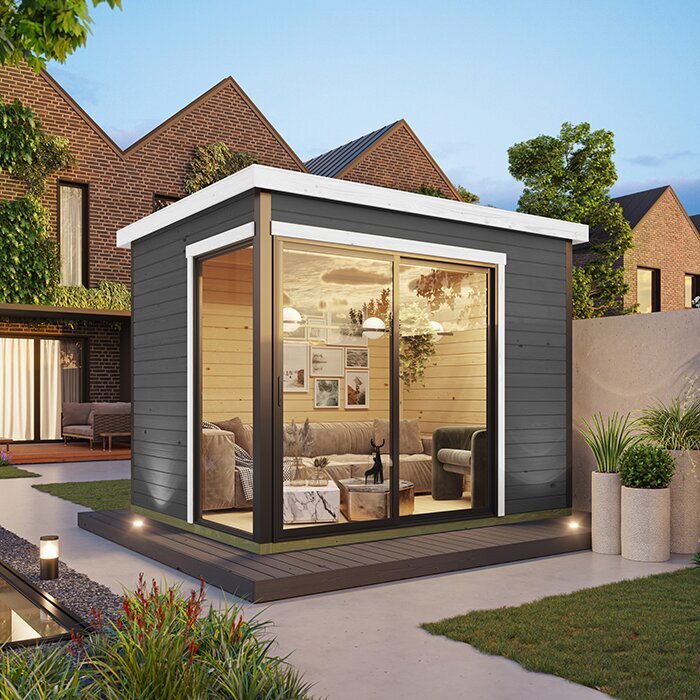
Compare glazing by its written specification
Check what the glazing is made from and how it is described. Where information is available, note the pane construction, whether panels are fixed or openable, how they operate and which glazed sections are included in the chosen version. These are separate details: a picture that shows a glazed area does not confirm its material or whether it opens. If a particular glazing feature is important for your intended use, make sure it is explicitly stated before you order.
Think through the everyday effects of the layout as well as the specification. Glazing can affect daylight, views and privacy, so consider what the room will face and where people will sit or work. Consider whether sunlight at different times of day could make the chosen seating or work position less convenient. Check whether the openings shown would provide the access or ventilation you want, without assuming that every panel in an image can be opened. When assessing the Veltor 1 page, use the information for that item rather than borrowing details from another model. If performance or safety information matters to your plans but is unclear, ask the seller to explain it.
Confirm exactly what the kit includes
Read the contents list for the exact kit and any options you have selected. It should be clear which parts are supplied, such as wall sections, doors, glazing, roof components, floor components, fixings and any roof covering or finishing items. These are examples of items to look for, not a promise that every kit includes them. Separate what is included from anything shown as an optional extra, and check that the chosen configuration matches the description you are comparing.
Do not assume that a visible feature in an image, or a general description of a kit, means it is included in the price. Check the status of the floor, trim, fasteners, roof covering and instructions, and ask about any item that the parts list does not identify. Check whether optional items are selected separately or simply shown as possible additions, so the final order matches your expectations. A listing such as the Orello 1 product page is best assessed against its written contents and selected options; the model name and photo do not confirm what arrives in the package. Keep a clear note of exclusions so that separate purchases do not come as a surprise.
Check the base and site requirements
A kit’s floor, the base it rests on and the preparation of the ground are different things. Check whether any floor or base component is supplied, what the supplier means by each term and what support the instructions require. Look for stated base dimensions and any requirements about the surface. Do not assume that a delivered floor is itself a suitable foundation, or that an existing patio or lawn meets the kit’s requirements.
Consider the condition of the proposed site before ordering. Sloping or soft ground, drainage concerns or other site features may affect what preparation is appropriate. Assess the intended area after rain as well as in dry conditions, since surface water can reveal issues that are not obvious on a clear day. Follow the supplier’s guidance and, if you are unsure about the base or the condition of the ground, get site-specific advice from a suitably qualified professional rather than improvising. For an option such as the Modano 1 listing, check for explicit information about the base and installation requirements, or ask the seller what applies to the exact version you are considering.
Match the assembly work to your experience
Before buying, look for the assembly instructions or an outline of the work involved. Check whether they explain the sequence clearly, identify parts and fixings, and state how many people are needed for particular tasks. If the supplier gives an assembly time, treat it as their estimate rather than a guarantee for your own circumstances. Consider your experience with following detailed instructions, measuring accurately and handling bulky components, not just whether you have assembled flat-pack furniture.
Use the supplier’s tool list to identify what you already have and what you would need to obtain. Check whether tools, fixings and any special equipment are included or must be sourced separately; do not assume that a familiar household toolkit will cover the job. Allow time to sort and identify components before beginning, particularly if the instructions require particular parts to be used in sequence. Think about where and when you can work, and whether you can arrange a capable helper if the instructions call for one. If the requirements are unclear, ask before delivery. If the specified work is beyond your experience, arrange suitable help in advance rather than discovering that after the kit arrives. The Veltor 2 listing can be assessed in the same way: look for the guidance for that exact item.
Plan delivery, unloading and storage
The finished building’s measurements are not enough to plan delivery. Ask for package dimensions and weights if they are available, then compare them with the full route from the delivery point to the garden. Check access through gates, along paths and around corners, and tell the seller about obstacles that may affect unloading or moving the packages. Confirm what the delivery arrangements expect from you, including whether you need to provide help or make space for any unloading equipment.
Decide where the components can be kept until assembly and follow the supplier’s instructions for storage and handling. Keep the work area clear and make sure you have a way to check the delivery against the parts list. Plan this check while labels and packaging can still be matched to the order, rather than leaving it until components have been moved to different parts of the garden. Ask how to report a damaged package or missing component, and what information the seller needs to investigate it. It is easier to resolve uncertainty before you begin assembling than after parts have been mixed or packaging discarded, so establish the process and keep the order details accessible.
Compare the complete order, not just the kit price
Compare like with like by recording the dimensions, layout, material, glazing, contents, base requirements and assembly guidance for each option. Then add the costs you may need to budget for separately, such as ground preparation, tools, finishing materials or help with assembly. Check whether delivery or other services are included in the terms for the order you are considering. There is no reliable comparison if one kit’s listed price covers different items from another’s, so write down the exclusions as well as the inclusions.
Before paying, confirm the exact model, configuration and options in your order, and make sure the available product information answers your essential questions. Save the product description and selected options with your order record, as this makes it easier to compare what was ordered with what is delivered. Read the current delivery and returns terms, and find out how damaged or missing parts are handled. Do not assume a particular delivery date, guarantee or replacement policy unless it is stated in the applicable terms. An option such as the Veltor 3 product listing can be compared on the same basis: record what is specified for that item and seek clarification on anything that affects your plan.
Frequently asked questions
Can I assemble a summer house kit by myself?
Only rely on one-person assembly if the supplier’s instructions say that is suitable for the kit. Check the stated number of helpers and any handling requirements before ordering. If you are unsure about moving or positioning the components safely, arrange suitable help in advance.
Does the kit include a floor and base?
Contents vary, so check the parts list for the exact kit and chosen options. A floor and the prepared support it sits on are not necessarily the same thing. Ask what is supplied, what needs to be prepared separately and what base the supplier specifies.
Can I judge the glazing from a product photo?
A photo cannot confirm the glazing material, pane construction or which sections open. Look for those details in the product information, along with any information about privacy or safety that matters for your plans. Ask the seller if a relevant detail is missing.
What tools should I have before ordering?
Use the current assembly instructions or the supplier’s tool list rather than relying on a generic checklist. A drill, level or tape measure may not cover every task, and requirements depend on the kit. Check which tools and fixings are included and arrange anything else beforehand.
What should I check before the kit is delivered?
Confirm the package dimensions, access route, unloading arrangements and a suitable place to keep the components. Ask how to report damage or missing parts, and follow the supplier’s instructions for checking and storing the delivery.
A suitable self-assembly kit is one whose stated dimensions, contents, site requirements and assembly guidance make sense for both the garden and the person doing the work. Give particular attention to details that are easy to overlook in a photograph: what is excluded, what the base needs and how the components will be delivered. If two options seem similar, clear answers about those points are more useful than a broad description or an attractive image. With the practical requirements understood, the choice can rest on the layout and appearance you actually want.
