
Buying a Summer House on a Fixed Budget: Prioritise the Essentials
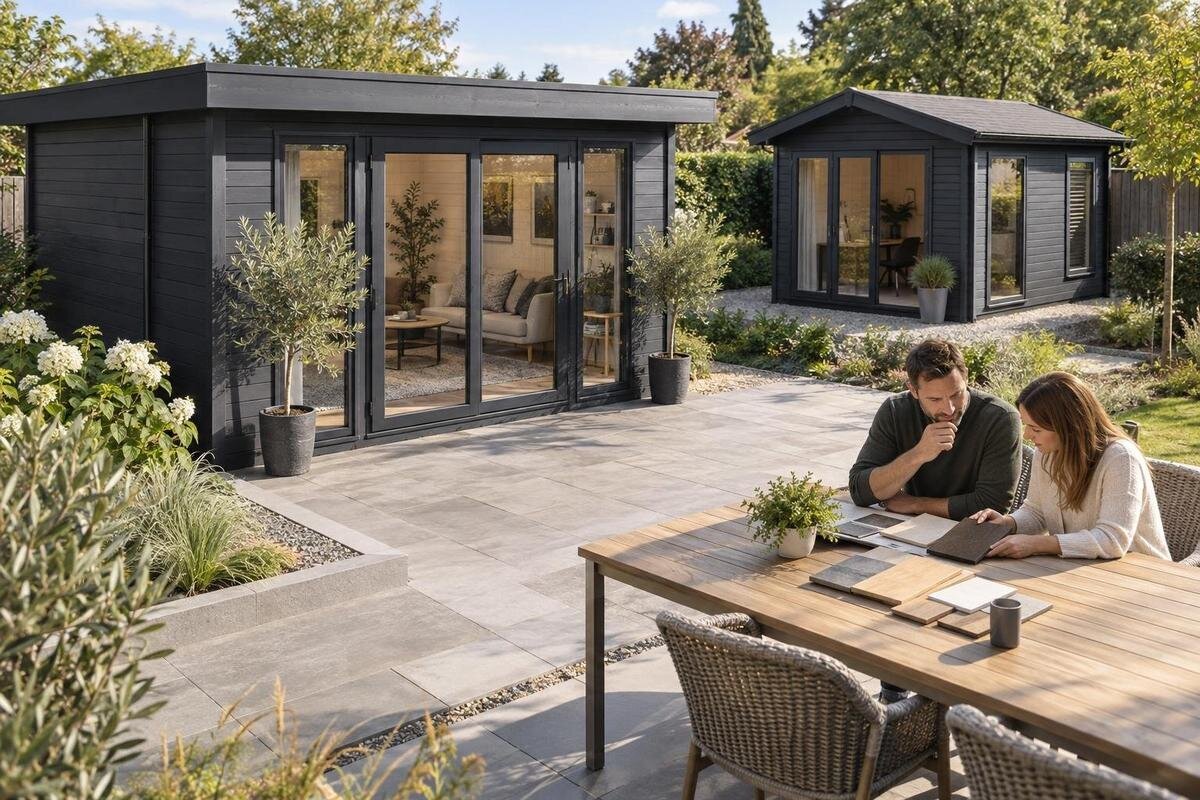
Summer house buying guide
Buying a summer house on a fixed budget is easier when the limit applies to the whole project, not just the price shown beside a model. Begin with the activities the building must support, then separate those requirements from appealing extras. Comparing stated specifications and necessary costs on the same basis helps you see where spending could make a practical difference and where a simpler option would do. The aim is not simply to find the lowest listed price; it is to choose a summer house that suits your plans without taking the total beyond the amount you have set.
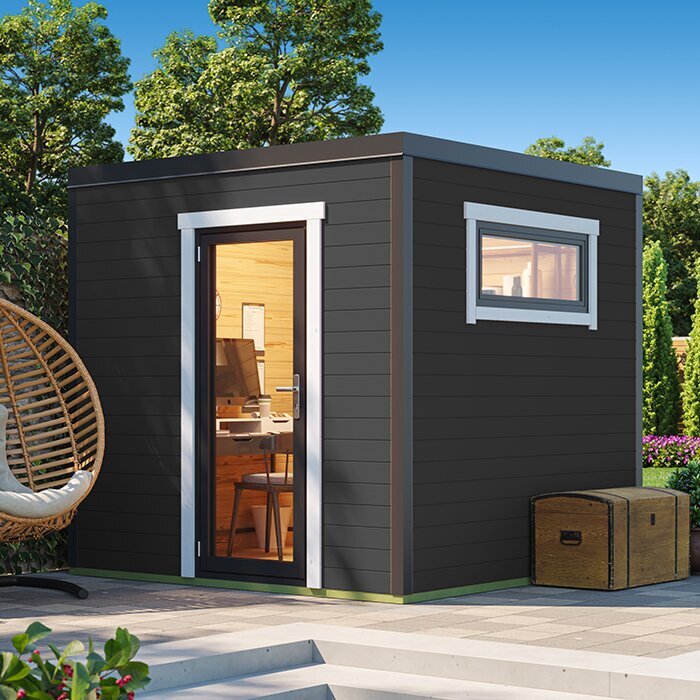
Buying checklist 1
Set an all-in ceiling for the project
Choose the maximum you can commit to the whole project before browsing, rather than the amount available for the building alone. Decide what that ceiling covers: delivery, preparing the site, a base, assembly, finishing and any equipment or professional work needed for your intended use. Not every buyer will face every cost, so define the scope instead of relying on a generic estimate. Keep this sum separate from money reserved for household essentials. A listing is affordable only when its required costs fit the ceiling, not merely when its displayed price does. If someone else is contributing, agree on the same limit before comparing options.
Record the cap at the top of a simple cost sheet, then give each candidate its own row. Note the displayed price, confirmed add-ons, likely project costs and unknowns, labelling quotes separately from estimates. Set aside a reserve for uncertainty before allocating money to upgrades; size it in light of the information you have rather than using an arbitrary percentage. If a total appears too high, remove optional items first or reconsider the shortlist. Do not cut something that the product instructions or your intended use make necessary just to make a price fit. Treat your ceiling as a limit for the whole project, not a target for the building price.
Define what the summer house needs to do
Describe the main job of the summer house in one sentence: a place to read, a hobby space, somewhere to entertain occasionally, or a sheltered setting for another specific activity. Note how many people need to use it at once, which furniture or equipment must fit, and how often you expect to use it. Think about whether people will sit still or move around, and whether the activity needs storage or clear floor space. This turns a broad idea into a practical brief instead of a wish list of features. Record whether the use is occasional or frequent, since that can affect which details matter most to you.
Keep the primary use separate from possibilities you may never use. If you might occasionally host a friend, decide whether that changes your minimum layout or is simply a bonus; avoid paying for extra capacity on the strength of a vague possibility. If the activity depends on power, a particular level of privacy or clear space for equipment, write that down as a requirement you can check. Confirm whether the building and any related work can support it rather than assuming these items are included. A specific brief also makes it easier to set aside appealing features that do nothing for the way you plan to use the room.
Buying checklist 2
Sort must-haves from preferences
Sort your brief into three tiers: non-negotiable requirements, useful preferences, and features you would welcome but can leave out. Add vetoes too, such as a total above your ceiling or a layout that cannot accommodate the furniture you have named. For each supposed must-have, ask what would not work if it were missing. If the only answer is that another option looks more appealing, it probably belongs among preferences. Keep the essential list short enough to be useful; if every feature is essential, you have no clear way to prioritise when costs need to come down.
Add the Garden House Verdana 1 listing to the same comparison you use for other candidates, recording only details stated on its product page and marking unanswered points for follow-up. Apply your must-have test consistently rather than letting a model name or photograph set a standard. Do not treat an unclear detail as either included or absent: confirm it before making an assumption. You may find that a particular layout or component is fundamental while a decorative detail is not. Writing down the first preference you would drop also makes the trade-off easier if the full cost exceeds your limit.
Compare usable space and layout
Do not choose on floor area alone. Compare external measurements and internal dimensions where they are stated, and note whether each listing uses the same kind of measurement. Put the largest piece of furniture or equipment on a simple sketch, then allow space to sit, move around and use the doorway. Marking a footprint in the garden can reveal a layout problem before purchase, but follow the product guidance on placement and base requirements rather than assuming the building can go anywhere. If internal dimensions are not provided, request them instead of treating outside measurements as usable room.
Check the Garden House Verdana 2 listing against the same sketch and dimensions as your other candidates. Do not estimate capacity from a photograph or assume that similarly named listings have the same layout. If space or cost is tight, remove a secondary item on paper and see whether the main activity still works. That may show that a smaller option is enough, but the cheapest footprint is not a saving if it cannot accommodate the furniture or movement your plan requires. Compare the usable arrangement and its full cost, rather than focusing on the largest number in a specification.
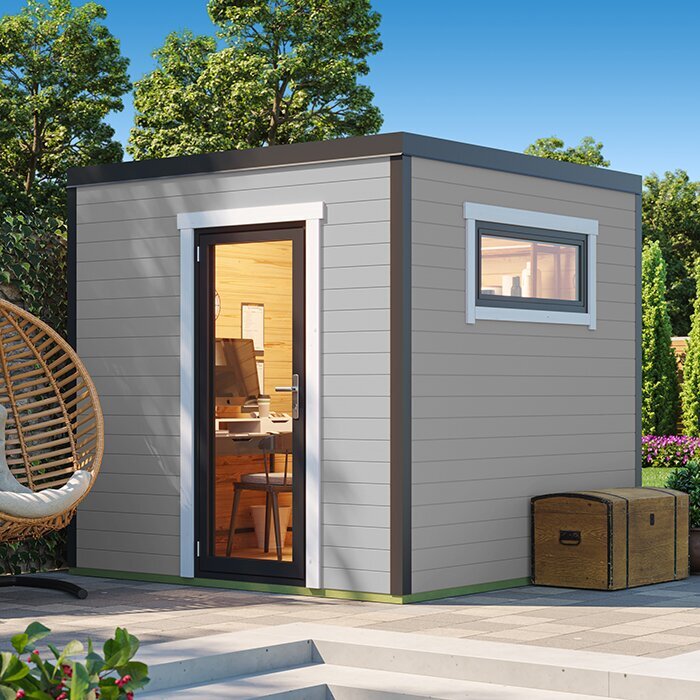
Buying checklist 3
Doors, windows and daylight
Consider doors and windows in relation to how you will furnish and use the room. Decide whether daylight, a view, privacy, ventilation or an easy route in matters most; these are separate requirements, and more of one may mean less uninterrupted wall space. A window can affect where shelves or a desk fit, while a door's position and opening arrangement can shape the layout. Picture the building in its intended garden position and check the stated configuration. Do not assume that a glazed panel opens, or that a feature is worth paying for simply because it is prominent in a photograph.
When you examine the Durano garden house listing, compare the stated door, window and glazing information with the needs on your list; the model name alone does not establish what is supplied. Note which details are confirmed, which are optional and which need a question to the seller. If you need an opening for ventilation or a particular arrangement for furniture, verify that the written information describes it. A simpler configuration may suit you just as well if it provides the features your planned use requires and keeps the project within budget.
Read the construction and care information
The price is easier to compare when you know what the supplied building includes. Read the specification for stated materials and the listed components of the walls, roof, floor, doors and windows. Check whether flooring, roof covering, fixings or a finish are included or have to be obtained separately; do not infer package contents from a photograph. Look for assembly information and care guidance too. These details help you understand the work and ongoing attention a choice may involve. Give more weight to documented information than to broad descriptions such as low maintenance or premium, which do not answer practical questions about the particular product.
Apply the same questions to the Veltor 1 listing and every other candidate. If a detail affects your intended use or costs but is not stated, ask for clarification and keep the answer with your comparison notes. Check what the supplier specifies for the base and what is excluded from the displayed package. Use the supplier's product instructions rather than a guess or generic advice. A lower price may cease to be attractive if an essential component or recommended finish has to be added; equally, do not count an extra as necessary unless your plan or the product guidance calls for it.
Buying checklist 4
Separate optional extras from package essentials
Treat upgrades as separate choices rather than assuming every item shown or offered is included. For each extra, such as a finish, interior storage, furniture or a decorative feature, ask whether you need it before first use, whether it is in the quoted package, and whether the supplier confirms it can be added later. Some elements may be integral or need to be included from the outset, so do not omit a required component on the assumption that it can be bought separately. A comfort item can stay off the order if it does not support your main use, but only after you have checked what the basic package contains.
Put the Orello listing through the same check: use its written inclusions and options, not the appearance of its photograph, to build your estimate. Compare the package you would actually buy, rather than just the starting configuration shown on a page. This can reveal whether an apparently lower starting price still fits once you add essentials, or whether another candidate includes features you would not use. If an extra is not described clearly, confirm its cost and compatibility before treating it as a bargain or assuming it can wait.
Include every project cost
Work out the total for each candidate using the same scope. As relevant to your plans, include delivery, preparing the ground, a suitable base, assembly, any finish required by the product guidance, tools, furnishings and professional services. Separate one-off costs from items you may need to maintain or replace, and separate essentials from optional comforts. Ask for a clear price for work you cannot estimate confidently. Do not assume that delivery, assembly or any other service is part of the listed price; check what is actually included before using the figure in your comparison.
For the Modano 1 listing, as for any candidate, mark each amount as confirmed, estimated or still unknown. If your intended use depends on an additional service such as power, ask a qualified professional to assess the work and cost before you commit; do not rely on a rough online figure. Compare totals only when the same required items are counted for every option. A realistic estimate may rule out a tempting listing, but it also prevents an apparently affordable choice from exceeding your fixed budget after the order.
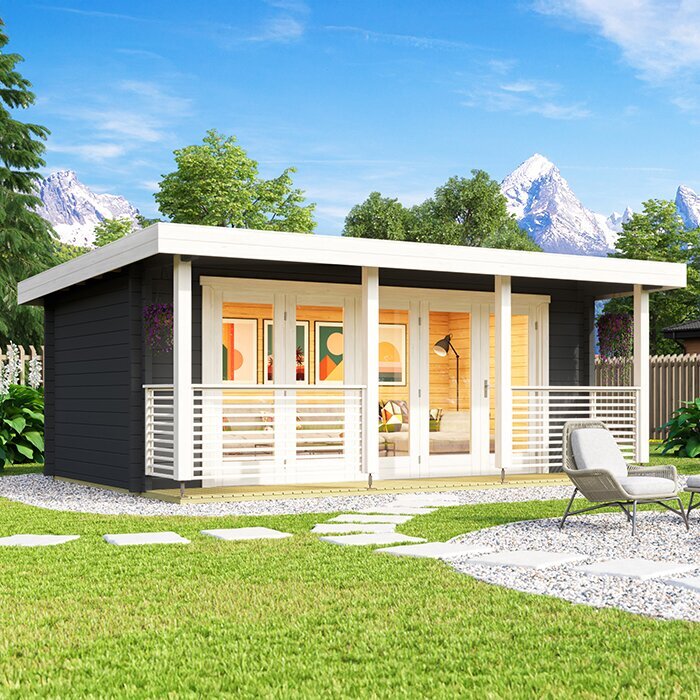
Buying checklist 5
Check the product details and order terms
Before ordering, review the current product information and terms for the exact option you have chosen. Confirm the dimensions, stated materials, package contents, assembly requirements and care guidance against your notes. Read the information about delivery, payment, returns and any warranty rather than assuming that similar listings have identical terms. Check whether assembly is included or offered separately if that affects your budget. If the product details do not answer a question that could change the total or suitability, ask the seller before placing the order and keep the response with your records.
Use the Veltor 2 listing as a reminder to verify the particular listing, not to infer details from another model or its name. Make sure the order summary matches the option and any extras you intend to buy, and that each necessary cost is accounted for. If you are unsure whether your proposed building or use raises local requirements, check with the relevant authority or a suitably qualified professional before committing. Resolving such questions beforehand is more useful than trying to accommodate an unexpected requirement after you have ordered.
Make a like-for-like final comparison
Bring your shortlist together in one table. First rule out any option that fails a non-negotiable requirement or exceeds the all-in ceiling. For the remaining candidates, compare the same confirmed details: usable layout, included components, relevant openings, care information and total project cost. Rank the preferences that remain by importance rather than giving every feature equal weight. Note why one option suits your main use better and what you would be giving up; this helps prevent a long list of upgrades or a striking photograph from outweighing the practical brief.
Include the Veltor 3 listing only on the same terms as the rest of the shortlist, and leave uncertain details marked until they are confirmed. Choose an option only when its stated information supports your essential requirements and its necessary costs fit your limit. If none does, reconsider optional preferences or the scope of the project instead of buying a mismatch or quietly raising the cap. A clear comparison should make the compromise visible: you can see what the budget protects, what it leaves out and why the final choice still works for your plans.
Frequently asked questions
What should I include in the total budget?
Add the building price and every cost needed to receive, prepare and assemble it for your intended use. Depending on the option, this may include delivery, a base or site work, assembly, a finish, furnishings and professional services. Separate confirmed quotes from estimates, and keep optional purchases out of the essential total unless you need them.
Which features are worth prioritising?
Begin with the requirements that make your main activity possible: enough usable space, a workable layout and any particular opening or privacy needs. Then decide which preferences would genuinely improve that use. A feature is not essential just because it appears in a photograph or is offered as an upgrade.
Is the lowest-priced listing the best value?
Not necessarily. A lower displayed price may not include items or work you need, while a more expensive option may include features that are irrelevant to your plans. Compare the same specifications, package contents and necessary project costs for each candidate before deciding which fits your budget and requirements.
How do I compare two summer house listings?
Use the same checklist for both: stated dimensions, layout, construction details, included components, care information, delivery and assembly terms, and any extra costs. Mark details that are missing rather than guessing. Then check each option against your must-haves and compare the total cost on the same basis.
Can I add optional extras later?
Only assume so if the product information or supplier confirms that an extra can be added later and is compatible. Some components may be integral or need to be included from the outset. Check the instructions and package details before omitting anything, and include the cost now if it is necessary for your intended use.
A fixed budget is most useful when it protects the parts of the brief that make the summer house work. Set a limit for the full project, compare documented inclusions and dimensions, and let your ranked essentials guide the choice. If an option only fits by leaving out a genuine requirement, revisit the scope or wait rather than paying for a mismatch. A like-for-like comparison makes clear which compromises are acceptable and which would undermine your plans.
