
Buying a summer house on Black Friday to assemble in spring
Seasonal buying guide
Buying a summer house on Black Friday can suit a spring build if you know what will fit, where it will go and how it can be stored before assembly. The date alone does not establish that a price is good or that delivery can wait. Treat the purchase as a connected plan: compare layouts and materials, verify the details for the chosen model, confirm delivery and storage arrangements, then prepare the site to its instructions. That way, an early order is less likely to become a winter storage problem or a rushed spring project.
Plan the Black Friday purchase around spring assembly
Treat Black Friday as a point for comparing options and, if the details line up, ordering—not as a reason to choose quickly. The seasonal label does not establish that a price is lower than it was before, and a saving cannot compensate for a model that will not fit or cannot be stored before spring. If a price is advertised, compare the exact model and configuration, included items, delivery charges and any conditions with a like-for-like option. Note the figure and terms you have actually seen, rather than relying on a percentage or countdown. This gives you a useful budget reference without assuming that every listing is a genuine bargain.
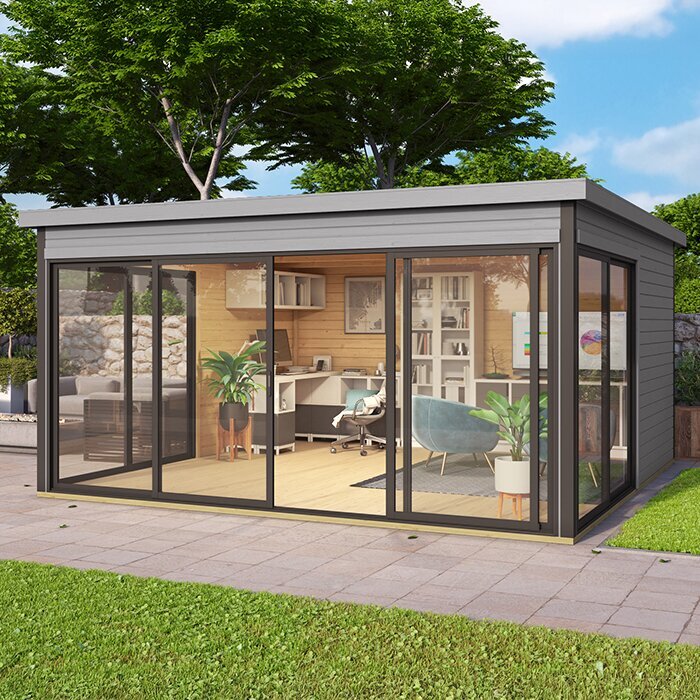
Work backwards from the period when you hope to assemble the summer house. Allow for choosing and preparing a site, arranging a suitable base, receiving the kit and securing an installer if you will not assemble it yourself. Then find out when the seller expects to deliver and whether that timing can be changed. Add a candidate such as Verdana 1 listing to your comparison, but use the listing to check its stated details and confirm delivery arrangements separately. Do not place an order on the assumption that a kit can automatically be held until spring; get any agreed delay or storage arrangement in writing before paying.
Decide how the summer house will be used
Start with the purpose, not a preferred size. A place for occasional seating may need a different layout from a hobby space with a work surface, or a retreat that must accommodate particular furniture. Write down who will use it, what needs to be kept inside and which items must remain easy to reach. Think about whether the door can be used comfortably when furniture is in place, and whether you need clear floor space in the middle. A simple plan drawn to scale can reveal a cramped layout before you compare prices or settle on a model.
Separate essential requirements from features you would simply enjoy. The position of a doorway, the amount of uninterrupted wall space and the relationship between windows and furniture can matter more to everyday use than a small difference in external size. Look for a plan or dimensioned drawing as well as photographs. When reviewing Verdana 2, for example, compare the information actually stated on the listing with your furniture plan. If an important measurement or layout detail is missing, ask the seller rather than inferring it from the model name or a staged image.
Compare the footprint with the usable interior
A summer house’s outside dimensions do not tell you exactly how much room there is to use inside. Record external width and depth alongside internal measurements, if provided, and check the stated overall height. A roof projection or other overhang can affect how much garden space the building occupies, while wall thickness and the position of the entrance can affect usable room. Check which measurements are for the building itself and which, if any, include projecting parts. Do not estimate these from a photograph: perspective can make a product appear larger or smaller than it is.
For each candidate, look for a dimensioned plan that identifies the building footprint and any projections, and check whether the measurements relate to the walls, roof or base. The Durano listing can be assessed in the same way as any other: record the published dimensions, then note any information you still need. Ask the seller to clarify whether the proposed base must match the wall footprint or another stated measurement. Descriptive words such as spacious or compact are not substitutes for dimensions, and a size comparison is only useful when you are comparing the same kinds of measurements.
Measure the garden position and the delivery route
Measure the intended position in the garden, but also check how the kit and people will reach it. A building may fit its final space while the route through a gate, along a path or around a tight corner remains difficult. Walk the whole route and note narrow points, steps, changes of level, overhead branches and places where components could be temporarily set down. Consider how the doors will open and whether there is room to walk around the building for ordinary access and upkeep. If the site is sloped or has drainage concerns, get suitable advice before settling its position.
The final approach matters when you compare delivery arrangements as well as when you measure the garden. Check the stated delivery method, unloading arrangements and any package-size information available; ask what access the delivery team needs if the details are unclear. For Veltor 1 listing, rely on the published measurements and seller’s delivery information, not an assumption based on the model name. Make sure your gate and route have been measured at their narrowest points. If a delivery vehicle cannot reach the garden, establish beforehand where the kit will be left and how it can be moved safely to the build site.
Choose a layout that works in its setting
Think about how the summer house will look and function from the places you see it most: the house, a path or the seating area. Compare available elevations and drawings to understand the placement of doors and windows, rather than judging solely from a single promotional photograph. Consider privacy, views and how the entrance relates to the route you will take into the building. Observe how sunlight and shade reach the intended position at different times, especially if the room is mainly for sitting. The aim is to choose a layout that suits both the garden and the way you plan to use the space.
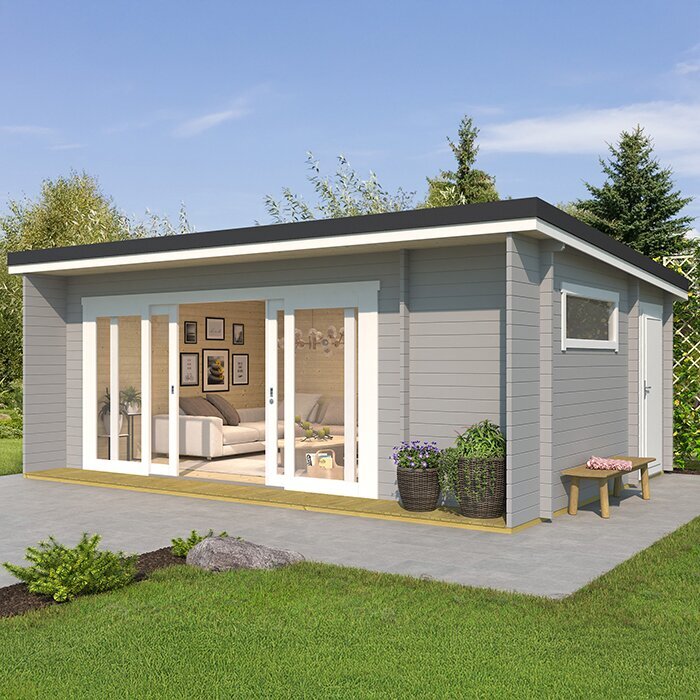
Compare appearance alongside practical details, not instead of them. A roofline, exterior finish or arrangement of openings may appeal in a picture but look different against your house or boundary. Check that the drawing represents the same configuration as the listing you are considering, and ask about any image or detail that does not match the written description. The Orello 1 listing is another design to assess using its stated information; do not infer opening positions, dimensions or operation from an image alone. If you are comparing colours or finishes, check how they are described in the order details rather than relying on screen colours.
Compare materials and future maintenance
Look for a clear specification of the materials used in the building and its main components. If timber is specified, check what is stated about the timber, any treatment or surface finish, and the maintenance the owner will need to carry out. Find out whether treatment is included in the purchase or is something you must arrange separately. If you are comparing other materials, ask how they should be cleaned, maintained and repaired. These details affect the work involved after assembly, so they belong in your comparison alongside appearance and price rather than being left until the kit arrives.
Use the product information to establish what is confirmed and what still needs an answer. For Modano 1 listing, record only the material and finish details the listing actually gives, then ask about anything that matters to your plan but is not stated. In particular, clarify the expected maintenance, whether any initial treatment is included and what products or methods the manufacturer recommends. Do not take a model name or photograph as proof of a particular material or finish. A clear answer before ordering makes it easier to compare two options fairly and to plan any upkeep alongside the spring assembly.
Confirm delivery and storage arrangements
A purchase made well before assembly needs a delivery plan. Ask for the expected delivery window, whether a preferred date or later delivery is available, what delivery costs apply and what unloading arrangements are expected. These details may depend on the seller’s terms, so check them for the exact order rather than relying on a general page or an earlier conversation. If you cannot accept the kit during the stated window, resolve that before checkout. A Black Friday order is only practical for a spring build if you can receive and store it under suitable conditions, or have a confirmed arrangement for delivery closer to the build.
Ask the seller or manufacturer how the components should be stored while you wait, including whether they should remain in their packaging and what conditions to avoid. Do not assume that an unopened kit can be left outdoors for months or that a garage is suitable if it is damp or lacks space. Check any package dimensions and weights supplied so you can plan where to keep the delivery and how it will reach the site. For Veltor 2 listing, use the product information for model details and confirm storage and delivery questions with the seller; do not infer package requirements from the building’s appearance.
Prepare a base from the chosen model’s instructions
The base should be planned for the particular summer house and the conditions at its chosen position. Find the manufacturer’s installation guidance or base drawing and check the stated footprint, preparation requirements and tolerances. Avoid choosing a base from a neighbour’s building or a generic rule of thumb: a different model or site can have different requirements. Check the ground where the structure will stand and consider how water drains nearby. If the ground is uneven, unstable or otherwise uncertain, ask a qualified installer or suitable building professional what preparation is appropriate before committing to a design.
Before ordering, make sure you can obtain the installation information needed to prepare the site. For Veltor 3 listing, look for the relevant model documentation or ask the seller or manufacturer where to find it. Do not copy a base plan from another summer house, even if the products look similar. If you plan to hire someone for the base or assembly, share the exact model information with them and confirm what work is included. That avoids preparing the wrong area or discovering during the spring build that a key site requirement was missed.
Work out the full order cost and terms
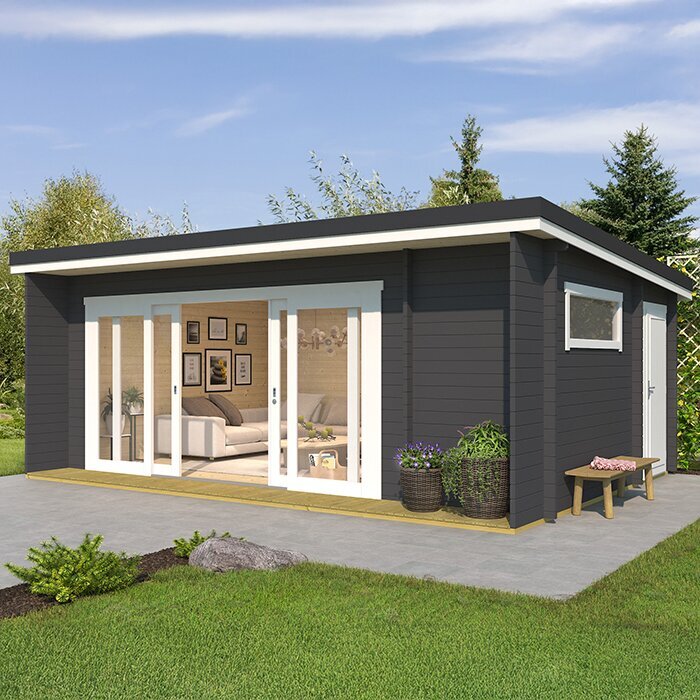
Compare the complete cost of each option, not just the amount shown beside the product. Include delivery, any site preparation or base work, materials or treatment you will need to arrange, and assembly help if you plan to use it. Check what the order includes and what must be bought or organised separately. A simple table with columns for confirmed cost, estimate and information still needed will show whether two offers are genuinely comparable. If a Black Friday price is displayed, compare the same model and configuration and read any conditions attached to it. Do not count an unconfirmed saving or service as part of your budget.
Before paying, check that the order summary identifies the model and any selected configuration correctly. Read the delivery and storage arrangements, package contents and the seller’s terms for changes, cancellations and reporting damage or missing components. If you have agreed a later delivery or another arrangement, make sure it is recorded in the order confirmation or written correspondence. Keep the product information and order records together so you can refer to them during site preparation and assembly. If a material detail, included item or timing remains unclear, ask for an answer before placing the order rather than relying on an assumption.
Set an assembly timetable with room for delays
Plan the spring build as a sequence rather than a single date: confirm the order and delivery, prepare the site and base, make sure the kit can be stored appropriately, then set an assembly window. The order of these tasks can depend on the seller’s delivery arrangements and the model’s instructions. Leave room for a change in delivery timing, poor working conditions or a base that needs further attention. Avoid booking every part of the project back-to-back. A little flexibility is more useful than a target date that depends on several unconfirmed steps all happening exactly as expected.
If you intend to assemble the summer house yourself, read the instructions before purchase so you understand the stated requirements for tools, preparation and help. If you plan to hire an installer, share the exact model details and agree what their work covers, including whether base preparation is separate. Once the kit arrives, follow the seller’s process for checking it and report any damage or missing items promptly. Do not start if the instructions or contents raise a question you cannot resolve. A spring timetable should allow time to settle those issues without forcing a rushed build.
Frequently asked questions
Is Black Friday always the cheapest time to buy a summer house?
No. The date or a displayed saving does not by itself show that you are getting the best price. Compare the same model and configuration, what is included, delivery charges and the full cost of getting it ready to assemble. Buy only if the price and the spring plan both work for you.
Can I buy now and have the summer house delivered in spring?
Possibly, but do not assume that delivery can be postponed. Ask the seller before ordering whether a later delivery can be arranged, what dates are available and whether any conditions apply. Get the agreed arrangement in writing; otherwise, plan for the kit to arrive within the stated delivery window.
Can I store the kit outside until assembly?
There is no safe assumption that packaging will protect a kit from outdoor conditions for several months. Ask the seller or manufacturer how and for how long the unopened components can be stored, then follow those instructions. If you cannot provide the recommended conditions, arrange delivery closer to assembly or reconsider the timing.
Which measurements should I compare?
Check the listed external dimensions, internal usable space, overall height, roof projections if stated, door opening and the dimensions needed for the base. Also measure the route into the garden, including gates and tight turns. If a drawing does not make clear what a measurement includes, ask before choosing.
Should I book an installer before placing an order?
If you plan to use an installer, ask them to review the exact model information and base requirements before you commit. You can discuss availability and obtain a quote early, but avoid relying on an unconfirmed delivery date. Agree the work, timing and what is included once the model and delivery arrangements are clear.
A good Black Friday purchase is one whose model, full cost, delivery plan and site requirements still work when spring arrives. If storage, the base or the layout remains uncertain, resolve that before letting an advertised date drive the decision. Once those details are clear, keep the order information to hand and build the timetable around the manufacturer’s instructions and the actual readiness of the garden. Buying early should make the spring assembly easier to plan, not harder.
