
Buying a Summer House Online: A Pre-Order Checklist
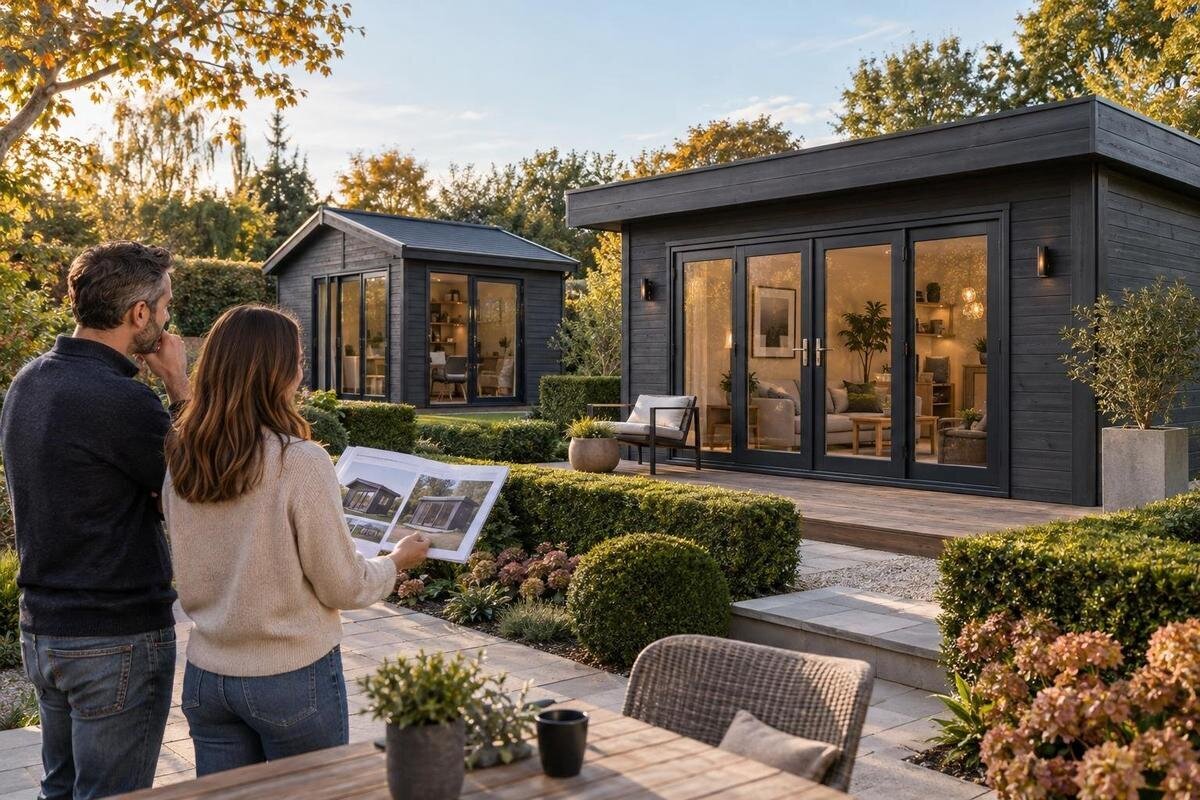
SUMMER HOUSE BUYING GUIDE
Buying a summer house online is easiest when the product page is only one part of the fit check. The building must suit the way you intend to use it, fit the available space, arrive by a route you can manage and match what the order actually includes. Photographs help you compare appearance, but they cannot settle dimensions, delivery method or base requirements. Use this checklist to turn a shortlist into a clearly specified order, and pause wherever the listing or seller has left an important point unanswered.
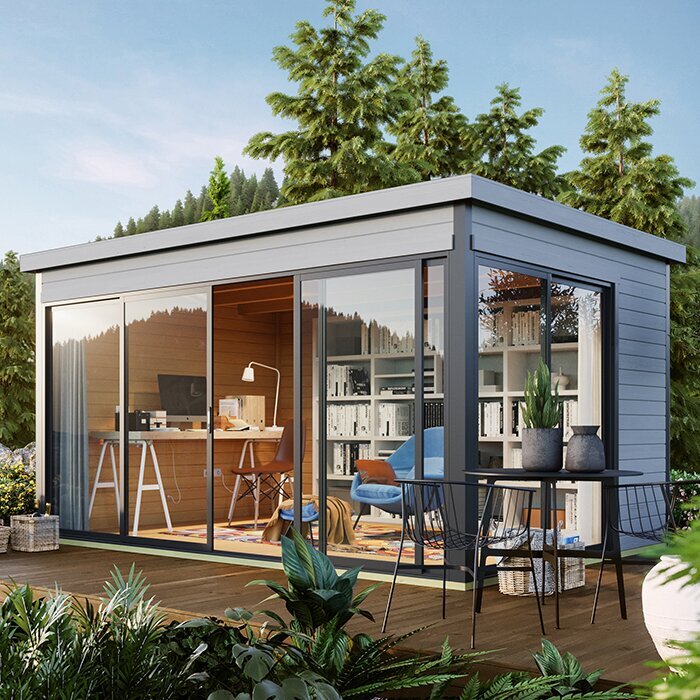
Set your requirements before comparing models
Decide what the summer house needs to do before comparing façades. A place for reading or sitting, a hobby area and occasional storage can each call for a different balance of open floor space, daylight, privacy and access. Write down the activities and the people who need to use the building, then note any furniture or equipment that must fit. Include the largest item, where it will stand and what needs to happen around it, such as opening a cupboard or pulling out a chair. A requirement such as room for a table and two chairs is more useful than simply asking for something spacious; a clear route to the seat is more precise than asking for easy access. This list also helps you reject an otherwise appealing option before spending time comparing details that will not alter the decision.
Separate must-haves from preferences. You might need a particular position for the entrance or enough clear floor area for a planned use, while the colour or style may be flexible. Keep a shortlist with separate notes for confirmed details and unanswered questions. That way, an attractive image cannot quietly substitute for a missing measurement or an unclear specification. Compare the same details for each candidate, and do not assume that products with similar names have identical configurations.
Measure the garden and the building footprint
Measure the available area at ground level and compare it with the stated external width and depth. Mark the proposed corners with string or removable markers, then walk around the outline: a building that fits on paper can still obstruct a gate, path or access to another part of the garden. Ask whether the dimensions include roof overhangs, eaves, a step or other projections shown in the listing. On the Verdana 1 garden house page, record each published figure and what it measures, rather than copying only the largest number.
Check height as well as width and depth. Nearby fences, walls, windows, trees and raised beds can affect where the building fits and how easily you can reach it later for cleaning or maintenance. Look above the proposed position as well as beside it: branches and features attached to a wall may affect access during installation or future upkeep. Leave practical space around the proposed position rather than measuring only the exact footprint. If a boundary, local restriction or other requirement could affect the location, check current official guidance before finalising your plan; product dimensions alone do not settle where a building may be placed. Record the measurements and the date they were taken, especially if seasonal growth or planned garden changes could alter the available space.
Check usable space, doors and openings
An outside measurement does not tell you how much floor space is usable inside. Look for internal dimensions or a dimensioned plan, then map the furniture and equipment you intend to use. Allow room not only for the items themselves but also for people to sit, stand and move between them. Think about where a chair will be pulled out or whether storage would block a route. Note where door swings and window positions limit where tall furniture can stand, rather than drawing a layout as though every wall were clear. If more than one person will use the space, test the arrangement for ordinary movement as well as for a tidy-looking plan. If the listing gives only the outside size, ask for the internal measurements before deciding that your planned layout will fit.
Door and window positions matter as much as their overall size. Check which way doors open, how much clearance they need and whether their position works with the path you have planned. For sliding or folding openings, look for the stated clear opening and how the panels are arranged when open; a photograph may not answer either question. In the Verdana 2 product listing, check whether a plan or opening details are provided. If not, ask for them rather than trying to estimate from an image.
Read the materials and included-items specification
Read the construction details rather than judging materials from the appearance of a photograph. Look for the stated material, wall and roof construction, floor provision, external finish, roof covering, glazing and door hardware. Where a detail matters to your decision but is missing, ask for the exact specification. If the building is described as timber, for example, check whether the listing identifies the timber and says whether it is supplied untreated or with a finish. Do not assume that an item is included just because it appears in a product image.
Make a separate list of what is supplied, optional or excluded. That could include the floor, roof covering, glazing, fixings or a finish, depending on the product. Distinguish an item that is supplied from one merely shown in a styled photograph, and check whether an option must be selected separately at checkout. Check whether the seller gives care or maintenance information for the materials and finish, and what preparation is expected before use. The Durano garden house page can be treated like any other candidate listing: use its written specification to identify confirmed details and ask about gaps, without reading unlisted features into the model name. Keeping this list alongside the basket makes it easier to spot an omitted option before payment.
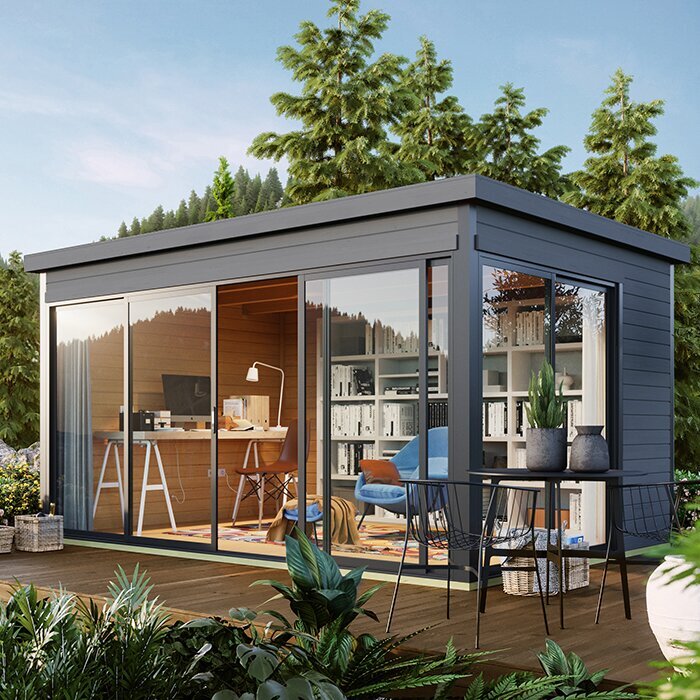
Match the specification to your intended use
Think about the conditions in which you expect to use the building, not just how it looks on a bright day. If you want to spend time inside during cooler or wetter parts of the year, look for clear statements about intended use, weather protection, ventilation, glazing and any insulation. Check whether a stated feature is part of the selected specification or an optional extra. A product name or general description is not enough to establish that a particular building will meet a specific expectation. Use the Veltor 1 listing as one item to assess against your own requirements, not as a substitute for checking its details.
If your plans include lighting, heating, power or water, treat those as separate requirements. Confirm what, if anything, is provided with the building and ask a qualified installer about the suitability of any proposed work before ordering. Consider how the intended use changes through the year, including the need to store items securely or keep the interior ventilated when it is not occupied. Do not assume that a use that works in mild weather will meet your expectations at another time of year without checking the relevant specification. Likewise, if the intended position could involve a permission, boundary restriction or other local requirement, consult current official guidance or the relevant authority. These checks depend on your plans and the site; do not infer an answer from a product page.
Confirm what the delivery service covers
Check whether delivery is available to your postcode and what the stated charge covers. A delivery to an address may not mean that components are taken to the final position in the garden, so ask where the goods will be left and whether unloading is included. Confirm whether access for the delivery vehicle is a condition, whether an appointment is arranged and what you need to have ready to receive the order. Consider who will be present to receive the goods and whether the proposed drop-off point can remain clear on the delivery day. Read the delivery notes for the exact configuration you plan to buy, not just a general page about the range. If the delivery information uses terms that are unfamiliar, ask what they mean in practice for your address before committing to a date.
Ask how the seller handles delivery dates, changes to arrangements, damage and missing items. Find out how you are expected to inspect the goods and report a problem, and whether the seller specifies a time or process for doing so. Check whether there are additional charges or different arrangements if a vehicle cannot reach the agreed point. For the Orello 1 listing, look for delivery information and get any important detail confirmed in writing if it is not set out clearly.
Measure the route from the delivery point to the site
The garden entrance is not necessarily the only point to measure. Trace the full route from wherever the delivery will be left to the planned position. Measure the narrowest clear width at gates and between obstacles, and note sharp turns, steps, changes in level and overhead branches. Check whether gate posts, handles, pipes, bins or stored items reduce the space available. Think about temporary obstacles as well: parked vehicles, refuse collections or building work can affect access on a particular day. A route that looks open from one end can have a tight turn that prevents a long or wide package from passing through. Put the measurements on a simple sketch so they can be compared clearly with any delivery information supplied.
Ask the seller for the dimensions of the delivered packs and any information about how the goods will be brought to the site. Do not use the assembled building’s footprint as a guide to the size of its packages, and do not assume a particular number of packs or a carrying service. If access is difficult, send a simple sketch or photographs with measurements and ask what the delivery arrangement requires. The Modano 1 product page identifies the candidate you are checking; the route decision still depends on confirmed package and delivery details.
Check the base and the proposed position
Find out what base or support the exact model requires before arranging the site. Look for the manufacturer’s installation instructions or a base diagram, including any stated dimensions and requirements for the surface. Check whether those instructions distinguish between the building footprint and the prepared area, as these may not be the same measurement. Do not choose a base solely because the building’s headline measurements appear to fit. Ground that slopes, feels soft or holds water may need a closer assessment; if the site is uncertain, ask the supplier or a competent installer what needs to be established before the order proceeds. Plan the timing of that work so that the site is ready when delivery and installation arrangements require it.
Check what the product specification says about a floor and whether a separate base is needed, rather than assuming one is included. Compare the required base dimensions with your site measurements and allow access around the building for the work and later maintenance. Consider nearby roots, drainage routes and anything that could obstruct the planned position. With the Veltor 2 page, as with any candidate, look for the exact base information; if it is not available, request it instead of using a guess.
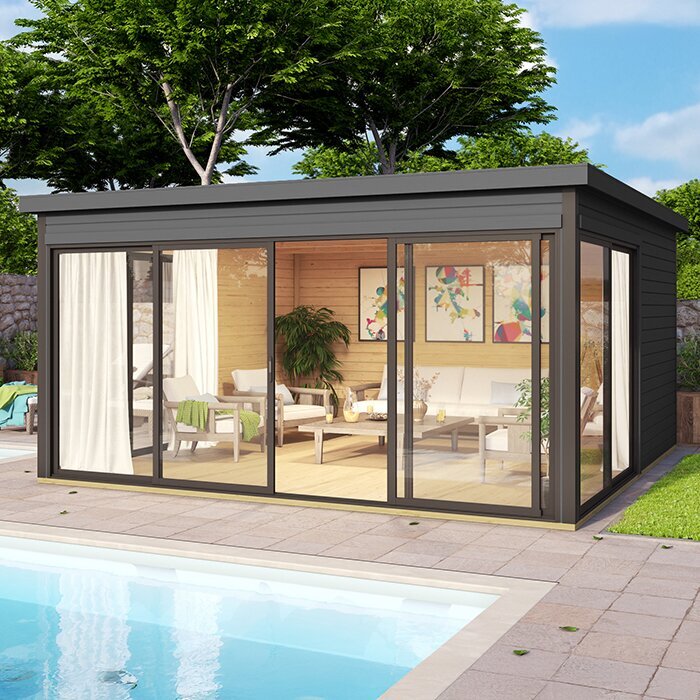
Review the selected configuration and order terms
Before checkout, make sure the basket shows the exact model and configuration you compared. Check any selected size, finish or optional items against the product information and make sure the order summary has updated after any changes. The illustrations may show a particular arrangement, but rely on the written description to confirm what your chosen configuration includes. Keep the product identifier with your notes so that questions about specifications, delivery or options refer to the same item. For the Veltor 3 listing, check the selected page and the checkout summary rather than relying on a nearby variant’s description.
Read the terms that apply to the order, including payment, delivery, changes, cancellation, returns and the process for reporting damage. Compare the total shown at checkout with the costs you have confirmed, including delivery and any necessary extras you have identified. Check that any written answers you received relate to the same model and selected configuration, particularly where a range has several variants. Save a copy of the product details, order summary and written answers to your questions. If a significant charge, inclusion or condition remains unclear, pause before submitting the order; a clear record makes it easier to see exactly what you are agreeing to buy. It also gives you a single reference point if an order detail needs to be discussed later.
Bring the checks together before you order
Use one written record for the final decision: exact product and configuration; external footprint and height; internal dimensions and opening details; materials and included components; base requirements; delivery charge and service; route measurements; and the terms that apply. Add the source of each answer, such as the product page, an order summary or a written reply, so that confirmed information is not confused with a personal assumption. Mark each point as confirmed, not applicable or still unanswered. This avoids having to reconstruct a decision from several open tabs or remember whether a detail came from a photograph, a product description or a message from the seller. A concise record is particularly useful if more than one person is involved in choosing the building or preparing the garden.
The order is ready to consider when the building fits the site and intended layout, the base requirements are understood, the delivery route and service are workable, and the total and terms are clear. If a missing fact could change the choice or make delivery difficult, leave it unresolved only if you are prepared to pause the purchase. Comparing another listing or waiting for written clarification is more useful than placing an order on the strength of an assumption.
Frequently asked questions
Which measurements should I take before ordering?
Measure the space available for the building and the route from the likely unloading point to its position. Also check the product’s external dimensions, any projections, door openings and internal measurements. Ask the seller what each listed figure includes if the page is unclear.
Are the dimensions on a product page enough to judge the fit?
Not always. A headline footprint may not explain whether overhangs or other projections are included, and outside dimensions do not tell you how much usable floor space there is. Look for a dimensioned plan and confirm any missing measurements before deciding.
Does the product photograph show everything included?
A photograph is not a reliable list of what comes with the order. Check the written specification for the building’s components, finish, floor, roof covering, glazing and fixings, as well as any items described as optional. Ask for clarification where the wording is ambiguous.
How can I tell whether delivery will fit through my garden?
Measure gates, narrow paths, turns and overhead clearance, then ask for the dimensions of the delivered packs and details of the delivery method. The assembled building’s measurements alone cannot confirm that its components can reach the proposed site.
Should I order before the base is ready?
First confirm the base requirements for the exact model and check the seller’s delivery and storage arrangements. If the timing or storage conditions are not clear, get them confirmed before placing the order rather than relying on assumptions.
A good online purchase is more than a summer house that looks right in a photograph. It is a choice whose dimensions, specification, base requirements and delivery arrangements make sense for the actual garden and the way you plan to use it. When those details are clear before checkout, you can compare options on what the order really includes and avoid relying on assumptions.
