
Buying a summer house to replace an old shed: what needs to change?
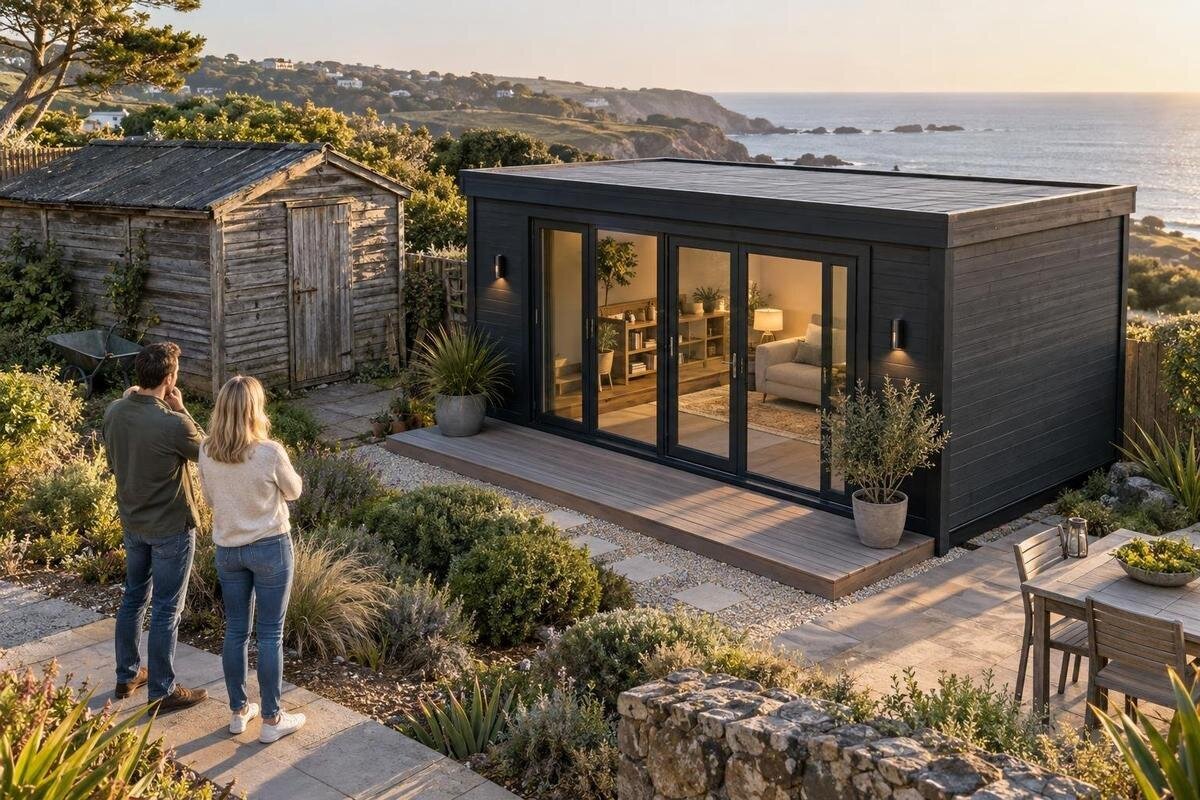
Summer house buying guide
An old shed often does more than its appearance suggests: it may shelter bikes, tools, seed trays and boxes as well as provide somewhere to work. A summer house can give the garden a more comfortable room, but it is not automatically a like-for-like replacement for every storage task. Before you buy, work out which jobs will move indoors, which still need a separate home, and whether the plot, access and ordering plan can support the change. A short audit turns a vague wish for a better building into requirements you can compare with product information.
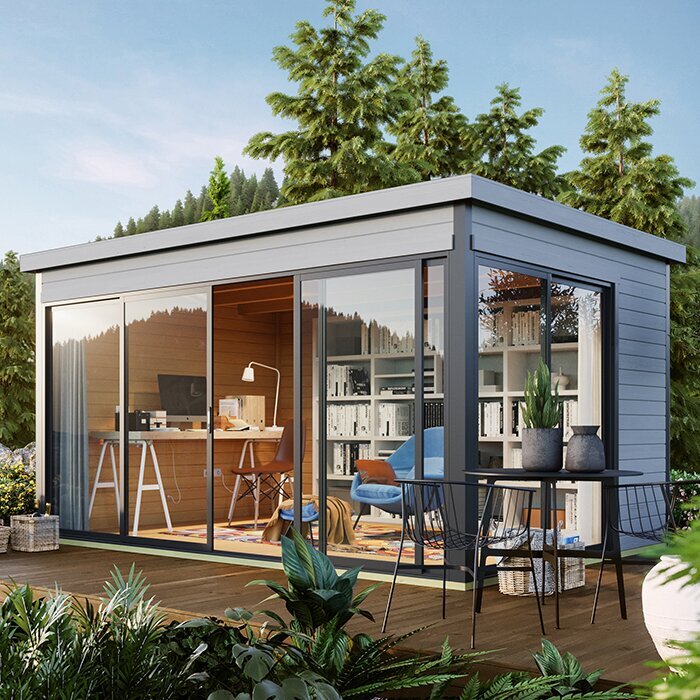
Audit the old shed before choosing a replacement
Before looking at summer houses, list everything the old shed does over a normal week and across the year. Note stored items, occasional jobs and any time spent using the space itself: potting, repairing tools or sheltering from a shower, for example. Mark each task as something the replacement must support, something that can move elsewhere, or something you no longer need. Include large or awkward items, how often you reach them and who uses the shed. This inventory prevents a common mismatch: buying a more appealing room, then discovering that essential kit has nowhere practical to go. It also shows whether storage or work space is the main function.
Separate the reason for replacing the shed from the tasks it must still perform. A leaking roof, a difficult door or a cramped layout may be the problem; each points to a different requirement, not automatically a need for a larger building. Note what currently works too, such as a convenient route from the house or a sheltered position, so you do not lose it unintentionally. Measure shelves and bulky contents before dismantling anything, and make a simple sketch for reference. Record where rainwater runs, which side receives the strongest sun and whether branches or neighbouring structures affect the site. These observations help you compare a proposed position with the one that has already proved workable. Treat the old shed’s footprint as evidence rather than a target: once you sort its contents, the space needed for a room may be smaller or larger.
Define the main purpose of the new room
Choose the main use before browsing listings. A place for occasional sitting, a hobby room and a work area can call for different layouts and practical details. Think about how many people will use it, what furniture or equipment must fit, how regularly you will be there and during which parts of the year. If you want to work or pursue a hobby, note whether privacy, a suitable work surface or access to services matters. A room intended for relaxing may have different priorities from one where tools and materials stay out between jobs.
Turn that purpose into questions a product listing can answer: what internal space is shown, what openings are specified and what components are included? If you expect to use the building for long periods or for a particular activity, check whether the stated construction and intended use fit that plan; do not infer comfort or services from the term summer house. A candidate such as the Verdana 1 listing can be compared against those published details. Its name alone does not establish room size, comfort or suitability for a specific activity.
Decide which storage must remain
Make a separate inventory of the things that will still need to be stored outdoors. Group them by size and frequency of use, and measure the largest or longest items rather than estimating from a pile of boxes. Include equipment you need to reach quickly and anything that cannot simply be stacked in a corner. If you intend to move some belongings to another part of the property, identify that space now; otherwise, it is easy to count storage as solved when it has only been shifted out of sight.
Then choose how the remaining storage will work: elsewhere on the property, in a separate building or within a clearly defined part of the summer house. If the room must do both jobs, check that the planned arrangement leaves space to move around and use the room as intended. Do not assume a partition, lockable store or particular storage layout is included unless the product information says so. The garden house Verdana 2 listing is one specific page to check for stated layout or storage features, rather than relying on the model name or a photograph.
Measure the proposed footprint and surrounding space
Measure the area available after you have decided where the retained storage will go. Compare the building’s stated external dimensions with the space on the ground, and distinguish these from any internal measurements: the room you can use may not match the full footprint. Check what each figure refers to, including whether a plan shows the building itself or additional projections. If a measurement important to your decision is not clear in the listing, ask for confirmation rather than estimating from an image.
Mark the intended position on a simple garden sketch and note paths, fences, trees, drains, washing lines and other features that need to remain accessible. Consider whether you can walk around the building for ordinary upkeep and whether the new footprint interrupts a route or another use of the garden. Include the position of gates and the direction people normally approach from, since an entrance that faces the wrong way can make everyday use less convenient. Keep the building’s relationship to boundaries and neighbouring spaces visible on the sketch, then obtain appropriate advice if this raises a question. When checking the Durano garden house, use any measurements published for that model and request missing figures before deciding. A building that fits on paper may still make the garden awkward if the surrounding space is overlooked.
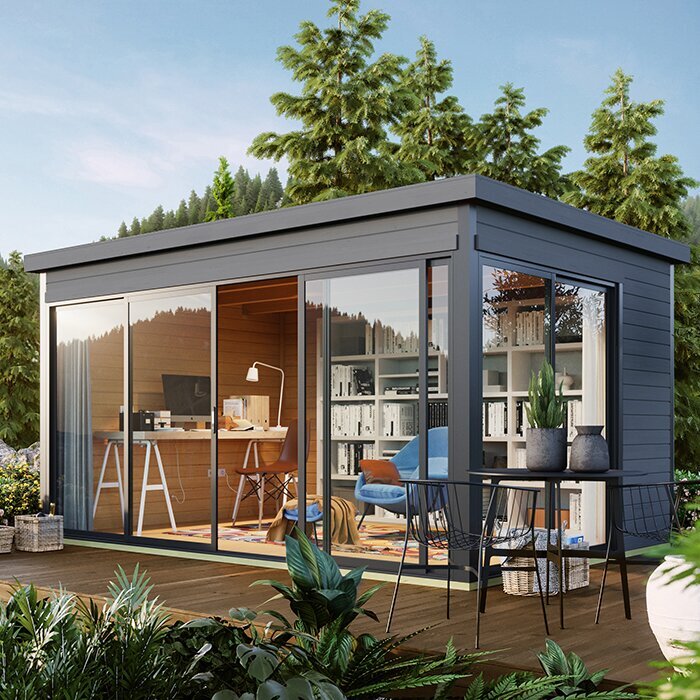
Test the layout against doors, furniture and daily use
Sketch the room from the product plan and add the furniture or equipment you expect to use. Allow for the space needed to sit, stand, reach shelves and move between the entrance and the main activity area. If a workbench or storage unit will stay in place, include its real dimensions rather than drawing a convenient box. This quick layout check can reveal that a room with enough floor area overall still has an awkward corner or an obstructed route.
Check the stated position and operation of doors and windows, including the space needed to open a door fully. Think about where you would sit or work in relation to the entrance, garden views and neighbouring windows, without assuming that a particular arrangement comes as standard. Confirm the details on the product plan rather than inferring them from a model name. Apply that check to Veltor 1 as well as any other candidate: the actual drawing and specification should guide your layout, not the impression given by a photograph.
Check the existing base and ground conditions
Do not assume that the base beneath the old shed can be reused. The replacement may have a different footprint or different stated base requirements, and the condition of the existing surface may need professional assessment. Compare the product documentation with what is already on site, including its size and general condition. Check whether the existing base has damaged edges, visible movement or areas that hold water, and do not conceal concerns with loose material or temporary packing. If the requirements are unclear, ask the supplier or installer before you commit; do not rely on the fact that the old building stood there as proof that the new one will be suitable. Taking photographs and noting the base dimensions before removal can make a later discussion clearer.
Look at the proposed position after wet weather and note any persistent pooling, uneven ground, overgrown areas or nearby features that could affect preparation. This is not a substitute for an assessment where the site presents a concern. Ask a qualified installer or other relevant professional to advise on the ground and preparation needed, rather than trying to resolve technical questions from a catalogue image. For Orello garden house, compare the base requirements stated for the product with your existing site and seek clarification if any part of that comparison is uncertain.
Verify materials, finish and intended use
Compare the construction details stated in each listing, rather than assuming that buildings in the same category are identical. Check what materials and finish are specified, whether any components are included and what routine care the manufacturer recommends. Product images may show a particular setting or added furnishings, so confirm which items form part of the order. If appearance is important, make sure the finish described in the specification matches what you expect to receive, and ask about any detail that is not explained.
Think about the conditions in which you expect to use the room. Occasional summer use has different demands from spending long periods there in cooler weather, but the category name alone does not guarantee a particular level of comfort. Check any stated details about the floor, walls, glazing and ventilation against your plans, and ask the supplier if the intended use is not addressed. If you are considering Modano 1, rely on its actual specification for materials and intended use; do not infer those details from the model name.
Plan access, delivery and removal of the old shed
Walk the route from the delivery access point to the proposed site and note gates, turns, steps, low branches and other obstacles. Check what the supplier needs to know about access and whether product or package dimensions are available. A building may fit in the garden but still present a delivery or assembly challenge if there is no practical route to its position. Confirm any access questions with the supplier before ordering rather than relying on a general description of the product.
Agree who will dismantle and dispose of the old shed, who will prepare the site and who is responsible for assembly. Do not assume that delivery includes unloading, installation or removal of the existing building; ask what is included and what you must arrange separately. Decide where the shed’s contents will go during the changeover, especially if you need regular access to tools. Set out the order of work as well: clearing the shed before dismantling it, keeping the route clear and having the prepared site ready when required can prevent a last-minute scramble. For Veltor 2, check the current delivery and assembly information and obtain clarification on anything that affects your plans.
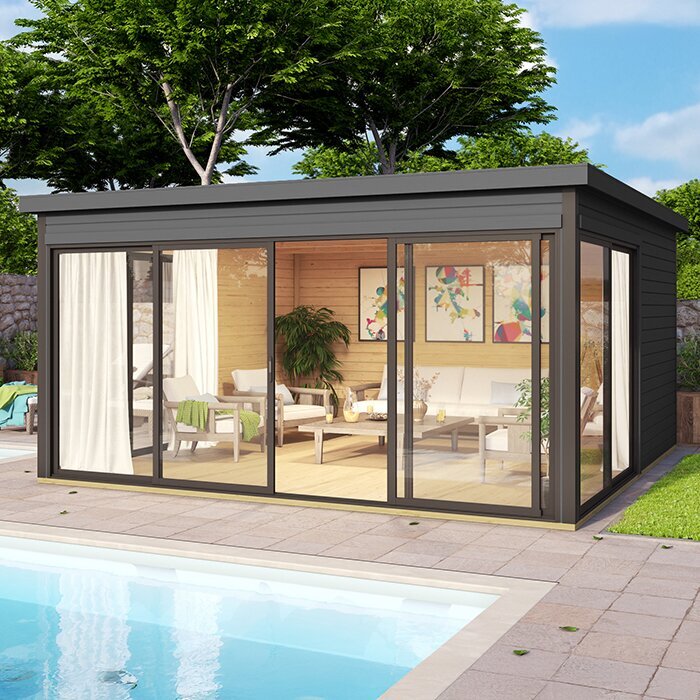
Check permissions, services and privacy before ordering
Before placing an order, check whether the proposed building and its location raise permission or other property requirements. These can depend on the property and the particular plan, so a general statement about summer houses may not answer your situation. Ask your local planning authority or a qualified planning professional if you are unsure, and allow time to resolve the question before arranging removal of the shed. If you rent, lease or live under a property management arrangement, check any relevant conditions too.
If you expect to add lighting, sockets, heating or other services, establish early whether the building and your plans can accommodate them. Ask a qualified electrician or the relevant professional to advise; do not treat a product listing as an installation plan. Also consider privacy from nearby homes, the direction of views and whether noise from your intended activity could affect others. These checks can influence where the building belongs, so settle them before settling on a model or final position.
Compare the full replacement plan before you order
Bring your notes together in a comparison sheet for each candidate. Record the intended use, storage plan, site measurements, stated internal and external dimensions, base requirements, layout, materials, included components, delivery and assembly arrangements. Mark each fact as confirmed, unanswered or unsuitable for your plan. While reviewing Veltor 3 or another final candidate, use its current product information to complete that comparison; if an essential detail is missing, ask the supplier instead of filling the gap with an assumption.
Before confirming the order, check that the exact model and any chosen variant match the information you reviewed. Make sure the new building, retained storage, site preparation and removal of the shed have all been considered together. Keep the relevant product details and written answers with your order so that the agreed specification is clear. Make a final list of actions that must happen before delivery, including clearing access and moving items that would obstruct the work area. If arrangements involve more than one contractor, ensure each party knows when their part is needed. If a key question about dimensions, access, base requirements or what is included remains unresolved, pause and clarify it. A considered changeover is easier to manage than discovering after the old shed is gone that the new room cannot take over the jobs you expected.
Frequently asked questions
Can a summer house also be used to store garden tools?
It can, if the layout and available space meet your storage needs, but do not assume that a separate store or lockable area is included. Decide which tools must stay in the garden, check their size and access requirements, then verify the product details before relying on the summer house for storage.
Can I reuse the old shed’s base?
Possibly, but the new building may have different footprint and base requirements, and the existing base may not be in suitable condition. Compare the product’s stated requirements with what is already there, and ask the supplier or a qualified installer to assess any uncertainty before ordering.
Does the replacement need to be the same size as the shed?
No. The right size depends on the room you want, the storage you still need and the space available on the plot. Measure the proposed footprint and compare it with the internal area and layout shown in the product information; the old shed’s dimensions are a reference, not a rule.
What should I do with the shed’s contents before delivery?
Sort and measure the items you are keeping, then decide where they will go while the old shed is removed and the new building is prepared. Confirm who is responsible for dismantling and disposal, and agree delivery and assembly arrangements so essential tools or equipment are not left without a practical home.
Do I need permission to replace a shed with a summer house?
Requirements can depend on the property and the proposed building, so do not rely on a general rule or product description. Check with your local planning authority or a qualified planning professional before ordering. If relevant, also review any conditions attached to your tenancy, lease or property management arrangements.
Replacing a shed is a change of use as much as a change of building. Decide what the summer house needs to do, make a definite plan for anything that remains in storage and measure the whole site, including access. Then check the selected product’s stated details alongside the base, delivery, assembly and permission questions that apply to your property. Once those pieces agree, you can choose a replacement that improves the garden without losing the practical jobs the old shed used to handle.
