
Buying a Summer House When Delivery Access Is Limited
Summer house buying guide
Limited access is not simply a narrow gate. A delivery can involve a long carry, a turn in a side passage, a low branch or an unloading point some distance from the garden. Before buying a summer house, map the route to its intended position, measure the tightest clearances and ask what the supplier’s delivery service covers. Then compare those facts with the packed dimensions for the exact model and version. The finished building’s footprint and an attractive product image cannot show whether its components will reach the plot.
Map the complete delivery route
Begin at the point where the delivery vehicle is expected to stop and trace the route to the planned position of the summer house. Include every gate, side passage, doorway, shared path, corner, step and change of surface. Walk the route rather than relying on a garden plan: a drainpipe, low branch or projecting wall can make a passage narrower than it appears on paper. Mark each tight point on a simple sketch and take photographs of sections that may be difficult to describe.
Keep route measurements separate from the dimensions of the finished building and its intended base. One set helps establish whether the delivered components can reach the plot; the other helps establish whether the assembled house and the space needed to build it fit the chosen place. A model can pass one test and fail the other. Note where the parts would be unloaded and how they would get from there to the final position. If access is shared or restricted at certain times, include that in your plan and find out who needs to be notified. Also note any point where the route crosses land you do not control or depends on a locked gate. A route that is physically wide enough is still unusable if it cannot be used at the delivery time. Arrange keys, codes or attendance in advance, but do not treat informal access as confirmed.
Measure the usable width and height at each pinch point
Measure the narrowest usable width and height along the route, not just the stated width of a gate or path. With gates open as far as they will actually go, measure between the nearest points a package would have to pass: posts, hinges, latches, handles, brickwork or pipework. Check the overhead clearance under lintels, arches, branches and overhangs. If an opening is irregular, take measurements at several heights and record the smallest. Write the location beside each figure so that a measurement at the entrance cannot be mistaken for the tightest point further along.
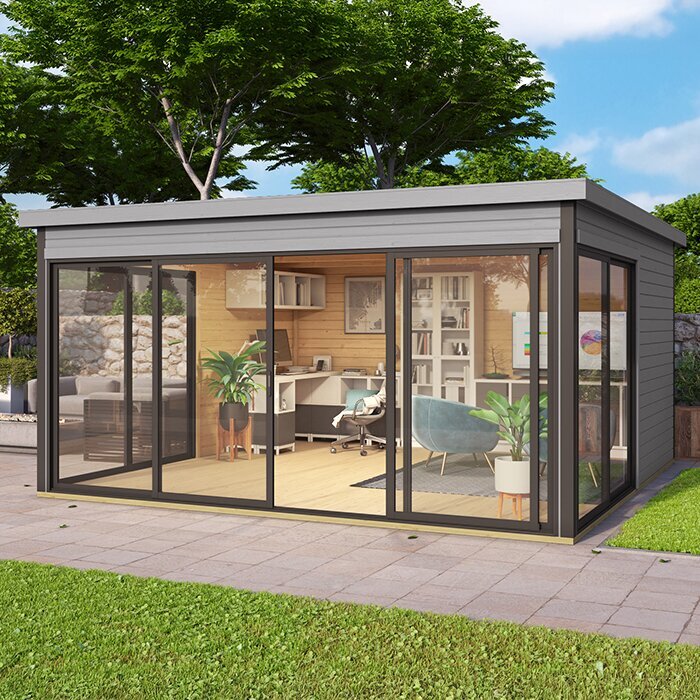
Record what can be moved and what is fixed. Bins, plant pots or a parked vehicle may reduce the available space on delivery day, but a gate post or drainpipe cannot be treated as a temporary obstruction. Take a close photograph with the tape measure visible and another showing the whole opening. Recheck any figure close to the supplier’s stated requirements. Do not invent a clearance allowance or assume a package can be tilted to squeeze through; ask what handling room is needed. When reviewing the Verdana 1 listing, use it to identify the model, then request its packed dimensions rather than inferring them from the name or images.
Allow for turns, steps and changes in level
A route may be wide enough on each straight section and still be difficult to negotiate at a bend. Record the width of both approaches, the length of the straight run before the corner and whether there is space to turn between walls, fences, steps or planted borders. Long components can need more turning room than short ones, even when both appear to fit through the gate. A diagonal measurement on its own does not confirm that a package can be manoeuvred. Ask the supplier how the largest component is expected to be handled and whether a sketch or photographs would help assess a tight corner. Where a change in level is unavoidable, photograph it from both directions and show its position relative to the turn or opening beside it. A small step immediately after a narrow corner can affect manoeuvring differently from one on a clear straight run. This context helps the supplier understand the route rather than interpreting isolated numbers.
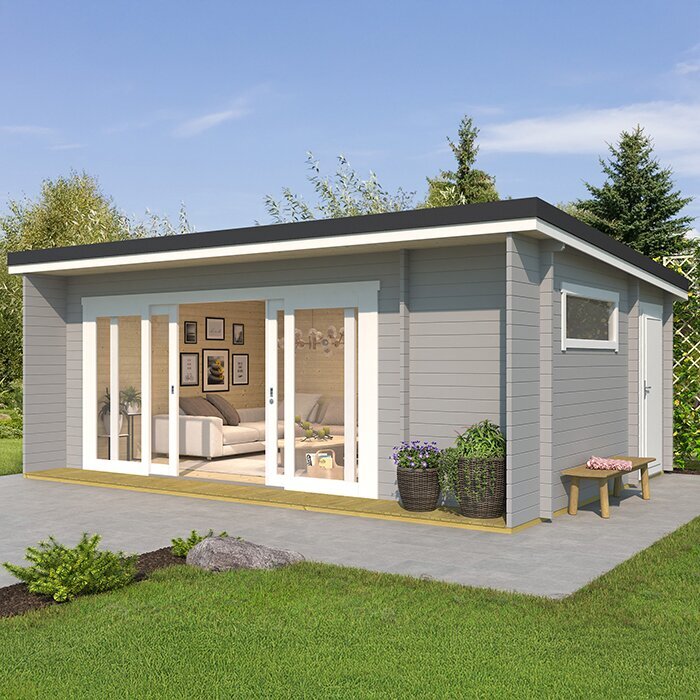
Describe changes in level and surface too: steps, sloping sections, loose gravel, soft ground or a threshold between paving and lawn. These details may affect the delivery method as well as the available width, so report them rather than reducing the assessment to a single measurement. Do not estimate a safe load or decide for yourself how many people should carry a component. The Verdana 2 page can be one of the model records you compare, but its identity and appearance do not establish how its packed parts will negotiate your particular route. Ask for guidance that relates to the selected version.
Agree the vehicle’s stopping and unloading point
Find out where the delivery vehicle is expected to stop and where the goods would be handed over. These may not be the same place as the garden entrance, and neither may be beside the planned base. Ask the supplier what the delivery service covers at your address: whether goods are unloaded from the vehicle, how far they are moved and whether a side passage, steps or a long carry fall outside the service. The word “delivery” can describe different arrangements, so confirm the actual handover point and any access conditions rather than assuming the house will be placed beside its intended position.
Measure the space at the proposed unloading point and the route beyond it. Consider where packages could be set down without blocking the passage or preventing access to the rest of the property, and whether there is a clear way to move them from there to the building site. If the only possible drop point is at a gate or driveway entrance, ask whether that arrangement is accepted and what needs to be ready. Think about timing too. A vehicle stopping point that is clear at one hour may be unavailable during school runs, refuse collection or planned works. Tell the supplier about known restrictions and ask whether they affect the proposed delivery arrangement. Do not assume that a driver can wait or stop elsewhere. Record your findings for the product you are considering, such as the Durano garden-house listing; its page cannot confirm vehicle access or unloading arrangements for your address.
Get packed dimensions for the exact version
The finished building’s measurements are not delivery measurements. Before choosing, ask for the external dimensions of the packed components or parcels for the exact model and version, including the longest and widest pieces, and ask how many packages there are. If weight information is available, request that too, as it may affect the handling plan. Check whether the figures describe items in their delivered form or assembled sections. If the listing offers different versions or options, make sure the information matches the one you intend to order, not a related model with a similar name. Request this information early enough to compare options without having to make a rushed choice. Keep any reply that identifies the model and version, and query unclear descriptions such as an overall package size where the route includes a tight turn. A useful answer should allow you to assess the actual items that will be delivered.
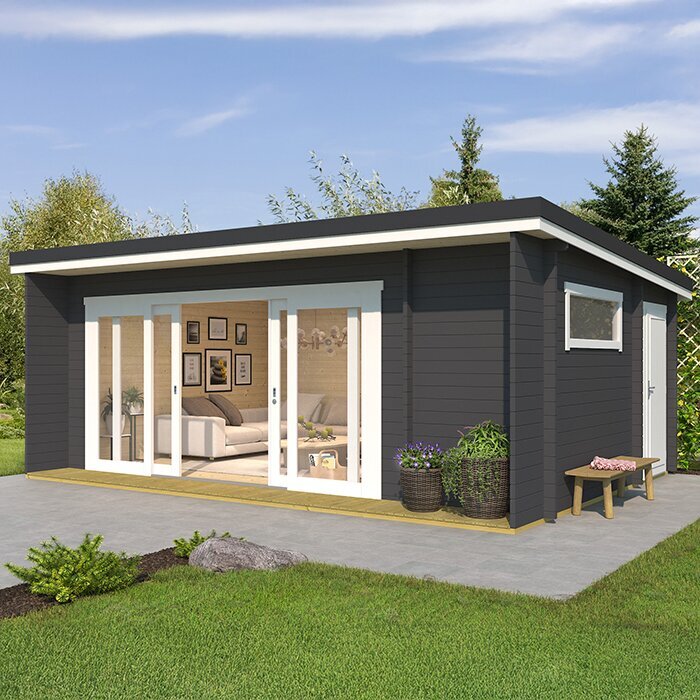
Compare the package dimensions with the smallest route measurement and with each bend, rather than comparing one overall product size with the gate. Ask whether the supplier can assess a complicated corner if the measurements alone do not settle the question. Keep the response with the details of the model you are considering. For example, use the Veltor 1 listing to identify the product you are asking about, then request its shipping information; dimensions for a different version do not confirm what will arrive with your order.
Check the final carry and assembly space
Even if the packages can reach the garden, there still needs to be a workable route from the unloading point to the exact building position. Check whether there is room to carry each part into place and set it down while following the assembly instructions. Look for obstacles near the planned site, such as a boundary, planted bed, wall or existing structure, that could affect access during the work. If installation is offered separately, ask about its access requirements too; the delivery plan and an installer’s requirements are not automatically the same. Distinguish the space needed to move parts through the garden from the space needed to assemble them. A clear passage may end beside a site that is too constrained for the work to proceed as intended. Review the relevant assembly information before relying on a narrow gap around the base.
Keep the delivery information tied to the exact product configuration. A selectable version or layout may involve different components, so confirm that the packed dimensions and handling advice apply to the item you intend to order. Do not use a photograph to guess whether doors, glazing or other parts arrive separately. Treat the Orello 1 listing as a product identifier, not evidence about package dimensions or the space needed for assembly. If access around the intended position is tight, ask for the relevant instructions before committing to the purchase.
Treat temporary access changes as a separate plan
A route might become more suitable if a gate leaf, removable panel or movable garden item is out of the way, but do not assume that the change is permitted or practical. If the route is shared or you do not control the property, obtain permission from the responsible owner or manager before relying on an alteration. If a fixed structure or service would need changing, speak to a suitably qualified person. Do not make structural or electrical changes simply to create clearance for a delivery.
Work out who would make any agreed change, when it would happen and whether the supplier accepts the resulting access. Check how the opening will be left secure or restored afterwards, then remeasure it, including any remaining posts, hinges or fittings. A possible route is not confirmed until both its physical clearance and the delivery method have been agreed. Do not schedule a temporary change solely on the assumption that delivery will proceed. First obtain a response based on the revised measurements, then make sure the route will remain clear on the agreed day. If you are comparing products such as the Modano 1 listing, apply the same checks to the exact selection; an assumed change to the gate does not show that the packages will pass.
Give the supplier a measured route to assess
A specific question is more useful than simply asking whether a summer house will fit. Send the exact model and version, a route sketch, the smallest width and height measurements, details of turns and changes in level, and photographs of tight sections. Label each image and use the same units throughout. Include the distance between the vehicle’s proposed stopping point and the building position, where unloading would take place and which obstacles are fixed or movable. If you cannot measure a section accurately, say so rather than presenting an estimate as a confirmed clearance.
Ask for a written reply that addresses the full route and the delivery service, not just the finished building’s footprint. Clarify which measurements and handling assumptions the answer relies on, and whether unloading and onward movement are both covered. Save the response with your order details and get back in touch if an important fact changes. When asking about the Veltor 2 page, name the exact selection and attach your measurements; a general answer or one about a similarly named model is not confirmation of your particular route.
Agree a fallback if access is not confirmed
Decide what you would do if the route cannot be confirmed before placing the order. Possibilities to discuss may include another access path, a permitted change to the boundary, a different agreed unloading point or a different model whose packed components suit the measured route. These are options to check, not services to assume: a supplier may have limits on where goods can be unloaded or how they can be moved. Do not plan to split a delivery, transfer packages yourself or use lifting equipment without the supplier’s agreement and suitable handling information.
Ask what would happen if the vehicle cannot reach the agreed point or the route proves unsuitable. Check whether a revised arrangement or a new delivery date is possible, and what charges or conditions apply. If a storage or staging arrangement is offered, clarify how long it can be used and what you would be responsible for. Put the agreed plan in writing alongside the product under consideration, such as the Veltor 3 listing, so the model and the workaround are not confused. If there is no accepted route, pause the purchase rather than leave the problem until delivery day.
Complete a final access check before ordering
Bring the key details together in one record: the exact product name and version, the packed dimensions, the smallest measurements on your route, notes on turns and level changes, the unloading point and the supplier’s written response. Check that the dimensions apply to the same item you intend to order and that the delivery arrangement covers the distance you expect. Confirm any permissions or approved temporary changes as well. Keep the product details, correspondence and order confirmation together so you can refer to the agreed plan if a question arises.
Recheck the route close to delivery, particularly if your plan depends on movable items, gate positions, parked vehicles or seasonal growth. Clear only what you are entitled and able to move, and tell the supplier if access, construction work or the unloading point has changed. Make sure anyone who needs to open a gate or guide the driver knows the arrangement. This final look does not replace the earlier measurements, but it can catch an avoidable obstruction before the vehicle arrives.
Frequently asked questions
What should I measure before ordering a summer house?
Measure the usable width and height at every narrow point, then record the straight runs, bends, steps and changes in surface on the route from the vehicle’s stopping point to the planned building position. Also identify where unloading would take place. Compare these details with the packed dimensions for the exact model, not just the finished building’s measurements.
Are the advertised summer-house dimensions enough to check delivery access?
No. The dimensions of the completed building do not tell you the size or shape of its delivered components. Ask for the packed dimensions of each relevant piece, the package count and any handling requirements for the exact model and version you plan to order.
What if my gate is narrower than a package?
First check that both measurements refer to the same units and to the actual clear opening. Then ask the supplier whether the package can be delivered another way or whether a different access route is acceptable. Do not assume that a package can be tilted, split or carried through an opening without the supplier’s handling guidance.
Can I use a different unloading point if the vehicle cannot reach the garden?
Possibly, but only if the supplier agrees to that arrangement. Confirm the exact handover point, whether onward movement is included and what space the route requires. A different drop point may mean a longer carry or an additional arrangement, so do not rely on it until the delivery terms are clear.
What information should I send the supplier?
Give the exact model and version, a labelled route sketch, the smallest width and height measurements, details of turns and level changes, and photographs of any tight sections. Include the proposed unloading point and say which obstacles are fixed, movable or subject to permission. Ask for a reply that addresses the whole route.
A suitable summer house needs to fit both the garden and the route into it. Make your decision using the exact packed dimensions, a measured access plan and a confirmed unloading arrangement. If an important detail remains uncertain, resolve it or compare another option before ordering.
