
Can a Summer House Be Used for Overnight Stays? What to Check First
Summer house planning
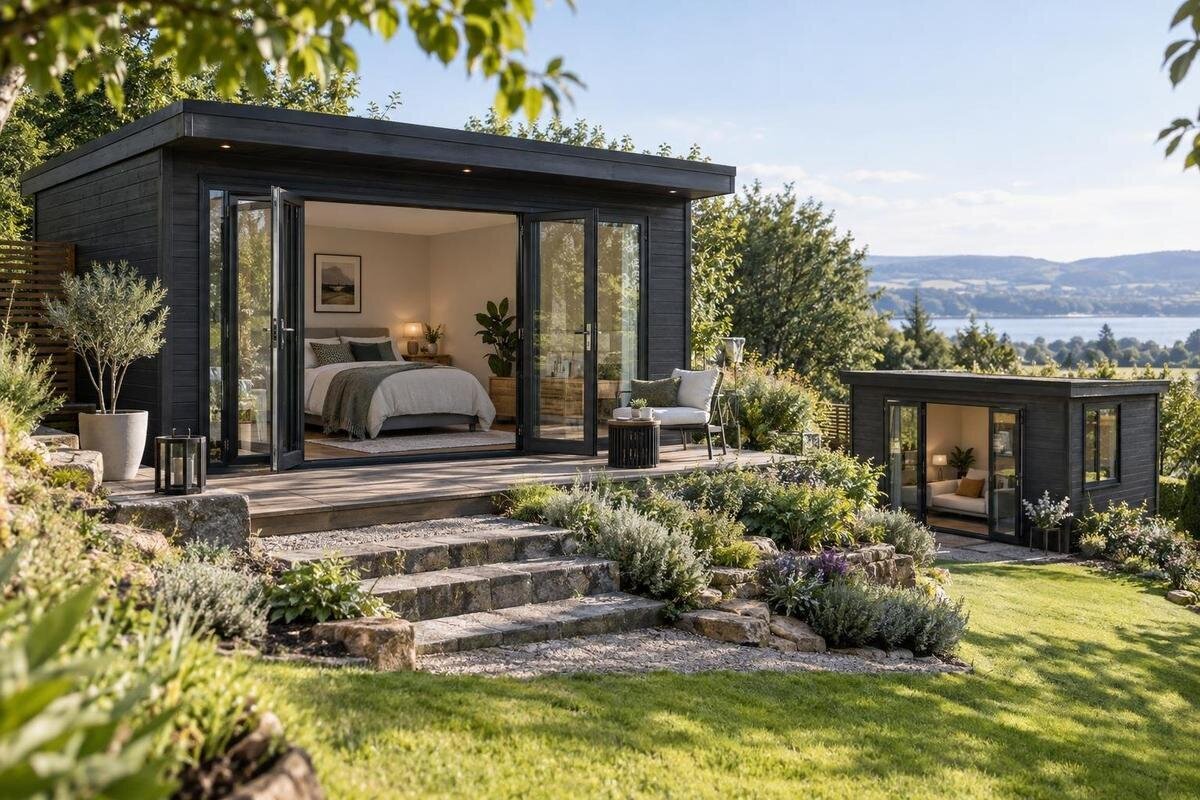
Can you sleep in a summer house? Possibly, but the fact that a building is sold for garden use does not settle whether the use is permitted or whether the structure is suitable for sleeping. The answer depends on the proposal, the property and the building’s documented design and services. Before buying, distinguish an occasional guest stay from regular or self-contained use, ask the relevant local authority about planning and building requirements, then compare products against evidence rather than appearance. The points below will help you resolve those questions before placing an order or planning alterations.
Define the overnight use you have in mind
Before looking at products, write down the use you actually have in mind. Is this an occasional night for a visiting friend, sleeping there most weekends, seasonal accommodation for a family member, or a separate space with cooking and washing facilities? Note who will use it, how often and for how long, whether the main house will provide a kitchen or bathroom, and whether access is shared. Be clear about whether visitors remain guests of the household or would use the building independently. Those details help the relevant local authority and any building professional understand the proposal. Calling it simply a “summer house” is not enough to explain how it will be occupied.
Look beyond the first purchase, too. A building bought for an occasional guest may later be insulated, fitted with a bathroom or used much more regularly; each change can raise questions not covered by the original plan. Note likely alterations now, even if they are not part of the first order. A short brief can record how often people will stay, what facilities the main house provides, which services you may want and who would carry out future work. Use it consistently when speaking to the council, a building-control or building-standards service and the seller. Advice about another property is not a reliable substitute: its location, conditions and intended use may differ. If you are unsure how to describe the proposal, state the practical facts rather than guessing at a legal label.
Check planning requirements for your proposal
Planning requirements should be checked for the proposal at your property, not inferred from a product’s name. “Summer house” alone does not answer whether the intended overnight use is acceptable, and size is only one fact to discuss. Give the local planning authority the address, proposed position and design, intended pattern of occupation, and any known planning conditions or restrictions. If a building is already on site, include its known history and alterations, without assuming that an earlier use settles the current question. Do not rely on a neighbour’s experience or assume that occasional sleeping and regular or self-contained accommodation will be treated alike; ask about your own circumstances.
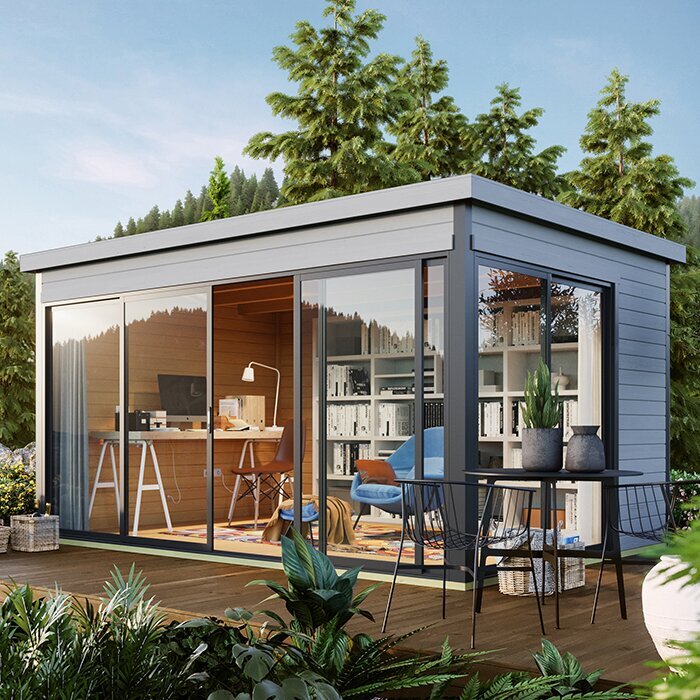
Before ordering, ask the planning team what drawings or details it needs to consider your exact use. A written outline can cover the frequency and length of stays, who will use the building, any separate access, and whether cooking, washing or other facilities are planned. If you already have a candidate, identify it clearly: the Verdana 1 garden house listing can help name the item in an enquiry, but its title is not evidence of permission or suitability. Ask whether an informal discussion is enough or whether a formal process is needed before you rely on the answer. Keep the response with the final plans and order documents.
Ask about building regulations and technical approval
Treat planning and building-regulations questions separately. They concern different aspects of a proposal, so do not regard a planning response as technical sign-off or assume that building-control advice settles the planning position. Ask the relevant building-control or building-standards service whether the proposed building and its intended use call for approval, inspection or specific evidence in your circumstances. Find out what process applies before buying a design that depends on particular construction or services. Avoid assuming either that a garden building is exempt or that it must be approved just because you plan to put a bed in it; ask the service responsible for your case.
When you enquire, describe the building as it will be ordered and used. Share the seller’s drawings and construction details, the base or foundation proposal, intended insulation, ventilation, windows and doors, plus any planned water, drainage, heating or electricity. The Verdana 2 garden house listing can identify a candidate, but ask the seller for the relevant technical documents rather than expecting the model name to answer building-control questions. Ask who will supply any additional design information, whether inspections or completion evidence may be needed, and whether later alterations need another review. A qualified building professional can help interpret technical issues if the information is incomplete.
What the product specification needs to confirm
Select a building by matching its documented features to the intended use, not by appearance alone. A product photograph or garden-building category does not establish suitability for sleeping accommodation. Ask the seller in writing whether the exact model, in the configuration you plan to order, is intended for overnight use, what limitations apply and which technical documents support that description. Request dimensioned drawings and details for the walls, roof, floor, openings and supplied components; confirm what is included and what requires separate work. If a point cannot be confirmed, record it as unknown instead of assuming that documentation for another model or a similar-looking design answers it.
Use the Durano garden house listing to identify that specific candidate when requesting its documents; do not infer suitability from a name or promotional description. Compare products on the same basis: intended use, completed configuration, internal dimensions, stated construction and any work you would need to add. If you want extra lining, insulation, different openings or service routes, ask whether those changes are compatible and who would specify them. Get agreed changes, exclusions and any effect on supplier support in writing. A low purchase price or attractive exterior cannot make missing technical information irrelevant.
Check insulation, ventilation and moisture control
Insulation can matter for comfort, but no single figure tells you whether a building will work for overnight stays. Ask what is specified for the floor, walls and roof, and whether any published values describe a complete assembly or only a material layer. Confirm how windows, doors and joints are covered and whether any upgrade is included in the configuration you would order. A thick-looking wall or a material name is not a full specification. If you plan to use the room outside warmer months, ask what additional work the seller expects and whether it affects the structure or moisture management. Have a competent professional review changes to the building fabric rather than choosing insulation from a headline figure alone.
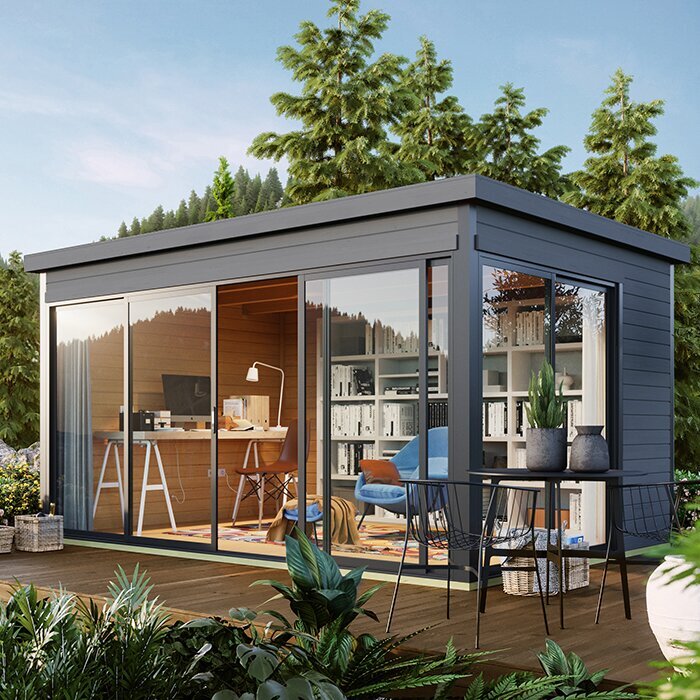
Ventilation and moisture control matter as well. People add moisture simply by spending the night in a small enclosed room, and cooking, washing wet clothes or bringing in damp items adds more. Ask how the proposed construction is meant to manage moisture and what ventilation provision is appropriate; occasional window opening is not a substitute for a clear design. Check whether the doors, windows, any later lining and ventilation plan work together. When reviewing the Veltor 1 garden house listing, seek details for the complete structure rather than relying on a photograph or a single feature. Comfort also depends on heating, draughts, orientation and exposure, so avoid promises based on one mild-weather visit.
Plan the sleeping layout and a clear way out
Check the internal dimensions, not just the external footprint. A bed needs room around it for access, and you may also need a bedside light, belongings and a clear route to the door. Ask for a drawing with usable internal measurements and headroom, then allow for any lining or insulation that would reduce the finished space. Sketch the actual bed size and any storage you expect to use; do not judge only by the mattress footprint. If two people or visitors with different mobility needs may stay, think through circulation and access rather than assuming the same layout works for everyone. A model name is not a measurement.
Plan the way out as carefully as the way in. Door position, opening, locks, windows and furniture affect movement, privacy and security, but a visible opening is not automatically an appropriate escape route. Ask the building-control or building-standards service, or a competent building or fire-safety professional, what arrangements fit the specific building and use. Keep the route to the exit clear in the proposed furniture plan and consider how a guest would open the door from inside. The Orello garden house listing can identify a candidate when you request drawings; use those drawings and case-specific advice, not a product image, for layout decisions.
Decide how washing and toilet facilities will work
Decide where overnight users will wash and use the toilet before choosing a building. If the main house will provide those facilities, consider the route after dark, privacy, lighting and whether it remains practical in poor weather. Think about whether guests can access the house when they need to, and whether the arrangement works for everyone expected to stay. If the summer house is intended to function independently, list the facilities you need rather than treating a bathroom as a later add-on. Water, wastewater, ventilation and ongoing cleaning all form part of the plan; none is settled by reserving a corner for a sink.
Adding a toilet, shower or sink may affect the layout, structure and service connections, and can raise planning or technical questions that need checking. Do not assume the product can accept those additions. Ask a qualified plumbing or building professional to review the proposal and tell you what information is needed from the seller. Use the Modano garden house listing to identify the item you have in mind, then request relevant dimensions and written confirmation about planned service work. If people will cook or wash inside, consider moisture, ventilation, cleaning and maintenance together instead of leaving them as finishing decisions.
Plan power, lighting and heating for overnight use
Lighting, heating, sockets and any cooking equipment should be included in the plan, not added by guesswork after delivery. Decide which appliances you expect to use and have the proposed electrical and heating arrangements assessed and installed by appropriately qualified people. Do not infer that electrical provision is included, or that a portable heater makes a building suitable for overnight use. Tell the installer about the intended occupancy, insulation, any lining, bathroom or kitchen, and the building’s construction. Those details can affect the right design. Agree where controls and outlets are needed before work begins, rather than asking an installer to adapt an incomplete plan on site.
Consider lighting outside as well: guests may need to find the entrance from the house, gate or parking area after dark. Ask a competent professional what alarms or other safety equipment are appropriate for the proposal, instead of copying an arrangement from another property. The Veltor 2 garden house listing can identify the model in a question to the seller; confirm separately whether electrical options, openings or accessories are available and precisely what your order includes. Heating and electrical alterations should not be based on online examples or assumptions about a similar-looking building. Include any extra work in the budget and technical review before ordering.
Check access, delivery and installation at the site
Overnight use changes how you judge access around the garden. Check the route between the house and summer house after dark, privacy at windows and doors, steps or changes in level, and whether the approach remains practical in the weather you expect. Consider who will carry bedding and luggage and whether the entrance suits the intended guests, including anyone who may find a narrow route or threshold difficult. These are site and layout questions, not features you can infer from a product photograph. Measure the proposed position and route; include room for the door to open and for people to enter without blocking a clear exit.
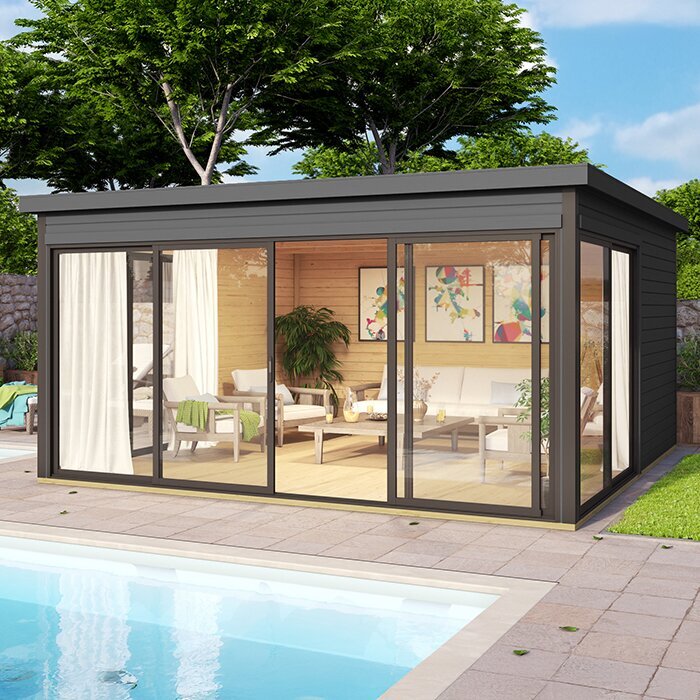
Then confirm that the selected building can be delivered and assembled at that position. Ask the seller for the exact model’s delivery dimensions, access requirements, assembly clearance and any stated base requirements, and establish whether site preparation and assembly are part of your order. The Veltor 3 garden house listing can help you refer to a candidate, but do not assume delivery arrangements are identical across models. Check the current terms for what is included, how modifications are handled and what happens if access prevents delivery or installation. Resolve these practical points before purchase; otherwise an appropriate design may not be usable at the location you planned.
What to confirm in the final order
Put the checks in an order that prevents a mismatch. First record the intended use and facilities; then obtain planning guidance and advice from the relevant building-control or building-standards service. Compare candidate products against documents for the exact configuration, and ask a qualified professional to review any technical gaps. Only then settle the site, services, fit-out and order details. Use the same written brief throughout, so the supplier’s quote, drawings and authority enquiries describe the same proposal. If your plans change during the process, update those conversations before relying on an earlier answer.
Before paying, check the exact model and variant, included components, options, assembly, delivery, base requirements, service connections and exclusions in the order documents. Ask for any claim about overnight use, insulation or year-round suitability to be specific and in writing; broad promotional wording is not technical evidence. Review payment, cancellation, amendment and support terms as they apply to your order, and ask whether later alterations affect the supplier’s responsibilities. If the use or construction cannot be confirmed, pause. An alternative arrangement or use of existing accommodation may be more sensible than buying on the assumption that a summer house can be converted later.
Frequently asked questions
Can I sleep in a summer house occasionally?
Possibly, but occasional use is not a universal exemption. Explain your plans to the relevant local authority and building-control or building-standards service, and ask whether any planning or technical checks apply. Also verify that the building’s documented construction and facilities suit the use. Ask again if stays become regular or the space is intended to work independently.
Does the product name establish planning permission?
No. A retail label or seller’s description does not determine the position at your address or for your intended use. Ask the local planning authority to consider the actual proposal, and find out whether an informal discussion is enough for your decision or whether a formal process is needed. A neighbour’s outcome cannot confirm yours.
Are planning permission and Building Regulations the same?
No. They concern different aspects of a proposal, so treat them as separate enquiries. Ask the local planning team about your proposal and the relevant building-control or building-standards service about technical requirements. Do not take an answer from one as sign-off on the other.
Will insulation make a summer house suitable for year-round sleeping?
Not on its own. Check the floor, walls, roof, doors and windows, along with ventilation and moisture management. Plan any heating with an appropriately qualified professional. A claim about one component does not establish that the complete building will be comfortable or suitable for overnight use throughout the year.
Can I fit a bathroom after the summer house arrives?
Possibly, but do not assume the building can accept one or that later work needs no further checks. Water, wastewater, ventilation, layout and changes to the structure may affect the proposal. Ask the relevant authorities, the supplier and a qualified installer before ordering or carrying out alterations.
A bed fitting inside a summer house does not, on its own, settle whether overnight use is permitted or suitable. Define the pattern of use, check the proposal with the relevant planning and building-control or building-standards services, and select only a model whose documentation matches the intended arrangement. Confirm the sleeping layout, facilities, warmth, ventilation, access and exact order scope before paying. If a crucial point remains uncertain, pause and get a case-specific answer; resolving it before delivery is easier than trying to make an unsuitable structure work afterwards.
