
Can You Put a Hot Tub on a Deck? What to Check First
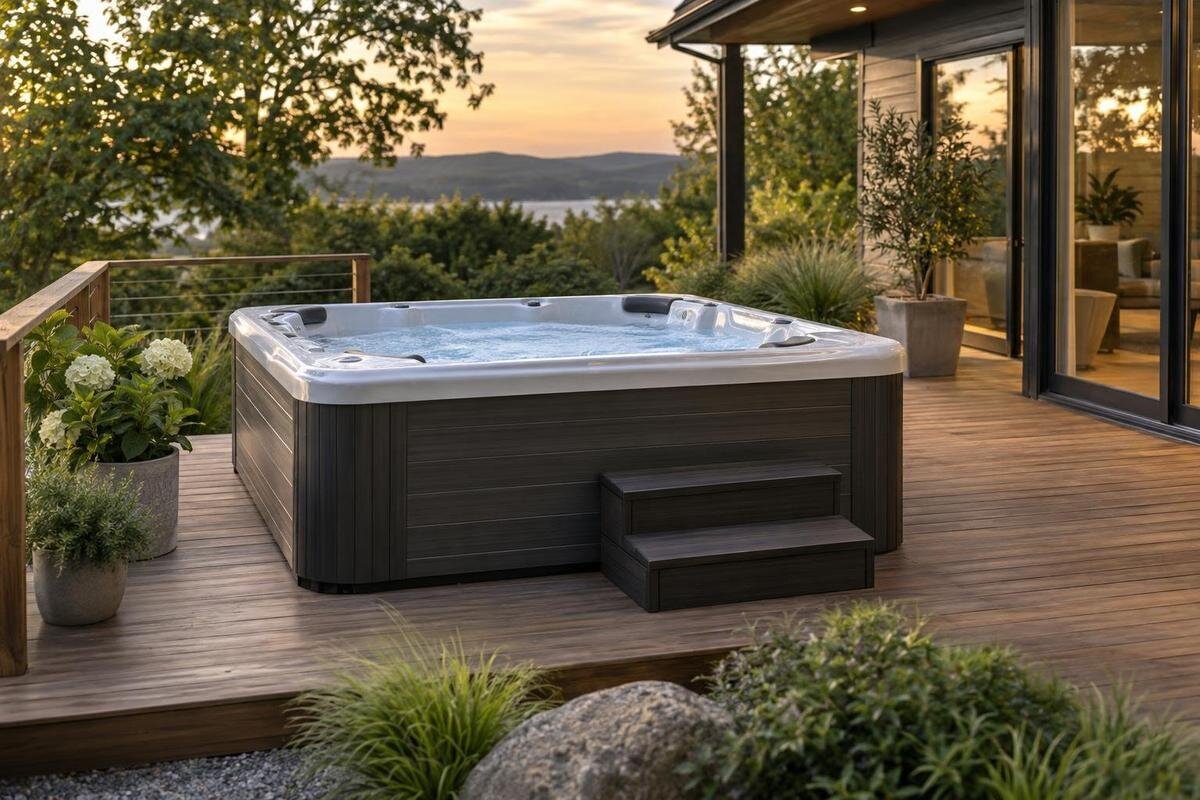
Deck suitability
If you already have decking, it can be tempting to judge its suitability by how solid the boards feel. That cannot reveal whether the joists, beams, connections and supports can carry a hot tub when filled and in use. The answer depends on the deck’s construction and condition, the precise position, and reliable information for the product you intend to buy. Here is what to gather and what a structural engineer should assess before you commit.
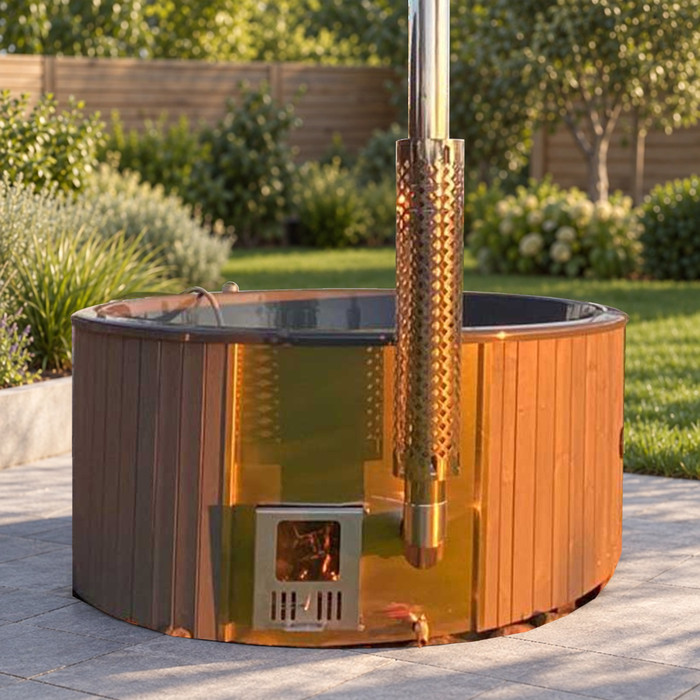
Before ordering 1
Can your deck support a hot tub?
A deck that looks sound is not automatically suitable for a hot tub. The boards are only the walking surface: joists, beams, connections, posts or other supports, and what those supports bear on all contribute to the load path. A surface can feel firm underfoot while the structure beneath it has concealed deterioration, undocumented changes or a layout that has not been assessed for this use. Worn boards alone do not establish that the whole frame is inadequate, either. Looking from above cannot reveal how the structure carries load or whether its condition is acceptable.
Suitability has to be judged for one deck, one intended position and one particular tub in its filled, occupied condition. A deck built for ordinary outdoor use should not be assumed to suit a hot tub simply because it can hold people walking across it. Materials, spans, connections, supports, condition and load arrangement all matter; a generic deck-load figure cannot account for those details. Missing drawings are a reason to gather evidence, not to guess either way. Ask a structural engineer to assess an existing deck before ordering, or involve one in the design of a new deck.
The full load includes water and occupants
An empty-product weight is not necessarily the weight the deck will carry in use. Ask how the manufacturer defines each figure: empty weight, water capacity, filled or operating weight, and whether any stated operating figure includes occupants or other components. Water and people contribute to the load when the tub is being used, but figures may be presented on different bases. Do not add numbers until you know what is already included, or rely on a headline figure whose definition is unclear. Get current information for the exact model and configuration from the manufacturer or supplier, and give those definitions to the engineer.
Total weight is only part of the assessment. The engineer also needs to understand how the product is supported and how its weight reaches the deck; the manufacturer’s specified support footprint or arrangement matters alongside the tub’s position relative to the framing below. A single number cannot show how the load is transferred through the product’s supports. If you are considering Bloomcabin hot tub Cove 2, include the exact model in your request and ask for its current weight and support information. Its name alone is not a loading specification.
Before ordering 2
Look beyond the decking boards
Check the boards as a condition issue, not as a capacity test. Note loose or split boards, softness, unusual movement, pronounced sagging, water damage and repairs that do not match the surrounding deck. Those signs deserve attention, but their presence or absence cannot establish the strength of joists or supports below. Replaced boards can disguise an older frame, while a recently cleaned or painted surface can hide deterioration. Movement underfoot may be worth reporting, but it cannot explain what caused it or whether the structure is adequate for the proposed load. Record what you can see without dismantling the deck.
The framing and its supports are just as important: joist direction and spans, beams, posts, connections to the house if present, and the condition of supporting points. Rot, corrosion, loose connections, settlement or unrecorded repairs can affect how loads travel, even where boards look sound. If the underside is accessible, photographs may help the engineer; do not enter an unsafe space or remove parts to investigate unless a professional advises it. If Bloomcabin Hot Tub Haven 6 is on your shortlist, obtain its current installation documents and share them with the engineer. A product name or photograph cannot establish whether your deck is suitable.
The tub’s exact position changes the assessment
A deck is not necessarily supported in the same way across its whole surface. The proposed position may place the tub over different joists, beams or parts of a span, or near an edge or cantilever; being near a post does not automatically make a spot suitable. A deck attached to a house may also rely on connections that are not visible from above. The engineer needs the actual location, not a broad area marked simply as “on the deck”. If the tub is moved after the assessment, even within the same deck, the load path may change and the original conclusion may no longer apply.
Mark the intended footprint on a simple plan and show the deck boundaries, framing direction if known, support locations, steps and changes in level. Add photographs of the surface and safely accessible framing below, and mark the intended orientation. The manufacturer’s information should set out how the tub is meant to be supported; do not estimate this from a product photograph or assume the load is spread evenly. If the proposal is Bloomcabin Hot Tub Fjord 8, give the engineer that exact product identity and its current support documents, then ask them to assess the marked position on your deck.
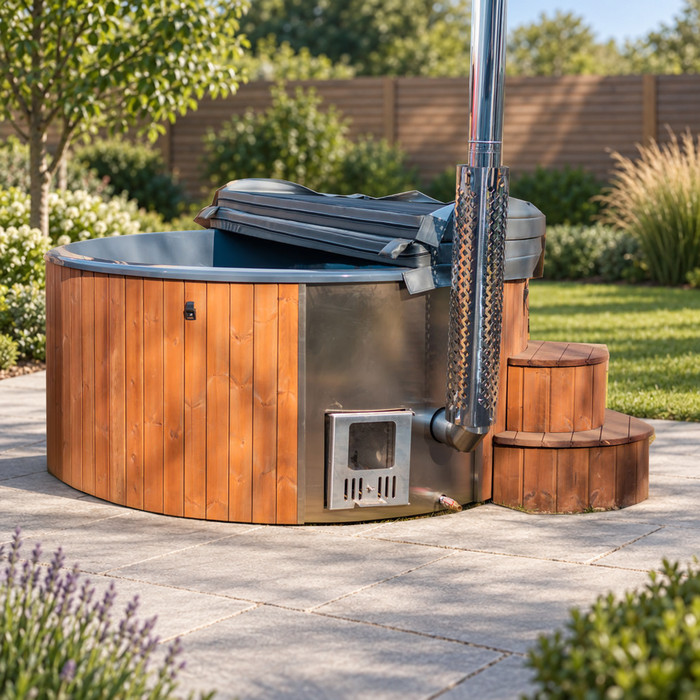
Before ordering 3
Information to give a structural engineer
Gather any original drawings, invoices or construction notes, the deck’s approximate age, known material details, changes made since it was built, and records of previous structural assessments. A dimensioned plan can help, but you do not need to guess at hidden framing sizes or make a structural diagnosis yourself. Note where the deck joins the house and where it appears to be supported, and describe any history of movement, water ingress, repairs or alterations. Clear photographs of the surface and accessible underside may help the engineer decide what further inspection is needed. Keep the information relevant to the exact part of the deck where the tub is planned.
Keep the deck records and product information clearly identified so the engineer can distinguish what is known from what still needs investigation. Label photographs by location and explain whether a drawing shows the original construction or a later alteration. Include the manufacturer’s current specification and installation instructions, and note any questions you have already put to the supplier. If Bloomcabin hot tub Aurora 10 is on your shortlist, identify the exact model and intended configuration in the information you send. Avoid filling gaps with estimates presented as facts: an unknown framing detail or an unclear weight definition is something to flag, not conceal.
What a structural assessment should clarify
A structural engineer assesses the deck as a structure, not just the feel of its boards. With information about the tub and its exact position, they can consider the deck’s construction, condition, supports and load path, then decide whether further information or inspection is needed. Some important parts may be hidden, so ask the engineer to explain the limits of a visual visit and whether additional investigation is required. Make sure the assessment covers the parts that actually carry the proposed load, including relevant connections and supports, rather than treating the deck surface as if it were independent of the structure beneath it.
When commissioning the work, describe the intended model, filled use and location, and ask what the written advice will cover. It should identify the product information and deck details considered, say whether the structure is suitable as assessed, and record any conditions or uncertainties. Ask whether the conclusion applies only to that position and configuration, and what changes would require a fresh assessment. If alterations are proposed, request a properly developed design and clear specification rather than a broad suggestion such as “add support”. Choose an engineer who can explain the scope and reasoning in language you understand; product knowledge alone is not a structural assessment.
Before ordering 4
Assessing an existing deck or planning a new one
For an existing deck, distinguish its original construction from its present condition. Drawings may describe how it was intended to be built, while repairs or later changes may explain why parts now look different. Tell the engineer where records are incomplete and which details you cannot confirm. Their inspection can then address those uncertainties rather than rely on an assumed construction. A previous hot tub installation, or the number of people the deck has held, does not establish suitability for the proposed load. Nor does a neighbour’s similar-looking deck resolve questions about your own framing, connections, supports or their condition.
For a planned deck, include the hot tub and its precise position in the design brief before the frame is built. That lets the designer and engineer work from the manufacturer’s actual requirements rather than asking later whether a general-purpose deck can be adapted. Keep the design tied to the selected model and position; if either changes, have the implications reviewed before construction or ordering continues. If Cove 2 is the model you mean, name it explicitly in the design and document request rather than relying on a similar-looking product. A design prepared for one proposal should not be assumed to cover another tub or location.
When to alter the deck or choose another location
If the assessment does not support the proposed installation, do not try to strengthen the deck by adding a post, doubling a member, replacing boards or placing extra material under one area on your own. Such changes may not address the weak point in the load path and could transfer load elsewhere. A structural engineer can decide whether an alteration is feasible and design it for the particular deck, tub and position. Ask for a written specification or drawings that identify the work and any conditions. A verbal suggestion or a generic reinforcement diagram is not a design for your structure.
Compare a designed alteration with another location before committing to either option. For the alteration, establish what work is specified, what inspection or follow-up the engineer requires, and whether building-control involvement or other approval applies. Ask the relevant local authority’s building-control team or a competent adviser about your particular project. For another location, identify what would need a separate assessment rather than carrying over the conclusion about the deck. If you are still considering Haven 6, keep the same product information available when comparing the options. This lets you distinguish a change of location from a change of tub, without assuming either removes the need to establish suitable support.
Before ordering 5
Product details to obtain before ordering
Before ordering, check that the product information answers distinct questions. Overall dimensions describe the space the tub occupies; empty and filled or operating weights describe different loading conditions; support requirements explain how the product must bear on the structure beneath it. One figure cannot stand in for another. Read the current installation instructions alongside the specification, and check what each weight includes, including water and occupants. If the documents use different terms or leave a figure undefined, ask the manufacturer or supplier to explain. The aim is to give the engineer an unambiguous description of the product in use, not simply a collection of headline specifications.
Match that information to the version and configuration you intend to order. For an option such as Fjord 8, check that the model identity on the quotation agrees with the manufacturer information used for the deck assessment. Do not infer dimensions, seating capacity or support arrangements from the model name or appearance. If the supplier updates or corrects a figure, pass the revision to the engineer before relying on the earlier conclusion. Keep the clarification with the assessment and order records so the basis of the decision remains clear. An unresolved weight definition or support requirement should be settled before you commit to that product.
Make the decision for one model and one position
Base the decision on a written assessment tied to the exact tub, the manufacturer’s defined operating load, the intended position and the deck’s observed condition. The advice should make clear whether the deck is acceptable as assessed, whether a designed alteration is required, or whether there is not enough evidence to reach a conclusion. Read any assumptions and limitations: an assessment based on an empty-product weight, a different location or unverified framing may not answer your actual question. If Aurora 10 is the proposal, check that the report names the same model and matches the manufacturer documents you will use when ordering.
Proceed only within the conditions the engineer sets out. If the deck needs an alteration, wait until the work is completed to the design and any requested checks or approvals are dealt with; intending to strengthen it is not the same as having a completed assessment. If suitability cannot be established, revise the plan: choose another location or revisit the product choice, then assess the new combination. Keep the engineer’s report, product specifications and alteration documents together. The result should be a clear decision for the deck you have and the installation you intend, not reassurance based only on the appearance of the boards.
FAQs
Can I tell from the decking boards whether my deck is suitable?
No. Boards show only the surface condition; they do not reveal the strength and condition of the frame, connections or supports beneath them. A firm feel or an absence of visible damage is not proof that the whole structure can support a hot tub. Ask a structural engineer to assess the deck at the intended position.
How much does a hot tub weigh when it is ready to use?
There is no single figure that applies to every model. Ask the manufacturer for the current empty and filled or operating weights, and check exactly what each includes. Water and occupants contribute to the load in use. Give the definitions and figures for your exact model to the structural engineer rather than relying on a generic estimate.
Can a hot tub go on a raised deck?
Possibly, but the fact that a deck is raised does not settle the question either way. Its construction, condition, supports, connections and the tub’s intended position all matter. Have a structural engineer assess the particular deck and product; do not assume that placing the tub near a post or beam makes it suitable.
What information should I give a structural engineer?
Provide the intended tub model, its current manufacturer instructions and weight information, including what the stated figures cover. Share any deck drawings or construction records, details of known repairs or changes, and a plan marking the proposed position. Photographs of the surface and safely accessible framing may also help the engineer decide what further inspection is needed.
Can I reinforce the deck myself before ordering?
Do not make structural changes based on a general suggestion or a DIY reinforcement idea. An alteration needs to be assessed and designed for the particular deck, tub and position. Ask the structural engineer to specify any work and check whether building-control involvement or other approval applies to that project before work begins.
A deck’s suitability is an engineering question about the whole structure and a clearly defined load, not the appearance of its boards. Gather the manufacturer’s current information and have a structural engineer assess the exact position before ordering. Follow the assessment: proceed only within its conditions, commission any specified design work, or choose another location if suitability cannot be established. That keeps the decision tied to the deck you have and the tub you actually intend to buy.
