
Choosing a family hot tub: seating and everyday use
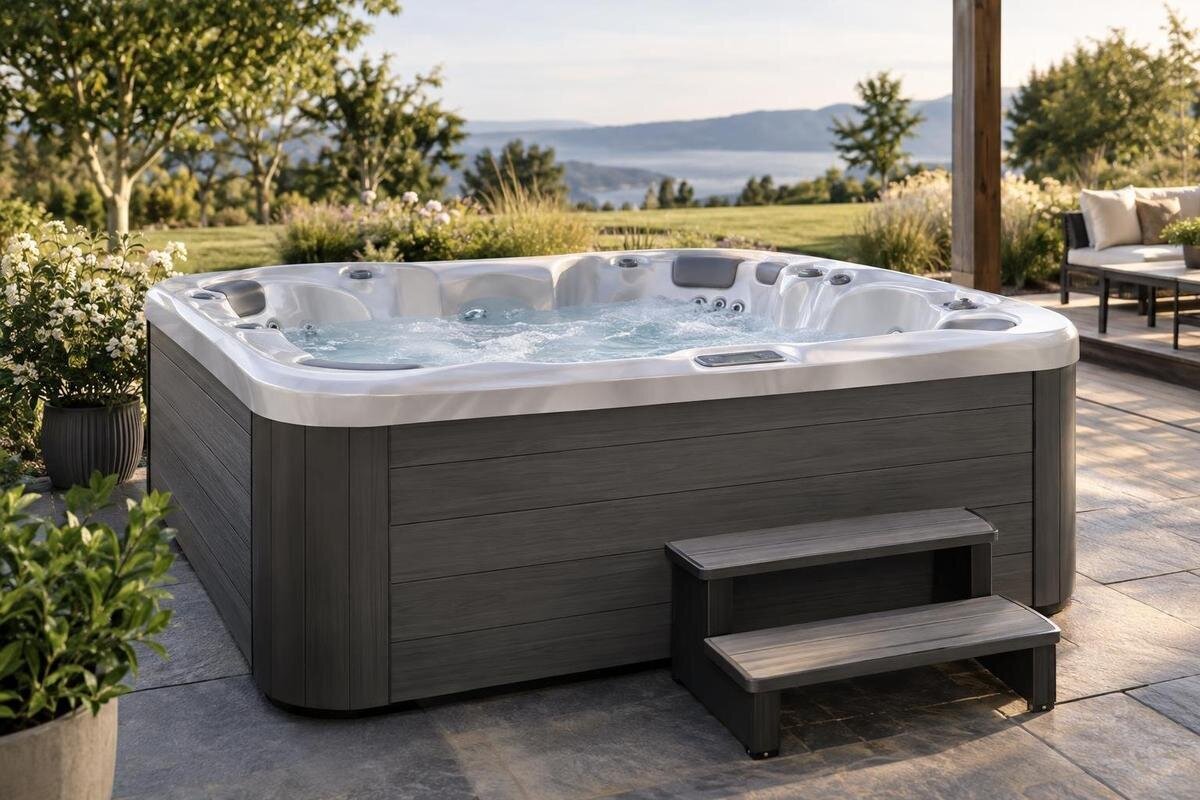
Family hot tub guide
A family hot tub should fit the people who actually share it, not just a number on a product page. The regular group may change between weekdays and weekends, and different heights or sitting preferences can make one arrangement work better than another. Consider who will use the tub together, how they will enter and leave, and who can manage the normal routine. Then compare those needs with current, model-specific occupancy, seating and access information; a model name or photograph cannot establish comfort or suitability.
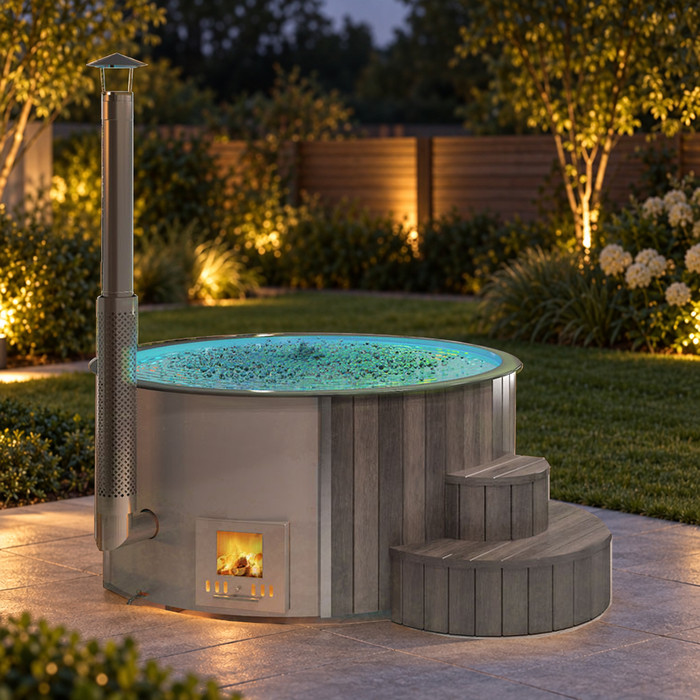
Who will use the hot tub together most often?
Start with the people who are likely to use the tub together, rather than adding up everyone in the household. Write down the usual combinations on a weekday and at weekends: perhaps two people often share a session, while the whole household is more likely to use it together occasionally. Note both the most common group and the largest group you genuinely expect to be in the tub at once. The household headcount and the usual shared group are not necessarily the same. Keeping regular use separate from rare possibilities prevents a hypothetical full-house session from dominating a choice that will be judged by how well it works on ordinary days.
Add a little context to each combination. Do the same people usually want to sit together, or will different pairs use it at different times? Is everyone expected to be seated at once, or are turns part of the normal plan? Those answers help you decide how much the stated occupancy matters compared with the layout. When considering Bloomcabin hot tub Cove 2, use these notes to frame your questions about its seating arrangement. Identify which shared sessions are essential to your plans and which would simply be welcome occasionally. This gives you a clear basis for comparing models without treating every possible combination as an equally important requirement.
How to read a stated occupancy figure
A number in a listing cannot tell you how each person will fit. Check whether the product information gives a seat count, a stated occupancy, or both, and ask what each term means if the explanation is unclear. A total does not automatically describe separate seats, their relative positions or whether one place is shaped differently from another. It cannot show which position a particular household member will prefer, either. Use the figure as a prompt to examine the layout, rather than as a direct promise that every stated place will be equally comfortable for everyone in your family.
Look for a current layout drawing or written description, then establish what is being counted. If a position is not clearly marked, ask the supplier to explain how it relates to the stated figure; do not decide for yourself that a shared area represents a particular number of seats. The Bloomcabin Hot Tub Haven 6 is another model name to check this way: the number in the name is not a capacity specification. Record the seller’s exact wording beside the layout details. If those details are unavailable or ambiguous, keep the point open on your shortlist instead of assuming the figure describes a particular arrangement.
How height and posture affect seating comfort
Height is useful to note, but it is not enough to predict comfort. Leg length, torso length and habitual posture vary, even between people of similar height. A position that lets one person relax may feel too deep, too upright or cramped to someone else; those are individual preferences that a seat count cannot reveal. Ask each regular user what matters to them: back angle, room to change leg position, support at the shoulders, or simply being able to settle without constant adjustment. Two or three genuine preferences per person are usually more helpful for comparison than a long list of features that nobody has prioritised.
Where possible, view the actual model and ask whether the arrangement on display matches the product being offered. A photograph alone cannot show how a seat feels for different proportions. If a viewing is not possible, request a current plan and any available seat measurements, treating them as clues rather than a guarantee of comfort. When assessing Bloomcabin Hot Tub Fjord 8, record each regular user’s questions about the positions shown, so a viewing or supplier discussion addresses their individual preferences. Keep people’s impressions distinct; one person’s favourable reaction should not stand in for everybody else’s. An unresolved comfort question should remain visible in the comparison.
Does the seating layout suit your family?
Even when people appear to fit on paper, the arrangement may not suit the way they like to sit together. On a current seat plan, identify which positions are beside one another, which face towards each other and which are farther apart. Then consider the usual group: some people prefer to sit close to a partner or another family member, while others value more space or like to change position. Ask users what they prefer rather than allocating places on their behalf. A layout drawing can help you discuss these choices, but it cannot tell you how the spacing will feel once people are seated.
Make a simple seat-by-seat comparison for the most common group. Note which positions could work for each person, where two people would both want the same place, and whether swapping is acceptable. If the only position that suits two users is the same one, a headline occupancy figure will not resolve that conflict. Use the confirmed layout for Bloomcabin hot tub Aurora 10 to consider those preferences together, rather than judging each position in isolation. For households with changing combinations, repeat the comparison for the pairings you noted earlier. Distinguish a layout that offers everyone an acceptable place from one that depends on someone always taking their least-preferred position.
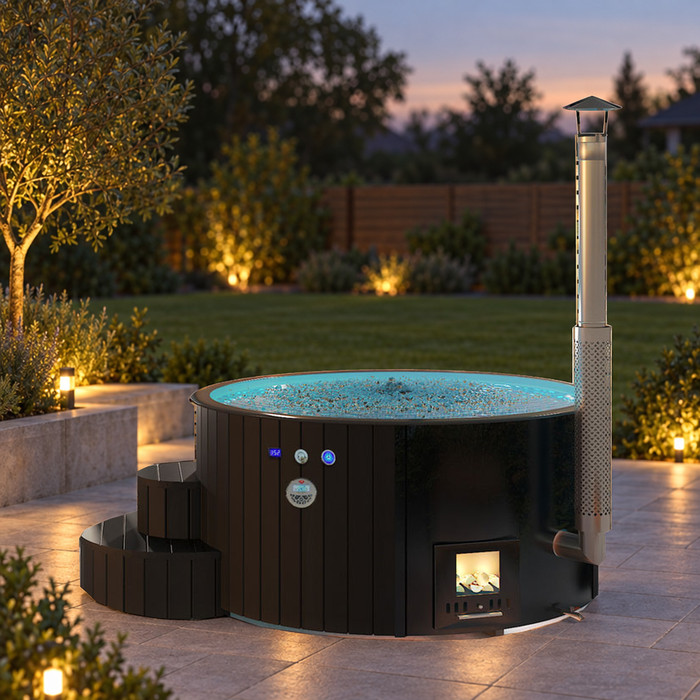
Plan for getting in and out
Getting in and out is part of the seating decision because the entry point and the positions around it affect how family members take turns. Think about the route from wherever people change or prepare, and whether one person can move through while another is waiting. Note any doorway, turn or change of level on your own route, and identify who may need extra time or help. These are observations about your household and its access needs, not details to infer from a catalogue photograph. Ask which side is intended for entry and whether steps or other access equipment are included, optional or separate.
Use the manufacturer’s current drawings and instructions to check the entry details and dimensions that matter to that route. An external measurement alone does not show how people will move from the access side to a seat, so ask for clarification if the plan is unclear. When reviewing the Cove 2 product listing, consider the movement from the approach to the intended seating position as one continuous route. Where would the next person wait, and would someone already seated need to move? Include leaving the tub in the same discussion. These questions help distinguish a convenient arrival point from an arrangement that works throughout a shared session.
Children and different access needs
When children are part of the household, a family-use description or a seat count is not evidence that a tub is suitable for every age. Before shortlisting, consult the current manufacturer instructions and authoritative UK guidance for any age, use and supervision information relevant to children. Do not fill gaps with assumptions from a product photo or the number of places. Discuss who will be responsible for following the applicable guidance and whether that arrangement is realistic at the times your family expects to use the tub. Product-specific safety information needs to come from current authoritative sources; a seating comparison cannot set age limits.
Some households also include people who need more time or assistance moving between the approach and a seat. Treat this as a specific access question: ask the supplier for exact entry details, confirm whether any access aid is supplied or separately available, and seek relevant qualified advice if you are unsure how to interpret the information. When considering the Haven 6 hot tub, explain the intended user’s access needs rather than asking only whether entry is easy. Discuss any assistance they expect to need and which details remain unclear. A place for each intended user does not establish that everyone can reach and use those places as they need to.
Fit hot tub use into a normal week
Think about when the tub would actually be used, not just how many seats it has. Note the likely times of the week, who is usually free then, and whether the whole group shares a session or different people use it separately. A capacity that is rarely used at once may matter less than a layout that suits the regular combination; if everyone plans to use it together, that full group becomes a genuine requirement. Consider how use fits with work, school or bedtime routines without assuming every family follows the same schedule. This helps identify which positions need to work in the sessions your household is most likely to have.
Add the preparation and care steps described by the manufacturer to your weekly plan, especially if you expect frequent use. Do not build a schedule around an unconfirmed assumption about readiness time; ask the supplier for model-specific information if timing will affect your decision. When reviewing the Fjord 8 product page, identify any routine information you need to compare the model with your household’s available time. Keep preparation separate from the period when everyone hopes to use the tub. You do not need to predict every session in advance. The point is to decide whether a normal week leaves a workable opportunity for the people who want to use it together.
Regular care as part of the family routine
Everyday use also depends on who handles the regular tasks set out in the product’s own instructions. Before buying, discuss who will manage preparation and routine care, how those jobs fit around family schedules, and what happens when the person who usually does them is away. If one adult is expected to handle everything while everyone else uses the tub, the routine may be less practical than the seating plan suggests. Agreeing responsibilities does not require a complicated rota; it simply makes the time and effort visible so the household can judge whether its intended pattern is realistic.
Compare the expected responsibilities for each candidate using information that applies to that model. Ask for the current care guidance and any instructions relevant to the frequency of use you have in mind. Use the Aurora 10 product page to begin that discussion, then consider the stated tasks alongside the responsibilities your household has agreed. Separate jobs associated with each use from those scheduled at other intervals in the instructions. This makes it easier to see who would handle them and when. If the arrangement depends entirely on one person, discuss how other household members would share responsibility when that person is unavailable, rather than leaving the question until after purchase.
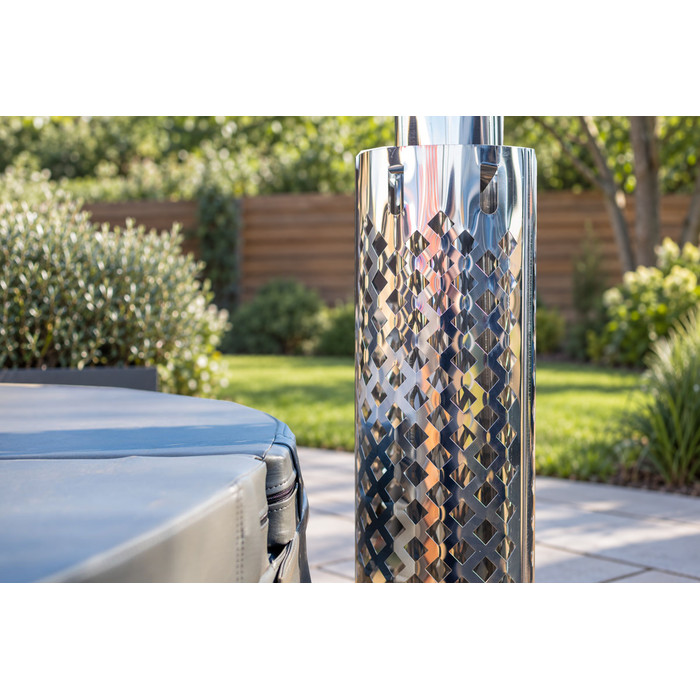
Which product details should you verify?
Use the same comparison questions for every model. Record the exact current occupancy wording and what it means; whether there is a seating plan and what positions it shows; any relevant dimensions; entry location and access information; and where to find the manufacturer’s instructions. Keep confirmed details separate from assumptions, and note who provided any clarification. Dimensions can help explain the relationship between positions and the access side, but they cannot establish personal comfort on their own. If a page gives only a model name, photograph or broad occupancy statement, mark the missing information instead of filling in the gaps yourself.
Compare the information with your household notes: can the usual group use the positions it prefers, do the layout details help account for height and posture differences, and does the entry route work for those users? Record any compromise openly, such as taking turns or using a different position, rather than treating every unknown as a pass. Keep a confirmed compromise separate from a missing answer: accepting a different seat is a household choice, whereas not knowing the seating arrangement leaves the comparison incomplete. This distinction helps you ask focused questions and prevents a model with less detailed information from appearing better simply because its limitations have not yet been explained.
A shortlist based on your household’s actual use
Before settling on a model, walk through a typical shared session with each candidate: who is using it, where each person would sit, how they would reach that place, and which routine tasks follow. Doing this with a current seat plan or during a viewing can reveal a conflict that a list of figures hides, such as two users preferring the same position or an unclear route to one of the seats. Invite regular users to describe their own preferences rather than assigning places according to age or family role. This exercise turns a general idea of family use into a set of specific needs you can compare with product information.
Then write down why each candidate remains on the shortlist, referring to the seating positions, access arrangements and routine that matter most to your household. Give regular users a chance to review any compromises, particularly if the plan relies on swapping places or taking turns. Separate essential requirements from preferences you would be comfortable setting aside. If a candidate only works for an occasional full-house session but poorly for the usual group, make that trade-off explicit. Your final comparison should explain what everyday use would look like for each option, rather than simply placing the model with the highest stated occupancy at the top.
Frequently asked questions
Does a stated seat count mean everyone will be comfortable?
No. A stated seat count does not show whether the positions suit your household’s heights, preferred postures or usual seating combinations. Check what the figure includes and compare it with the layout. Where possible, view the arrangement in person.
How can I compare seating for family members of different heights?
Consider leg and torso proportions as well as height, and ask each regular user what matters to them, such as back angle or room to change leg position. Use a current seating plan as a guide, not a guarantee. Ask whether a viewing or demonstration is available to help assess the arrangement.
What should I check if children may use the hot tub?
Consult the current manufacturer instructions and authoritative UK guidance for relevant age, use and supervision information. Do not assume that a family-use description, model name or seat count establishes suitability for every age.
Should I choose the model with the largest stated occupancy?
Not automatically. Compare the number with the group that will usually use the tub together, then check whether the actual positions and access details suit those users. A larger figure does not, by itself, confirm a better fit for your family.
What should I ask for if a product page does not show the seating layout?
Ask for the current occupancy wording and what it means, a seating plan or written description, relevant dimensions, entry details and the manufacturer’s instructions. Mark anything unanswered as unknown rather than inferring it from a photograph or model name.
The most useful family comparison is grounded in the ordinary week: the people who share sessions, the positions they prefer and the practicalities that make repeated use workable. Treat the stated seat count as one detail to verify alongside the layout and access information, not as a substitute for them.
