
Choosing a Hot Tub for Entertaining Friends
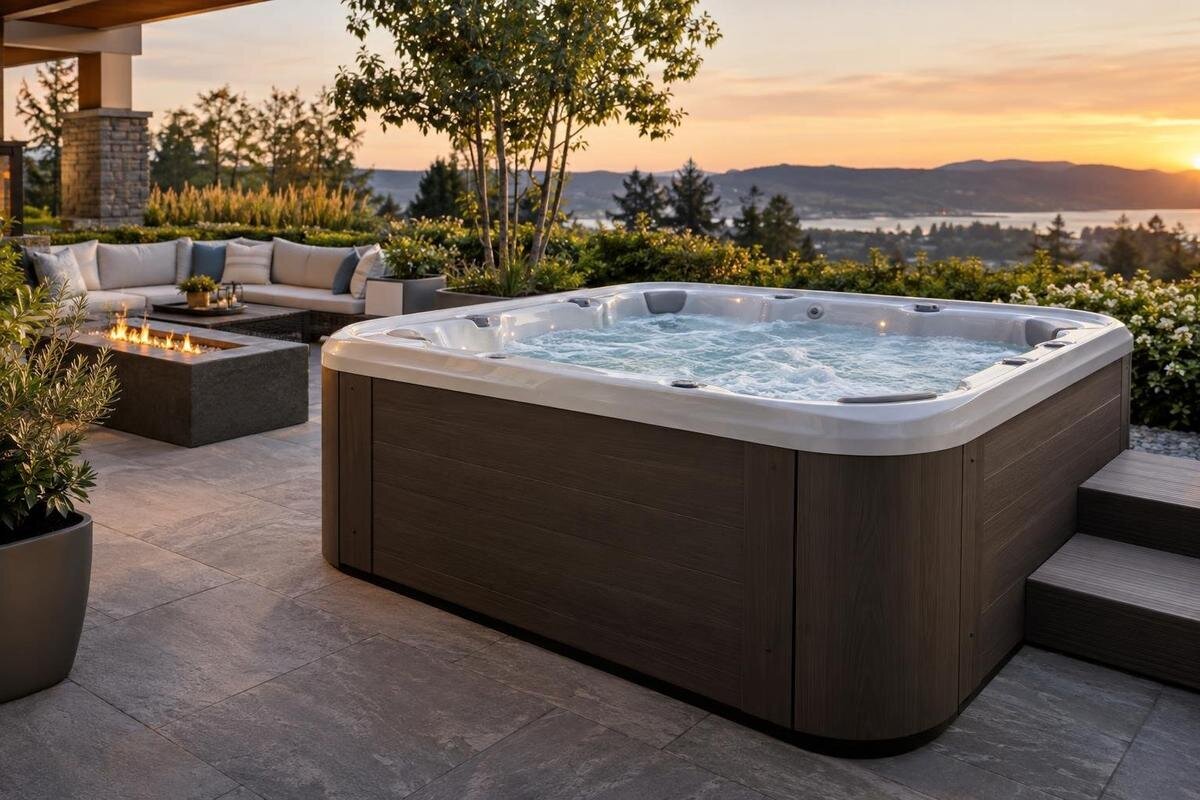
Hot tub buying guide
A hot tub can turn an evening with friends into a shared occasion, but a headline capacity does not tell you whether people will sit comfortably, talk easily or move around without awkward waits. Choose around your usual gatherings, not an exceptional party: how many guests attend, how many are likely to bathe together, and what the host has to prepare beforehand. Then compare current, verified product information rather than guessing from a model name or photograph.
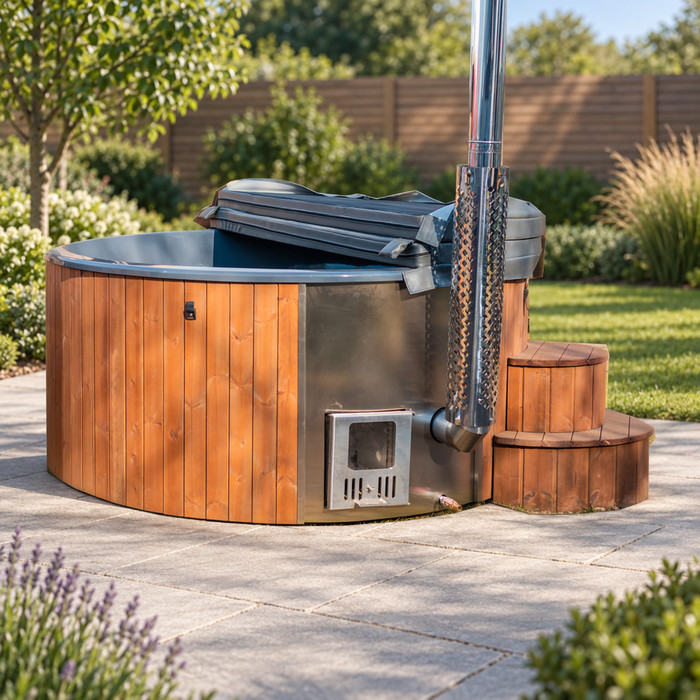
What to check before buying 1
Plan around the gatherings you usually host
Before looking at models, describe three occasions: a quiet evening with a couple of friends, a regular get-together and the biggest gathering you host only now and then. For each, record the total invited, how many would actually use the tub at the same time, and whether people are likely to arrive or leave at different times. Include yourself if you expect to join them in the water. Separating these figures prevents the guest list from becoming a seat requirement and shows whether taking turns would feel natural or disruptive. If attendance varies, plan around the upper end of your regular group rather than the largest invitation list you can imagine.
Give most weight to the pattern you expect to repeat. If friends are happy to take turns, time spent chatting outside can be part of the plan; if everyone values being together in the water, a lower simultaneous occupancy may frustrate the occasion. An advertised figure still needs context: establish what the manufacturer counts as capacity and look for the seating plan behind it. Use the Cove 2 listing as one row in a comparison, not as evidence that its name tells you how many guests will fit. Keep normal attendance and occasional maximum in separate columns. A plan that works only if nobody changes position or needs a break may be less sociable than it looks.
Check the seating arrangement for conversation
Conversation depends on how seating positions relate, not just on the number printed beside them. Ask for a seating diagram and check whether guests face one another, sit side by side or have to turn towards part of the group. A photograph can show the product’s appearance without making every seat or the distance between users clear. Friends may differ in height and preferred posture, so look for dimensions or another reliable explanation if the layout is not obvious. Where no plan is provided, ask the retailer or manufacturer to explain it before treating the advertised occupancy as useful for your group. A configuration that suits a short conversation may feel different during a longer visit.
Work out which positions your usual guests would occupy together, including where the host would sit; do not assume every place feels equally comfortable or that everyone wants the same posture. If possible, view a demonstration or request information that explains each position rather than trying to judge comfort from external dimensions. Check whether any part of the stated occupancy depends on sharing space rather than using distinct seats. When reviewing the Haven 6 seating information, ask which positions let people speak without turning away, and whether one guest can shift position without disrupting others. These details help you judge how the group would actually sit together.
What to check before buying 2
Make entry and exit practical for guests
Getting in and out is part of hosting, especially when guests are unfamiliar with the tub or arrive in a group. Think through the route from the changing area to the tub: where people wait, where someone can pause, and whether one person stepping out will block everyone else. Guests differ in confidence, mobility and willingness to use steps, so ask about individual needs instead of assuming one arrangement works for all. Find out what access equipment is included or optional, and whether the manufacturer gives guidance about steps or handholds for the model. If a guest needs extra time, avoid a timetable that makes their entry feel rushed.
Check how a cover is removed and where it can rest during use, if the model uses one. Ask about the space needed for its full movement, not only where it sits once open. Have an installer confirm that access routes and space for future maintenance can be retained after installation. Consider where another guest can wait without standing in someone else’s way. When reviewing the Fjord 8 access details, distinguish equipment supplied with the tub from optional accessories. If someone in your group needs extra assistance, discuss the route with that person and a qualified installer before committing.
Plan a place for guests who stay dry
A social evening may include people who do not want to use the tub, or who prefer to wait until later. Plan a comfortable place for them to sit and talk with bathers without making them hover at the edge or feel excluded. Use your attendance notes to estimate how many people may stay dry, not the product’s maximum occupancy. Outside seating should be close enough for conversation while leaving a clear route between the tub and changing area. A spare chair or bench can matter more to a mixed group than another headline seat, so decide what needs to remain usable during a gathering. If the group splits between dry and in-water conversations, arrange seating so people can still hear one another.
Think about what guests will put down and where wet towels or coats can go. Give refreshments a place that does not obstruct the route people use to enter and leave. This is a hosting arrangement, not a reason to crowd furniture around the tub. Check confirmed external dimensions and ask an installer what access must remain available for a cover, equipment and maintenance; do not treat a product photograph as a layout plan. If Aurora 10 product details are on your shortlist, establish its external dimensions from current information before comparing its footprint with the space you want to keep for dry guests. If the event depends on fair weather, decide in advance how the seating plan will change if it turns wet.
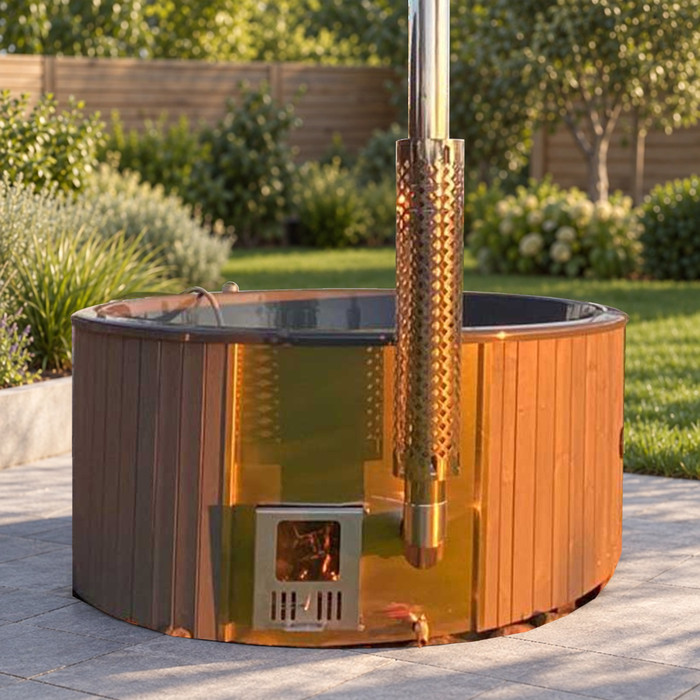
What to check before buying 3
Consider privacy and the comfort of the group
Privacy can affect whether friends feel relaxed enough to use the tub. Notice what can be seen from nearby windows and shared boundaries, and whether evening lighting makes the area feel more exposed than it does by day. Check at the time you are likely to entertain, not just during a midday viewing. A screen, planting or change in seating orientation may help, but only if it does not interfere with access, cover movement, servicing or anything the manufacturer or installer requires. Confirm those practical points before fixing a screen in place; a private-feeling nook is not automatically suitable for the equipment.
Sound and guest expectations matter too. Conversation that feels private within the group may carry beyond the seating area, particularly later in the day; choose a considerate volume and finish time for your surroundings rather than assuming a screen will contain noise. If you are considering Cove 2 for your shortlist, assess privacy from the proposed seating position as well as along the route to the changing area. A brief note to guests about changing arrangements and whether photographs are welcome can make the occasion more comfortable. Agreeing that friends will not share images of others without permission is a simple way to respect everyone’s privacy.
Make the preparation routine manageable
Hosting feels easier when water care is not left until guests are at the door. Check the manufacturer’s current operating and water-care instructions well before the planned date, then leave time to follow the routine they specify. Do not improvise a treatment or borrow another model’s instructions because it seems similar. If the tub is not ready according to its guidance, postpone use rather than attempting a last-minute shortcut. Confirm how the controls work and which tasks recur, so you can judge whether the routine fits the frequency of your gatherings. A calendar reminder can help if care is required between visits. If instructions are unclear, ask the manufacturer rather than relying on guesswork.
Make a pre-arrival checklist based on the chosen model, separating operating tasks from preparations such as setting out towels and making room for belongings. If the tub uses a cover, practise handling it before a crowd arrives and confirm its resting position will not block the route. Review the Haven 6 equipment details to establish what is supplied; do not assume accessories shown in a photograph are included or compatible. Use the manufacturer’s instructions to identify any consumables or replacement items you need. Decide who will handle preparation if you are also cooking or welcoming visitors, so essential tasks do not depend on finding a spare moment after everyone arrives.
What to check before buying 4
Think through heating effort and running costs
Heating effort matters differently depending on how often you entertain. A tub used regularly may call for a different routine from one used only for occasional gatherings, but the right approach depends on its heating method and the manufacturer’s instructions. Do not assume a model will be ready after a particular number of hours: the information available here does not establish heating times or performance. Ask for current, model-specific guidance on the heating system and on keeping the tub ready between sessions, then plan around the answer rather than a guessed timetable. Someone who prefers spontaneous invitations may value a different routine from a host who books dates well ahead.
Running costs have no useful single estimate without clear assumptions. Relevant variables include the heating method, any published insulation information, how often the tub is used, how it is operated under the instructions, local energy prices, water-care supplies and maintenance. Ask for manufacturer energy information and read the assumptions behind it; treat broad figures without a stated use pattern cautiously. Review the Fjord 8 operating information against your calendar of gatherings. If spending is a key factor, compare like-for-like energy information and ask whether any figures assume continuous or intermittent operation. Also consider the time required to look after the tub, not just ongoing expense.
Compare the four models using the same evidence
Put the four catalogue identities—Cove 2, Haven 6, Fjord 8 and Aurora 10—on one comparison sheet, but do not rank them by capacity based on their names. For each, record the manufacturer’s stated occupancy and how it defines that figure, the seating layout, external dimensions, access and cover details, heating method, included equipment and care guidance. Write down the exact wording if two listings use different terms for capacity, and separate confirmed details from unanswered questions. A photograph or number in a model name is not a specification. If a detail affects your guest experience and is not published, ask the retailer or manufacturer rather than filling the gap with an assumption.
Test each candidate against the same hosting requirements: your normal number of simultaneous bathers, your preferred way of socialising and room for dry guests to join in. Treat the Aurora 10 listing like the other three: include it only when current, model-specific information answers the questions that matter to you. A high stated occupancy may still not match your preferred seating or preparation routine; a lower one might work if guests are happy to take turns, provided the actual layout and instructions suit you. Include the work involved in preparing the tub, not only the number of seats. Mark a model as a possible fit only when the evidence supports that judgement.
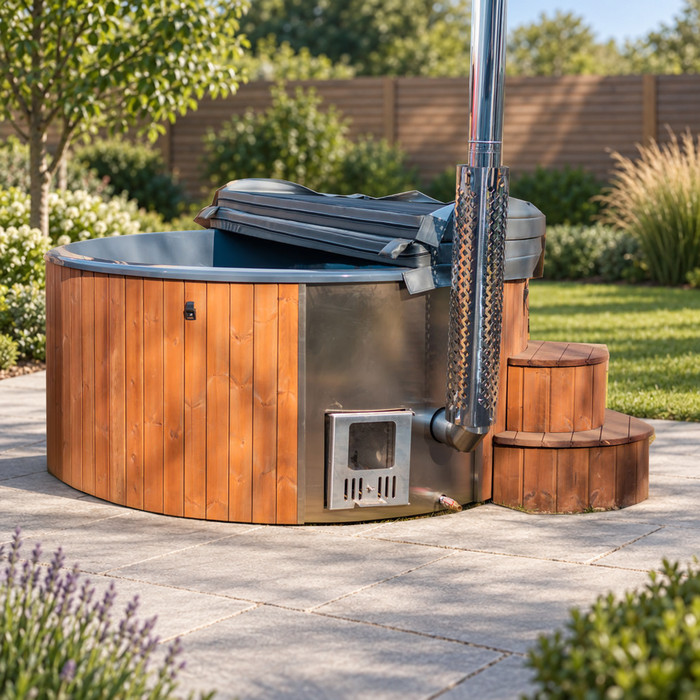
What to check before buying 5
Set expectations with guests before they arrive
Tell guests what to expect before they arrive. Let them know whether the plan includes time in the tub or simply an outdoor get-together, whether towels are available and whether there is a suitable place to change. Give an honest account of how many people can use the tub together, based on verified product information rather than a model name or guest list. People who would rather stay dry should know they are welcome and where they can sit. If a guest has an access requirement, invite them to raise it privately ahead of time so you can plan without putting them on the spot. That makes the gathering easier to manage for everyone.
If the group is larger than the confirmed simultaneous occupancy, decide whether staggered use genuinely suits the occasion. Rotation works when guests are comfortable waiting, the host has allowed enough time and there is a social place for those outside the water; it does not work if everyone expects to bathe together at once. On the day, explain any user instructions the manufacturer provides and show guests how the cover or controls are handled, if relevant. Keep the explanation simple rather than asking visitors to operate unfamiliar controls without guidance. Decide whether turns should be timed or informal, and make sure guests are comfortable with the arrangement. A little clarity lets conversation, not queue management, shape the evening.
Confirm the practical fit before ordering
Make the final choice against the gathering you expect most, then test it against one busier occasion. If the usual group fits only on paper, or your plan relies on every guest wanting the same seat and posture, revisit the shortlist. If one or two guests can take turns and the arrangement includes a place for dry visitors, a lower simultaneous occupancy may still suit your style. The deciding question is not simply “How many people can it hold?” but “Can the people I invite use it in the way we want to spend the evening?” Answer that with a seating plan and model information, not a guess. When comfort is uncertain, a detailed layout or demonstration is more useful than trying to infer it from a marketing photograph.
Before ordering, close any gaps in your comparison sheet, particularly those affecting occupancy, seating, included equipment or preparation. Ask a qualified installer to check the proposed installation location, delivery access, future maintenance access and any model-specific clearances or electrical requirements. Agree who will confirm site readiness and when, before committing to an installation date. Keep the retailer’s or manufacturer’s answers with the specification you used to make your choice. You can then distinguish a model that suits your hosting plans from one that would require compromises you have not yet considered.
Frequently asked questions
Is advertised capacity enough to choose a hot tub for entertaining?
Treat it as a starting point, not a verdict. Check what the manufacturer means by capacity, how the seats are arranged and whether your usual group can use the tub together comfortably. A model name or photograph cannot confirm occupancy; ask for details if they are not provided.
How many guests should I plan to use the tub at once?
Begin with the number of people who would normally use it together, including yourself if you plan to join them. Consider your occasional maximum separately. If everyone expects to bathe at the same time, do not rely on turn-taking to make a smaller simultaneous occupancy work.
What should I look for in the seating layout?
Ask for a seating diagram and find out how people face one another, whether positions are individual seats or another arrangement, and whether all listed places are intended for simultaneous use. If comfort is hard to judge, request model-specific information or see a demonstration rather than guessing from a photograph.
How long before a gathering should I heat the tub?
There is no universal preparation time to assume from a model name. Heating method and operating guidance vary, and no heating times are established here. Check the manufacturer’s instructions and ask for model-specific information before planning your schedule.
What if some guests do not want to get in?
Plan the occasion for them too. Provide a comfortable dry place to sit and talk, keep a clear route between the tub and changing area, and let guests know in advance that using the tub is optional. Towels and a place for belongings also help the host avoid last-minute rearranging.
A hot tub chosen for entertaining should make it easier for friends to spend time together, without leaving the host to improvise seating, access or care on the day. Build the decision around your regular number of simultaneous users, make guests who stay dry equally welcome, and compare details confirmed for each model. The best fit is one whose seating and preparation routine suit the evenings you actually enjoy hosting—not simply the model with the most impressive capacity figure.
