
Choosing a Hot Tub for Your Own Holiday Home
Holiday-home buying guide
A hot tub at your own holiday home is used in bursts: perhaps a long weekend, a summer week and a few cooler-weather stays, with empty periods between. The choice is about more than how it feels when you arrive. It must also fit the work and cost of caring for it when you are away. Map likely visits, users and local help before comparing models. Then confirm the exact product’s operating and maintenance guidance, including the manufacturer’s instructions for longer absences and colder conditions. That keeps a model name or attractive image from standing in for capacity, ease of care or suitability.
Map your visit pattern
Make a calendar for a normal year, not an ideal one. Mark how many visits you expect, their usual length, the longest gap and how often plans change at short notice. A holiday home used on regular weekends creates a different pattern from one visited mainly during school holidays, even if the total number of nights is similar. Add the likely months of use: summer-only stays raise different operating questions from visits spread across the year. You do not need to predict every trip. You do need an honest picture of when no one will be at the property, because those gaps affect the care plan and the amount of local help you may need.
Mark arrival and departure times as well. A late Friday arrival followed by an early Sunday departure leaves less time at the property than a week-long stay, while a midweek visit may make it easier or harder to arrange a check, depending on your circumstances. Ask what preparation the exact model needs before use and what routine applies while it is unattended; do not assume a tub can be started remotely or will be ready when you arrive. Note whether you can arrive earlier or return later if the instructions call for action outside your normal trip. This turns ‘occasional use’ into a pattern you can compare with written guidance.
Factor in the length of each stay
Length of stay makes readiness a practical buying question. For a quick weekend, ask what must happen before the first use after a gap, what should be checked on arrival and whether any preparation needs to happen before you travel. If heating or preparation time matters, request guidance for the exact model and ask what assumptions sit behind it; do not treat a broad estimate as a promise. Distinguish the time the equipment needs from the time someone must spend attending to it. The aim is to understand whether the expected routine fits your journey, rather than discovering that a substantial part of a short stay is taken up by work you had not planned.
A longer stay may give you more time to carry out a routine, but it does not automatically make a particular tub a better choice. Ask which checks apply on arrival and before departure, and whether a task is expected at a set interval whether or not you are at the property. Compare a typical two-night visit with your longest planned stay and your longest absence. If your schedule often changes, decide how you would cope with an early departure or a cancelled visit. This matters for a hot tub used occasionally: suitability depends on the documented routine and your access to the property, not simply how many days you use it.
Choose for the people who will use it
Think about the people who will use the tub most often, not everyone who might visit over a year. Note how many are likely to use it at the same time, whether adults and children are included, and what each person values: room to sit comfortably, space to move or a layout that supports conversation. Then check the manufacturer’s stated capacity and actual internal dimensions, if supplied. A capacity figure does not guarantee that a layout will suit your household, and the number in a product name is not verified capacity. If regular use may change as your family changes, note whether you are comparing for today’s household or a realistic future one.
Consider access and comfort alongside the stated capacity. Check the entry arrangement, internal layout and external measurements, and view a plan or the product in person if one is available. Think about whether the people who visit regularly could get in and out comfortably and whether the seating arrangement meets their needs. A photograph cannot show how a particular layout will feel to your household. When considering Bloomcabin hot tub Cove 2, use its current specifications to assess these points rather than judging by its name. Record any questions about entry or seating before deciding whether it belongs on your shortlist.
Plan for the seasons you visit
List the months in which you expect to use the tub, including whether winter visits are a realistic part of the year or only an occasional possibility. Cooler outdoor conditions can change what you need to ask about operation and energy use, but they do not establish whether a particular model is suitable. Confirm the manufacturer’s guidance for the conditions expected at the property and its advice on operation and care in colder periods. Ask for details of the cover, insulation, heating method and controls for the exact model, and distinguish stated specifications from general sales language. Keep questions about use during a winter stay separate from questions about leaving the property empty.
Consider the opposite pattern too: if you will not visit in winter, ask what the maker expects during a long cold-weather gap. Do not decide for yourself to switch a tub off, leave it running or drain it; the appropriate approach depends on the exact product and its instructions. For Bloomcabin Hot Tub Haven 6, establish both the guidance for your intended visiting season and the requirements for the months you will be away. Record when any seasonal preparation would need to happen and who could carry it out. A model needs to fit the whole year at your holiday home, not just the weeks when you hope to use it.
Understand the care required between stays
Ask for the maintenance schedule for the exact model and the tasks it involves, rather than relying on a general description of hot-tub care. Find out what the instructions say about water care, cleaning, filter attention or other routine checks, where those tasks apply, and how often they are required. Ask which actions can wait until your next visit and which cannot, particularly during a long gap or a change in weather. The frequency and method should come from the manufacturer’s guidance, not an assumption that occasional use means occasional care.
Turn the instructions into a calendar and compare them with your actual visits. If a task falls between stays, name the person who could do it, check that they are willing and able, and find out whether they need access, supplies or written instructions. A vague promise that someone nearby could help is less useful than knowing what is involved and when it may be needed. When assessing Bloomcabin Hot Tub Fjord 8, record its care requirements alongside the person responsible for each task and the expected frequency. This makes any gap in your arrangements visible. If you cannot meet the stated routine, pause the purchase rather than assume the task can be skipped.
Arrange help that is genuinely available
Decide who could attend the property when you are away, and be specific about their availability. Consider the longest gap, weekends, short-notice changes and any periods when the home is difficult to reach. A helper may need to carry out a scheduled task, notice a problem or follow the manufacturer’s instructions, not simply hold a spare key. Agree what they are being asked to do and whether they are comfortable with it. If there is no dependable person, include that fact in the buying decision instead of treating occasional access as a complete care plan.
Do not build the plan around a phone app, remote start or monitoring unless you have confirmed that the exact model includes the relevant equipment and function. When reviewing the controls offered with Bloomcabin hot tub Aurora 10, ask what can be controlled or checked remotely, what connection or set-up is required and which actions still need someone on site. Even a confirmed remote feature should not be assumed to replace every physical check or task in the instructions. Make sure your helper understands their responsibilities rather than expecting a notification or remote setting to resolve every problem. Keep a backup arrangement for the times your first helper is unavailable.
Compare costs against your own use pattern
Separate the purchase price from the costs of getting the tub installed and keeping it in use. Depending on the product and your circumstances, relevant items to ask about may include energy, water care, replacement supplies, maintenance and servicing. The actual figures depend on the exact equipment, how it is operated, the conditions at the property and your household’s use. Cooler-weather visits and long gaps are worth discussing with the supplier because they may affect the assumptions used in an estimate. Do not treat a broad running-cost figure as a guarantee for your holiday home.
Ask for any operating estimate in writing and note the assumptions behind it, such as the tariff, outdoor conditions, operating mode and pattern of use. If you compare several models, use the same assumptions for each and keep unknown items visible rather than filling them with guesses. Use your own current tariff if you are making a household budget, and keep purchase, installation and ongoing costs on separate lines. Start with the information on the Cove 2 product page, then ask for any missing figures needed to assess your intended use. Include the cost of help between visits if that forms part of your plan, rather than budgeting only for the time you are there.
Check access and site requirements
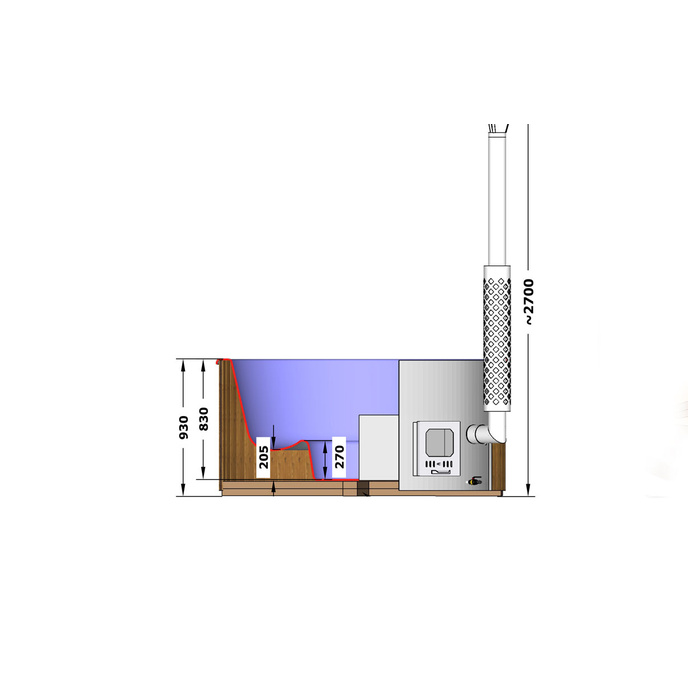
Before settling on a model, check the route to the intended position as well as the space where it will sit. Get the exact external dimensions and ask what access is needed for delivery, positioning, use of the cover and future maintenance. Gates, turns, steps or restricted access may matter at a holiday property, so do not rely on a rough measurement or a photograph. Think about whether the tub’s location leaves practical access for the person who may need to carry out routine care. Record the route and the proposed position separately: having enough space for the tub does not answer every question about getting it there or looking after it.
Ask a qualified professional to assess the site and installation requirements against the manufacturer’s information, including the relevant electrical requirements. Do not estimate whether a surface or supply is suitable from a product footprint alone. If any property-specific conditions or insurer requirements apply, clarify them before arranging work. Also ask what equipment is included and what must be arranged separately, so the scope is clear before you compare costs. Use Haven 6’s product listing to identify the model being assessed, then resolve any missing site or equipment details with the supplier. Keep these arrangements proportionate to the purchase decision; you need to establish feasibility before committing, not design the installation yourself.
Compare models using confirmed details
Put Cove 2, Haven 6, Fjord 8 and Aurora 10 in a like-for-like comparison, using the same headings for each. Seek the exact external dimensions, manufacturer-stated capacity, layout, heating method, controls and electrical requirements. Record the cover and insulation details, included equipment and any installation information too. A blank field means the detail has not yet been confirmed; it is not evidence that the model is better, worse or unsuitable. Mark which requirements are essential for your household and which are preferences. This helps you distinguish a model that meets your practical needs from one that has appealing details but leaves a central question unanswered.
Add the care information to the same comparison: routine maintenance, guidance for longer absences, instructions for cooler weather and any tasks that require someone at the property. Use the current product information and manufacturer’s instructions for each exact model, and ask for clarification when a detail is missing or ambiguous. Review the Fjord 8 page against the same requirements as the other candidates, so each receives equal consideration. Keep practical fit, operating requirements and care demands as separate columns. If a model meets your space and seating needs but its care routine cannot be covered between visits, record that as an unresolved practical problem rather than balancing it against appearance.
Test the plan against an ordinary year
Before choosing, run the leading candidate through a realistic year on your calendar. Include the shortest visit, the longest stay, the longest absence and the months when you expect colder weather. Then test what happens if a trip is cancelled, you leave earlier than planned or your usual helper is unavailable. Use the exact manufacturer’s instructions to identify what would need to happen in each case. This is not a request to devise your own operating procedure; it is a way to find out whether the documented one can be followed with your access to the property.
Keep the final decision tied to a few confirmed facts: the model suits the people who will use it, its written care routine can be managed between visits, its site requirements have been assessed and its costs have been considered on clear assumptions. If an important answer is still unknown, leave the choice open until it is resolved. Revisit Aurora 10’s catalogue page with your completed comparison to see whether any remaining questions affect your decision. Separate matters you can resolve before buying from arrangements that would remain uncertain throughout ownership. If nobody can reliably attend when the instructions require it, reconsider whether a hot tub fits your current holiday-home routine.
Frequently asked questions
Can I leave a hot tub unused between visits?
There is no single routine to assume for every model or season. Ask for the exact manufacturer’s instructions for the gap you expect, including what care is needed and whether someone must visit the property. Use those requirements to decide whether the tub fits your absence plan.
Does the number in a hot tub’s model name tell me its capacity?
No. Treat a model name as an identity, not as a capacity or seating specification. Check the manufacturer’s stated capacity, dimensions and layout for the exact model, then consider whether those details suit the people who will use it.
Can I control a hot tub remotely before travelling?
Do not assume remote controls or monitoring are included. Confirm which controls and equipment come with the exact model, what can actually be done remotely and which tasks still require someone at the property.
Can I use an outdoor hot tub in colder weather?
Check the manufacturer’s guidance for the conditions you expect at the property. Ask about operation, the cover and insulation, care during colder periods and what to do during a winter absence. A product image is not evidence of cold-weather suitability.
What should I ask before choosing a model?
Request the exact dimensions, stated capacity, heating method, controls, electrical requirements, cover and insulation details, included equipment, maintenance guidance and instructions for absences and cooler weather. Ask for cost estimates with their assumptions, and have site and installation requirements assessed by a qualified professional.
For your own holiday home, a hot tub should fit the weeks when you are away as well as the days you spend there. The strongest shortlist is one you can match to an ordinary year: short visits, longer holidays, seasonal gaps and the help you can actually arrange. Choose only when the essential operating and care requirements fit that pattern. Being realistic about the time you can give it helps you decide whether the tub will be a manageable part of your stays, rather than another commitment that dictates when you must return.
