
Choosing a Sauna for Daily Use or Weekend Sessions
Sauna buying guide
Daily sauna use makes straightforward preparation and after-use care central to the choice; occasional weekend use puts preparation after a longer gap and a clear pre-use check in sharper focus. Neither pattern calls for a particular cabin or control system. Decide who will use the sauna, how often sessions are likely in an ordinary and a busy week, and what needs doing before and after each one. Then compare the actual cabin, heater, controls, care instructions and installation conditions for the model on offer. Look for a setup whose everyday tasks fit your household’s schedule, rather than choosing by session frequency alone.

Buyer checklist 1
How frequency changes sauna preparation and care
Start by separating frequency from session style. Daily use might mean one predictable solo session, several household members taking turns, or an intention that fluctuates with work and season. Weekend use might happen every week or only now and then; it could be quiet or shared. These patterns affect who prepares the sauna, how often it is reset and how long it may sit unused more than the label daily or weekend does. Write down an ordinary week and a busier one, including who is likely to do each task and whether users go in one after another or at the same time. Note whether sessions are planned at a regular hour or fitted around available free time.
With frequent use, small repeated tasks become prominent: finding towels, checking the route and controls, preparing the room, then leaving it in the right condition afterwards. If sessions are back-to-back, the handover and fresh supplies matter as much as getting the first session ready. With longer gaps, tasks happen less often, but it is easier to forget a step or miss a change before use. Both routines need preparation and care; neither determines which cabin or heater is right. Compare the whole cycle rather than the session count, and include weeks when nobody uses it. Also ask whether someone other than the main enthusiast can follow the routine without relying on memory.
Plan the steps before and after a session
Write out the start-to-finish sequence for a typical visit: bringing out textiles and supplies, making sure the room and route are ready, following the heater’s stated start procedure, allowing it to reach the condition described in its instructions, then completing the recommended post-use reset. The point is to identify recurring steps and who owns them, not to make assumptions about how quickly any cabin becomes ready. A daily user may value an easy-to-repeat routine; a weekend user may prefer a short checklist that makes the first use after a gap straightforward. Include time to change and put belongings away, not just time in the sauna. Mark which tasks can be prepared earlier and which must happen immediately beforehand.
Ask for operating documents that match the exact configuration, not just a general sales description. If the HC-225 barrel sauna is on your shortlist, establish which heater and controls are offered and what the package includes. Separate essential equipment from optional accessories, then identify anything you would need to source before the first session. Compare the documented start and shutdown procedures with the time and attention available in your household. For weekend use, check that the instructions are easy to retrieve after a gap; for daily use, consider whether frequently handled items have a convenient storage place. Keep a copy of the relevant instructions with the purchase records so that a change of operator does not mean starting the research again.
Buyer checklist 2
Choose controls that suit the people using the sauna
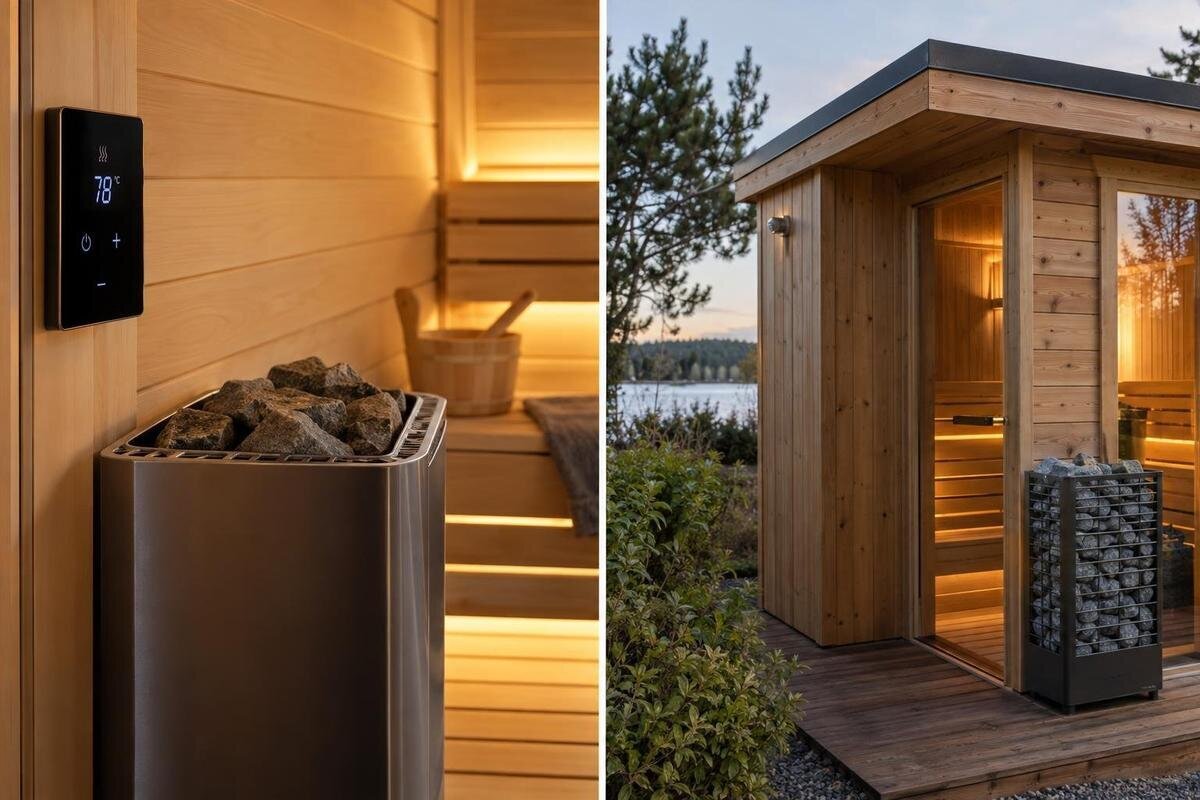
Control convenience is about confidence as well as speed. For daily use, a panel that regular users can understand and operate consistently may reduce friction, especially if different people take turns. Ask to see the actual interface or manual; confirm how settings are changed, how the unit signals its state, and what the normal start and stop sequence is. Check where controls sit in relation to the planned approach and who can reach them; do not rely on a product photograph for that. Do not infer a timer, memory function, app or touchscreen from a model name. For occasional use, clear labels and brief written instructions may be more useful than a feature nobody remembers between visits.
Remote operation should be considered only if it is explicitly supported by the exact heater and control system and any manufacturer-required safeguards are present. A phone connection is not, by itself, proof that a heater can be started unattended. Ask what operating restrictions apply and whether setup needs configuration by a qualified professional. When considering Sauna N-210, establish the offered control arrangement before treating remote or timed operation as part of your routine. If controls are supplied separately, confirm compatibility and who provides support for the complete system. Ask what happens if a phone, account or network connection is unavailable, and which operating options the manufacturer permits in that situation.
Match the cabin layout to the number of users
Cabin fit should follow the people who will actually use it, not the frequency label. A household using a sauna daily may stagger visits, while weekend sessions may bring several people together; the reverse may also be true. Count typical and maximum simultaneous users, then inspect the internal layout: bench arrangement and usable length, headroom, entrance, and how easily people can sit down and move without obstructing someone else. Check whether there is a suitable changing or drying place nearby, because a cabin may need separate space for the full routine. Include anyone who needs extra room to enter or move comfortably. Do not guess capacity from a model code or product photograph.
Use verified dimensioned drawings and the manufacturer’s stated capacity, and distinguish internal usable space from the outside footprint. Include the door opening and the space needed to reach the benches, accounting for the heater position in the offered configuration. If the N-250 sauna is a candidate, compare its documented layout with the way your group expects to sit and move. A shared weekend session may need everyone’s belongings and changing arrangements considered together, whereas staggered daily visits may require a workable handover between users. Request any missing bench or entrance dimensions before deciding. Extra cabin space is useful only if it serves the occupants or their movement; frequency alone does not establish a need for it.

Buyer checklist 3
Make repeated preparation easier
Daily preparation is easier to organise when supplies have a consistent place. Decide where clean textiles wait, where personal belongings go during a session and where used towels will be collected afterwards. Keep stored items away from the heater and use storage locations only as the manufacturer permits. If household members take turns, separate supplies for the next user from items awaiting washing, and agree who replenishes them. Consider whether your normal laundry arrangements can accommodate the planned pattern without leaving damp textiles in the sauna. This is less about buying accessories than avoiding small recurring interruptions. A routine that works for one person should also be understandable to whoever takes over when that person is busy.
With occasional use, avoid a plan that assumes everything stays ready between sessions. Store textiles clean and dry outside the sauna, and keep frequently needed supplies together so that preparation does not become a search through several cupboards. If the LC-260 listing is on your shortlist, distinguish any documented storage or changing provision from space you will need to arrange separately. Decide where belongings will stay during use rather than assuming there is somewhere suitable inside. A brief preparation list can record what to bring out and what to return afterwards. Review it after your first few sessions: missing supplies and unnecessary trips are easier to address once you know how the household actually uses the space.
What to clean after each sauna session
Cleaning is a per-session task even when use is occasional. Remove used towels and personal items, and follow the sauna maker’s directions for wiping benches, floors and other surfaces. Drying and ventilation instructions can depend on the cabin design, so do not assume that leaving a door or window open is right for every model. Keep dirt and grit out as far as practical, particularly around seating and access points, and deal with visible residue in the way the manufacturer allows. The aim is to leave the room clean and in the condition specified for the interval before its next use. With several users, agree that textiles are removed rather than left for the next person. If you are unsure about a surface, ask before trying a cleaner.
Daily users may need a quick tidy between people as well as a fuller clean at the interval set by the manufacturer. Establish what can be done between consecutive users and what should wait until the sauna is no longer in use. Do not rely on strong household sprays, scented products or timber treatments unless the supplier confirms they suit the exact surfaces. For the HCF-300 sauna, ask which cleaning products and methods are permitted for the delivered cabin. Keep those instructions with the cleaning kit, stored in a suitable place outside the sauna. Assign responsibility for the final clean separately from changing towels between users, so that a series of short visits does not leave the last task overlooked.
Buyer checklist 4
Checks after the sauna has been idle
A longer break does not make a sauna maintenance-free. Before an occasional session, use the maker’s pre-use guidance and look for obvious changes since the last visit: debris, moisture, damage, blocked openings, or controls that appear different from their normal condition. If anything appears damaged or the heater or control system does not behave as described, do not improvise a repair or use it until the problem has been assessed. Confirm the room and approach are ready, and check that equipment and textiles have been stored as instructed. A repeatable pre-use check is especially useful when several weeks have passed. Allow time for that check instead of scheduling the first use tightly.
After an occasional session, complete the required cleaning and drying before following the maker’s directions for ventilation, closure and seasonal care. For an outdoor unit, establish how its exterior finish should be maintained and whether the instructions specify checks during a prolonged period without use. If Sauna HCF-225 is on your list, request the guidance that applies to the supplied finish and its intended location. Record any preparation required before a longer pause, rather than discovering it when you return. For example, the questions to resolve include how loose equipment should be stored and whether anyone needs to inspect the cabin during your absence. Use the manufacturer’s answers rather than applying a general timber-care routine.
Maintenance planning for frequent and occasional use
Separate routine cleaning from maintenance. The manual for the exact sauna and heater should say which inspections or service tasks are needed, who may carry them out and how often. Some tasks may follow a calendar, others the amount of use; where an interval is use-based, frequent sessions reach it sooner, while an occasional schedule still needs calendar checks. Keep the heater, stones if used, ventilation openings, doors, seals, fixings and surfaces within the scope of the maker’s instructions rather than applying a universal checklist. A clean surface cannot tell you whether a service task is due. These points are prompts for checking the correct manual, not a substitute for it.
Maintain a simple record of completed maintenance, use-related tasks and any changes you notice. Frequent users can record usage in the form required by the manual; occasional users can keep calendar reminders even when no session is planned. Before buying the S-140 sauna, request maintenance information for the complete package, including the heater and control system actually supplied. Confirm which tasks are owner responsibilities and which require specialist service, then find out who can provide that service. Do not dismantle, alter or repair electrical equipment yourself. Retain the equipment references, instructions and service records together, so a professional can identify the relevant configuration without relying on your recollection of the original order.
Buyer checklist 5
Check access, location and installation requirements
Where the sauna sits can influence the routine more than the number of weekly sessions. For daily use, a short, well-lit route and a convenient place to change can remove a barrier; for occasional use, check whether the approach stays usable when weather or daylight changes. Think about privacy, carrying towels and supplies, and space for people to enter and leave without crossing a work area. For indoor or outdoor choices, use the manufacturer’s layout and clearance information for the exact model; a product image is not a site plan. Do not assume a cabin will fit simply because its advertised footprint looks manageable. Allow access for inspection and servicing where the instructions require it.
Confirm the required base or support, clearances, ventilation and electrical provision against the manufacturer’s instructions and the conditions at your property, with an appropriate qualified professional. If the HC-150 listing is a candidate, obtain its exact installation requirements before commissioning site preparation. Establish what the product package covers, who will assemble or install it, and which work must be completed separately. Discuss access for delivery and installation as well as access for future servicing; these are different from the route used during a session. Resolve responsibility for each part of the work before it begins. A convenient daily location is not a suitable choice unless the required installation and service access can also be accommodated.
Compare shortlisted saunas against your routine
Once you have a realistic usage pattern, compare shortlisted configurations against the same practical questions. Can the expected users operate the controls? Does the layout suit simultaneous or staggered visits? Can the household complete the required cleaning and drying within its normal schedule? Record the answers using the supplied documents, leaving unresolved points clearly marked rather than assuming the more expensive or larger option will be easier to live with. Distinguish an essential requirement from a preference: understandable controls may be essential, while a particular interface style may not be. This gives daily and occasional users a useful basis for comparison without treating either frequency as a specification in its own right.
Pay particular attention to differences that change who does the work. A configuration may require separate control equipment, specialist servicing or changing space elsewhere, and each can affect the household’s arrangements even when the cabin itself appeals. Check whether an apparent convenience depends on an optional item or a feature not yet confirmed. Keep purchase cost and running-cost calculations separate from this assessment: here, the question is whether the preparation and care are manageable. If two options meet the essential requirements, compare the remaining practical compromises rather than adding features for their own sake. Choose with the busiest realistic week in mind, when clear responsibilities and simple tasks matter most.
Frequently asked questions
Is daily sauna use automatically more convenient?
Not necessarily. Daily sessions can make the steps familiar, but they also bring small inconveniences around preparation and cleaning into sharper focus. Occasional sessions involve less repetition but require you to remember checks after a gap. The practical test is whether everyone expected to use the sauna can follow its actual operating and after-use routine.
Does occasional use mean less cleaning?
Fewer sessions may mean fewer after-use cleans, but each session still needs the cleaning and drying specified by the manufacturer. Idle periods may also involve checks or care before the next use. Distinguish session-related cleaning from calendar-based maintenance: using the sauna less often does not automatically remove the latter.
Should I choose remote controls for daily use?
Not on frequency alone. Remote or timed operation is appropriate only if the exact heater and control combination supports it and all manufacturer requirements are met. Compare it with clear local controls too, especially if several people will use the sauna. Confirm the instructions and any professional configuration rather than assuming an app or timer is included.
What should I check before using the sauna after a long break?
Follow the maker’s instructions for idle periods and pre-use checks. Look for visible changes, moisture or debris, and confirm that the controls and access appear as expected. If anything is damaged or operates unexpectedly, do not improvise a repair; seek appropriate technical advice before use.
What should I compare when a product page does not explain the routine?
Ask for documents that match the exact configuration: a cabin drawing, heater and control details, operating instructions, cleaning and maintenance guidance, and installation requirements. Compare included equipment with anything your routine depends on. A model name or product photograph cannot establish those details or confirm a sauna’s fit for your household.
Daily and weekend patterns call for different emphasis, not different standards of care. Frequent users should prioritise easy repeated preparation, accessible controls and a clear handover. Occasional users need a dependable way to prepare after a gap and keep track of care during idle periods. The right choice is a documented configuration that fits the people using it and the work they can realistically share. Consider the whole visit, including what happens afterwards, rather than judging convenience only by the time spent inside.
