
Common hot tub buying mistakes and how to avoid them
Hot tub buying guide
Common hot tub buying mistakes often begin before a purchase, when an appealing listing is treated as a complete answer. A prominent claim, model name or photograph can make a product look like an obvious choice, even though it may not answer the questions that matter to you. Buyers also risk comparing pages on different terms or turning an unanswered point into an assumption. The remedy is not endless research; it is a consistent way to decide what matters, what the available information actually confirms and which gaps could change your choice. This guide focuses on choosing which models, if any, deserve a place on your shortlist and deciding whether the evidence is clear enough to proceed. Pausing for clarification is a valid outcome, not a failure to decide.
Before you commit 1
Priorities for a useful shortlist
Browsing before deciding what matters lets each listing choose what you notice. One product may catch your eye because of a prominent claim; another may sound appealing for a different reason, leaving you comparing impressions rather than needs. Before building a shortlist, separate essentials from preferences and details you could accept either way. Consider who is likely to use the hot tub, how you expect to use it and what practical limits matter, including your available space and spending limit. You do not need a long specification sheet at this stage: a handful of clear criteria is easier to apply consistently than a sprawling wish list. Make sure the list captures constraints that could rule a model out, rather than giving every preference equal weight.
Turn each essential into a question that can be answered from reliable information. For every model, mark yes, no or not confirmed; never count an unknown as a yes. The Cove 2 listing can be assessed against the same short brief as any other candidate: first identify what the product information says, then decide whether that detail relates to one of your priorities. If it does not answer the question, record the gap rather than filling it with a guess. Keep a model on the shortlist only if the confirmed information gives you a clear reason to investigate it further. For a priority that cannot be checked on a page, decide what confirmation would count before comparing. This keeps the list connected to your reasons for buying, not simply to the order in which products appeared on screen.
The limits of a headline detail
A listing may foreground a model name, a single figure, a prominent feature or a polished photograph. The mistake is to let that one conspicuous detail stand in for the whole decision: a buyer sees something that appears relevant and assumes the rest will also work. Yet one fact rarely answers whether a product matches the buyer’s priorities, what the offer includes or whether the detail has been defined consistently. Digits in a model name do not establish capacity, seating, dimensions or any other specification. Nor does an adjective such as complete mean much unless the listing explains what it covers. Treat prominence as a cue to check, not a reason to conclude.
Write down the headline claim in neutral terms, then ask what it means, where it is documented and whether competing listings describe the same thing on the same basis. If a figure cannot be explained, leave it unscored rather than giving it an assumed advantage. A Haven 6 product page can be considered without reading the number in its name as a capacity figure; if that point matters to you, ask for explicit confirmation. Then weigh any confirmed detail alongside the priorities you wrote down earlier. If the detail is only a preference, decide how much weight it deserves before comparing models. This does not mean ignoring standout features; it means recognising that one attractive fact cannot settle the whole decision.
Before you commit 2
Comparing models on the same basis
A comparison can look tidy and still be unfair if each candidate is judged from a different kind of information. One page may set out details fully, another may offer only a short description, and a separate document may refer to a different configuration or an earlier version. Treating silence in one source as either a negative or a positive creates false certainty. The difference may be a missing answer, a change in wording or a different product configuration; until clarified, the information is not directly comparable. Even the same label can be used without making clear that it means the same thing. A neat table cannot fix this if its rows mean different things for each model. Check that every source refers to the exact product under consideration.
Use the same questions, in the same order, for every candidate. Record the exact model name, source and date, then copy the wording rather than paraphrasing away a qualification; note definitions or units where relevant. Do not compare a figure until you know what it describes, and do not assume that a listing and a separate document describe the same version. With the Fjord 8 listing, use the product identity to find the relevant information, not to fill a blank in your comparison. If a row is missing and affects your choice, ask the same question of each supplier. Mark a point as not stated rather than leaving a blank that could be mistaken for not applicable. Then compare the supported answers, not the amount of copy or confidence of the language.
Facts, claims and assumptions
Assumptions can enter a comparison even when you have read the product information carefully. A familiar term may suggest equipment you have seen elsewhere, or a broad phrase such as all you need may sound more comprehensive than its explanation supports. The mistake is to record your interpretation as though the seller had stated it. Separate four kinds of information: what current product material explicitly states, what the seller clarifies for you, what you have inferred, and what is not mentioned. Pay particular attention to qualifications such as optional or subject to confirmation. Removing those words from your notes changes the meaning of the claim and can make a tentative answer look settled.
Label each important point stated, confirmed in writing, inferred or unknown; if a reply is conditional, record the condition as well. Before relying on an answer, check that it applies to the exact model and configuration you are considering, not a similar name. The Aurora 10 product page can help identify the listing under review, but its title alone cannot settle a question about capacity or inclusions. Ask for a precise explanation when one of those details matters. An inference should remain labelled as such until it is confirmed; an unanswered question belongs in the unknown category. This makes it easier to spot where your enthusiasm for a model rests on an expectation rather than on information you have actually received.

Before you commit 3
Questions that could change your choice
A gap in a listing does not automatically mean there is a problem, but it does give you a question to resolve. Some buyers leave it unasked because the point seems too basic, they assume another page covers it or they expect a general sales answer to be enough. The useful test is whether the answer could change your shortlist or the terms you accept. Turn each uncertainty into one precise question: identify the exact model, refer to the statement that prompted it, and ask what it means or whether it applies to the product as offered. Keep decision-critical questions separate from optional curiosities so the conversation remains focused and you can see which answers are still outstanding.
If a point on the Cove 2 product page matters to your choice, ask whether it is confirmed for that exact model and where the answer is recorded; do not ask only whether the hot tub is right for you. Ask the supplier to distinguish included items from optional ones if that is the uncertainty, or to explain an undefined term. If an answer refers to a different model or a general practice, follow up to check whether it applies here. Save the response beside the original question and note any conditions. A clear answer may resolve the gap; a vague reply tells you where clarification is still needed. Either result helps you judge whether the model is ready for a fair comparison or should remain on hold.
What product photographs can and cannot show
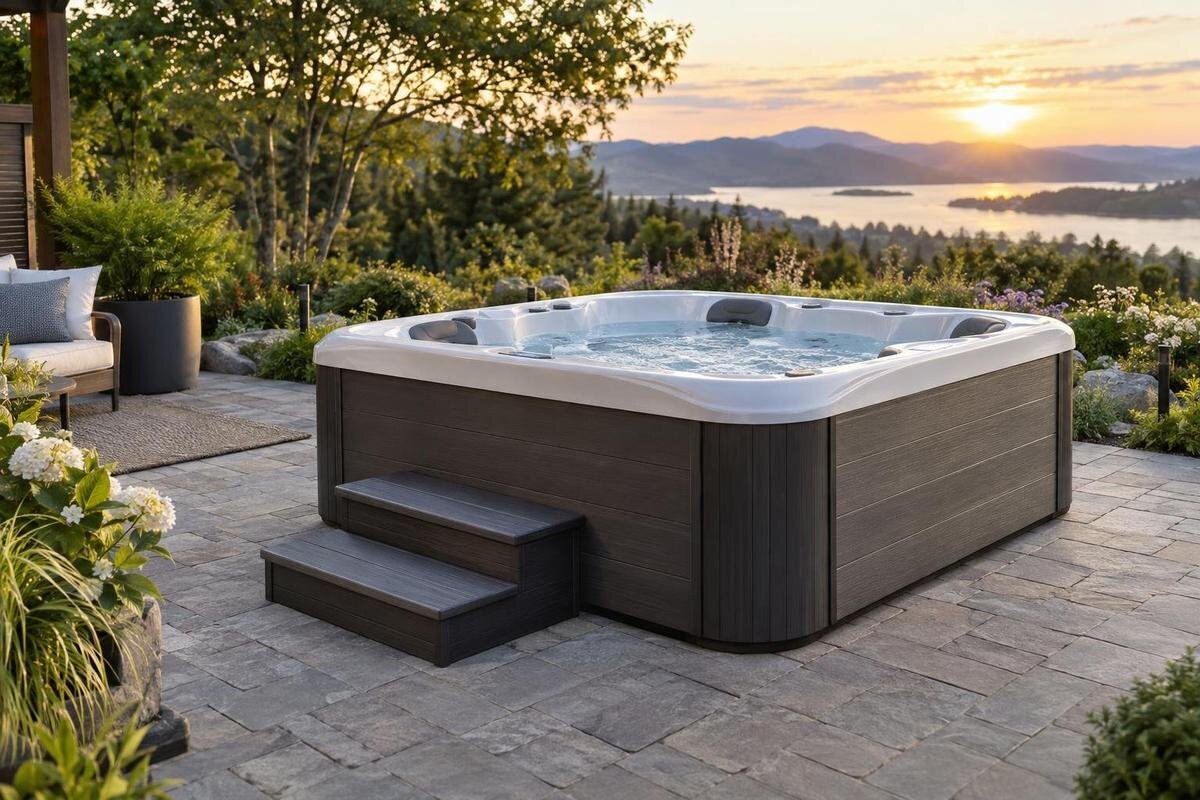
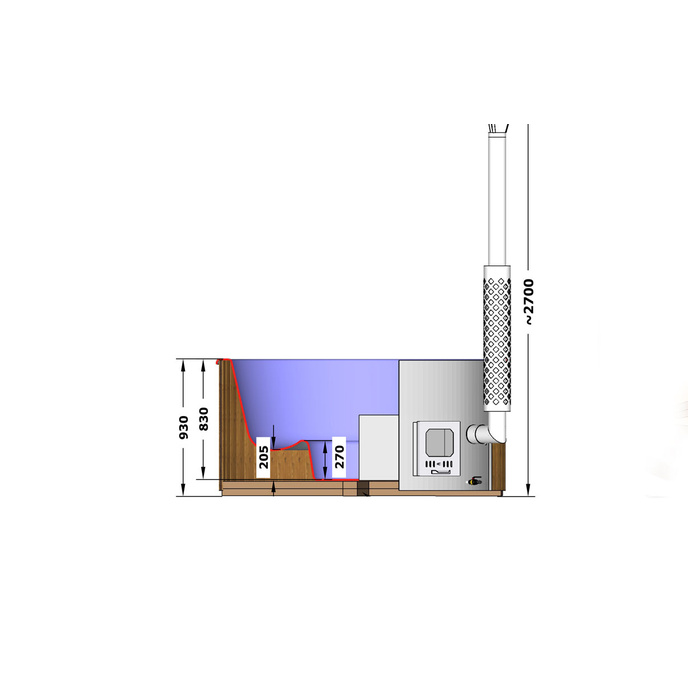
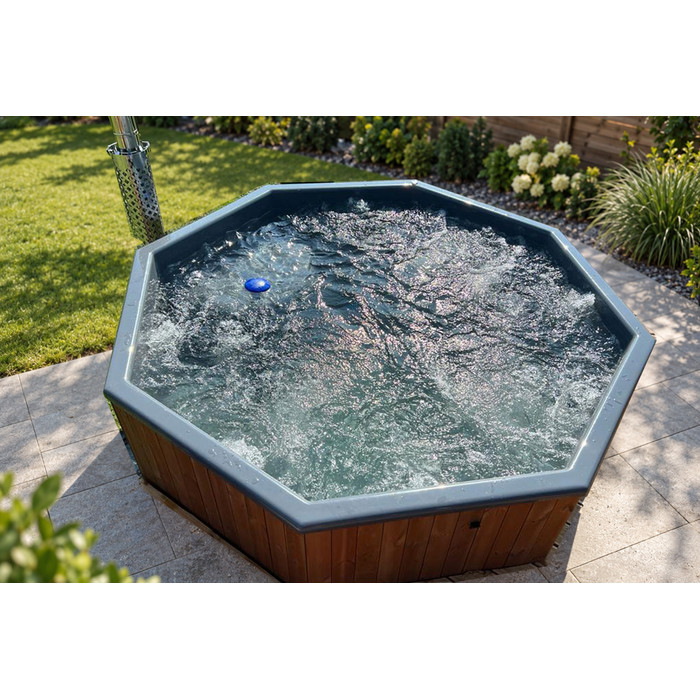
A product photograph can help you assess appearance, but it cannot establish a technical specification or the contents of an offer. Perspective and framing can obscure scale; display items may be illustrative, and a picture cannot confirm whether an item is standard, optional or sold separately. Even a detailed image should not be treated as a dimensioned drawing or evidence of performance. Nor does a similar image on another page prove that two products share the same construction or equipment. Use photographs to notice what you want to ask about, not to answer questions that require written product information.
When reviewing a model such as Haven 6, separate what its photograph shows from what you are assuming it means. If a visible item, finish or arrangement matters, ask whether it applies to the exact model and configuration being offered and request the corresponding written detail. Do not borrow a detail from a similar-looking product to fill a gap in another listing; visual resemblance is not confirmation. If the answer is absent, do not mark an item as included simply because it appears in an image. This pause helps prevent a mismatch between the impression created by a gallery and the information that supports a purchase. Images are useful context, but the comparison should rest on stated details.
Before you commit 4
Resolving conflicting information
Conflicting answers need more attention than a simple gap. A product page may appear to say one thing while a later message says another, leaving you tempted to choose whichever answer suits your preferred model. Do not resolve the conflict by favouring the more detailed wording or the most recent reply without checking what each refers to. First establish whether both sources describe the same model, configuration and offer. The apparent contradiction may concern different options or versions, but that explanation should be explicit rather than assumed. Keep both statements together so you can show the supplier exactly what needs reconciling instead of asking a broad question that may produce another ambiguous answer.
If information about the Fjord 8 product listing conflicts with another source, quote the two statements and ask which applies to the model you are considering. Request an explanation of any distinction and a correction to the relevant written information where needed. A reply that merely repeats one statement does not explain why the other differs. Once the discrepancy is resolved, update the affected comparison points rather than changing only your general impression of the model. Check whether the answer alters an essential requirement, an accepted trade-off or your understanding of the offer. If a decision-critical contradiction remains, keep that model on hold; there is no sound basis for treating the more appealing version as confirmed.
Written terms before commitment
A shortlist decision is not complete if it rests on a product page while the purchase terms say something different. Before committing, make sure the exact model identity and the written offer align with what you believe you are buying. At a high level, check the confirmed inclusions, any named options, conditions that affect the offer, and the stated payment or cancellation terms. The aim is not to interpret complex wording by guesswork. If a term is unclear or the documents conflict, ask the supplier to explain it in writing and update the relevant document if necessary. Do not treat an informal reassurance as a substitute for a clear record of the offer.
Use the Aurora 10 listing to identify the model, then compare that identity with the separate terms for the purchase you are considering; do not assume the product page covers every condition. If the model name, stated inclusions, option status or another important point differs between sources, ask which version is correct and request a clear written correction where needed. A discrepancy should not be left to resolve itself after you commit. You should be able to explain what the offer covers and which conditions apply, using the information you have been given rather than your memory of a conversation. Only then can you decide whether those terms are acceptable.
Before you commit 5
Which unanswered points matter?
Not every unanswered detail deserves the same weight. A minor point may not affect your choice, while an unknown that touches a must-have can make the entire comparison unreliable. Label unresolved points as acceptable for now or decision-critical, and be honest about why. If your choice depends on a particular specification, inclusion or condition, do not quietly treat the lack of information as confirmation. Conversely, asking for an answer to every imaginable question can keep you researching long after the evidence is sufficient. The aim is proportionate certainty about what matters, not perfect knowledge. This also stops a long list of small curiosities from obscuring one genuinely important gap.
Set clear conditions for proceeding before you become attached to one option: essential points are supported, any trade-off is deliberate, and no important conflict remains in the written information. If a supplier says an important point will be clarified later, leave it marked as pending rather than turning it into a yes. You can keep the model on hold, compare another candidate or decide, after understanding the issue, that the missing detail is not relevant. If you cannot say what evidence would resolve an important uncertainty, define that before going further. Urgency, enthusiasm or time already invested should not make an unresolved requirement disappear from your decision.
The final choice: proceed, pause or rule out a model
Before moving from shortlist to purchase, review the decision in one pass. Is the exact product identified? Have the same priorities been applied to every candidate? Are the facts supporting your preferred model stated or explicitly clarified, and do the written terms match your understanding? Are any remaining unknowns genuinely acceptable rather than forgotten? This brief audit can expose a mismatch between what attracted you initially and what the available information now supports. If a decisive answer is missing, pause and request it; if confirmed information fails a must-have, remove the model; if the evidence and terms meet your criteria, proceeding is a reasoned option.
A good outcome may be a purchase, a pause for clarification or a decision not to buy any model on the current shortlist. There is no need to force a winner just because you have spent time comparing products. Equally, the process need not expand into an exhaustive investigation of points that would not affect your choice. Keep a candidate only while it has a clear, evidence-based reason to remain there. That makes the final decision explainable: you can say what confirmed it, which trade-offs you accepted and what answer might have changed your mind. A clear no is better than a yes built on an untested assumption.
Frequently asked questions
Should I trust a number in a hot tub model name?
Not as a specification unless the seller explicitly defines and confirms it. A model name helps identify the product; by itself, it does not establish capacity, dimensions or included equipment. Ask what the number means if it matters to your comparison.
How many hot tubs should I compare?
There is no fixed number that makes a comparison reliable. Keep enough candidates to test your priorities, then apply the same questions to each. Remove any model that clearly fails an essential requirement and mark missing answers as unknown rather than as a pass.
Is missing information an automatic reason to reject a model?
No. Decide whether the missing point could change your choice. If it concerns a must-have or the written offer, pause and seek clarification. If it is genuinely minor, record that it remains unknown and decide whether you are comfortable proceeding without it.
What should I ask the seller before buying a hot tub?
Identify the exact model and refer to the specific statement or omission. Ask what it means, whether it applies to the product and offer you are considering, and where the answer will be recorded. A precise written reply is easier to compare than a broad reassurance.
Can product photographs show what is included?
No. An image can illustrate appearance but cannot establish whether every visible item is included, optional or illustrative. Use the photograph to frame a question, then confirm the contents in the relevant written product or purchase information.
The strongest reason to choose a hot tub is a clear match between your priorities and the information supporting the offer. An appealing listing can earn your attention without earning your commitment. Keep that distinction in mind, and you can enjoy comparing models without letting a name, photograph or unanswered question decide the purchase for you.
