
Compact Premium vs Larger Basic Sauna: Budget Choices
SAUNA BUYING GUIDE
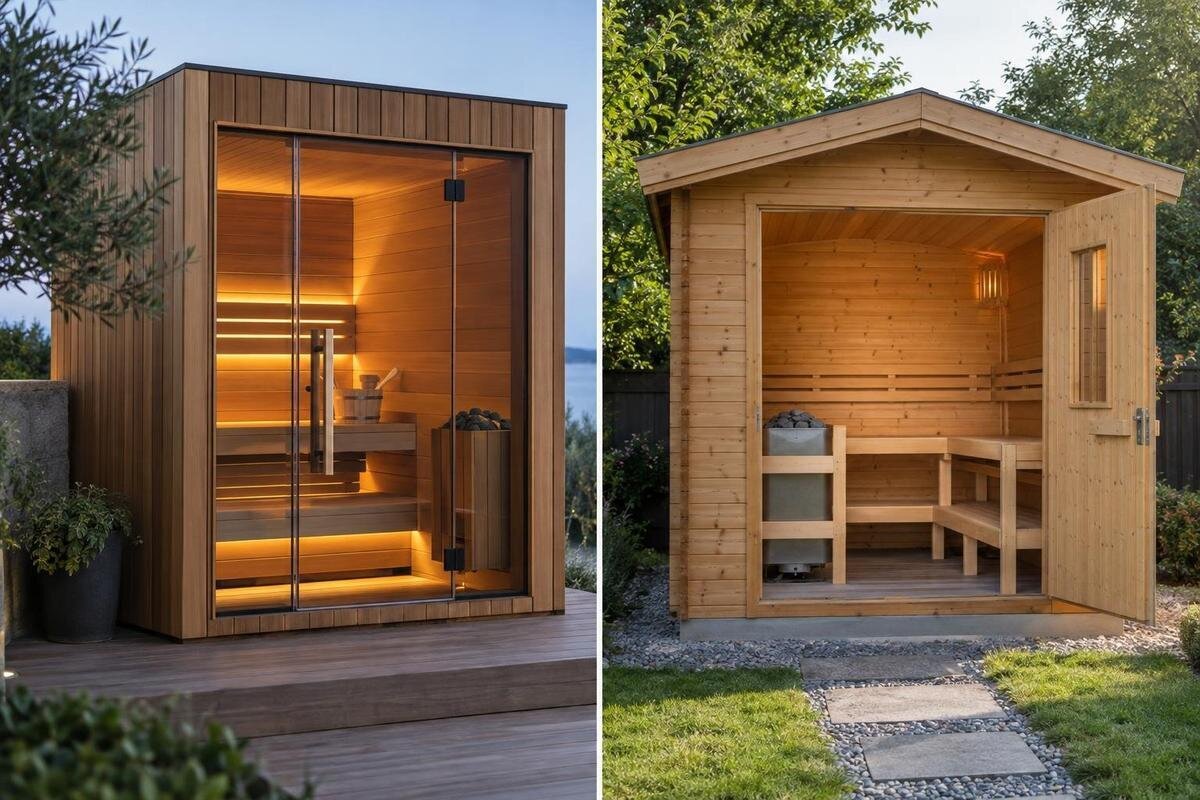
When funds are fixed, choosing a compact sauna with better-specified details over a larger, simpler cabin is a trade-off between different benefits, not an automatic value contest. “Premium” and “basic” are not standardised grades: the labels might refer to construction, finish, supplied equipment or optional extras, and sellers may use them differently. Nor does a larger headline area guarantee more usable seating, or a higher price prove better build quality. Compare actual configurations and supporting information, then decide which compromise would matter during your normal use. This guide gives you a way to rank room, construction and comfort without assuming that a particular size, specification or product is best.
What “premium” and “basic” actually describe
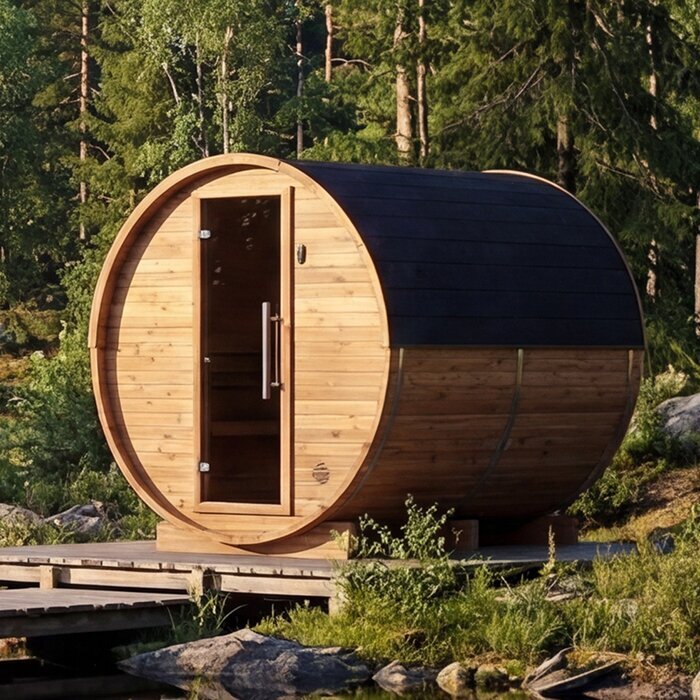
In sales copy, “premium” might refer to a finish, selected material, included fitting or broader specification; “basic” might simply mean fewer options, not a lower construction standard. There is no shared grading scale that guarantees a particular build. Treat both words as prompts for clarification. Ask the seller to set out the exact differences between offers in writing: which components change, what is included, what is optional and which configuration the quoted price covers. If packages differ in heater, controls, glazing or other equipment, you are comparing more than cabin size. A label, photograph or higher price cannot tell you whether a difference matters to your priorities.
Make a like-for-like record of each candidate: model, exact configuration, supplied items, finish and documented construction details. Note which options cost extra and which work or services fall outside the offer. Separate differences in the cabin itself from differences in the package. For example, if one quote includes an accessory and another does not, that is an inclusion to price separately, not evidence of better construction. Ask whether the advertised configuration is the one being quoted, especially where photographs show several versions. Record the date and reference of each quote so later changes do not get mixed into the comparison. If a detail is not stated, mark it as unknown. This matters when funds are fixed: an apparently generous package may omit the feature you value, while a simpler offer may already include what you need. The comparison should describe real differences, not repeat each seller’s adjectives.
Set the budget ceiling before comparing cabins
Decide whether your budget covers the sauna cabin alone or the whole project. Offers can cover different things, and delivery, preparation of the proposed site, assembly or professional work may be priced separately. None of those items is automatically included, so ask what the specific offer covers. The useful comparison is not the cabin’s displayed price in isolation, but the amount left for its configuration after essential project allowances are protected. That makes it less likely that a smaller, better-specified cabin appears affordable only because necessary items have not yet been counted.
Keep confirmed costs, optional upgrades and items still awaiting a quote in separate columns. If there is a firm overall ceiling, decide what must be allowed for before setting the amount available for the cabin. Ask how the quoted scope could change if the site or configuration needs differ from your assumptions. There is no need to guess at a standard allowance: use current information for your own project. This budget check is a filter, not a detailed costing exercise. It helps you compare realistic alternatives without treating an unpriced requirement as a free extra.
Check what the advertised area measures
A figure in square metres needs context. It might describe an external footprint or another stated area; without a drawing, you cannot tell how much clear space or usable bench area remains inside. Compare the same measurement for each option and check the internal dimensions, not just the product name or photograph. The Sauna S-140 listing gives a published area of 1.93 m²; treat that as a catalogue figure until the manufacturer says exactly what it measures. Do not convert area directly into a claim about the number of comfortable seats.
On a dimensioned plan, look for the internal clear space, bench arrangement, entry and any equipment positions shown. These details help explain how much of the outline can actually be used, and whether there is enough room for the way you plan to sit. If a drawing does not make the measurement basis clear, ask the seller to confirm it. A smaller outline with a practical layout may suit your users better than a larger but awkward one; the reverse may also be true. Only information for the exact configuration can settle the comparison.
Use the layout to judge usable room
Think about who will use the sauna at the same time, not just the largest group you might invite once. A cabin for mainly solo use has different space priorities from one shared regularly. Consider how many people need to sit at once, whether they prefer to sit side by side or face each other, and whether anyone wants to stretch out. Include people’s heights and preferred seating positions in your check. These are practical questions, not details that an area figure can answer.
The HC-150 product page lists 2.97 m², but that figure is not a headcount or a bench plan. Request a dimensioned interior drawing and the manufacturer’s stated seating capacity for the selected configuration. Compare usable bench length and depth, access, and the positions of the door and equipment shown on the plan. If you want to lie down, verify that the continuous usable bench length suits the tallest regular user rather than inferring it from total area. A maximum-capacity claim is not a substitute for checking how your usual group would actually sit.
Look for evidence behind build-quality claims
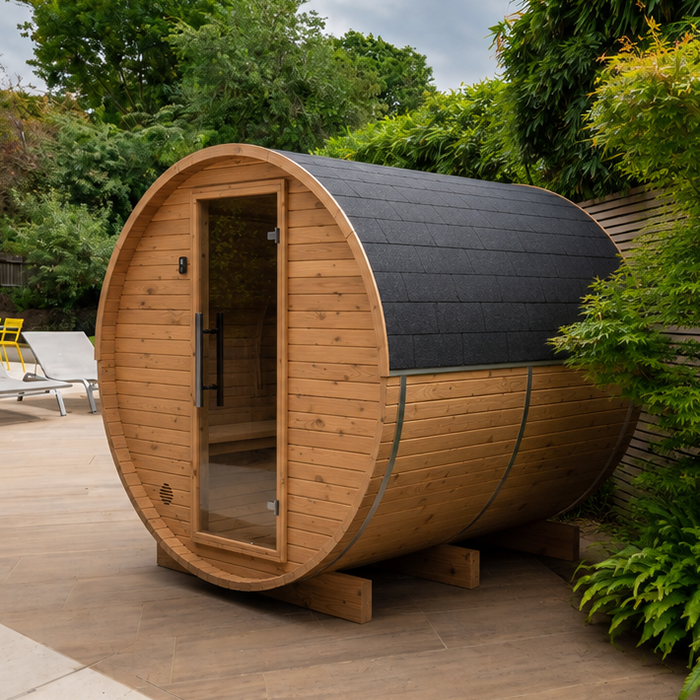
Once a cabin meets your space requirements, compare the construction details that are documented. Depending on the product, useful information may include timber specification and dimensions, how components are joined, floor and roof construction, finish and care instructions. Ask for the manufacturer’s drawings, specification or manual where available. Compare the same parts across offers; a detail about one component does not establish the quality of the entire cabin. This helps separate a verifiable difference from a general promise of a more substantial or longer-lasting product.
When reviewing the construction information for Sauna N-210, distinguish the published listing from any further documents you need to request. A useful quality comparison identifies the component, the specified difference and its relevance to ownership. If a quote describes an upgraded finish, for example, ask which surfaces receive it and what care instructions apply. If it describes different fittings, ask which fittings change and how they are maintained or replaced. Neither example establishes that an upgrade is available on this model; these are questions to use when a seller makes such a claim. Keep appearance, construction and maintenance in separate columns so an attractive finish does not stand in for evidence about the whole cabin. Where two specifications differ, avoid declaring one superior without understanding the practical consequence. An unexplained difference is a question to resolve, not a reason to spend more.
Choose comfort details you will notice
Think about the features that will shape an ordinary visit: bench form and levels, back support, lighting, ease of entry and access to controls. Preferences differ, so decide which details matter to you before comparing upgrades. A feature you will use every time may deserve more of the budget than an accessory that looks appealing but has little relevance to your routine. Check whether each item is part of the quoted configuration or an optional extra. Do not assume that two cabins with similar areas offer the same seating or fittings.
Use the LC-260 model details as a starting point for checking the comfort features of the quoted version, rather than assuming that everything pictured is included. Divide your preferences into essentials, worthwhile extras and details you can forgo. Someone who wants to stretch out might treat suitable bench dimensions as essential, while another buyer may place more importance on back support when seated. Describe the requirement precisely enough to check it against a drawing or specification. Where possible, inspect a comparable layout in person, while recognising that a different display model cannot confirm the dimensions of your order. For upgrades you might postpone, ask whether later fitting is possible and whether it would involve replacing existing parts. A deferred purchase is only a sensible saving if the eventual arrangement is compatible and affordable. This keeps the comfort budget focused on your priorities rather than the number of extras offered.
Compare the heater as part of the configuration
Include the heater in both the comfort comparison and the budget. Confirm whether one is included, which model and controls the offer covers, and whether the manufacturer documents that pairing for the exact cabin configuration. A sauna’s area by itself does not identify a suitable heater, and similar-looking packages may include different equipment. Ask for the relevant product information rather than assuming that a heater shown in an image is supplied. If you are comparing cabins without a selected heater, keep that unresolved item visible in your budget and shortlist.
For a candidate such as the Sauna HCF-300, record the heater as a separate line in your comparison, with its inclusion status, model, controls and any associated items specified in the quote. If the heater is not included, obtain a documented recommendation for the exact cabin version before comparing the complete package. Ask who supplies each component and which documents cover the combined configuration; this avoids a gap between a cabin offer and a separately sourced heater. Have electrical requirements reviewed by a qualified installer, without attempting to infer them from catalogue area. Also compare how the proposed controls would be used: where they are located, which functions are described and whether those functions matter to you. More elaborate controls are not automatically better value. The relevant question is whether the documented setup provides the operation you want within the same overall budget as the competing option.
Check the larger cabin against the site
A larger interior is only an advantage if the cabin fits the proposed location and can be reached. Compare external dimensions, the space needed for access and any requirements stated in the manufacturer’s instructions. Consider the route for delivery, including gates, turns and other restrictions that could affect how the product reaches its position. Also account for doors, nearby fixtures and space needed for routine access. These checks can rule out an option before you spend time weighing its extra room against a more detailed specification.
The N-250 catalogue entry lists 5.27 m², but a catalogue area is not a site plan or an external measurement. Obtain the exact dimensions and the manufacturer’s information on the required base and clearances for that configuration. Compare them with the usable space and access route at your location; do not estimate from a product photograph. If the larger option leaves no workable access or space around it, its extra interior may not translate into a better experience. Where the site requirements are unclear, ask an appropriate professional rather than guessing.
Make a like-for-like comparison
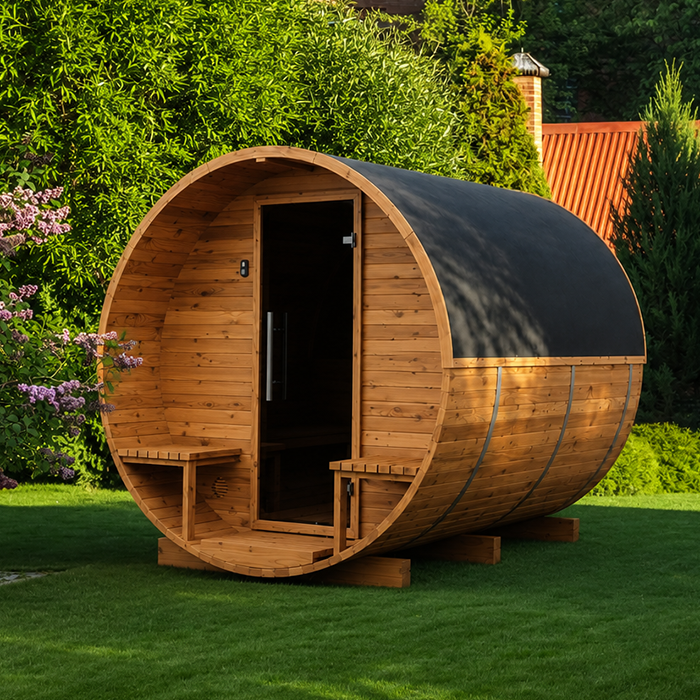
Put your shortlisted options in a simple comparison table. Include confirmed price for the exact configuration, what is included, the area measurement and its basis, internal layout, documented construction details, comfort features and any unresolved project requirements. Mark each point as confirmed, optional or unknown so gaps are easy to spot. Use current written quotes rather than remembered or assumed prices. This avoids comparing a cabin-only figure with a differently equipped package and makes it easier to see where the apparent price difference comes from.
When adding the HCF-225 specification to your shortlist, apply the same criteria used for every other candidate rather than assigning it a tier from its name or appearance. Eliminate options that fail a genuine non-negotiable before scoring desirable extras: a feature-rich cabin cannot compensate for an unsuitable seating arrangement. Then identify what each remaining option gains and gives up relative to the others. You can use personal scores, but keep the reasons beside them; a total alone can conceal one serious drawback beneath several minor benefits. Test the result by changing the importance of your two main preferences. If the preferred option changes immediately, the choice is finely balanced and deserves closer inspection of those details. If it remains preferred, you have a clearer basis for choosing. Do not score an unknown feature as either a benefit or a fault; resolve important gaps before making the final comparison.
Decide which compromise you can accept
Once you have compared the options, describe each trade-off in one plain sentence. For the compact cabin, state what room or seating flexibility you would lose and which documented features you would gain. For the larger cabin, state what the additional usable space would let you do and which details you would give up. Avoid vague summaries such as “better quality” or “more comfortable”; name the actual difference. Then consider whether the drawback would affect an ordinary visit or only an occasional situation. Less room for infrequent guests may be acceptable, whereas insufficient seating for the usual users would undermine the purchase. Equally, an omitted decorative detail may matter little, while losing a feature central to your routine could make the simpler specification frustrating. This final test helps distinguish a manageable compromise from a requirement you have been tempted to overlook.
If the Sauna HC-225 is among your candidates, apply that same trade-off test to its confirmed configuration rather than treating its catalogue position as a recommendation. Keep a short decision note with the chosen version, the reasons it suits you and the compromises you accept. Include any assumptions that still need confirmation before ordering, especially those that could change the layout or total cost. This is useful if a quotation is revised: you can see whether the revised offer still meets the reasons for choosing it. If no option satisfies both your minimum requirements and the budget, reconsider optional features, the intended group size or the purchase timing rather than disguising the shortfall. A compact choice should not depend on tolerating a layout that fails your needs, and a larger choice should not depend on ignoring necessary costs. Choose only when the complete proposal supports the trade-off you intended.
Frequently asked questions
Does “premium sauna” have a standard definition?
No. Sellers can use “premium” to describe different materials, finishes, fittings or equipment, and “basic” does not guarantee a particular construction standard. Ask for the exact specification and a written list of what is included or optional. Compare those details rather than relying on the label.
Can a sauna’s area tell me how many people will fit?
Not reliably. First establish what the area figure measures, then check the internal dimensions, bench layout and manufacturer’s stated seating capacity for the exact configuration. The number of people who can sit comfortably depends on the usable seating arrangement, not just the area.
Should I prioritise room size or build quality?
Set a minimum that suits the people who will use the sauna and the way they will sit. Then compare documented construction details among options that meet that minimum. Extra room is useful when the layout makes it usable; a claimed quality upgrade matters only when you can identify and verify what changes.
Is a larger sauna automatically more comfortable?
No. A larger cabin may give you more room, but its layout still needs to provide seating that suits your group. A smaller cabin may meet your needs if its usable space and comfort details work for you. Compare the drawings and configuration rather than assuming that area alone predicts comfort.
What if the advertised price leaves out options or site work?
Ask for a written breakdown of the exact configuration and what the offer covers. Keep confirmed costs, optional extras and items that still need a quote separate. Treat an unknown cost as unresolved, not as a saving. Where the project needs professional work, get advice based on the exact sauna and proposed site.
There is no need to pay for room you will not use or features that cannot be verified; equally, saving money is not worthwhile if the layout fails to serve the people who will use the sauna. Set your non-negotiables, check the complete configuration and compare usable room and documented details against the budget left after essential project allowances. A compact, well-specified cabin may suit you better when its verified features match your priorities. A larger, simpler cabin may be the better fit when its extra usable space has a clear purpose and its compromises are acceptable. The right choice is the one whose trade-offs you understand and can live with.
