
How to Compare Sauna Quotes on a Like-for-Like Basis
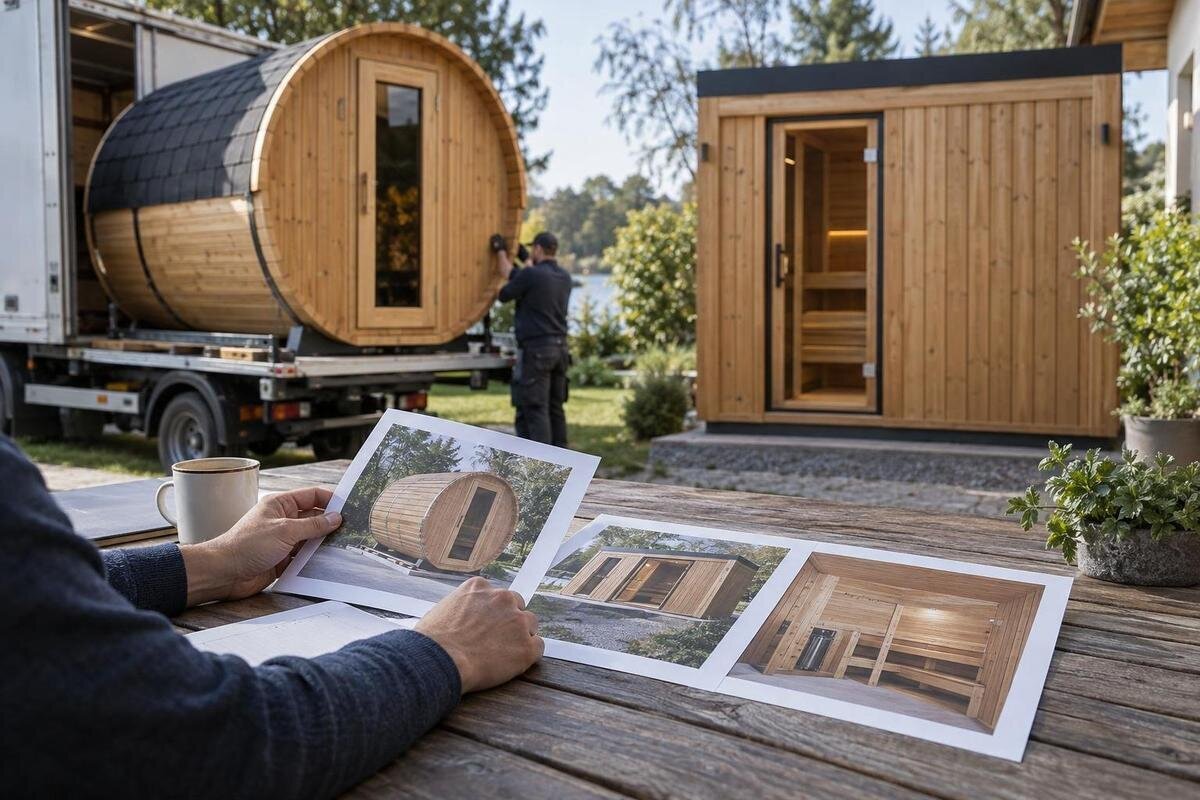
SAUNA QUOTE GUIDE
Two sauna quotations can look comparable because each names a barrel sauna, yet one may cover only the structure while another includes a heater, delivery or assembly. Put them on a shared basis before treating the lower total as better value. The practical method is to fix the exact model and configuration, list each included item, separate labour and site work, then account for exclusions and VAT consistently. Where a supplier has not confirmed a line, record it as unknown rather than assuming it is included. You will then have a transparent comparison and a focused list of questions to resolve.
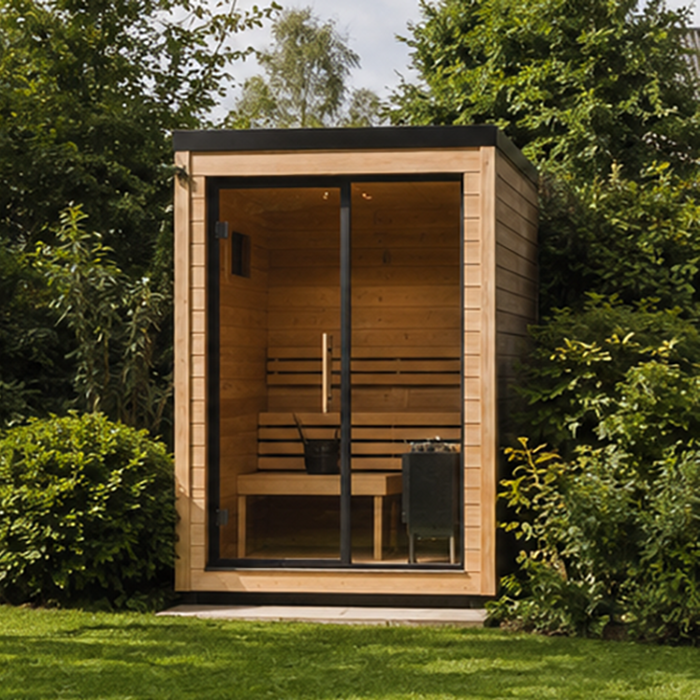
Set one reference configuration
Before opening the price columns, write one shared brief for the purchase: exact sauna model and version, chosen layout or drawing reference, heater and controls, selected extras, delivery address, and whether the request is for a kit, assembly or a completed installation. Mark each choice required, optional or undecided, and say whether associated site work belongs in the total. If anything is undecided, ask suppliers to price a clearly defined base version and show alternatives separately. A proposal for a different model or configuration can still be useful, but put it on a separate line rather than calling it the same sauna.
Record each quotation reference, date, stated validity, currency and VAT basis alongside the model name. The Sauna S-140 product listing, for example, identifies that model and lists 1.93 m². Record those details in your reference brief, then ask the supplier to identify the version and options covered by its price. Keep the product reference separate from the quotation reference so you can track revisions without confusing them with a model change. For important features, note whether your evidence is the quotation, an attached schedule or a drawing. If an alternative is proposed, state the difference and its price separately, and keep the reply with the revised quotation.
Match dimensions, layout and stated capacity
Use the same drawing or dimension schedule, not a broad description such as small, family size or roomy. Compare the stated external footprint with internal usable space, bench position and arrangement, door and window locations, and any space needed to operate the chosen layout. Distinguish the sauna’s dimensions from the space required around it at the planned location; ask the supplier to show which measurements refer to the product and which to site clearance. A listed area is only one figure: it does not establish overall dimensions, seating arrangement or capacity. If quotes give different figures, ask what each measures and which drawing it uses.
The Sauna HC-150 listing reports 2.97 m². If this model appears in your comparison, ask what that area measures and use the matching drawing to compare the layout. Have suppliers identify the same version and mark changes such as altered seating, openings, finishes or accessories on the proposal. Ask for the stated capacity and its basis rather than reading it from the area or model name. Record drawing references and revision dates beside the measurements so that figures from different versions are not inadvertently combined. If one seller cannot provide an equivalent configuration, compare it as an alternative and retain the mismatch in the table. Resolve differences between the quotation and current drawings or manuals before treating the packages as equal.
Itemise every supplied component
Ask for an itemised schedule of what physically arrives with the sauna, including quantities and product identifiers where relevant. The quotation should say whether the price covers a complete structure or only named parts, and mark components such as the floor, roof, door, benches, fixings and finishing materials as included, excluded or not applicable. These are prompts for the supplier, not assumptions about a standard package. A line labelled sauna kit is too vague if another quote breaks out several components or leaves them to be bought separately. Ask whether items need a separate purchase and retain the answer against the correct configuration.
For a quotation naming Sauna HC-225, request a component schedule for the exact version and configuration, with accessories separated from the base package. Record quantities, item names and whether each is included, priced as an option or supplied by you; for bought-in equipment, note make and model where relevant. Cross-reference the schedule to the quotation so that a later revision cannot silently change the contents you compared. Where an item appears in a photograph but not in the written schedule, ask whether it is supplied rather than adding it to your included column. If a component is described as necessary but has no price or named source, mark the total unresolved.
Compare the heater and controls separately
Give the heater package its own comparison rows. Record whether a heater is included, then its exact make and model, the controller and any other equipment named by the seller, such as stones or a guard. Do not treat the word heater as a complete specification: ask what the amount supplies and whether controls or associated parts are separate. If suppliers name different heaters, ask each to confirm that its proposed equipment is intended for the exact sauna configuration and identify the documents used. For an offer based on Sauna N-210, keep the sauna model and heater model in separate fields so any equipment substitution remains visible.
Keep equipment supply separate from electrical work. Ask whether the quotation covers only the heater unit or also supply, connection, related labour and materials, and identify who is responsible for each excluded task. Do not compare an equipment-only price with an offer that includes an electrician’s work as if both cover the same scope. Before purchase, have a suitably qualified electrician check the selected heater’s stated requirements against the proposed site and confirm what their quotation covers. If the heater changes, request an updated assessment rather than assuming an earlier allowance still applies.
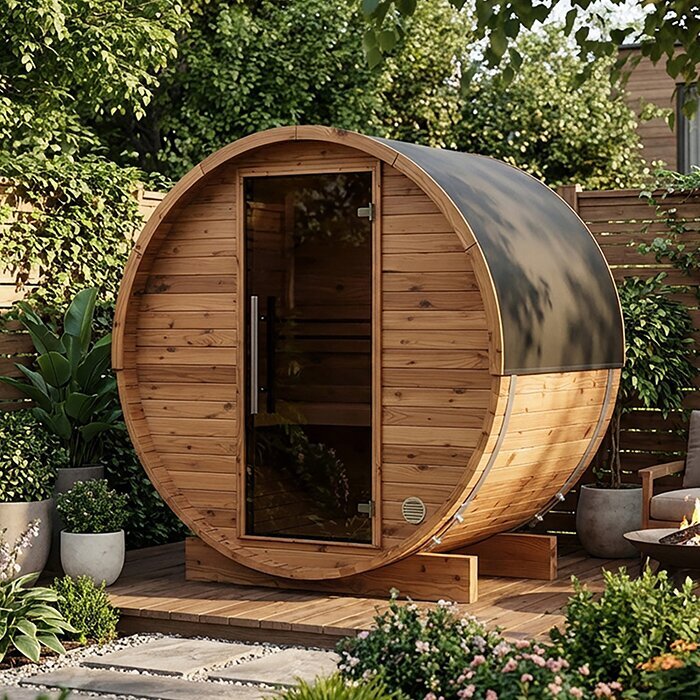
Separate assembly from installation work
Separate supply of the kit from on-site assembly and from any broader installation service. Ask for a task-by-task description: who assembles the components, positions the sauna, provides labour and materials, completes agreed finishing, and clears packaging. Treat phrases such as fully installed as prompts for clarification, not as line-by-line scope. When requesting assembly of Sauna N-250, give the installer the model reference and the supplier’s configuration documents. Ask them to identify which documents their price is based on and whether the work is a fixed price or an estimate. This makes it easier to see whether two assembly prices cover the same tasks.
Compare where the installer’s responsibility ends: does the work stop after assembly, or include specified checks and handover? Ask what preparation must already be complete, who coordinates with other trades, and how a configuration change affects the work price. Check the scope against the relevant current manufacturer instructions and the actual site. Where construction details need assessment, obtain advice from an appropriately qualified professional instead of inferring a solution from the headline quotation. Put every task outside the installer’s scope in its own row, with a named owner and a price or pending status.
Define delivery and unloading
Compare delivery by the point at which the supplier’s responsibility ends. Ask whether the price covers transport to the address, unloading, moving the goods to the agreed location and any equipment or labour needed for that handover. Delivery included is not precise enough if one offer ends at the kerb and another includes unloading; write the endpoint on each quotation. For a delivery quotation covering Sauna LC-260, request the package dimensions, weights and number of packages from the supplier. Do not use the sauna’s listed area as a substitute for transport information. Confirm which delivery arrangements the price assumes before comparing it with another offer.
Give every supplier the same delivery address and a concise description of access and the intended drop-off point. Ask them to identify assumptions, exclusions and what happens if the agreed delivery point cannot be reached. Confirm whether packaging is removed or left on site if that matters to your plans. If a delivery line is conditional, record what could change it and who will confirm the position before dispatch. Do not insert an unverified amount into the comparison; mark it pending and obtain a written figure. This keeps a transport-only price distinct from one that includes a more complete handover.
Account for site preparation and other trades
List work outside the sauna package that may be needed for your site, without assuming every project needs the same tasks. Depending on the agreed design and site assessment, relevant lines may include base preparation, electrical work, drainage or external finishing. For each, record whether the sauna supplier includes it, another contractor prices it, you are expected to arrange it, or it remains unconfirmed. If your selected model is Sauna HCF-300, give outside contractors the relevant supplier drawings and requirements rather than just the model name. Ask them to identify the documents and site information used in their estimates. Keep responsibilities explicit and check for tasks that appear in more than one quote.
Ask what site-readiness assumptions underpin the installation price: what must already be completed, who checks it, and which trades are responsible for remaining work. Request separate written estimates from appropriate professionals where the sauna supplier excludes a task, and do not count an allowance as a confirmed quotation. For electrical requirements, have a qualified electrician assess the selected heater and installation conditions; for ground or building work, use an appropriately qualified professional. Record who coordinates the work and when it needs to be complete, so a low product total does not conceal an unpriced dependency.
Make exclusions and optional extras visible
Read exclusions alongside inclusions. Ask suppliers to state what they do not supply or undertake, including any parts, labour, preparation or follow-up work they have excluded. Give each line one status: included, excluded, optional, not applicable or unconfirmed. A blank line is not evidence that an item is included, and a provisional allowance is not the same as a fixed, itemised price. When comparing proposals for Sauna HCF-225, attach the exclusions to each supplier’s quotation reference, not just to the shared model name. This preserves differences between offers for the same product. Do not mark something not applicable just because the seller has left it out: ask whether it is unnecessary or excluded.
Put optional extras in a separate column so they do not inflate one quotation but disappear from another. For each, state whether it is selected, its quantity or specification, its price and whether it replaces or adds to an included item. Then identify exclusions that are necessary for your agreed brief and obtain prices before comparing totals; leave genuinely discretionary items outside the core comparison. Ask the supplier to clarify wording such as by others, subject to survey or customer to arrange. Record who is expected to arrange the work, not just the fact that it is absent from the seller’s price.
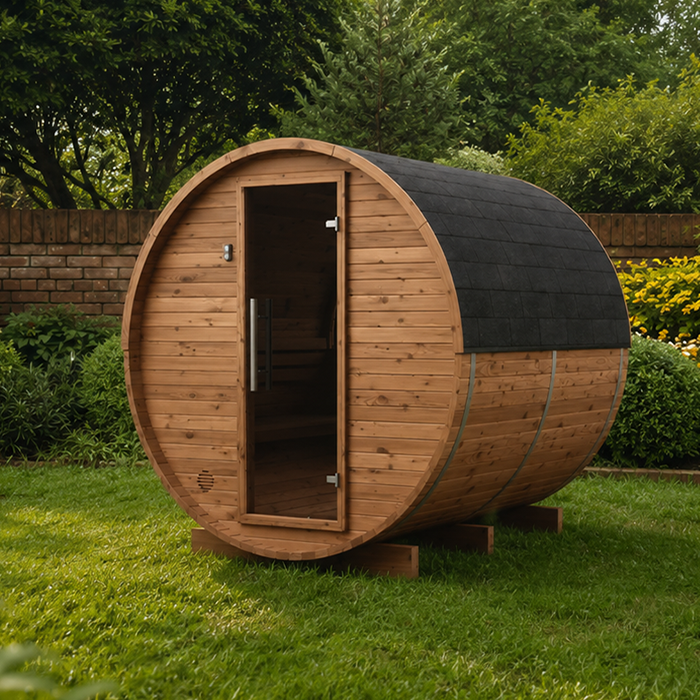
Normalise prices and VAT on one basis
Build a normalised total from the same categories for every offer: sauna configuration, supplied equipment, delivery and unloading, assembly, site work and electrical work where applicable, plus VAT on a consistent basis. Ask each supplier whether its amount includes VAT and compare totals either inclusive or exclusive; do not mix the two. Show optional extras separately, and avoid adding them to only one proposal. A comparison sheet can have columns for item, supplier, status, amount and confirmation source. Include outside contractors’ prices once, not both in an installation allowance and as a separate charge. The aim is to expose what the headline figure leaves out, not invent a final price for unquoted work.
Keep firm prices distinct from estimates, provisional allowances and items marked subject to survey. Record stated assumptions, payment stages and validity periods because quotations can rest on different conditions. If a supplier cannot price a task yet, show it as pending rather than using zero or borrowing another seller’s figure. Ask what information would turn it into a firm line and whether an updated quotation will be issued. Keep payment timing separate from the scope and total price. You can then compare confirmed amounts while showing unresolved work clearly instead of presenting an incomplete sum as an exact saving.
Resolve gaps in writing before choosing
Send each supplier the same short list of discrepancies. Quote the reference and revision, then ask for confirmation of each inclusion, a price for each exclusion you need, and an explanation of any alternative model or assumption. Request the matching drawing or schedule where a dimension, layout or component is disputed. Ask for revised paperwork rather than relying on a verbal assurance, and update the comparison against the new version. A concise clarification log—question, supplier response, date and supporting document—helps prevent an earlier email or superseded figure being mistaken for the final scope.
Once the answers are in, compare the same agreed configuration and work boundary, then review corrected totals alongside the remaining differences. If one proposal is cheaper because it excludes a task, show that exclusion and its unpriced or separately quoted amount plainly; if configurations differ, keep them as alternatives rather than declaring a like-for-like winner. Check that the quotation you intend to accept names the selected model, included items, delivery and installation boundaries, VAT basis and remaining assumptions. Keep the accepted version and written clarifications together as a clear record of what you chose.
Frequently asked questions
Which details must match before I compare two sauna quotes?
Match the model and version, drawing or layout, heater and controls, selected extras, and the boundaries for delivery, assembly, site work and electrical work. Align the currency and VAT basis too. If a supplier proposes a different configuration, list it as an alternative rather than folding it into the same comparison.
Does a sauna quotation include the heater?
Do not assume that it does from the model name or a package label. Ask whether the exact heater and controls are included, which associated items are supplied, and whether connection work is separate. Have a suitably qualified electrician confirm what electrical work is needed and what their quotation covers.
How should I treat an item marked TBC or subject to survey?
Mark it as unconfirmed rather than assuming it is included, excluded or free. Ask what information or assessment is needed, what work the line covers, and whether the supplier can issue a firm price afterwards. Keep it separate from confirmed prices until you receive an answer.
Are the stated area or dimensions enough to compare sauna models?
No. Ask for the drawing and clarify what each measurement describes. Compare the actual layout, internal and external dimensions, bench arrangement and any stated capacity. Do not infer a matching configuration or capacity from an area figure or a similar model name.
Should I compare quotations including VAT?
Use the same basis for every quotation. Ask each supplier whether VAT is included, then compare totals consistently as either VAT-inclusive or VAT-exclusive. Keep optional extras and unconfirmed work separate so that they do not appear in only one supplier’s total.
Two quotations become comparable only when both describe the same sauna configuration and make the same boundaries clear: what arrives, what is installed, which site tasks or trades remain, and how VAT is treated. A cheaper alternative may still suit your plans, but its differences should be visible rather than hidden in an unexplained total. Keep unknown lines open until confirmed; do not count them as included or cost-free. Once each supplier has answered the same questions, you can weigh the corrected totals against the scope you actually want without guessing what either figure contains.
