
Electric or Wood-Fired Sauna: Which Suits Your Routine?
SAUNA HEATING GUIDE
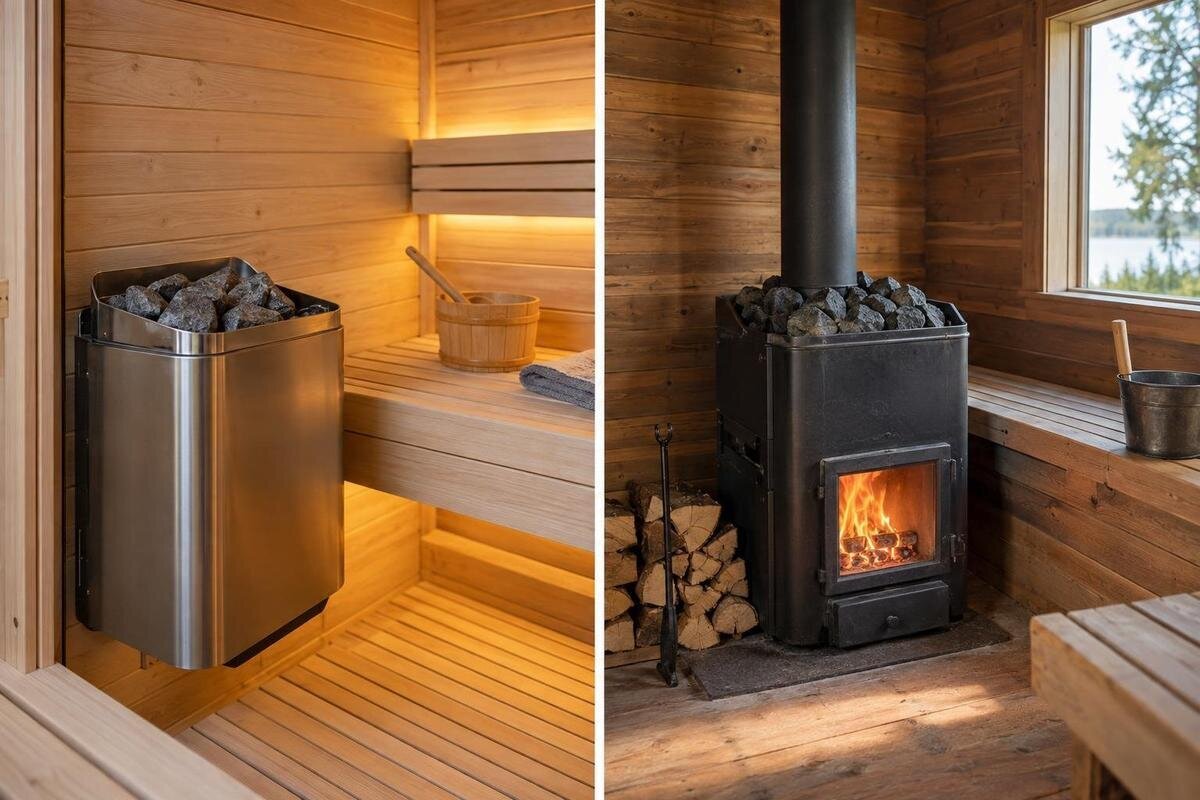
Choosing between an electric and a wood-fired sauna also means choosing the jobs that surround each visit. Electric heating usually lets you start with the controls once the supply and installation are ready; a wood-fired stove asks you to organise fuel, light the fire and tend it as needed. Afterwards, the cabin still needs care, while wood-fired heating adds ash removal and stove and flue maintenance. The better fit depends on whether you value a repeatable start with fewer hands-on tasks or enjoy making fire preparation part of the occasion—and on what your site can support.
Preparation before the sauna is warm
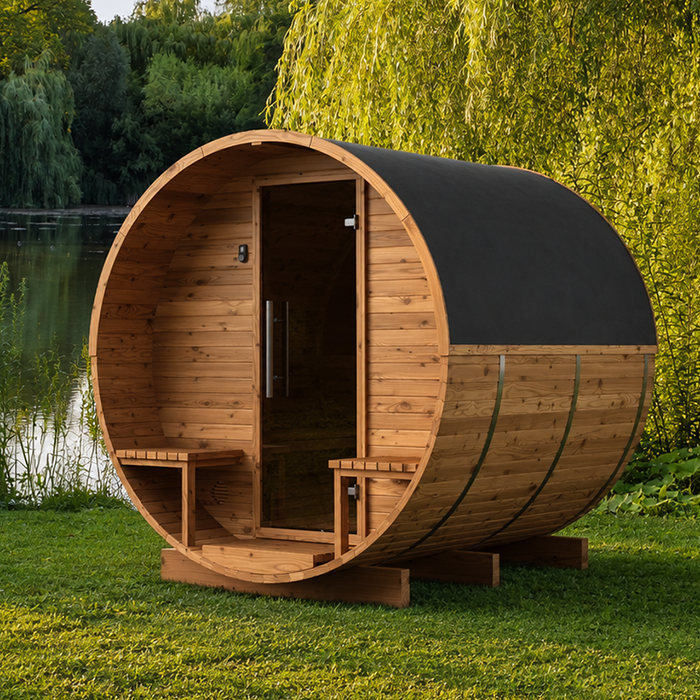
The first difference appears before anyone enters the cabin. With an electric heater, the usual sequence is to make the sauna ready, set the heater using its controls and instructions, then allow the room to warm. Preheating still takes time: switching on is not the same as being ready, and the wait depends on the particular cabin, heater and starting conditions. What disappears is the need to arrange and light a fire. If you like deciding on a sauna, starting the controls and using the waiting period for other preparations, this can be a simpler, repeatable lead-in. It remains a planned routine rather than an instant one, so include warm-up time when you picture a normal evening.
Wood-fired use puts more deliberate tasks into the lead-in. The fuel specified for the stove needs to be available, the fire has to be lit, and someone must keep track of it while the sauna warms. The time involved varies with the stove, fuel and conditions, so a general claim about one system heating faster is not a sound basis for choosing. Some people enjoy the hands-on start and naturally allow time for it; others find the same jobs awkward when plans are short notice or the evening is already busy. Both systems need a warm-up period and a clean cabin. The difference is whether fire preparation feels like part of the occasion or an extra chore.
Starting an electric sauna with the controls
Electric heating can make a regular start easier to repeat. Once the installation and settings are sorted, a typical visit involves checking the cabin, using the controls and allowing time for the heater to work. Some systems have timers or additional control features; others are simpler, so don’t assume that every electric model offers the same functions. If starting the heater in advance is important to you, check whether the specific system allows the kind of scheduled start you want and what its instructions say about using it. Make sure everyone who may use the sauna understands the controls. A familiar sequence can reduce the effort of arranging a session, but it doesn’t remove the need to follow the manual.
The controls deserve attention when you compare packages, because they are the part you’ll use each time. When reviewing the Sauna HCF-300 listing, ask which heater and controller are offered, whether the controller is included, and how its everyday settings work. Request the operating instructions so you can distinguish a simple manual start from any supported timer function. Consider whether the display and controls would be easy for the intended users to read and reach in the proposed installation. Separately, a qualified electrician or sauna installer should confirm the supply requirements. An easy-to-use controller is useful only once the heater and installation are suitable for the cabin.
Wood-fired heating adds hands-on preparation
A wood-fired routine begins with having the right fuel to hand, not with a control panel. Keep the type of wood specified for the stove available and dry, and think about the effort of carrying it to the sauna and replenishing the supply. Starting means laying and lighting the fire as the manual describes, then allowing the stove and room to warm. You may need to tend the fire during that period rather than leaving the cabin to heat without attention. Damp fuel, weather and the time since the last use can all affect the experience. Build some flexibility into your plans instead of relying on a precise warm-up estimate.
This can suit someone who enjoys the preparation and has a practical place for fuel, but it places more steps on the person getting the sauna ready. Before choosing, consider the whole start-up sequence: fetching wood, preparing the stove, lighting it and returning to check progress. For a cabin such as the Sauna HCF-225, ask whether a wood-fired configuration is offered and request the instructions for the proposed stove. Use those instructions to understand what preparation involves rather than assuming all stoves are alike. If one person normally does these jobs, consider whether they would still welcome them after work or in poor weather, not just on a leisurely weekend.
How much attention does each heater need during a session?
An electric heater doesn’t require you to maintain a fire, which can make it easier to keep to a predictable pattern once the cabin is warm. Control options and operating requirements differ by model, however, and electric shouldn’t be read as permission to leave a heater running in any way you choose. Follow the manufacturer’s instructions about operation, adjustments, supervision and switching off. If you’re likely to be interrupted, understand the correct way to pause or stop the particular unit before using it. Less fire-tending is a practical difference, not a reason to ignore the appliance or its instructions.
A wood-fired stove requires someone to understand its operation and take responsibility for the fire. That may suit a relaxed evening when tending is welcome, but it can compete with conversation, childcare, cooking or other tasks. Consider interruptions as well as an uninterrupted session: if you have to change your plans after lighting the stove, you need to know the procedure in its manual. When enquiring about the Sauna S-140, request the operating guidance for whichever heater is proposed. Look for what it says about tending, supervision and finishing use. This gives you a more useful comparison of the attention required than the cabin’s size or appearance.
Cleaning after an electric or wood-fired session
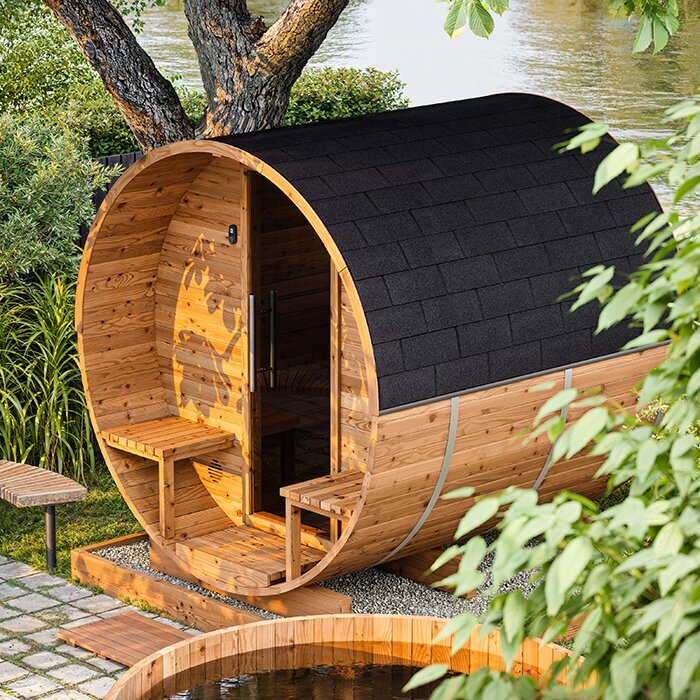
Electric heating avoids ash removal, but it doesn’t make the cabin self-cleaning. Wipe down benches and other surfaces as directed, leave the room in the condition recommended by its maker, and keep up with the heater’s specified care. If it uses stones, follow that model’s instructions for their inspection and maintenance; requirements vary between heaters. Regular use still means cleaning the cabin and leaving it ready for the next person. It helps to decide which tasks belong after each session and which are periodic, so routine care doesn’t become an occasional, larger job.
With a wood-fired stove, add ash removal and stove-related checks to ordinary cabin cleaning. Follow its instructions on when residue is safe to handle and how it should be removed and disposed of. Stove and flue care may also require a suitable specialist. When reviewing the Sauna HC-150 listing, ask for the care documents for the proposed heater and distinguish tasks after each use from periodic maintenance. Check what access those tasks need in the planned layout, including access for professional servicing where applicable. This helps you judge the work realistically: cleaning the benches and arranging flue maintenance are separate responsibilities, even though both contribute to keeping the sauna ready for use.
Wood storage versus electrical supply
Fuel storage takes up space and creates a recurring job, even if you enjoy using a wood-fired sauna. You need a suitable dry place, enough fuel on hand, and a practical way to carry it to the stove and replenish the supply. Think about wet weather, dirt and how often you’ll be moving wood; follow the stove maker’s guidance on storage and clearances rather than assuming any convenient spot is suitable. Keeping supplies outside the cabin may help preserve room inside, but make sure the storage arrangement is workable enough that gathering fuel doesn’t turn every session into an errand.
Electric heating removes the need to store firewood, but it relies on an electrical supply and installation suited to the selected heater. Have a qualified professional assess the requirements rather than trying to work them out from a sales description. If you’re considering the Sauna HC-225, ask for the proposed heater specification and clarify which parts of the electrical installation are outside the product package. That separates buying the cabin from arranging the service it needs. For wood-fired heating, make the equivalent distinction between the supplied equipment and the planned stove and flue installation. Neither option becomes practical simply because its fuel source is available; the complete arrangement must suit the site.
How often you use the sauna changes the balance
If you expect to use the sauna several times in a normal week, a consistent electric start may be especially attractive. The controls and preheating can become familiar, without setting aside time to build a fire. This is a judgement about convenience, not a claim that electric heating is cheaper or always quicker. The cabin still needs enough time to warm, and a timer or preset is useful only if the selected unit has that feature. Compare your real schedule: do you plan sessions in advance, or decide after work with a short window? Your answer may say more about routine fit than the broad label of daily use.
Wood-fired heating can suit frequent use if you’re content to organise fuel and attend to the fire each time; regular use doesn’t rule it out. The extra tasks may feel worthwhile when managing a fire is part of what you look forward to. Consider the cumulative workload, though: a small job repeated several times a week can matter more than an occasional larger one. When comparing the Sauna N-210 listing with your plans, ask for the care schedule for the proposed heater. Use it to distinguish maintenance based on use from checks at stated intervals. For occasional sessions, the more important question may be whether you will keep supplies ready between visits.
Sharing the heater routine at home
In a shared household, the most practical heater is often one whose routine everyone can follow consistently. Agree who checks the cabin, who starts the heater and who shuts it down; make the controls and instructions accessible to the people who use the sauna. With electric heating, ensure anyone using a timer or other setting understands the intended process. If sessions happen at different times, check whether the particular control system supports any advance start you want. Don’t rely on one person’s memory for a task that other users also need to manage.
A wood-fired routine usually gives the person tending the fire more responsibility. If that person is unavailable, another user needs to understand the stove instructions, or the session may need to be planned differently. Sharing the work also means agreeing who replenishes fuel and who handles the cleaning afterwards, rather than leaving both jobs to whoever notices first. When considering the Sauna N-250, request the layout drawing and operating documents for the proposed equipment. Review them with the people who will actually use it. The aim is not to make everyone an installer, but to establish whether more than one household member can confidently follow the normal operating routine.
Matching the cabin to its heater
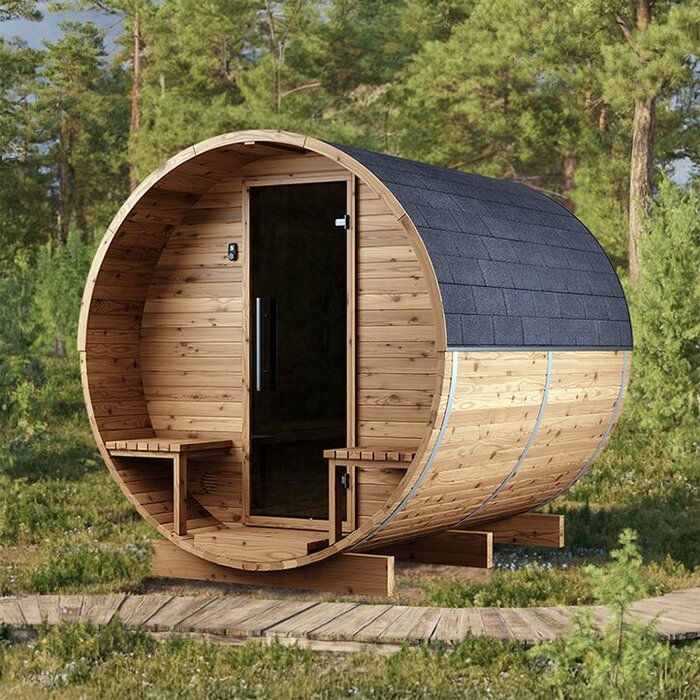
Choose the heater and cabin as one specification. The heater must be selected for the exact sauna model and construction using the manufacturer’s guidance; a catalogue area alone isn’t enough to establish suitability. For the Sauna LC-260 product listing, request a written specification identifying the proposed heater, whether it is included or optional, the controls and any other supplied components. Ask which manuals and drawings apply to that configuration, rather than collecting documents for a similar-looking model. Keep the specification with your order so the seller, installer and household users can refer to the same equipment details. This is particularly useful if you are comparing quotations that include different heater packages.
Site work is part of the same choice. An electric heater needs an appropriate supply and an installation assessed for that unit; a wood-fired stove needs its flue and clearances addressed in line with its documentation. Ventilation, placement and other design requirements also belong to the manufacturer’s instructions and a qualified installer, not guesswork based on a general guide. Ask the seller or maker for current manuals and drawings, then have the relevant professional confirm the installation before settling on a heater. This doesn’t decide which routine you prefer; it helps ensure that the cabin, heater and site can work together.
Recurring jobs to compare before buying
Compare the recurring workload separately from the one-off work needed to get the sauna installed. A supply assessment or installation appointment may affect the purchase, but it is not a task you repeat before every session. For the ongoing routine, note which jobs need your attention while the sauna warms, which can be done at another time, and which require an outside specialist. Give each job an owner and a realistic place in the household schedule. Include the less appealing parts as well as the start-up: clearing up after a late session or replenishing supplies still matters. This makes the comparison about how you will use the sauna, rather than simply counting tasks.
Test that list against an ordinary weekday, not just an ideal weekend. Would you still enjoy preparing a fire when you’re short on time? Is there a straightforward way to meet the selected electric heater’s requirements? Who takes responsibility if the usual user is unavailable, and what does the manual say to do if a session is cancelled after start-up? Check the exact product configuration and arrange qualified advice on installation where needed. Electric may suit you better if reducing hands-on preparation matters most and the site can support it; wood-fired may fit if fuel, tending and clean-up are acceptable parts of the occasion. Either can work for regular use when its recurring tasks fit your life.
Frequently asked questions
Which sauna heater is easier to use on a regular weekday?
If you want a repeatable start with fewer hands-on tasks, electric heating is often easier to fit around a busy schedule. It still needs preheating and a suitable installation. Wood-fired heating can work just as regularly if you have time for fuel preparation, tending and clean-up.
Does an electric sauna heat up immediately?
No. The heater and cabin need time to warm, and the wait depends on the particular model, cabin and starting conditions. Plan around the manufacturer’s instructions. If you want a timer or scheduled start, check that the selected heater has that function.
Does a wood-fired sauna need attention after the fire is lit?
Someone needs to understand and follow the stove’s operating instructions, including any tending it requires. The level of attention depends on the stove and conditions, so don’t assume the fire can be left to manage itself.
Is an electric sauna maintenance-free?
No. Electric heating avoids firewood storage and ash removal, but the cabin still needs cleaning and the heater needs the care specified in its manual. A wood-fired setup adds stove, ash and flue-related tasks.
Can I choose a heater based on the sauna’s listed area alone?
No. Confirm the heater model and compatibility using the manufacturer’s guidance for the exact cabin and configuration. Check the installation requirements with an appropriately qualified professional; an area figure alone doesn’t establish suitability.
Choose the heater whose preparation and aftercare you’ll still be happy to manage once the novelty wears off. Electric usually reduces the daily handling of fuel and fire; wood-fired heating makes those jobs part of each use and needs storage and stove care. Confirm what comes with the exact sauna, read its manuals and make sure a qualified professional can support the chosen installation. Then picture an ordinary weekday and decide which routine you’d genuinely like to repeat.
