
Garden House, Summer House or Log Cabin: What Do the Names Mean?
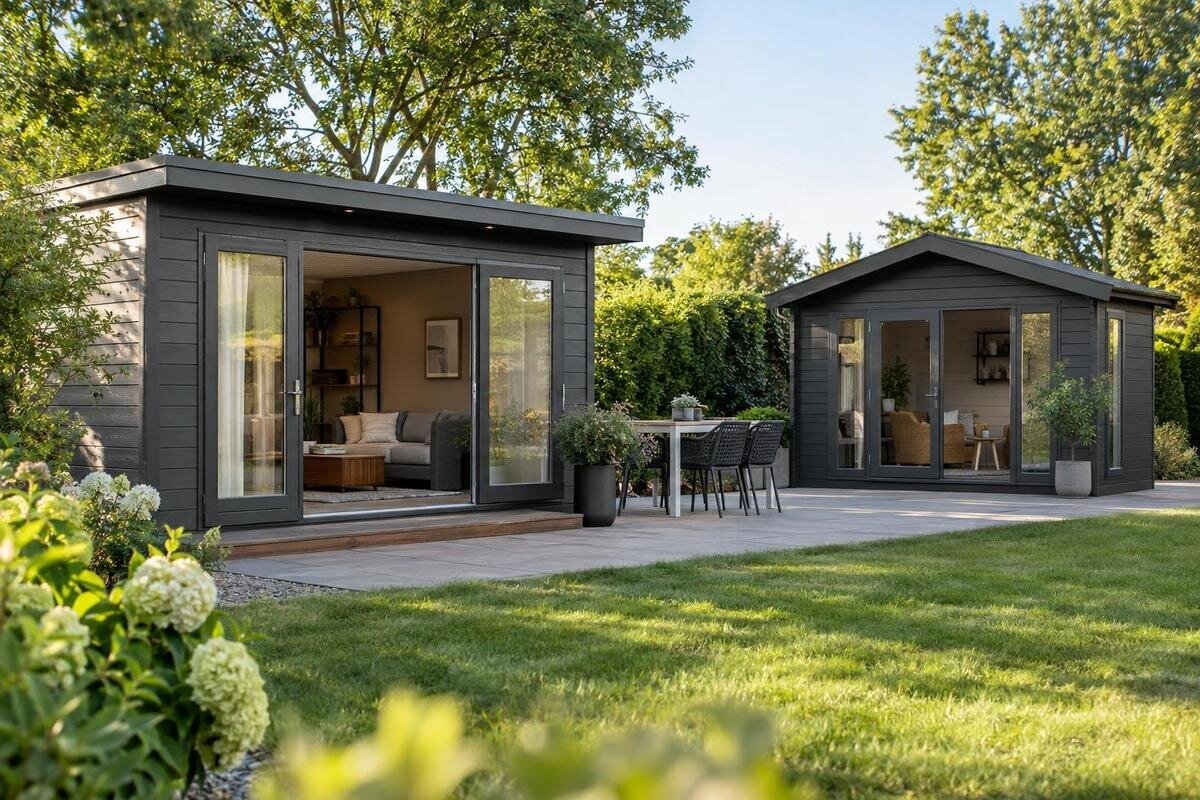
Garden house terminology
Garden house, summer house and log cabin are overlapping names, not three reliably separate technical categories. Garden house is often the broadest label; summer house points towards leisure use; log cabin suggests a cabin-like form or a log-style wall construction. Sellers may use the terms differently, so a title cannot confirm how a building is made, what comes with it or whether it suits your plans. Use the wording to find candidates, then compare the model-specific description, drawings, dimensions, inclusions and ordering information before you decide.
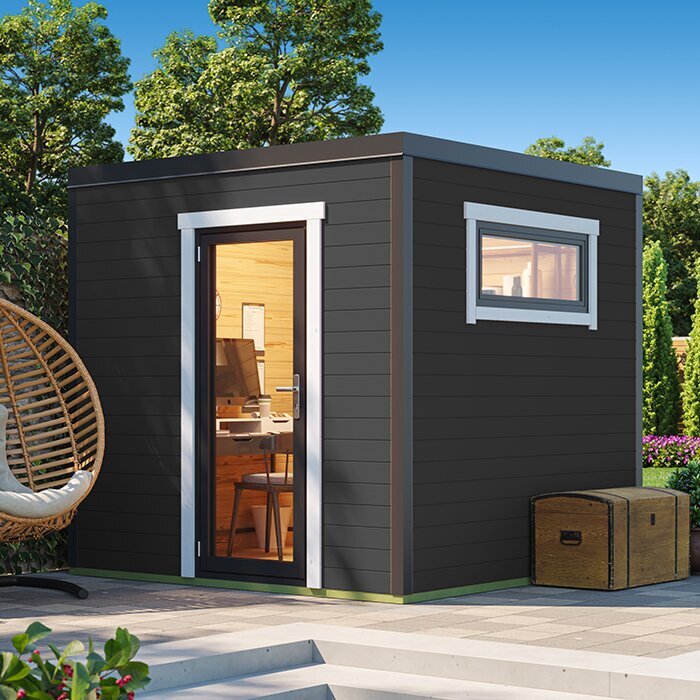
Why the names overlap
These names describe overlapping aspects of a garden building, rather than three reliably separate technical classes. Garden house identifies the broad setting and is often used as an umbrella term. Summer house puts more emphasis on time spent in the building, while log cabin is more suggestive of a cabin-like form or log-style construction. A product title may combine two labels, and the same general kind of building may appear under different headings on different websites. You may also see summerhouse written as one word. These variations help with searching, but do not establish that every retailer's category has a universal definition.
That overlap makes it risky to compare products by category name alone. One seller may group a model under Summer Houses, while another may describe a similar garden building as a garden house or cabin. The wording does not, by itself, show a different build standard, season of use, quality or package contents. Treat a label as a clue for finding candidate listings, then use the description, drawings and ordering notes to establish what is offered for the exact model. If a detail is missing, keep it on your question list rather than filling the gap from a photograph or a familiar word.
What garden house usually means
In product descriptions, garden house is usually a broad, relatively neutral name for a garden building. It says less about the intended activity than summer house and less about the wall system than log cabin. The label can cover different sizes, layouts and styles, so it helps you find the general type of product but cannot tell you whether the space is intended for occasional relaxing, a hobby or some other use. It is not a judgement on quality or a promise that every model suits every purpose. Look for a stated purpose and layout instead of assuming similar names mean identical buildings.
When a listing uses garden house, check the plan and dimensions, noting whether measurements describe the outside or usable interior. Confirm the position of doors and windows, and whether a floor, roof covering, finish or other item is included; the category wording does not settle those details. A product name such as garden house Verdana 1 listing helps identify a particular page, but the exact specification and selected options explain what is included. If the drawing and written description seem inconsistent, ask which information applies to the model and variant you intend to order.
What the summer house label suggests
Summer house usually conveys a place for leisure in the garden: somewhere to sit, read, pursue a hobby or spend time outdoors while sheltered. It is a cue about intended use, not a promise that the building can only be used in summer or will be comfortable through every season. The words do not establish insulation, glazing performance, heating provision, ventilation, weather protection or any specific standard. If you hope to use the room during cooler or wetter periods, look for explicit information about its construction and intended use. The seasonal-sounding name cannot answer those questions or serve as a performance claim.
The spelling may appear as summer house or summerhouse, and a category heading can differ from the wording in an individual model title. A listing such as garden house Verdana 2 listing should be read for its own design and features, not classified solely by its name. Write down what the space needs to do: how many people may use it, what furniture must fit, whether you want daylight or more privacy, and whether your activity calls for specific ventilation or other documented features. Compare each page with that list, and note when an important requirement is not addressed.
What the term log cabin can mean
Of the three phrases, log cabin is the one most likely to make a buyer think about construction style or a cabin-like appearance, although sellers do not all use it in exactly the same way. In ordinary usage it may suggest timber walls made from interlocking or stacked log-like sections, or the look associated with that construction. A seller may also use cabin loosely for the overall form of a small garden building. The phrase alone does not confirm whether the walls are solid logs, a particular profile or a named assembly system, and it says nothing definite about insulation, finish or durability. Those are separate specification questions.
If a building is described as a log cabin, look for a drawing or written explanation of how the wall sections meet, what dimensions are given, how openings are arranged and what the package includes. A title such as Durano wooden garden house is still a listing name; the word wooden does not, by itself, establish a log-cabin wall system. Likewise, a cabin-like appearance does not prove how a building is intended to perform. If construction matters to your decision, compare the model documentation rather than relying on a label or a general description such as timber.
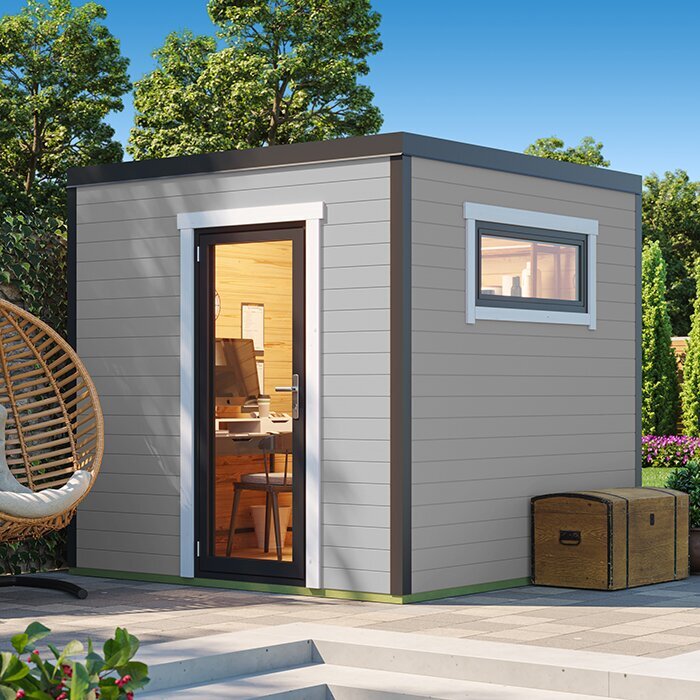
What a product name cannot confirm
None of the three names settles the questions that most affect a purchase. A title alone does not confirm external dimensions, usable internal area, wall construction, timber type, glazing, roof finish, floor inclusion, surface treatment, assembly method or the parts supplied. A photograph may help you understand the general appearance, but it cannot replace measurements or an itemised description. Similar wording can be used for products with different specifications, so do not transfer an answer from one page to another. Treat each feature as unknown until the information for the exact model states it clearly.
Make a comparison record with the same fields for every candidate: dimensions, construction, openings, included components, optional extras, assembly requirements and care instructions. Separate stated facts from unanswered questions rather than filling gaps with assumptions. The Veltor 1 listing is one page you can examine in that way, just as you would any other candidate; its model name does not itself confirm a particular feature. If a diagram is supplied without an explanation you need, seek clarification. Recording the answer against that model makes it easier to compare like with like.
Match the building to its intended use
Choosing between labels becomes easier once you state what the building needs to do. For occasional sitting, reading or a hobby, think about the kind of space and layout you want, not just whether the page says summer house. If you intend to use it as a work space, list the practical requirements of that activity: room for a desk and chair, a suitable arrangement for light and privacy, and any services or performance features your plans require. A garden-house name does not mean that a product is equipped for work. Keep the intended use specific enough to test against written product information.
Turn those needs into questions that can be answered from a plan or specification. Will the furniture fit without blocking access? Are the doors and windows where you need them? Do the stated dimensions describe the space you care about? Are desired features included, optional or absent? If you are weighing up a page such as the Orello 1 garden house listing, use the same questions rather than inferring its layout from the model name. Where your plan depends on a detail the page does not state, a visual resemblance to another model is not proof that the layouts match.
Compare construction details and inclusions
Once you have a shortlist, compare construction details rather than asking which name sounds more substantial. Check what material and wall construction are stated, whether measurements describe external or internal size, what glazing and door arrangement are shown, and which items are included in the basic package. Look separately for optional upgrades, surface treatments and components to source elsewhere. Do not compare one listing's headline with another listing's detailed specification and assume the information is equivalent. Mark each field as stated, unclear or not supplied; that distinction keeps a marketing phrase from being mistaken for a product fact.
An itemised specification, model drawing and assembly guidance can help you tell what is included from what is optional or shown for illustration. Confirm that the documents apply to the exact version you are considering, especially if the product page offers choices or variants. The Modano 1 listing can be treated as one candidate in a side-by-side review, without assuming anything about its features from the name. If the information does not resolve a point that affects your plan, request clarification and keep it with the model details. Recheck the record if you change version, since one option's information may not answer questions about another.
Delivery and assembly are separate questions
A name cannot tell you how a building reaches your garden or who is responsible for assembly. Before ordering, establish the stated delivery arrangement, unloading responsibility, package dimensions where provided and any access conditions listed by the seller. Check the route through gates and along paths, including turns and narrow sections, against that information. Consider whether the delivery and assembly approach described can work at your address; do not assume that a product marketed as compact or cabin-like will pass through a restricted route. The package details, not the category name, matter for access.
Read delivery and assembly terms separately from the description of the building itself. Check whether assembly is included or yours to arrange, what assistance or equipment is expected, and which tasks remain your responsibility; ask the seller or an installer to explain unclear wording. If a building professional is needed, agree the scope and responsibilities before placing the order. For a product page such as the Veltor 2 listing, use the model title only to identify the item, then look for its own delivery and assembly information rather than extrapolating from another listing with a related name.
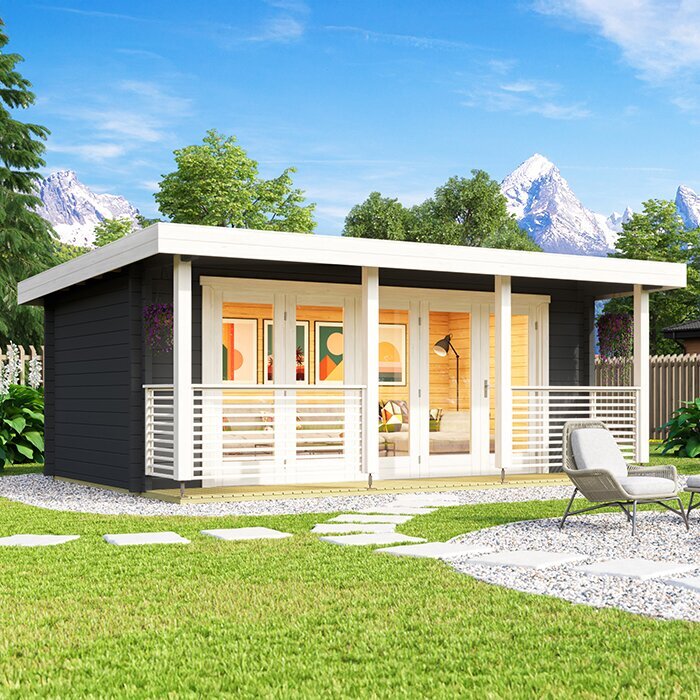
Site requirements and ongoing care
Before choosing a model, check the proposed footprint and the site information that matters to that particular building. Access for installation, ground conditions, drainage and support may all affect what needs to be planned, but the name garden house, summer house or log cabin does not select or validate a base. Use the manufacturer's requirements for the exact model and discuss uncertain ground or support questions with a competent installer or building professional; generic assumptions are not a substitute for site-specific advice. If planning rules or other restrictions might affect your proposal, ask the relevant local authority or a qualified professional rather than relying on the product label.
Ownership also means understanding routine care and the limits of the information supplied. Look for instructions covering the material and finish, inspection and maintenance, and ask what parts need attention and how often if no clear guidance is provided. Do not assume that a timber-related label guarantees a particular treatment or care schedule. A page such as the Veltor 3 listing should be assessed against its own specification and maintenance information; do not transfer answers from another model simply because the names appear related. Keep the final instructions with your order details so you can refer to the guidance for your building.
Comparing differently named listings before ordering
To compare the three terms in practice, separate what the label suggests from what the product page actually states. Garden house usually gives a broad category clue; summer house tends to signal leisure use; log cabin invites closer questions about log-style construction or cabin appearance. Then check the written details for the features that matter to you. If two listings use different category names but provide information on the same points, compare those facts rather than ranking them by wording. If one page leaves an important detail unanswered, a more persuasive label is not an answer.
Before checkout, settle the exact model and variant, what the order includes, any optional items, the delivery and assembly scope, and the documents relevant to site preparation and care. Ask for written clarification on any feature essential to your intended use, and keep the response with the order record. Search terms can help you discover candidates, but they are a poor substitute for a clear specification. Use garden house, summer house and log cabin as starting points, then make the decision from the individual building and its stated details.
Frequently asked questions
Is a garden house the same as a summer house?
The terms can describe the same general type of garden building. Garden house is usually the broader category name, while summer house tends to emphasise leisure use. Retailers do not use the labels consistently, so compare the intended use, construction, dimensions and included items stated for each model.
Does a summer house have to be used only in summer?
No. The name does not limit when you can use a building, nor does it promise comfort or performance in every season. If you plan to use the space during cooler or wetter periods, check the exact model information for its construction, glazing, insulation and intended use.
Is every timber garden building a log cabin?
No. Timber describes a material, whereas log cabin usually suggests a cabin-like appearance or a particular style of wall construction. Sellers may use the term loosely, so look for a description or drawing of the wall system instead of inferring it from a timber reference in the title.
Does the name log cabin mean the building is insulated?
No. The label does not confirm insulation, wall performance or suitability for year-round use. Look for details that apply to the exact model and variant. If a feature is important to your plans but is not stated, ask for clarification before ordering.
What should I check before ordering a garden house?
Confirm the exact model and variant, dimensions, construction details and what the order includes. Check delivery and assembly arrangements, access to the site, any requirements for the base, and care instructions. Resolve any questions about planning restrictions with the relevant local authority or a qualified professional.
The names are most useful as clues: garden house is broad, summer house points towards leisure, and log cabin suggests a cabin-like form or log-style construction. Their overlap means none should be treated as a technical guarantee. Choose by the use, layout and documented features you need, and resolve important unknowns before ordering. That approach makes differently named listings easier to compare and keeps the decision centred on the building rather than the label.
