
Hot Tub Features Worth Paying For—and Which You May Not Need
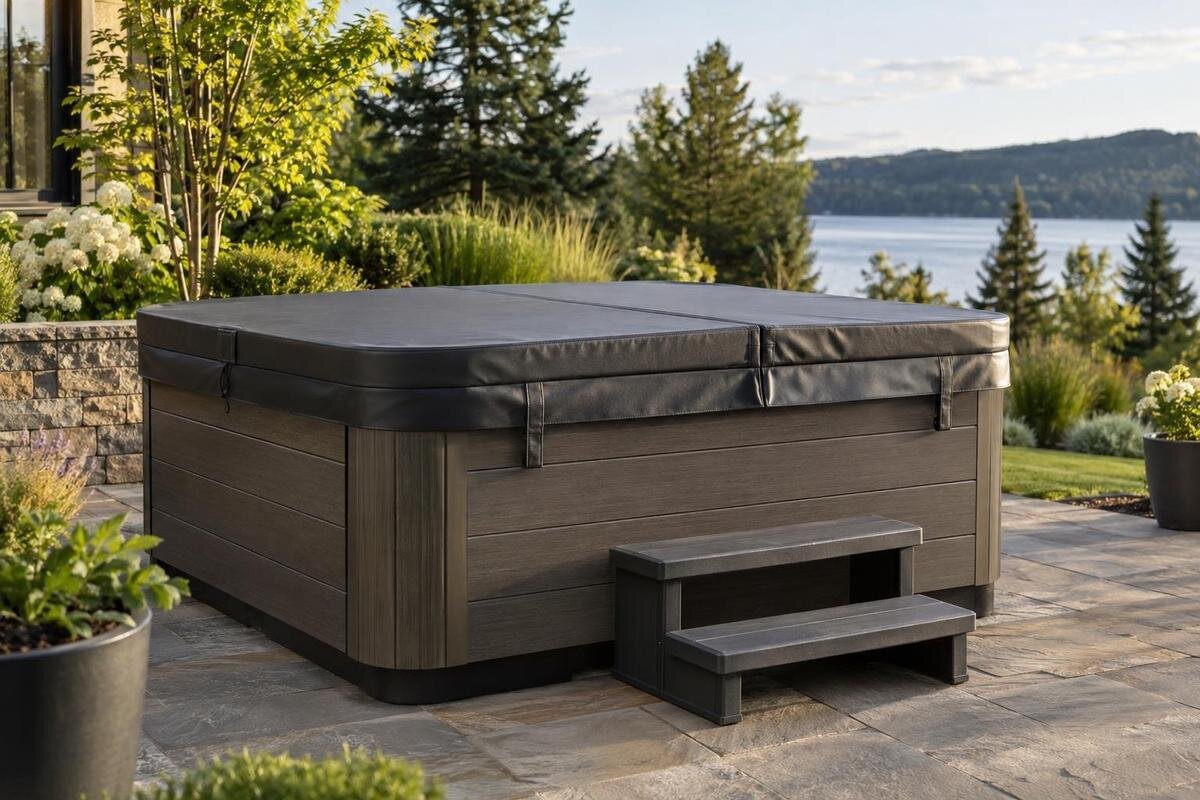
Hot tub buying guide
Hot tub listings can put massage settings, app functions, water-care systems and lighting in one long feature list, although they solve very different problems. A higher specification is not automatically better value: what matters is whether an option changes a routine you expect to repeat, suits a personal preference or removes a task you genuinely find inconvenient. This guide helps you sort features by practical value, then check what a seller means by each label. No option is a universal must-have, and a model name or photograph does not confirm what is included.
Start with the routine you expect to have
Think about an ordinary week rather than an ideal occasion. Would you use the tub often or only from time to time, and would those visits usually be quiet, social, brief or unhurried? Which moments matter most: enjoying a particular sensation, adjusting a control, keeping water-care tasks straightforward or creating a particular atmosphere? An option deserves consideration when it serves a repeated preference; something imagined only for an occasional gathering can sit lower unless that event is central to your plans. You do not need a precise forecast, just a distinction between a likely habit and an attractive possibility. When browsing the Bloomcabin hot tub Cove 2 listing, keep those likely habits beside the feature list so appealing extras do not become priorities by default.
Picture a normal visit from start to finish and mark the moments when an extra would change what you do or enjoy. If you would adjust a setting every time, a clear control or preferred comfort detail may have repeat value. If you would not turn on a speaker, app or decorative feature on most visits, it is easier to leave it off the shortlist. Ask everyone who expects to share the tub to rank preferences separately; one person’s must-have may be irrelevant to another. The point is not to predict every use, but to stop occasional ideas from outweighing the routine you can realistically picture yourself enjoying.
Comfort features are personal
Comfort is personal, so compare what an option does and how it feels rather than counting labels. If a model offers different jet arrangements, adjustable flow, headrests or other seating details, ask what is adjustable and whether those items are included in the quoted configuration. The number of jets, or a phrase such as ‘enhanced massage’, cannot tell you the sensation you will prefer. Where practical, try a feature; otherwise ask for a plain description of its layout, controls and range of adjustment. Consider whether settings can be changed in the way you want, rather than relying on a headline description. Judge comfort claims against your own preferences, not as a promise of a health outcome.
Think about whether you value varied sensations, a steady feel, comfortable support or adjustments that suit different users. More choices can be useful if you enjoy changing the experience, but they may be wasted spend if you would use one setting and leave the rest alone. The same question applies to cushions, headrests or other soft-touch additions: will they genuinely improve your time in the water, and are they part of the model or a separate option? As you review the Bloomcabin Hot Tub Haven 6 page, note which stated comfort features match your preferences and which you would want to try before deciding. A feature that matters to another buyer need not justify extra spend for you.
Choose controls for the tasks you repeat
Controls deserve extra spend when they make a repeated task easier, not simply because a display looks advanced. A feature list may refer to on-unit buttons, presets, timers, remote access or an app, but these terms describe different ways of interacting with the tub. Ask what each one actually lets you do: change a setting, choose a mode, check a status or receive an alert. Check whether the interface is straightforward for the people who will use it, and whether the function is available in the exact model and configuration you are considering. A simple, legible panel may suit someone who prefers to make adjustments in place; a long menu is not the same as useful control.
Decide whether you want to operate anything before you reach the tub, or whether access at the control panel is enough. Remote functions are useful only if they perform actions you want to carry out at a distance; check which settings they cover, what connectivity or paired equipment they need, and whether the feature is standard or optional. If you rarely use a phone for home controls, an app may add little. If several people share the tub, check that the controls are understandable to each of them rather than assuming a single user’s preferences will suit everyone. When reviewing the Bloomcabin Hot Tub Fjord 8 listing, distinguish functions you would use remotely from those you would prefer to operate at the tub.
Convenience features should remove a real hassle
Convenience options are easiest to judge by the task they change. A reminder can bring a routine to mind, while an automatic function may carry out part of that routine; those are not interchangeable. A status indicator can report information without resolving a problem. Ask the supplier to explain the specific action, rather than relying on words such as easy-care or smart. Then compare that action with the part of hot-tub use you find bothersome. If you do not mind the task, automation may not be worth an upgrade; if you dislike forgetting a step, a clearly defined prompt may be useful.
Consider how a convenience feature behaves in ordinary use. Can you adjust or dismiss a reminder? Does an alert simply prompt someone to act, or does the system perform a task? Could extra menus or notifications make the routine more complicated for another household member? These are questions about usability that a manual, demonstration or clear product description can help answer. When assessing the options listed for Bloomcabin hot tub Aurora 10, describe each convenience function in terms of the task it changes. That makes it easier to distinguish a useful shortcut from another setting you would have to manage.
What water-care features actually do
Water-care labels can sound broader than their actual job. Filtration, UV or ozone treatment, and automatic dosing are examples of terms that may describe different parts of a care setup; do not assume that they perform the same task or that every model offers them. Ask what the feature treats, what it does not do, and whether it supports or replaces any part of another stated process. Phrases such as clean water or low maintenance are not precise operating instructions. A feature should earn a premium through a clear, relevant function, not through a promise that sounds comprehensive.
Before valuing a water-care option, find out what work remains for the owner: what routine checks, cleaning, treatment or filter attention are still required, and whether consumables or compatible components are needed. Ask for the relevant care instructions for the exact configuration rather than relying on a short feature label. This matters especially when an option is described as automatic: identify which step is automated and which steps are not. If the Haven 6 listing names a water-care feature, compare its stated function with the part of the routine you want help with. The useful question is whether that specific assistance matters to you, rather than whether the label sounds advanced.
Ambience extras depend on your preferences
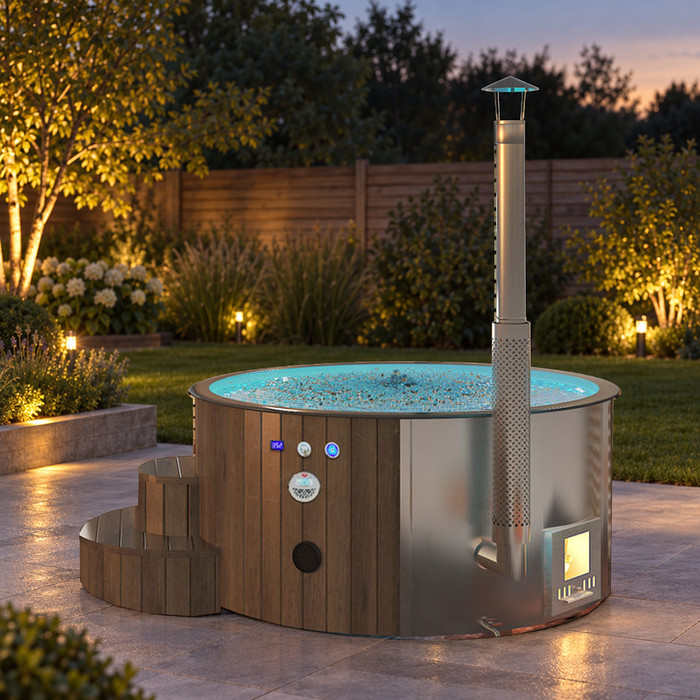
Lighting, audio and water effects are mainly about the atmosphere you enjoy. Consider whether you often use the tub in a setting where coloured lighting would matter, whether listening to music is part of your routine, or whether a moving-water effect would add something you notice. If you prefer a quiet, simple environment, those extras may have little value; if a feature is central to the experience you want, it may deserve a higher place. Neither preference is more correct. Ask what can be adjusted, and do not treat a dramatic product photograph as proof that a pictured effect is fitted.
Think about how much choice matters. An adjustable lighting option may suit someone who likes to vary the atmosphere, while a fixed effect could irritate a buyer who values calm. Ask how each feature is operated, whether it can be switched off, and whether a water feature, if offered, has particular care or compatibility requirements. For shared use, discuss whether everyone wants the same atmosphere or would prefer different settings on different occasions. When browsing the Cove 2 product page, separate the effects you actively want from those that simply look appealing in a photograph. An occasional decorative touch can be worthwhile, but it need not outrank something you would enjoy every visit.
Check what is included before comparing prices
Do not compare a model name or a glossy feature list until you know what belongs to the configuration being quoted. For each feature you care about, ask whether it is standard, an optional upgrade or only available with another package. Confirm the exact wording in the current UK specification, and whether any associated control or component is required. If two offers are being compared, line up the same feature set and ask for the price of each option rather than guessing from a tier name. An option already included should not be counted as a separate premium; one shown in a photograph should not be assumed to be included.
Value the extra against expected use rather than its description. Compare the added price with the number of occasions you realistically expect to use the feature and the benefit you expect each time; there is no universal threshold that makes it worthwhile. Include other costs only where the feature has a clearly stated replacement item or consumable, and do not assume an upgrade reduces another expense. If the benefit or price is unclear, mark it unknown until confirmed. When comparing Fjord 8 product details with another shortlisted option, keep the feature’s inclusion status beside its price so you do not count the same benefit twice.
Rank features before comparing models
Make a short personal ranking before looking at which model has the longest list. Sort each feature into three groups: important to my regular use, attractive if the price is reasonable, or easy for me to skip. Then score the first two groups for likely frequency and how much they improve the experience. A high score with unclear documentation points to a question, not an automatic purchase; a low score attached to an appealing name may be marketing rather than value for you. Keep the list brief enough to compare, perhaps a handful of features rather than every item in a catalogue.
Use a comparison sheet with one row per feature and a column for each candidate. Record its confirmed function, whether it is included or optional, any stated compatibility requirement and your own priority; write ‘not confirmed’ rather than treating a missing line as proof of absence. That stops a page with more detail from seeming better merely because it is more descriptive. If someone else will share the tub, include their preferences rather than assuming your own ranking represents everyone. Add the relevant information from the Aurora 10 product page to the same sheet, using the same headings and priorities for every model. This keeps the comparison focused on features you value rather than the length of each listing.
Extras you may be able to leave out
Features easiest to omit are the ones with no job in your routine. If you would never use remote access, an app may not merit extra spend; if you already have a way to enjoy music, built-in audio may be redundant; if ambient lighting is not important, decorative effects can stay off the list. The same applies to multiple presets or extra modes when you expect to choose one setting and leave it there. These are examples, not a universal skip list: someone who values a specific option every visit may reasonably put it near the top. Let your habits, not a standard idea of premium, guide the decision.
Keep optional water-care enhancements separate from the care tasks themselves. Deciding against an extra does not mean deciding against the routine described for the tub, and choosing automation does not establish that every owner task disappears. For comfort, convenience and ambience options, imagine the same visit without the feature. Would you miss the sensation, adjustment or atmosphere, or would the experience remain much the same? Consider its most important use as well as its frequency: an occasional feature may still matter if it is central to how you want to enjoy the tub. Leaving out an extra is sensible when its absence makes little difference to you.
Resolve trade-offs between your preferred features
If no shortlisted configuration matches every preference, compare the trade-offs rather than adding up feature counts. One might offer a control you expect to use regularly, while another has more ambience options that interest you less. Return to your ranking and identify what you would actually give up with each choice. For shared use, distinguish a strong preference held by one person from a modest preference shared by everyone. Neither automatically takes priority, but discussing the difference is more useful than letting the longest feature list settle it. Keep the comparison within the amount you are comfortable spending, without treating every attractive option as a reason to increase it.
Where an upgrade is sold as a package, judge the package by the features you want, not by how many extras it contains. Ask whether your preferred feature is available separately and compare the actual choices offered; do not assign personal value to additions you would leave unused. A useful final test is to finish this sentence for each upgrade: ‘I want this because I will use it when…’. If the answer describes a recognisable part of your plans and the added price feels proportionate, it belongs on your shortlist. If the answer depends mainly on the package sounding premium, the simpler configuration may suit you just as well.
Frequently asked questions
Which hot tub features are most worth paying for?
The ones that make a recurring difference to your own routine: a comfort detail you enjoy, a control you use regularly, a clearly useful water-care function or an ambience feature you value. Confirm exactly what it does and what it costs before deciding.
Are more massage jets automatically better?
No. A count does not tell you how the jets feel, whether they can be adjusted or whether the sensation suits you. Compare the stated layout and controls, and try them where practical. Choose by personal preference, not a headline number.
Is app control worth paying extra for?
Only if you expect to use the remote functions. Check what the app actually controls, whether it needs particular connectivity or compatible equipment, and whether it is included. If you prefer to make adjustments at the tub, it may add little value.
Does an automatic water-care feature remove routine checks?
Do not assume so. Ask which step the feature automates, what tasks remain and what the care instructions say for that exact setup. A broad label such as low maintenance does not explain the work you will still need to do.
How can I tell whether an extra is included?
Check the current UK specification and the exact configuration being quoted. Ask whether the option is standard, separately priced or dependent on another component, and confirm its price. Do not treat a product image or model name as proof that it is included.
A sensible shortlist is not the one with the most extras; it is the one where each paid option has a clear job in your routine. Keep preference, operation and price together: choose the comfort details you value, controls you will use, care functions you understand and atmosphere you enjoy. Treat unresolved claims as questions, and omit any extra that does not improve the experience you actually expect.
