
Hot Tub Maintenance Costs: A Realistic Annual Budget
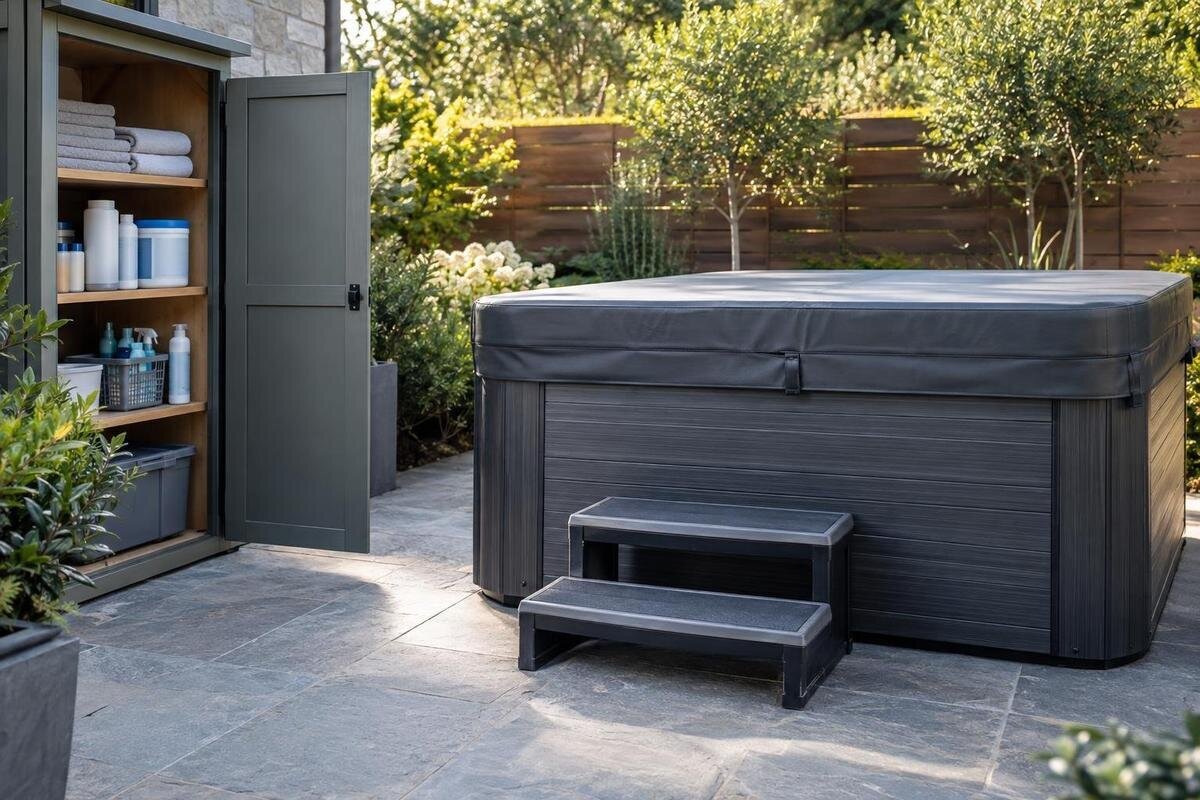
Hot tub ownership costs
An annual hot tub maintenance budget covers recurring purchases and occasional costs, rather than one universal UK figure. It varies with the care guidance for the exact tub, how often you use it, how much water you replace, and local prices for compatible products and servicing. A useful estimate shows what you expect to buy over 12 months and separates routine spending from money set aside for repairs. This guide explains how to price those items, record your assumptions and keep upkeep separate from purchase, installation and energy.
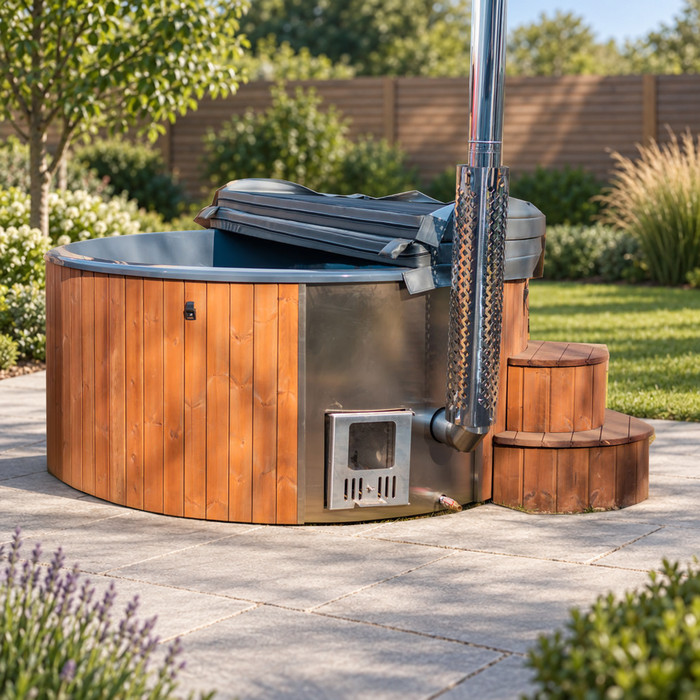
What counts as annual hot tub maintenance?
Annual hot tub maintenance is the recurring spend for keeping the water and care-related equipment in line with the chosen model’s instructions. Depending on the set-up, it can include water testing, treatment products, filter cleaning or replacement, suitable surface or cover cleaners, and water used for a change. A service visit or part belongs in the budget if it is scheduled or becomes necessary, but it should not be presented as a fixed annual purchase for every owner. The manufacturer’s care information and the equipment supplied determine which lines apply; a generic shopping list can overstate what every owner needs.
Use a 12-month accounting period and separate planned recurring spend from one-off purchases and conditional costs. Starter stock or a filter bought at set-up is not automatically an annual repeat; record it separately unless the instructions indicate otherwise. Keep the tub purchase, delivery and installation outside the maintenance total. Keep electricity or other heating energy outside as well, even though these are important ownership costs. For a useful comparison, note the price date, compatible product, quantity, frequency assumption, and whether VAT and delivery are included.
Water-care and testing supplies
Water-care spending can cover test strips or reagent kits and whichever treatment or balancing products the manufacturer specifies. The suitable products depend on the tub’s water-care system, source water, use and published instructions; it is not safe to assume every owner needs the same bundle. Separate testing equipment from products used up in water care: a kit may last for a stated number of tests, while treatment stock is replenished as consumed. Include only compatible products, and note any expiry or storage guidance provided by the manufacturer or supplier. Record each pack size so a lower shelf price is not mistaken for better value when the quantity differs.
Turn the instructions into quantities rather than choosing a round allowance. For each compatible item, calculate annual spending as the number of packs you expect to buy in the 12-month period multiplied by the current price per pack. For a test kit, divide the number of tests required by the number supplied per pack, then round up to whole packs; take the test frequency from the model’s guidance, not a generic rule. When considering Bloomcabin hot tub Cove 2, request its care details and a list of included supplies. Account for those supplies before calculating how many additional packs you need to buy.
Filter care, cleaning and water-change costs
Budget for filter care only after confirming what the tub uses and what its maker expects. If a reusable element can be cleaned, price any approved cleaning product separately from a replacement element. If a replaceable cartridge is specified, record its exact part reference, pack quantity and stated replacement interval. Do not assume a new element is needed every year, or that an aftermarket item will fit. Where the manufacturer gives different intervals depending on condition or use, base your low and high estimates on that guidance rather than treating the shortest interval as universal. Surface and cover cleaners are also conditional on the finish and care instructions.
Water used for a water change is a genuine upkeep cost, but it depends on actual volume and local billing. Use your supplier’s current unit rates and the amount of water used over the year; if charged by cubic metre, 1 m³ equals 1,000 litres. The calculation is annual water cost = cubic metres used × the applicable charge per cubic metre, with any relevant wastewater charge treated according to the bill. Do not multiply an assumed capacity by a guessed number of changes. For Bloomcabin Hot Tub Haven 6, confirm the relevant water volume and water-change guidance before entering these quantities in your budget.
Servicing, parts and a repair reserve
Routine servicing and repairs are different budget items. Check whether the manufacturer specifies a service interval or particular checks, and whether the seller or a local provider offers support for that exact tub. Ask for the call-out fee, travel costs, labour rate, diagnostic charge, parts policy and VAT status in writing; a visit may not cover a repair identified during it. Service availability and the price of a visit are local matters, so do not treat a generic fee as a national rate. If you are considering Bloomcabin Hot Tub Fjord 8, ask what servicing is available in your area and whether any visits are included in the purchase.
Keep a separate repair reserve for occasional failures or wear. It is a planning choice, not money that should be expected to be spent every year and not a prediction that a particular component will fail. Choose its size according to how much uncertainty you are willing to carry, and show it apart from known consumables and manufacturer-specified service. When checking an offer, find out what the service includes, whether parts are extra, and whether any stated coverage applies to the tub and period you are considering. Do not count an unconfirmed reimbursement in the base budget. If no repair happens, the reserve remains available rather than being treated as routine maintenance.
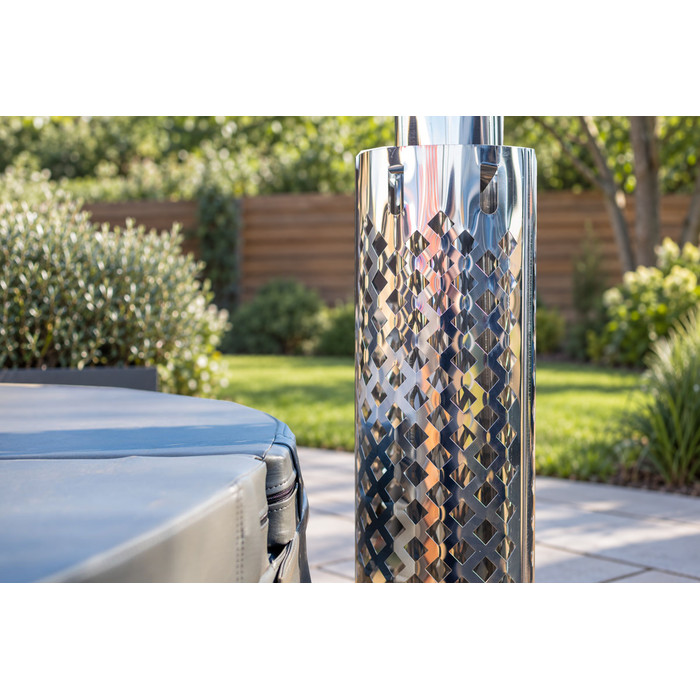
Calculate an annual maintenance budget
Use a 12-month period and dated prices for the exact compatible products and services. For each line, write the quantity, frequency, unit price and delivery treatment. Calculate supplies as packs to be purchased × price per pack. A service line is the number of planned visits × the quoted visit charge, with separately priced labour or parts added only where expected. Water is annual cubic metres × the relevant charge on your bill. Add these lines to produce the planned maintenance subtotal, then show your repair reserve separately. When preparing a budget for Bloomcabin hot tub Aurora 10, use its care requirements to decide which lines apply rather than carrying over another model’s quantities.
Capture checkout or written-quote totals on the same date, and state whether VAT is included or still to be added. Record delivery once for an order, then allocate it across items only if you want an item-level comparison; do not add the same delivery charge to every pack and again to the basket total. Include pack quantity and the exact compatible part number, not just a product category. Make low, expected and high versions by changing defensible inputs, such as actual use, refill frequency or service needed, while keeping the price source and date clear. No dated UK supplier prices or service quotations are available for this guide, so it cannot provide a reliable current pound total or claim that a particular price includes VAT or delivery.
Keep energy and one-off costs separate
An annual maintenance figure answers a narrower question than the total cost of owning a hot tub. It covers recurring water care, filter and cleaning needs where applicable, water used for changes and any planned service; it does not cover the purchase price, delivery or installation. Put those one-off amounts in a separate first-year column. Adding the cost of a base, access work or initial set-up to every later year can make ongoing care look inflated, while leaving it out altogether makes a first-year budget incomplete. Showing maintenance and initial outlay as distinct totals makes both easier to compare.
Keep energy separate too: its cost depends on the particular equipment, use, conditions and tariff, and is not a maintenance-supply cost. Use a separate estimate based on verified product information and your own tariff rather than rolling energy into water-care costs. When comparing the Cove 2 product page with other options, record purchase and set-up costs alongside, but not within, the annual maintenance subtotal. For household planning, divide your annual maintenance allowance by 12 to create a monthly saving target. This spreads the amount you set aside, even though purchases and service invoices will not necessarily fall evenly throughout the year.
How use patterns change upkeep
Two owners of the same model can record different consumables and water costs. Useful budget inputs include the care schedule, how often and how many people use the tub, the amount of water replaced, and the condition of supplies and equipment. These are inputs to the estimate, not reasons to depart from the manufacturer’s instructions. If your planned use differs from the basis of an estimate, check whether that changes the products or quantities required. Do not convert a model’s number or advertised name into a presumed capacity or usage rate. A realistic estimate starts with your intended routine and verified care information.
Prepare lower-use, expected-use and higher-use estimates based on how you plan to use the tub. For each, note the number of tests, quantities of treatment products, any replacements required by the care guidance, water changes and services, then apply the same current unit prices. Keep the assumptions beside each total so you can see which quantities account for the difference. If a cost stays unchanged between estimates, leave it unchanged rather than increasing every line automatically. When reviewing the Haven 6 listing, ask how the care guidance applies to your intended use before assigning quantities. The model’s name does not confirm its capacity, filter type or annual spending.
Compare upkeep before choosing a hot tub
Compare upkeep on a like-for-like basis rather than ranking products by a guessed annual total. Ask each seller for the current care manual or maintenance schedule, the supplies it specifies, what is included at purchase, whether filters are fitted and replaceable, and compatible part references if so. Then compare pack sizes, replacement intervals and the price of the full amount you would buy, not simply the lowest shelf price. Confirm whether any cleaning products need to suit a particular surface or cover. Applying the same 12-month use pattern and care assumptions makes the comparison meaningful; catalogue names and photographs do not reveal these details.
Include after-sales support without assuming paid servicing is mandatory. Ask which providers can work on that model in your area, what a call-out covers, how labour and parts are quoted, and whether the seller can supply parts. Use a dated written quote and include VAT and delivery consistently across options. Put the Fjord 8 listing through the same cost worksheet as every other candidate, with routine supplies, planned service visits and a repair reserve shown separately. If key instructions or prices are missing, mark the relevant entry as unknown. A gap is easier to resolve than a misleading total based on another model’s estimate.
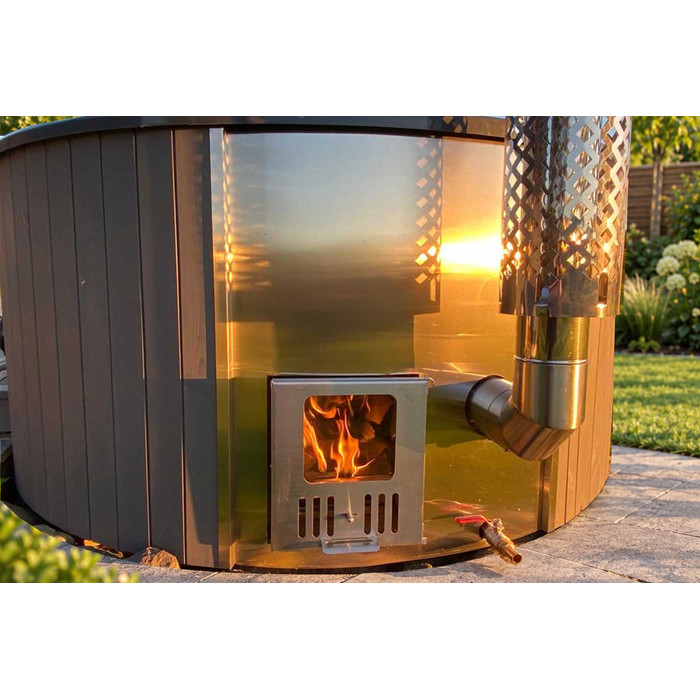
Track actual maintenance spending
Keep the care requirements and your original budget together so you can compare planned purchases with actual spending after purchase. Record which supplies came with the tub, which you bought separately and the quantities in each pack. This helps distinguish the cost of building an initial stock from the cost of replacing what you use. If you choose the Aurora 10 product page as your starting point, obtain the exact model’s care guidance and included-item details before making this record. Keep compatible product and part references alongside the prices, so later purchases can be compared with the original allowance without relying on memory or a similar-looking item.
Keep a simple expense record after purchase: date, item or service, amount paid, quantity, reason for the purchase, delivery and VAT status where shown. That record reveals whether first-year stock was unusually large, whether filters or cleaning products were actually replaced, and which costs recur. At the end of a full 12 months, update your expected-use estimate with receipts and the maintenance guidance; keep a repair reserve separate from actual expenditure. If a replacement product is proposed, confirm compatibility with the manufacturer before adding its price to the budget. A basic record is more useful than a precise forecast built on unverified intervals.
Routine DIY care or professional support?
Owner-managed care can keep the budget focused on consumables, but it should follow the manufacturer’s instructions and your own ability. Some checks or ordinary cleaning may be suitable for an owner where the documentation says so; complex diagnosis, repairs or work on electrical or heating equipment should be referred to the manufacturer or an appropriately qualified service professional. This is a cost-planning distinction, not a do-it-yourself repair guide. Do not assume that a paid annual visit is required, or that every task is safe or appropriate to do yourself; verify the requirements for the chosen tub.
Compare professional support by asking exactly what the quoted fee includes: inspection, tests, labour, consumables, travel, parts and any follow-up charge. If only some of those items are covered, budget for the omissions separately and check the service area and availability before treating the service as an option. Compare the quote with your owner-managed care budget, checking for supplies or tasks that appear in both so you do not count them twice. For a DIY plan, allow for the products and time you expect to use. Keep a repair reserve under either approach rather than assuming that routine owner care or a paid visit eliminates the possibility of repairs.
Frequently asked questions
What is a realistic annual hot tub maintenance cost in the UK?
There is no reliable single figure without the chosen tub’s care schedule, your usage, current prices for compatible products and any local service charges. Add the quantities you expect to use over 12 months at dated prices, then show optional servicing and repairs separately. Include delivery and check whether VAT is included before comparing totals.
Should I include electricity in a maintenance budget?
No. Keep energy separate from water-care products, filter costs, cleaning, water changes and servicing. Energy depends on different inputs, so combining it with maintenance makes it harder to see what routine upkeep actually costs.
Does a hot tub filter need replacing every year?
There is no universal replacement interval. Check whether the chosen tub has a replaceable filter and follow its manufacturer’s instructions for cleaning and replacement. Price the exact compatible part and interval; do not assume a yearly replacement or select a part based only on appearance.
How do I calculate the cost of water changes?
Estimate the actual water used over the year, convert it to cubic metres if needed, then multiply by the relevant unit charge on your water bill. Add any applicable wastewater charge as shown by your supplier. Use the manufacturer’s guidance and your actual use to estimate changes rather than assuming a frequency.
Do I need to pay for an annual service?
Check the instructions for the exact tub and ask the seller or a service provider whether a visit is recommended or included. Get a written breakdown of the call-out, labour, travel and parts. Keep an optional repair reserve separate from any service the manufacturer actually specifies.
Build the estimate around the chosen tub’s care guidance, your own use and dated prices for compatible products and services. Keep recurring essentials visible, service and repairs in separate lines, and energy and first-year set-up outside the maintenance subtotal. After a full year, use receipts to replace estimates with actual spending; that record will be more useful than a generic figure that hides differences in products, delivery and service needs.
