
How much does it cost to run a hot tub in the UK?
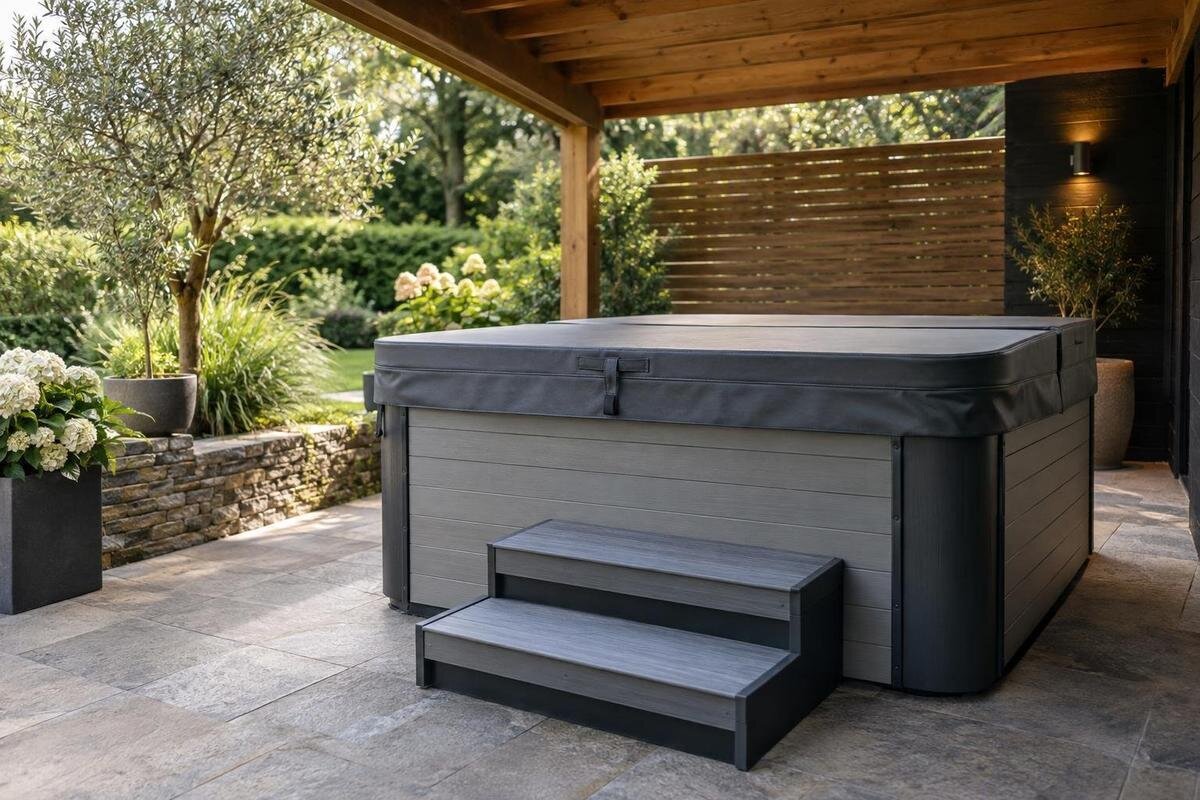
Hot tub running costs
Knowing the purchase price of a hot tub does not show whether its ongoing use will fit the household budget. A useful estimate combines electricity actually used with the current unit rate on your tariff, water charges attributable to filling or replacing water, and the consumables you buy. There is no dependable single UK monthly figure: electricity rates and water charges depend on the household, while catalogue names do not reveal kWh use. Rather than inventing a representative price or model total, this guide shows how to use current bills and documented energy data to build a transparent estimate.
01
Which costs belong in an ongoing hot tub budget?
Treat an ongoing hot tub budget as spending on operating the tub: electricity, water used for filling or replacement, and consumables used in routine water care. Depending on the exact equipment, a tub may also use power for circulation, filtration, controls or lighting; include those items only if they are fitted and their consumption is within measured or documented figures. Add replaceable items only when the chosen product uses them and replacement is due. Keep purchase price, delivery and site set-up outside this total: these are one-off outlays, not monthly running costs. A separate allowance for occasional servicing or repairs is another ownership cost, not an energy charge.
Write down the exact model first and request operating information for that item. For instance, Bloomcabin hot tub Cove 2 identifies the product being assessed, but its name alone does not provide verified heating-system, energy-use or care information. Attach any figure supplied by a seller or manufacturer to its source, date and assumptions, rather than treating it as a permanent specification. If no figure is available, mark the energy line as unknown and ask for evidence; do not replace it with a generic average. Also check whether a published “running cost” means electricity only or includes water and routine consumables, since totals with different scopes are not comparable.
What changes a hot tub’s energy use?
A major part of electricity use can be the energy needed to bring water to the selected setting and keep it there, but the amount varies and should not be guessed. A fresh fill starts at the incoming water temperature; subsequent demand is affected by outdoor conditions, the chosen setting, how long the tub is left operating and how frequently it is used. The initial heat-up is different from electricity used between visits, so record each phase if the available data split them. Settings and use patterns may also vary from month to month; a figure based on one schedule cannot be applied unchanged to another. These are variables to record, not proof that one named tub is cheaper than another.
Ask for energy use in kWh over a stated period and under conditions resembling your intended use, not just a power rating or an unsupported efficiency claim. The information should say whether it covers a cold start, maintaining temperature between visits, or both; it should also describe the settings and use pattern assumed. If you are considering Bloomcabin Hot Tub Haven 6, request evidence for that exact product rather than inferring consumption from its name. A result without clear conditions can be treated as a rough indication, but it is not a guaranteed monthly bill.
02
How to price electricity using your current UK tariff
Use energy in kilowatt-hours (kWh), not a headline heater power rating, and take the unit rate from the tariff you currently pay. Find the variable price in pence per kWh on your latest electricity bill or online account, then calculate: kWh × pence per kWh ÷ 100 = pounds. If your tariff has different rates by time band, split the tub’s kWh between those bands and apply each rate before adding the results. This makes the calculation current to your account and the period being estimated, rather than relying on an undated UK-wide average. Note the bill date, because unit prices can change.
Do not add the household standing charge as though it were created by the tub when it would be paid anyway; keep it separate from the cost of extra kWh. When assessing a running-cost estimate for the Cove 2 hot tub, ask which tariff and consumption period the quoted total assumes, then recalculate using your own rate. Keep the original estimate beside your calculation so you can see whether any difference comes from the electricity price or the assumed energy use. If a source gives no kWh amount, its pound total cannot be checked against your tariff.
Cost per session and energy between visits
Separate energy used while nobody is bathing from the energy that changes because a session takes place. A tub may use electricity between visits if equipment is operating to maintain water conditions or run scheduled functions; whether it does, and how much, depends on the exact model and settings. That baseline belongs to the days between uses, not solely to the next bath. Filling and warming from a different starting condition can add a distinct heat-up period, while routine use has its own pattern. State whether your estimate assumes frequent visits, long gaps or a change of setting. The distinction matters when you compare your planned use with a claimed cost per session.
When budgeting for the Fjord 8 hot tub, dividing the monthly electricity cost by your planned number of sessions gives an average allocation, not necessarily the extra cost caused by one session. It includes any electricity used between visits and may include non-heating equipment. A marginal figure would compare energy use over a period containing a session with an equivalent period without one, then price only the additional kWh. The conditions and settings must be comparable for that difference to be meaningful. Water-care products are also bought in packs and used across several visits, so assigning the full pack price to one session distorts the calculation.
03
Water and consumables in the budget
Water can appear in the budget when the tub is filled and again when water is topped up or replaced. Treat the initial fill as a one-off water expense, rather than a recurring monthly charge; include it in the first year’s total if that is the period you are budgeting for. If your home is metered, check the current bill for the supply charge and any wastewater charge that applies to the additional use. Charges and billing methods depend on the account. If your bill is unmetered, you may not see a price that rises directly with each refill, so ask the water company how to account for it rather than inventing a cost per litre. Use the current information for your own household.
Routine consumables can include testing products, water-care treatments and replacement filters where the particular setup calls for them. Build the cost from what you actually use: divide the pack price by its usable quantity, then multiply by the amount used over the month or year. A recent receipt gives a more relevant starting point than a generic estimate, but compare pack size and delivery consistently. Consumption depends on the product instructions, water volume, usage and chosen care routine, so do not assume every hot tub needs identical quantities. Check compatibility and replacement guidance for the exact product. Keep occasional repairs and detailed servicing in a separate maintenance allowance.
Separate heating from other electrical use
A kWh figure may describe the heater alone or all electrical equipment running during the test, so label its scope. Where reliable data support a breakdown, put electrically powered heating on one line and other verified loads—such as circulation, filtration, controls or lighting, if fitted—on separate lines. The whole-system total is the relevant electricity figure if you want to price all electricity used by the tub. Do not assume every possible component is present, or infer a model’s heating method from its name. Confirm the exact equipment in written product information before assigning costs.
A heater’s rating in kilowatts (kW) is power, not a month’s energy use; calculating kWh also requires its operating time. Even a valid heater-only figure cannot stand in for the whole system unless other electrical loads are included or measured separately. If reliable information reports only a total kWh figure, price that total and leave the split unknown rather than inventing a heating percentage. For an exact candidate such as the Haven 6 hot tub product page, record whether the evidence covers the heater, the complete tub or only one operating phase. This makes the estimate clearer without suggesting a specification that has not been supplied.
04
Build a monthly and annual estimate
Once you have kWh use and a current unit rate, price electricity for the measured period, then add water and consumables on separate lines. To build an estimate for the Bloomcabin hot tub Aurora 10, for example, let E be its verified whole-tub kWh per week, R your current electricity rate in pence per kWh, and W the monthly water-and-consumables allowance in pounds. Assuming use and rates stay constant, the average monthly total is (E × 52 ÷ 12 × R ÷ 100) + W. This is a calculation method, not a consumption claim for the model. Enter documented figures for each variable; without them, the formula cannot produce a reliable budget.
A simple monthly log can record the period, kWh, tariff, water charges, consumables and the use pattern behind the figures. Add twelve months of records for an annual total where possible; if you have only a representative week, label the annualised result as a projection. A steady-use calculation can be convenient for a monthly household budget, but it will not describe months with different use or outdoor conditions. If a cost is paid once a year, such as a larger consumables purchase, you may divide it by twelve to show an average while keeping its actual payment date visible. Do not roll purchase or installation costs into this running-cost total.
Compare cost estimates on a like-for-like basis
Before comparing two estimates, check that they cover the same period and the same parts of the system. One figure may include only heating while another covers all electricity; one may assume regular use and another long gaps between visits. If the Bloomcabin Hot Tub Fjord 8 is on your shortlist, compare its estimate with alternatives using kWh for the same period and apply the same current tariff to each. If only pound totals are supplied, ask for the rate and consumption assumptions behind them. Keep water and consumables outside an electricity-only comparison, or add them to both totals on the same basis.
Ask how the energy figure was obtained: whether it is measured or modelled, which settings and conditions it assumes, and whether it includes heat-up, between-visit operation and other electrical equipment. The reporting period matters too; a short test under stated conditions is not automatically a prediction for a whole year. Do not infer capacity, heater type or energy use from a number in a model name unless verified product information explicitly identifies what that number means. If a seller cannot explain the basis, mark the estimate as incomplete rather than ranking products by an unsupported monthly figure. Consistent assumptions make differences in the calculation meaningful.
05
Allow for uncertainty and seasonal variation
A single month may not represent a full year. When projecting annual running costs for the Aurora 10 hot tub, or any other model, retain the dates and assumptions attached to each reading. Outdoor conditions, use frequency, settings and tariff changes can make later costs different. If you have reliable readings or projections for different conditions, build lower, central and higher scenarios from those figures. Apply the same tariff method to each and state what changes between them; do not create a range by adding an arbitrary percentage. If you have only one short period of data, treat the annual figure as provisional rather than presenting it as a year-round prediction.
Decide what ongoing amount your household can accommodate, then test the budget against the central and higher scenarios you can support with evidence. The higher figure is not a promise of the maximum possible bill; it is a way to see how sensitive the estimate is to the assumptions you chose. If the difference between scenarios would change your decision, ask for more reliable kWh information before treating the lower one as expected. Where consumption data are missing, keep that uncertainty visible instead of converting it into a false-precision pound total. A clear unknown is more useful than a confident figure with no stated basis.
What to ask before choosing a model
Before choosing, review the gaps in your estimate and ask questions that would help you resolve them. If you have a monthly pound figure but no energy total, request the underlying kWh and tariff. If you have heater-only data, ask which other electrical equipment is fitted and whether its consumption is included elsewhere. If a test period differs from your planned use, ask how its settings, outdoor conditions and session frequency compare with yours. Keep the answers alongside the original figures so you can distinguish what was supplied from what you assumed. This makes it easier to update the budget without rebuilding it from an unexplained headline total.
Check whether the remaining unknowns could change your buying decision. An incomplete electricity estimate leaves a different gap from an unpriced consumables allowance, so identify each separately rather than hiding both inside a contingency total. For routine supplies, establish which products and quantities the exact tub requires before using current purchase prices to complete that line. Then compare the combined ongoing estimate with the household amount you set aside for it. Keep average monthly spending distinct from the months when larger purchases are actually paid for. A model may fit the average budget yet require planning for those uneven payments; your record should make both visible.
Frequently asked questions
Is there a typical monthly hot tub bill in the UK?
There is no dependable figure for every household. Electricity tariffs, usage, outdoor conditions, water charges and the tub’s verified energy use all affect the total. Calculate it from your current bill and documented or measured kWh, and treat any headline cost as incomplete unless its assumptions are stated.
Does a hot tub use electricity when nobody is in it?
It may, if electrically powered equipment is running between visits to maintain water conditions or carry out scheduled functions. The amount depends on the exact system and settings. Include this period in a whole-system reading rather than counting only the time spent bathing.
How do I turn kWh into pounds?
Multiply the kWh used by your current electricity unit rate in pounds per kWh. If your bill shows pence per kWh, multiply by that rate and divide by 100. For a time-of-use tariff, calculate each rate band separately and add the results.
Can I divide the monthly cost by the number of sessions?
You can use that calculation to find an average cost allocated to each session, but it is not necessarily the extra cost caused by a session. The monthly total may include electricity used between visits and routine supplies used across several visits.
What if a seller gives only the heater’s power rating?
A rating in kW does not show monthly energy use: you also need the heater’s operating time, and other equipment may use electricity too. Ask for kWh over a stated period and find out whether the figure covers the heater or the complete operating system.
A running-cost estimate is only as useful as the figures behind it. Keep the kWh period and tariff visible, include water and consumables on a stated basis, and leave model-specific energy use marked as unknown if it has not been verified. Then compare estimates made under the same assumptions and check whether both ordinary and higher plausible costs fit your budget. That approach gives you a more dependable buying decision than a single monthly figure with no explanation.
