
How Often Should You Repaint a Wooden Summer House?
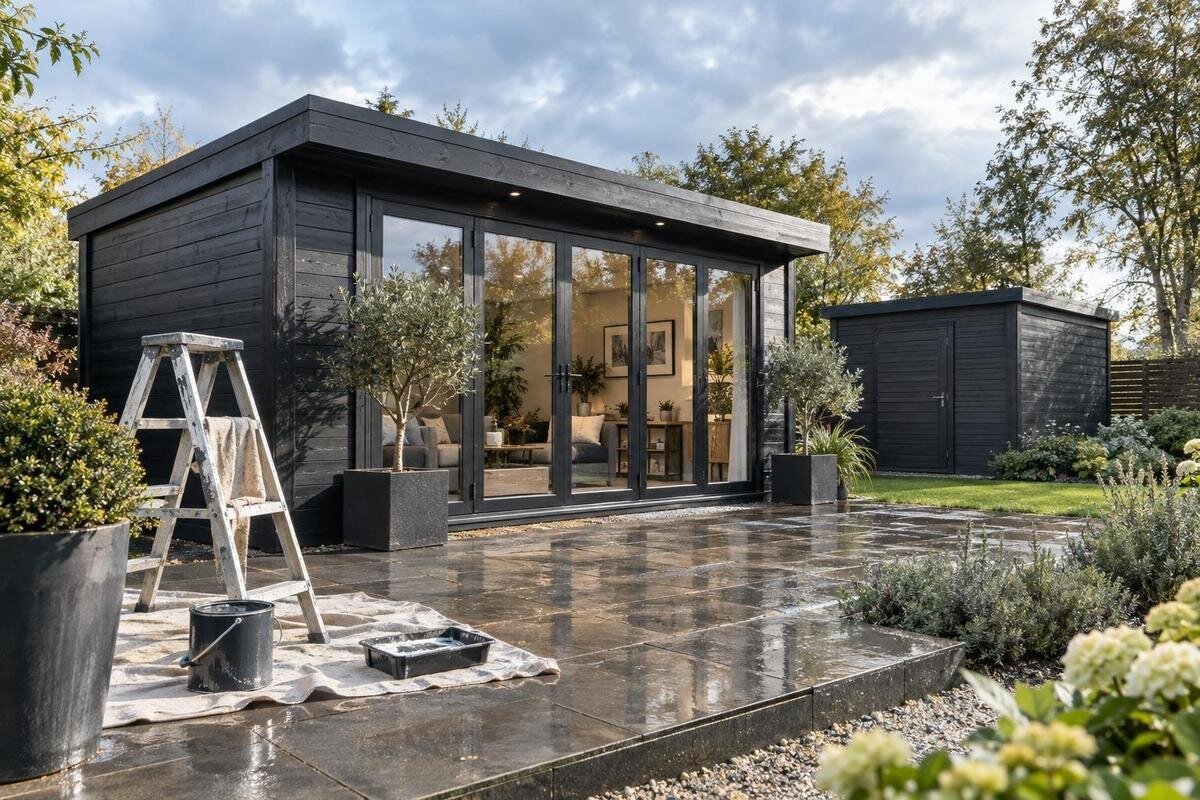
Wooden summer house care
There’s no single number of years that applies to every wooden summer house. The timing depends on the coating already on the timber, how exposed the building is and whether the finish is still sound. A sunny, rain-exposed wall can age differently from a sheltered side, even on the same structure. Use the calendar to prompt regular inspections, not to dictate an automatic repaint. Look for changes in the finish, check the coating maker’s guidance and consider what happens around corners, lower boards and joints. That gives you a practical basis for deciding whether to monitor, touch up or repaint more broadly.

01
Why there is no fixed repainting interval
There is no single repainting interval that applies reliably to every wooden summer house. Timing depends on the coating system, how it was applied, the condition of the timber beneath it and the weather each wall receives. Even on a single building, a sheltered side may keep its finish while a face exposed to strong sun or wind-driven rain begins to fade or crack. A calendar rule can send you back to sound paint unnecessarily, or leave a vulnerable area until the coating has started to fail. The building’s age is a reason to inspect, not proof that a repaint is due; some owners may have inherited an earlier paint job with no known date.
Use the instructions supplied with the paint or treatment as your starting point, especially if the manufacturer gives a maintenance interval or describes signs of wear. Then compare that advice with what you can see on the actual structure. A yearly inspection is a useful habit, but it is an inspection interval, not an instruction to repaint annually or after a fixed number of years. If no upkeep records came with the house, take dated photographs now and note the worst-affected areas. Comparing them at the next inspection helps you tell whether a mark is spreading or has stayed much the same; that is more reliable than estimating from age alone.
Sun, wind and rain affect each wall differently
Sunlight and rainfall do not affect every elevation equally. Long periods of direct sun can fade colour and weather an exposed coating; wind-driven rain can repeatedly wet one face, particularly in an open garden. Trees, fences and neighbouring buildings alter both shade and airflow. Shelter may limit direct rain, yet a damp, shaded wall can take longer to dry. This is why colour change alone is not a reliable repainting test: compare it with the coating’s texture and continuity, and look for cracks, peeling or timber showing through. Record the sides that receive the strongest sun and rain, then give them closer attention. If planting or fencing changes, reassess the pattern rather than relying on last year’s notes.
When choosing a new building, consider a listing such as the Verdana 1 garden house, but judge sunlight, wind and rain at the intended site rather than assuming a catalogue image predicts its exposure. A more sheltered position and a fully open part of the garden can create different maintenance conditions, whatever the model name. Do not infer that one listed product needs repainting sooner than another from its appearance online. The supplied coating guidance and the weather your own plot directs at each wall are the useful things to compare.
02
Moisture at the base and around the building
The lower part of a wall is a useful place to begin an inspection because it can be affected by splashback and nearby damp material. Look for soil or mulch piled against the timber, water bouncing back from paving, leaves collecting beside the building, or runoff from an eave or downpipe flowing towards one side. Also notice corners where planting or stored items restrict airflow. These conditions do not prove that repainting is due, but they can help explain why the finish wears unevenly or why an area stays damp. If the same patch repeatedly looks worse, consider the moisture source as well as the coating; a fresh coat alone may not address the cause.
When assessing a site for a replacement, consider these details before ordering, not just the space the building will occupy. If you are comparing the Verdana 2 garden house, check whether the proposed position will leave room to inspect the lower boards and the sides most affected by splash or shade. This is a site-planning point, not a statement about the product’s dimensions or treatment. Keeping plants and stored objects from crowding the walls can make routine checks easier. If water regularly gathers beside the structure, resolve that condition or ask a suitable professional for advice before relying on new paint.
The existing coating determines the next repaint
An established finish affects what repainting involves and when it may be needed. Opaque paint, a translucent stain and a clear treatment do not have interchangeable maintenance intervals, and a fresh product should not be chosen by colour match alone. Earlier repainting, spot repairs or an unknown original treatment can all affect which coating is compatible. If records are available, note product names, application dates and any instructions about renewal. Once the building has been repainted, the relevant guidance and date may relate to the most recent coat rather than the original finish. If the records are missing, don’t assume the visible colour identifies the product; seek advice before choosing a different system.
That information is worth requesting before buying a new building, too. For the Durano wooden garden house, ask the seller which treatment is supplied, whether further coating is expected and what products can be used later. Request written care guidance rather than relying on a general statement that the timber has been treated; the type of treatment and its intended maintenance both matter. Keep the response with your purchase documents so that, years later, you can identify what was applied and avoid guessing about compatibility. A repainting interval cannot be inferred from a model name.

03
Signs that the finish needs attention
Look for flaking, peeling edges, cracks through the coating, worn patches and bare timber showing through. These are stronger reasons to investigate than a slight difference in colour. Bubbling or recurring patches may point to moisture or a surface problem, so don’t treat them simply as a cue to cover the area with another coat. Pay particular attention to corners, board joints, edges and the lower perimeter, where deterioration may be less obvious from a distance. A quick look from the garden path can miss small breaks; inspect each side closely enough to distinguish a surface mark from coating loss.
Fading or a change in sheen can be cosmetic, especially if the coating remains continuous and the maker’s guidance does not call for renewal. By contrast, cracks, lifting paint or exposed timber call for attention even if most walls look fine. Note whether a defect is isolated or repeated across several areas: a narrow patch may be manageable locally, while widespread loss can suggest the overall coating is nearing the end of its useful service. Check around openings and joints as well as broad wall surfaces. If you are unsure whether the timber beneath the coating is sound, arrange an assessment rather than treating repainting as a cure for every visible problem.
A yearly inspection makes timing easier to judge
Choose a regular point in the year for a full walk-round, when the walls are visible and you can inspect them without rushing. A yearly check is a practical baseline, but an exposed site, previous peeling or severe weather may justify looking sooner. Walk around all sides rather than judging from the doorway; note the lower boards, corners, edges and areas around openings. You are not trying to decide from a single mark whether every wall needs a new coat. The aim is to spot change early and plan work before peeling or exposed timber spreads. If a storm or other event causes visible damage, check the affected area rather than waiting for your usual review.
Keep a short record of the date, wall or feature, what you noticed and whether the area is stable or worsening. A photograph taken from roughly the same position makes comparisons easier; also record any maintenance and the product used. If you are considering the Veltor 1 garden house, request its exact aftercare information and keep it with your notes rather than relying on a generic schedule. Product names and supplied treatments can be easy to forget, so a small file or phone note prevents guesswork later. These records can also help if you ask a decorator to assess the work or provide a quote.
04
Local touch-up or wider repaint?
If one small patch has lost its finish while the rest remains sound, a compatible local repair may be enough; follow the coating manufacturer’s instructions for that system. Touch-ups can differ in colour or sheen, particularly when the surrounding paint has weathered, so a perfect match is not guaranteed. When peeling, cracking or loss of adhesion appears in several areas, plan for a broader repaint rather than treating each spot as unrelated. The extent and pattern of deterioration matter more than a fixed percentage. Don’t paint over a suspected moisture problem or damaged timber: the coating cannot correct an underlying defect.
If boards are soft, visibly distorted or suspected of decay, ask a suitable timber or building professional to assess the cause before planning paintwork. A coating may protect a sound surface, but it cannot restore compromised wood. If an assessment suggests the current structure is no longer a sensible repair project, compare the cost and disruption of repair with replacement, including future upkeep. You could include the Orello garden house listing in that research and request its product-specific care advice; the listing name itself does not establish how much maintenance it will need.
Choose a suitable time for the work
Even when the finish needs attention, the right time depends on the coating instructions and the conditions those instructions require. Avoid choosing a date by season alone: the product label may set conditions for application and drying, and rain or damp can disrupt a planned job. Leave enough time for the recommended stages to dry before the surface is exposed to weather. Don’t guess a temperature or drying period when the manufacturer gives one. If you hire a decorator, describe the condition of each wall and ask how the work will be scheduled around the coating’s stated requirements.
Access affects both inspection and repainting. Check whether plants, garden furniture, stored items or nearby boundaries will make any side difficult to reach, and plan how to move obstacles without damaging the building. If you are choosing a new position, think about future access before ordering; a listing such as the Modano garden house is only one part of the decision, while its location on your plot affects how easily you can inspect the exterior. A cramped corner may look convenient but make upkeep less straightforward. Consider working space as well as how the structure fits.

05
Questions to ask before ordering a new summer house
Before ordering a wooden summer house, ask what protection or finish is supplied to the timber, whether an initial treatment is expected and how the seller recommends maintaining it. The answer should refer to the actual product and finish, not a general claim that every garden building needs repainting on the same timetable. Ask which later coatings are compatible, whether the maker gives an inspection or renewal interval, and what signs should bring maintenance forward. If the advice is verbal, request written instructions and keep them with the order details. That record can help you budget and avoid choosing an incompatible product years later.
Also ask whether the guidance changes for a more exposed position and whether any product terms or guarantees place conditions on maintenance. Don’t assume a particular guarantee exists; check the terms that apply to the purchase. When reviewing the Veltor 2 garden house, use these questions to obtain product-specific answers rather than treating the listing title or image as evidence of the supplied treatment. Clear guidance gives you a sound starting record, but you will still need to inspect the finish as it weathers.
Include future upkeep in the purchase decision
Repainting takes more than the price of a tin: the condition of the old finish, the number of surfaces, access and whether you do the work yourself all affect the time and total outlay. No reliable estimate can be made from a model name alone. When budgeting, allow for periodic checks and keep some flexibility for work brought forward by an exposed wall or local failure, rather than promising yourself a set repaint year. If you hire help, compare quotes that describe the same scope and ask whether minor repairs and access are included. Keep inspection time separate from repainting costs in your plans.
Think about your willingness to repeat this upkeep when selecting a garden house. A building whose appearance appeals to you may still require practical access and periodic care, so compare the supplier’s maintenance guidance with the time and budget you can realistically set aside. If the Veltor 3 garden house is on your shortlist, include its aftercare information in that comparison rather than assuming the model will be low-maintenance. Ground the decision in written guidance, the intended site and the condition you observe over time; those factors, not a universal year count, determine when repainting makes sense.
Frequently asked questions
Is there a standard number of years between coats?
No. The lifespan depends on the coating, how it was applied, the building’s exposure and the timber’s condition. Use the coating maker’s guidance as a starting point, then inspect regularly; don’t schedule a repaint by age alone.
Does faded paint mean the whole summer house needs repainting?
Not necessarily. Fading or a change in sheen can be cosmetic if the coating remains intact. Look for peeling, cracking, bare timber or other deterioration, and compare what you see with the product’s maintenance instructions before deciding.
Should I repaint every wall at the same time?
Not automatically. One face may deteriorate sooner than the others, but local repairs can leave an uneven colour or sheen. Consider the condition and appearance of the whole building, and follow the coating system’s guidance rather than treating every wall as identical.
Can I use a different paint for the next coat?
Check compatibility with the existing finish first. Note the current or last-used product if possible, then consult the coating manufacturer or a suitable supplier. A new colour does not tell you whether one paint system can be applied over another.
Does a new summer house need repainting straight away?
Don’t assume so. Ask what treatment the timber has received, whether further coating is needed and when, then follow the product-specific instructions. The answer depends on the supplied finish, not a general rule for every summer house.
Treat the calendar as a reminder to inspect, not a repaint deadline. Once a year, look over each wall and note any change; give exposed or previously affected areas extra attention. Repaint when the existing finish and its maintenance guidance indicate it is due, and address moisture or timber concerns rather than hiding them beneath another coat. That approach helps avoid unnecessary work while catching deterioration before a small failure has spread.
