
How to Care for a Hot Tub’s Wooden Exterior
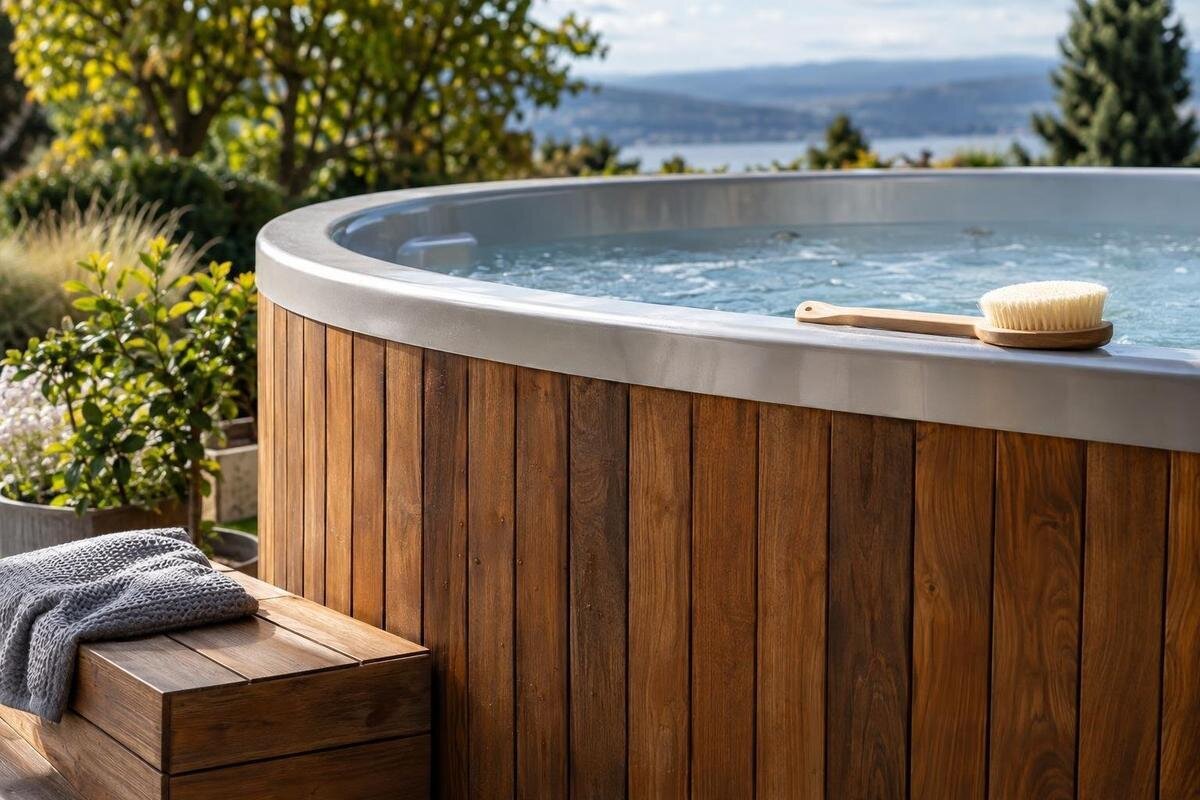
Hot tub care
Looking after a hot tub’s wooden exterior starts with confirming that the panels are timber and identifying the finish already on them. A cleaner or coating made for decking is not automatically suitable for cladding around a tub. Find instructions for the exact model, inspect the surface without stripping it, and decide whether it needs cleaning, treatment or no product at all. Timber, existing finishes and neighbouring hot-tub materials can have different care requirements.
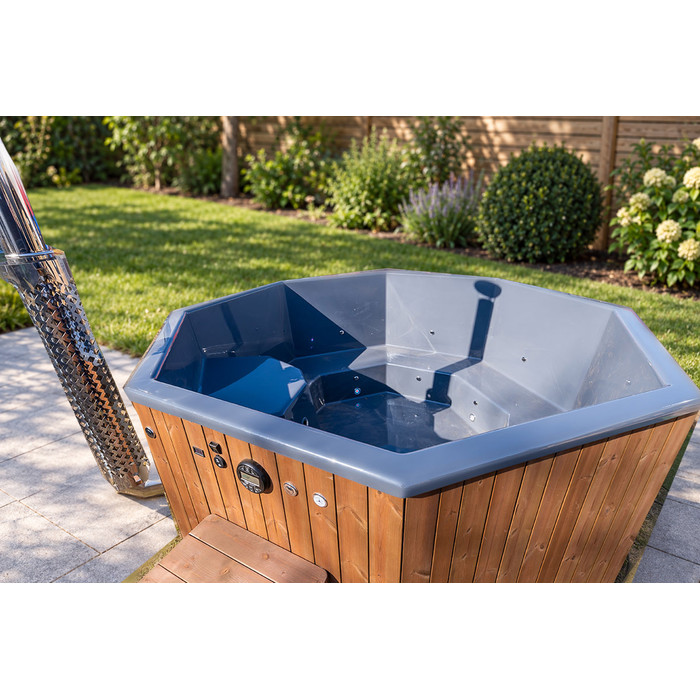
Find the care instructions for the exact model
Find the care information for the exact hot tub model before buying anything for its exterior. Check the owner’s manual, installation paperwork, maintenance sheet or manufacturer support material. General advice about garden timber may not cover panels assembled around a hot tub, or the finish applied to them. Match the model name and any identifying details shown in the paperwork, particularly if the tub has changed hands. Keep the exterior-care information separate from instructions for cleaning the shell: a product mentioned elsewhere in the manual may be intended for a different surface. If the documents are missing, ask the retailer or manufacturer to identify the exterior material and factory finish. When requesting help, give the full model name and explain that your question concerns the outside panels. A similar-looking product or a family name is not enough to establish which instructions apply.
Ask specific questions: is the visible cladding timber, and how is it finished? Which cleaning products and methods are allowed? Does the manufacturer recommend a protective treatment, and, if so, what preparation, application conditions, drying and aftercare does it specify? Ask whether the proposed product is acceptable for that model and whether any warranty conditions need to be considered. If you are looking at Bloomcabin hot tub Cove 2, use its name to request the relevant information; the catalogue identity alone does not confirm its exterior material or finish. Keep any reply with the manual for later reference.
Confirm the timber and identify its existing finish
Separate three details: the material of the panel, the visible finish and any treatment applied since manufacture. Timber may have a clear coating, stain, paint or another finish; a surface may also be described as untreated. These finishes are not interchangeable when choosing a cleaner or coating. Colour, shine and grain-like patterns are not reliable ways to identify the material or finish: a surface can conceal what lies beneath it, and different materials can look similar. Use the manufacturer’s description rather than scraping, sanding or testing the panel with a solvent.
If the hot tub is second-hand, ask the previous owner what products have been used and when, if they know. Keep the names or labels of those products, since a new treatment may need to be compatible with what is already present. Distinguish information about the original factory finish from records of later work: confirmation of the first does not establish what has been applied since. Ask whether all panels received the same treatment or whether only a particular area was recoated. If you cannot establish the history, record it as unknown rather than assuming the surface is bare timber. When enquiring about Bloomcabin Hot Tub Haven 6, request both the exterior material and finish details; its model name alone establishes neither. These details give you a clearer basis for discussing compatibility than a description such as “brown wood” or “a clear finish”.
Inspect the exterior before cleaning it
Look over the panels in good light before deciding what they need. Note dirt or marks, changes in colour or sheen, flaking or peeling finish, scratches, cracks and areas that appear different from the rest. Check the edges and joins as well as the broad faces, without removing panels or disturbing the coating. These observations help describe the condition, but they do not diagnose the cause: a dark patch, for instance, may have more than one explanation. Avoid treating a visible change as proof that the timber needs a stronger cleaner or a fresh coating.
Take a few photographs and note where each change appears; this gives you a useful comparison if the surface looks different later or you ask for advice. Include an overall view to show the location and a closer view of the affected area. Use consistent descriptions, such as the panel beside the entry point, so that you can find the same area again. Distinguish loose surface dirt from damage to the finish where you can, but do not scrape at a mark to find out what is underneath. If the finish is lifting or the timber looks cracked or distorted, ask the manufacturer or a suitable professional what to do before cleaning or covering the area. For an enquiry about Bloomcabin Hot Tub Fjord 8, photographs of your own unit provide the relevant context; catalogue photographs cannot show its current condition.
Choose a cleaning method approved for the surface
Choose a method from the care instructions for the identified timber and finish, not from a general recommendation for outdoor wood. A cleaner described as suitable for timber may still be unsuitable for a particular coating. Read the product label for its intended surface, preparation and directions, then check that those details agree with the hot tub manufacturer’s advice. Compare the exact product names rather than relying on similar packaging or a shared brand name. Also distinguish a product intended for routine cleaning from one intended to prepare a surface for recoating: the task described on the label needs to match the job you are doing. If the manual specifies a particular product or method, do not substitute another merely because it appears to serve the same purpose.
Avoid reaching automatically for a pressure washer, abrasive pad, solvent or household cleaner when a mark does not lift easily. These are not universal options for cladding, and the permitted approach depends on the surface. Follow any stated directions for application, dilution, contact time, rinsing and drying; do not invent those steps or combine products unless their instructions allow it. If you are comparing a model such as Bloomcabin hot tub Aurora 10, ask for its exterior-care guidance rather than transferring instructions from another tub or a deck.
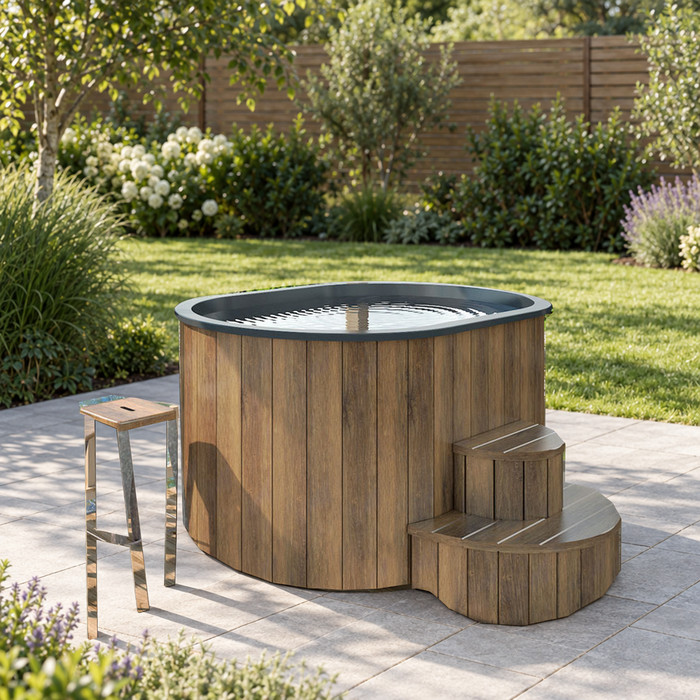
Decide whether a protective treatment is needed
Cleaning and applying a protective treatment are different jobs. Cleaning addresses surface dirt using an approved method; a coating is a separate product that may change the appearance and future care of the timber. Do not assume that every wooden exterior needs an extra coat, or that a dull or faded-looking panel automatically needs treatment. First check whether the manufacturer specifies a maintenance coating for the original finish and what signs, if any, indicate that it is due.
Treatments sold as oils, stains, sealers or paints are not interchangeable. They can produce different appearances and may not be compatible with each other or with an existing factory finish. Before choosing one, be clear whether your aim is to maintain the existing finish or change its appearance. Do not treat a colour preference as evidence that the timber needs a protective coating. If the care information does not name an appropriate product or explain when it is needed, ask before buying one. When considering the Cove 2 catalogue entry, ask about exterior maintenance as part of your purchase enquiry, including whether any treatment is required. The listing identifies the model; the decision to treat its exterior should follow the relevant care instructions and the condition of the actual surface.
Check compatibility before buying a wood-care product
Read the label for more than a general claim such as “for exterior wood”. Check whether the product is intended for the timber and finish you have identified, and whether it can be used over any known previous coating. Look for clear directions on preparation and application, plus any restrictions on the surface or setting. If the label is vague about the finish, contact the product maker or the hot tub manufacturer with the exact product name and the care information for your model.
Before choosing, check that you can follow the stated preparation, application, drying and aftercare requirements. A product is a poor fit if its instructions conflict with the hot tub guidance or depend on conditions you cannot meet. Compare the complete job rather than just the price of a tin: note any specified preparation products, application tools and additional coats before deciding what to buy. Use the product’s own coverage information, where provided, rather than guessing from a photograph of the tub. Do not base the decision on colour alone or assume that a product suitable for a fence is suitable for cladding around a tub. If you are reviewing the Haven 6 product listing, establish its exterior-care requirements before making a shopping list. You may need a compatible cleaner, a specified treatment, or no additional wood-care product at this stage.
Account for exposure and seasonal conditions
The surroundings can affect how the exterior looks and how readily it dries. Notice which panels receive direct sun or driving rain, which sit in shade, and whether leaves, nearby planting or splash regularly leave debris on them. The conditions may differ from one side of the tub to another. A sheltered position is not automatically better for every panel, and exposure alone does not tell you which treatment to use; it helps you understand what you are seeing and what details to share when asking for advice.
Use the condition of the surface and the manufacturer’s directions rather than a calendar rule such as treating every spring or autumn. Compare the panels with your earlier observations, paying attention to whether a change is confined to one side or appears across the exterior. This is more useful than assuming that every panel needs the same work because one area looks different. Take another look if a noticeable change appears after a period of different weather, but do not interpret that change as an automatic reason to recoat. If treatment is recommended, compare the planned working period with the application and drying conditions stated on its label and in the model guidance. Allow for the whole period described, not just the moment of application. The arrival of a particular season does not establish that those conditions are suitable.
Follow the stated application and drying conditions
Before applying any treatment, read both the product directions and the hot tub’s care instructions from beginning to end. Confirm the permitted preparation and application method, and check any stated limits for weather or surface conditions. Do not borrow a temperature range, number of coats or application technique from another product. If the two sets of directions appear to conflict, ask the relevant manufacturer for clarification rather than choosing whichever instruction seems easier.
Pay particular attention to drying and aftercare. Follow the stated drying or curing time and any restrictions on contact or use; these details vary by product, so an estimate from another coating is not a substitute. Where the directions distinguish between drying, recoating and readiness for use, keep those stages separate in your plan. Do not interpret one stated time as permission to proceed with every later step. Note when you applied the product so that you can follow its timing instructions without relying on memory. Do not add another coat simply because the first looks uneven or remains tacky beyond the time given; ask for guidance if the result differs from the instructions. When choosing a treatment for a tub identified through the Fjord 8 product page, use the guidance for that model alongside the directions for the exact treatment selected.
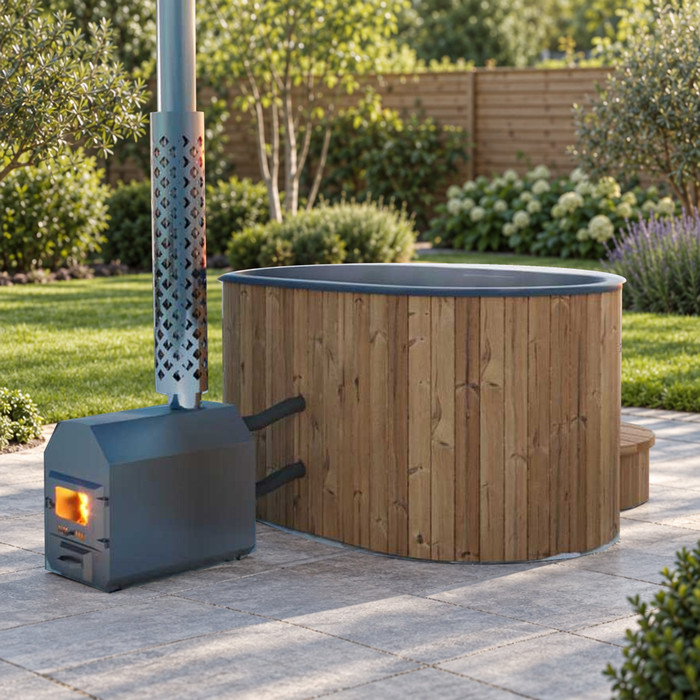
Protect neighbouring materials and check for product contact
Timber cladding may sit beside other materials, such as a shell, trim, fasteners or a cover, where these are present. A wood cleaner or coating intended for one surface should not be assumed suitable for the others. Check the product directions and hot tub guidance for any instructions about protecting adjacent parts or preventing drips and residue. Do not apply a timber treatment to a neighbouring component unless its own care information permits it.
Also check what the manufacturer says about keeping exterior-care products away from the tub’s water and other care products. Do not assume that a treatment is suitable for contact with water, or that rinsing residue towards the tub is an acceptable way to remove it. Read any directions about drips, residue and accidental contact before opening the product, rather than searching for them after a spill. Make sure the instructions address the neighbouring materials actually present on your tub; an answer about timber alone may not resolve a question about trim or a cover. Confirm how to prevent contact and what to do if it occurs, without improvising a clean-up method. For an enquiry prompted by the Aurora 10 product page, identify the proposed care product and the adjacent component you are asking about.
Keep care records and ask when the finish is uncertain
Keep a simple record of what you know: the model, confirmed exterior material and finish, any products previously used, and the date of cleaning or treatment. Save product labels or photographs of them, along with pictures of the panels before and after care. Record which areas were treated if the work did not cover the whole exterior. Separate completed work from recommendations you have not yet followed, so a shopping list is not mistaken for a treatment history. Keep relevant supplier replies with these notes, especially where they clarify an uncertainty about compatibility. The record need not be elaborate; it should let you or a future owner identify what was actually used without reconstructing the job from memory. It also gives a manufacturer or supplier useful context if you later ask about a change in appearance.
Seek model-specific advice before proceeding if the material or previous finish is unknown, the instructions do not address treatment, product labels disagree, or the surface is peeling, cracked or otherwise changing. Describe what you have observed and include clear photographs and product names; ask what cleaning method, if any, is suitable and whether treatment is appropriate. If the answer is not clear, wait rather than testing a product on a prominent area or trying a stronger method. That keeps the decision tied to the actual exterior rather than guesswork.
Frequently asked questions
How can I tell whether the exterior is timber?
Check the manual or ask the manufacturer or retailer to identify the material for your exact model. Colour, grain-like patterns and photographs cannot reliably confirm that a panel is timber or reveal its finish.
Can I use decking oil or a garden-furniture cleaner?
Only if the hot tub’s care instructions and the product information confirm compatibility with the actual timber and existing finish. A product labelled for outdoor wood is not automatically suitable for hot-tub cladding.
How often should I clean or treat the wood?
There is no universal interval. Follow model-specific guidance and pay attention to the surface’s condition and exposure. Treat it only when the instructions indicate that treatment is appropriate; fading alone does not establish that it needs a new coating.
Can I use a pressure washer on the cladding?
Do not assume that it is suitable. Check the manufacturer’s instructions for the exact timber and finish before using a pressure washer or any other method that adds pressure or abrasion.
What if I do not know which finish is already on the wood?
Pause before applying a cleaner or coating. Check the paperwork, ask the previous owner if relevant, and send the manufacturer clear photographs and the model details. Do not strip or recoat an unidentified finish on guesswork.
Good timber care is a matter of matching the product and method to the surface in front of you. Confirm the material and existing finish, inspect before acting, and follow the model-specific directions for cleaning or treatment, including drying and aftercare. If any part of that match is uncertain, pause and get clarification rather than risking an unsuitable product on the exterior.
