
How to Plan Your First Wood-Fired Hot Tub Session

First-session guide
Planning your first soak in a wood-fired hot tub is mainly about getting the order right: establish what the exact model requires, arrange the practical details and leave enough time to follow its instructions without rushing. Heating, water preparation and after-use steps are not interchangeable across tubs, so a general checklist can help with organisation but cannot supply the technical detail. Get the current manufacturer’s instructions for the precise configuration, turn them into a run sheet, and have the surroundings and listed essentials ready before starting. Read the after-use section in advance as well. If anything is missing or unclear, ask the manufacturer or supplier rather than filling the gap with advice for another model.

Get the current manual for the exact model
Do not begin with a general wood-fired hot tub article or a manual found by searching only a model name. First match the tub to its paperwork: check the exact product name and any version or configuration shown on its label, order documents or manufacturer information. Request the current instructions for that precise version if they were not supplied. A product photograph, catalogue title or another owner’s notes cannot establish which operating procedure applies. If separate documents cover setup, operation and water care, collect the complete set and check that they refer to the same version. Keep the documents themselves, not just a summary, so you can return to the wording whenever a step is uncertain.
Read all first-use material before choosing a date. Note whether initial preparation differs from the instructions for a later session, then mark the stated order for preparation, heating, water care and operation. Look for any conditions, checks or points at which the manual tells you to stop and seek advice. Keep this guide beside the manual, not in place of it. If you are still comparing options, use the Cove 2 listing to identify the product when asking whether it is available in the wood-fired configuration you want. Request the matching manual rather than assuming the catalogue name confirms the heating arrangement. Save the reply with the product details so you can distinguish the configuration discussed from any other option you may consider.
Turn the instructions into an ordered checklist
Turn the manual into a run sheet rather than trying to memorise it. Give preparation, water requirements, heating, operating steps and after-use their own lines, copying only the actions the manufacturer specifies for this exact model. Mark which tasks need to be complete before the next stage, what can be arranged beforehand and where the manual calls for a check. Put the steps in the order you expect to follow them, with page references beside each line. Leave a visible gap beside anything you do not understand: that is a question to resolve, not a step to skip.
Use precise prompts rather than shorthand such as ‘sort the water’ or ‘start the heater’; vague notes can conceal an important detail. Keep technical wording intact and return to the manual whenever the checklist is not clear. Note the title or version of each document so you can check that you are using the intended instructions. Give each task a space for a completion mark and a separate space for questions: an unanswered question should not look like a finished step. When considering the Haven 6 product page, ask which configuration it describes and request the applicable instructions. Work through those instructions on paper before buying, noting any stage you cannot yet explain. This gives you a concrete basis for asking about the preparation involved, rather than relying on a general impression of the product.
Confirm water preparation before filling
Water-care advice is particularly unsuitable for guesswork. Before filling, locate the manual’s instructions for preparing water on first use, and check whether a separate water-care document applies. Write down any requirements the manufacturer explicitly states for the water source, testing, treatment and sequence, without substituting values or doses from a general guide. Note whether the wording is for an initial fill or a later check, since those are not automatically the same instruction. If a step refers to a product or test that is not identified clearly, ask the manufacturer or supplier before continuing.
Make first-fill preparation a separate part of your checklist, with the relevant manual pages and any listed items beside it. Do not buy a treatment simply because it is commonly recommended online or rely on a chart for a hot tub you do not own. Keep the item names and their directions together so you can identify exactly what each instruction refers to. For an enquiry about the Fjord 8 listing, specify the configuration you are considering and ask for its first-fill water-care directions. Frame any follow-up question around the unclear passage: identify the document, page and item concerned. Keep the response alongside that passage rather than as an isolated note, so the answer remains connected to the step it explains when you prepare for the first session.
Check the location and surrounding arrangements
Walk the route between the house and the tub and picture the whole session, not just the soak. Decide where people will change, where towels and dry clothes can stay, where the manual and listed supplies will be kept, and how guests will know where to go. Keep the instructions reachable for the person managing the tub, rather than placing them with personal belongings. Separately, resolve the technical suitability of the site: the base, drainage, access clearances and any fire-related conditions must come from the manufacturer’s documentation and, where needed, qualified professional advice. A product photograph cannot establish these requirements.
In the UK, do not treat a neighbour’s layout or a general online post as confirmation that your proposed installation meets applicable requirements. For questions about planning, fire, electrical work, drainage or other regulated work, consult current authoritative guidance relevant to your UK nation and area, and ask a qualified professional where appropriate. Resolve these questions before setup, rather than improvising on the day. If you are considering the Aurora 10 product page, use the listing to identify the product when requesting its siting and installation information. Keep outstanding installation questions separate from ordinary session arrangements: choosing where to put towels is not the same as establishing that the tub can be used at the proposed location. The name and photographs do not settle those technical questions.
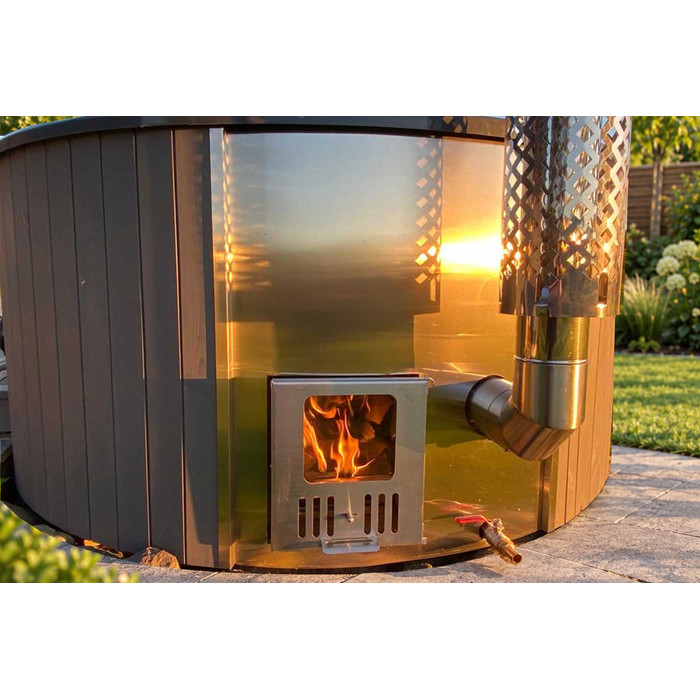
Set out only the essentials named in the manual
Compare the manual’s list of first-use essentials with what you already have before the day. Keep manufacturer-named items separate from general comforts such as towels, dry clothes and a place for belongings: these help with organisation, but they do not replace any specified equipment. If the manual names a particular tool or product, do not assume an everyday substitute is suitable. Check each item against the written instructions and note whether you need to obtain it, borrow it or ask the supplier about it. Avoid building an elaborate kit from internet lists intended for unrelated tubs.
Set aside the listed essentials so you can find each item when its step comes up, and keep guest belongings in a separate spot. Check the list before beginning, rather than discovering a missing item part-way through a model-specific sequence. For a prospective purchase, compare the required items with the stated package contents. The Cove 2 catalogue entry gives you a product reference for asking which essentials, if any, are supplied and which you would need to obtain separately. Record the answers against individual items rather than writing a broad note such as ‘everything included’. Leave unresolved entries clearly marked. This turns a shopping question into a practical preparation list without assuming that anything shown in a photograph forms part of the order.
Leave the day’s schedule flexible
A first session is difficult to fit into a tight schedule because you need to follow a sequence of tasks, not simply arrive at a particular time. Make room for the preparation and heating sequence given in the manual, any water-care checks it specifies, the soak and the after-use actions. The time needed depends on the documented procedure and the conditions described by the manufacturer, so there is no universal elapsed time to plan around. Avoid booking guests or other commitments on the assumption that a guessed estimate will hold. If the manual gives a readiness check, use that rather than a general online figure.
Schedule around the tasks rather than promising a precise start. Leave an open window so there is time to reread an instruction, resolve a question or complete the manufacturer’s stated sequence without pressure. If the day becomes too tight, defer the soak instead of rushing or skipping a requirement. Tell guests that their arrival time is not a guarantee that the tub will be ready, and avoid making the soak the only activity planned for their visit. If you are evaluating the Haven 6 listing, ask what documented readiness guidance is available for the exact configuration. Use that information to understand how the session would fit around your commitments; do not turn a catalogue description or another owner’s experience into a promised start time.
Agree who will handle each part
If more than one adult is involved, decide who has read the manual and is responsible for managing the steps it assigns. Another person can help with a task once it has been explained, but avoid relying on memory or handing responsibility over without a clear handover. Write a name beside each checklist item that needs an owner. A single shared run sheet also makes it easier to see which tasks are complete and which still need attention. Do not assume that someone else’s experience with a different hot tub covers the instructions for this model.
Brief guests before the day about when to arrive, what to bring, where to change and why the timing may be flexible. Explain who is following the operating instructions, so no one tries to interpret a control or water-care step from previous experience. If responsibility changes during the session, hand over the checklist and identify the last completed step, any outstanding checks and where the relevant instructions are kept. That keeps social arrangements separate from technical decisions. For a prospective purchase, the Fjord 8 product page provides a reference when asking what operating guidance or explanation is available for the configuration you are considering. Ask specifically about anything the intended operator does not understand; do not assume that a demonstration is included with a purchase.
Follow the operating instructions during the session
Once preparation is complete, keep the manual within reach and follow its operating order. Check each transition against your run sheet instead of relying on your memory of another tub. Use only the controls, indicators and checks described for the exact configuration; a tutorial for a similar-looking model may use different terms or a different sequence. If something on the tub does not match the document, or you cannot tell whether a step is complete, pause and get clarification. Do not adapt another model’s procedure just to keep the planned start time.
During the soak, stay within the conditions the manufacturer sets and carry out only the checks or water-care tasks the manual describes. Avoid making adjustments based on a guest’s recollection or broad online advice; return to the model-specific instructions when a question arises. If the directions identify a point at which operation must stop or assistance is needed, follow that wording. Prospective buyers considering the Aurora 10 listing can ask to see the operating guidance for the exact configuration before deciding. Look at how the instructions describe the controls, checks and responsibilities during use. Note anything you would want explained before a first session, rather than assuming that familiarity with another tub will be enough. This helps you assess the hands-on routine without inferring features from the model name.
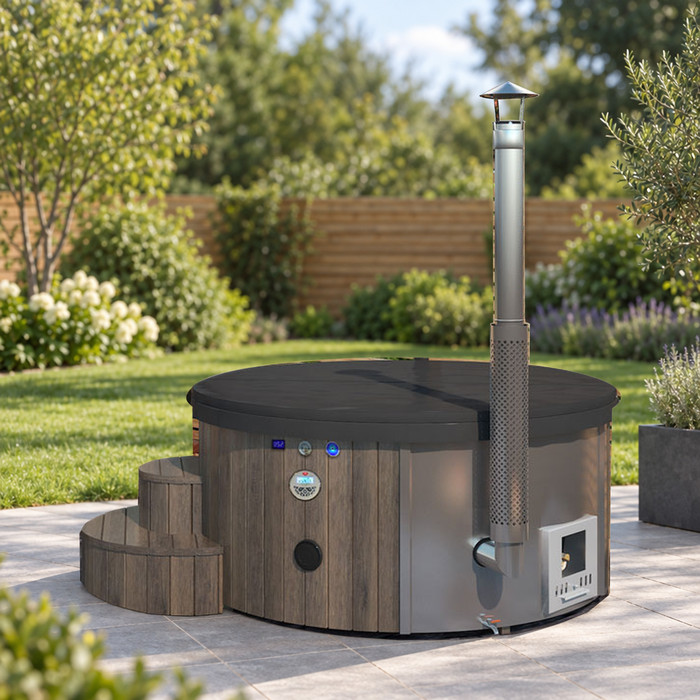
Read the after-use guidance before the first soak
Read the after-use section before starting, not only when everyone is ready to leave. It tells you what the manufacturer expects at the end of a session and may affect how much time you need to keep free. Copy the model-specific steps into your run sheet and note any equipment or supplies named there. Keep end-of-session actions distinct from longer-term care: this article is about planning the first soak, not setting a routine maintenance schedule. Do not assume that the last action is simply to leave the tub as it is; use the instructions for your exact model.
Arrange the practical space so the person responsible can complete those steps without searching for the manual or listed items after the soak. If the guidance is missing or unclear about the heater, water or other equipment, ask the manufacturer or supplier for the correct procedure before the session. Do not fill in gaps with a routine from another hot tub. Keep the answer with the run sheet, and make sure everyone involved knows who will handle the final tasks. This makes the end of the session part of the plan, rather than an afterthought.
Decide whether the preparation suits your routine
For a prospective owner, the useful question is whether you are comfortable making preparation part of the experience. A first session involves reading the instructions, arranging the surroundings, carrying out the specified preparation, allowing time for the documented heating and operation sequence, and following the after-use directions. Consider who will take responsibility and whether your usual schedule leaves room for those tasks. Some people will enjoy the deliberate process; others may prefer not to plan an occasion around a series of hands-on steps. Model names and photographs cannot answer that lifestyle question.
Before buying, request the current manual for the exact product and written confirmation of the configuration you are considering, including whether it is wood-fired. Ask for the first-use, water-care, operating and after-use instructions, along with a list of any essentials the manufacturer names. Find out which installation questions need a qualified professional or current local guidance. Use those documents to judge the work involved, rather than assuming a catalogue description covers every step. If important instructions remain unavailable, wait for clear answers before deciding whether the routine fits.
Frequently asked questions
Can I follow instructions for a similar hot tub?
Use the current instructions for your exact model and configuration. A similar appearance or model name does not show that the setup, water-care or operating steps are the same.
Should I read the after-use instructions before the first soak?
Yes. Reading them beforehand shows what you will need to do at the end and helps you set aside time and any items the manufacturer specifies.
Can I plan around a fixed heating time?
Do not assume a universal duration. Use any timing or readiness guidance provided for your exact model and keep the schedule flexible rather than rushing steps to meet an appointment.
What should I have ready?
Use the exact manual’s list for model-specific essentials and water-care items. Add ordinary comforts such as towels and dry clothes, but do not treat a general checklist as a substitute.
What if the manual does not explain water care?
Do not guess or borrow another model’s procedure. Ask the manufacturer or supplier for current instructions for your exact configuration and resolve the question before preparing the water.
Treat the first soak as a planned sequence, not simply a date and start time. Match the manual to the exact tub, gather the specified essentials, arrange the surroundings, leave room in the schedule and know the after-use steps before you begin. For a prospective owner, the useful question is whether those tasks fit comfortably into the occasions they have in mind. A clear picture of the whole session makes that decision easier.
