
How to Store Potted Plants in Winter in a Bloomcabin Aluminium Greenhouse
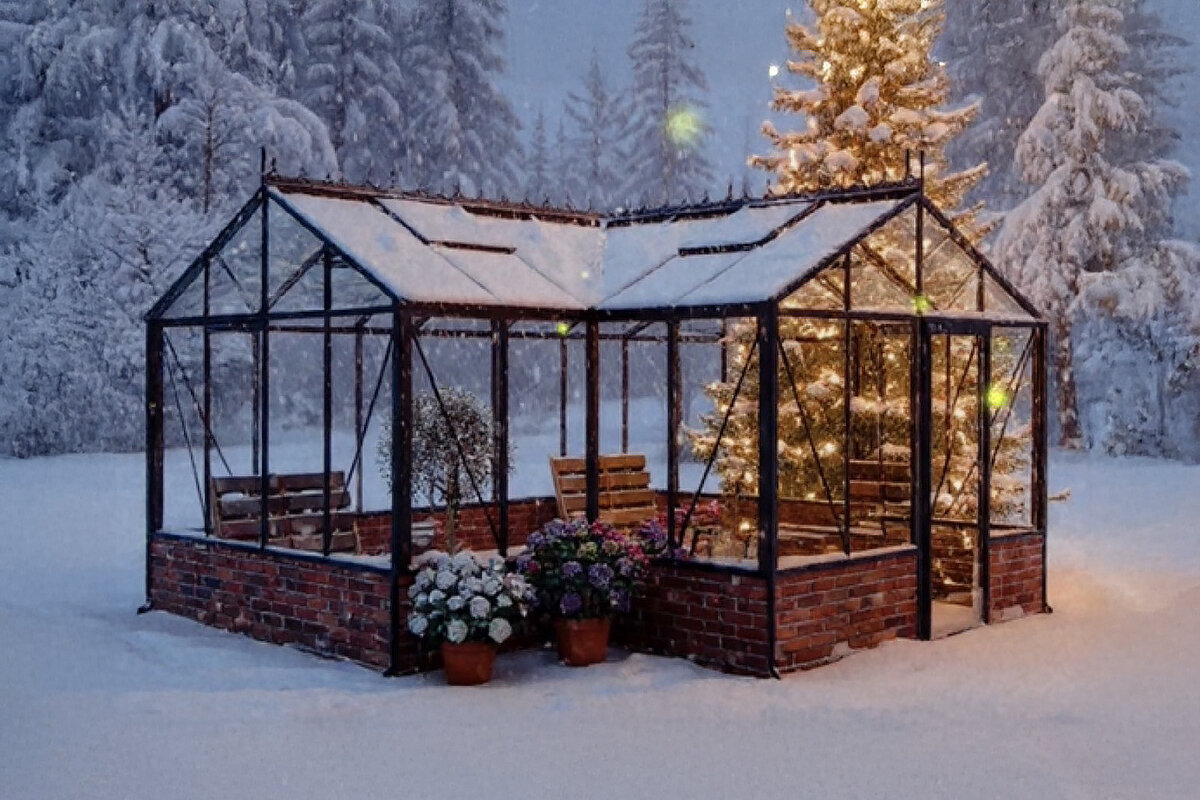
How to Store Potted Plants in Winter in a Bloomcabin Aluminium Greenhouse
Overwintering plants in pots is one of the most valuable long-term skills in greenhouse gardening, particularly in the UK, where winters are characterised by fluctuating temperatures, high humidity, frequent frost cycles, and limited daylight. Container plants experience winter stress far more quickly than plants growing directly in the ground, because their root systems are exposed to cold air on all sides rather than insulated by surrounding soil. As a result, potting compost cools rapidly at night, warms quickly during sunny winter days, and is repeatedly subjected to freeze–thaw cycles that damage roots and containers alike.
A high-quality Bloomcabin aluminium greenhouse significantly reduces these risks by providing shelter from wind, limiting radiative heat loss, capturing low-angle winter sunlight, and allowing gardeners to actively manage airflow and humidity. However, even in a well-built aluminium greenhouse, winter storage must be approached with proper technique if plants and containers are to survive consistently. Simply placing pots inside the greenhouse without adjusting container choice, soil protection, watering habits, and placement strategy often leads to avoidable losses.
This in-depth technical guide is written for UK gardeners and Bloomcabin customers who want reliable, repeatable results from greenhouse gardening throughout winter. It explains in detail how to store plants in pots during the colder months, why ceramic and terracotta containers are unsuitable for freezing conditions, why plastic pots, wooden boxes, and concrete planters perform better, and how mulch protects the root system from cold stress. The article also covers drainage strategy, thermal mass, pot grouping, winter watering, ventilation, humidity control, and greenhouse layout. If you are planning to buy a greenhouse for year-round use, or you already own a Bloomcabin aluminium greenhouse and want to use it as a dependable winter storage environment, the following guidance will help you protect plants, protect containers, and improve spring performance.
Why Potted Plants Require a Different Winter Strategy Than Plants in the Ground
Plants growing in open soil benefit from the thermal mass of the earth, which changes temperature slowly and buffers root systems from rapid fluctuations. Even during cold spells, soil temperatures below the surface remain relatively stable, particularly in the UK where prolonged deep freezes are less common than repeated short frost events. Container plants, however, lose heat through the sides, base, and surface of the pot, making the root zone far more vulnerable to sudden temperature drops.
In the UK climate, winter often brings alternating periods of frost, thaw, rain, and sunshine rather than continuous deep cold. These conditions are especially damaging to potted plants because repeated freeze–thaw cycles cause potting compost to expand and contract, stressing fine roots and increasing the risk of container failure. A greenhouse moderates this effect but does not eliminate it entirely, especially in unheated or minimally heated structures.
Many experienced UK gardeners follow the principle that a plant grown in a container behaves as though it were growing one full hardiness zone colder than the same plant grown in the ground. The purpose of using a Bloomcabin aluminium greenhouse is to offset that disadvantage by reducing wind chill, limiting overnight heat loss, and capturing solar warmth during the day. Nevertheless, correct overwintering technique remains essential if the greenhouse is to function as a true winter protection system rather than a simple shelter.
Why Bloomcabin Aluminium Greenhouses Are Well Suited to UK Winters
In the UK, winter greenhouse performance is less about extreme cold and more about managing moisture, fluctuating temperatures, and prolonged periods of low light. A Bloomcabin aluminium greenhouse is particularly effective in these conditions because aluminium frames remain stable and corrosion-resistant in damp environments, and the structure maintains consistent alignment throughout the year.
Aluminium greenhouses provide excellent compatibility with winter upgrades such as internal insulation films, thermal mass additions, and flexible ventilation strategies. The glazing allows valuable winter sunlight to penetrate the greenhouse, warming internal surfaces and helping to stabilise temperatures during the day. At night, the enclosed structure reduces heat loss compared to open outdoor exposure, which is critical for protecting container roots.
For UK gardeners considering whether to buy greenhouse equipment for long-term use, overwintering plants is often one of the strongest justifications. A well-managed aluminium greenhouse reduces plant losses, prevents pot breakage caused by frost, and ensures that plants enter spring healthy and ready for growth rather than weakened by winter stress.
The Core Problem: Freezing Water Expands and Containers Must Withstand the Pressure
One of the most common causes of winter failure in potted plants is mechanical damage caused by freezing water within the potting compost. When water freezes, it expands, creating outward pressure on soil particles and container walls. In the ground, this pressure is absorbed by surrounding soil. In pots, the pressure is concentrated directly against the container, and repeated freeze–thaw cycles amplify the damage.
The risk is greatest in wet winters, which are typical in many parts of the UK. Saturated compost contains more water, which means more ice forms when temperatures drop. If drainage is poor or pots sit in standing water, the likelihood of container cracking and root damage increases significantly. This is why container material choice and drainage management are central to successful winter storage.
Why Ceramic and Terracotta Pots Are Not Suitable for UK Winter Conditions
Ceramic and terracotta pots are popular in British gardens because of their traditional appearance and breathability, but they are poorly suited to winter storage, even inside a greenhouse. These materials are porous, meaning they absorb water from the compost and from humid air. In winter, absorbed moisture freezes within the pot walls, expands, and creates internal fractures.
The UK climate is particularly challenging for ceramic containers because winter temperatures frequently move above and below freezing. This repeated freeze–thaw cycle gradually weakens the pot structure until cracks appear, often suddenly and without warning. Thin-walled terracotta pots are especially vulnerable, but even glazed ceramic containers can fail due to unglazed areas or microscopic flaws in the glaze.
A practical UK-friendly approach is to treat ceramic and terracotta pots as seasonal display containers rather than winter work containers. Plants can be grown in durable inner pots during the growing season and placed inside decorative ceramic containers for summer, then removed and overwintered in plastic, wooden, or concrete containers inside the greenhouse. This protects both the plant and the decorative pot from frost damage.
Why Plastic Pots, Wooden Boxes, and Concrete Planters Perform Better in Winter
Plastic Pots
Plastic pots are one of the most reliable choices for winter storage because plastic does not absorb water and can flex slightly under stress. When potting compost freezes and expands, a quality plastic container can accommodate minor deformation without cracking. Plastic pots are also lightweight, which allows UK gardeners to rearrange greenhouse layouts easily in response to cold weather forecasts.
For best results, thicker UV-stabilised plastic should be used, as thin or degraded plastic can become brittle after years of sun exposure. Many professional nurseries rely on plastic containers for overwintering because they tolerate repeated seasonal cycling and offer predictable performance.
Wooden Boxes and Wooden Planters
Wooden boxes and planters perform exceptionally well in winter because wood provides natural insulation and does not crack when compost expands. Wood also slows heat transfer, which helps maintain a more stable root-zone temperature. In the UK, where winter cold is often damp rather than extreme, this buffering effect is particularly valuable.
Wooden containers allow for larger soil volumes, which further improves thermal stability. Provided that drainage is adequate and the wood is durable, wooden planters can last many years inside a greenhouse environment while offering excellent winter protection for shrubs, small trees, and perennials.
Concrete Pots
Concrete planters are well suited to winter use because they are heavy, dense, and thermally stable. The mass of concrete slows temperature changes within the compost, reducing freeze penetration and protecting roots. Concrete containers are also resistant to cracking under pressure from expanding soil, making them suitable for long-term greenhouse installations.
Although heavy, concrete pots offer exceptional durability and are ideal for permanent plantings where frequent movement is not required. Many UK greenhouse gardeners use concrete containers for woody plants and plastic containers for plants that require occasional repositioning.
Why Larger Pots Improve Winter Survival and Temperature Stability
Container size plays a crucial role in winter survival because larger pots create greater thermal mass. More compost means slower temperature change, which reduces root shock and decreases the likelihood that the entire root ball will freeze solid during cold nights. Small pots can freeze completely in a single frost, while larger containers often freeze only at the outer edges.
Larger pots also retain moisture more evenly, which helps prevent winter dehydration caused by dry air and low winter sun. For UK gardeners overwintering plants such as camellias, olives, figs, or container-grown fruit trees, increasing pot size before winter can dramatically improve outcomes.
Mulching Pots to Protect the Root System
Applying mulch to the surface of container compost is one of the most effective winter protection measures. Mulch traps air, which acts as insulation, and reduces rapid temperature swings at the compost surface where many fine roots are located. Mulch also reduces moisture loss during dry winter spells.
In UK greenhouses, suitable mulch materials include bark chips, wood fibre, coconut coir, and clean straw. A mulch layer of approximately 5–10 cm provides effective insulation without creating excessive moisture retention. Mulch should be kept slightly away from plant stems to avoid rot, particularly during damp winter periods.
Pot Placement and Greenhouse Layout for Winter Storage
Greenhouses develop microclimates, with colder zones near external glazing and warmer zones toward the centre. In winter, placing sensitive pots on the greenhouse floor rather than on raised benches often improves stability because the floor absorbs and releases heat slowly. Gravel, paving slabs, and concrete floors all contribute to thermal buffering.
Grouping pots together further reduces heat loss by minimising exposed surface area. Central placement of sensitive plants within clusters provides additional protection, particularly during clear nights when temperatures drop quickly.
Drainage, Watering, and Humidity Management in Winter
Drainage is critical in winter because standing water increases freeze expansion and promotes root rot. All pots should drain freely, and saucers should be removed unless absolutely necessary. Watering should be reduced but not eliminated, with moisture levels checked below the surface rather than judged by appearance alone.
Winter watering is best done during mild daytime periods, allowing excess moisture to drain before nightfall. Ventilation is also essential in the UK climate to prevent excessive humidity, which encourages fungal disease. Short ventilation periods during milder weather help maintain a healthy greenhouse environment.
