
Buying a Large Summer House on Black Friday: What Counts as Good Value?
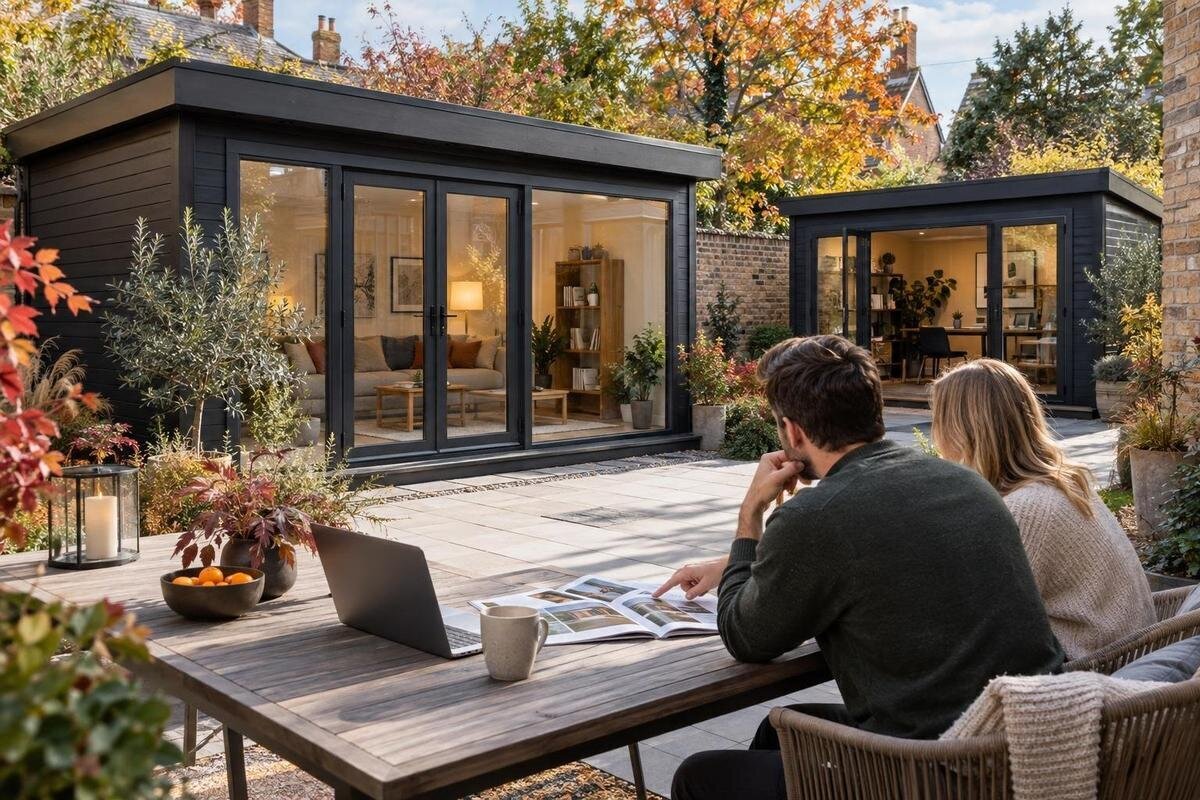
Black Friday buying guide
Buying a large summer house on Black Friday can look like an opportunity to gain more room for less, but a headline price reduction does not show whether a building will fit your garden or represent good value. The useful comparison is between what you need and what each offer actually specifies: usable dimensions, materials, construction, included features and any care the building may require. A larger footprint is worthwhile only when it supports a real use without restricting how you use the rest of the garden. This guide explains how to assess an offer on its merits; it does not assume that a promotion is active.
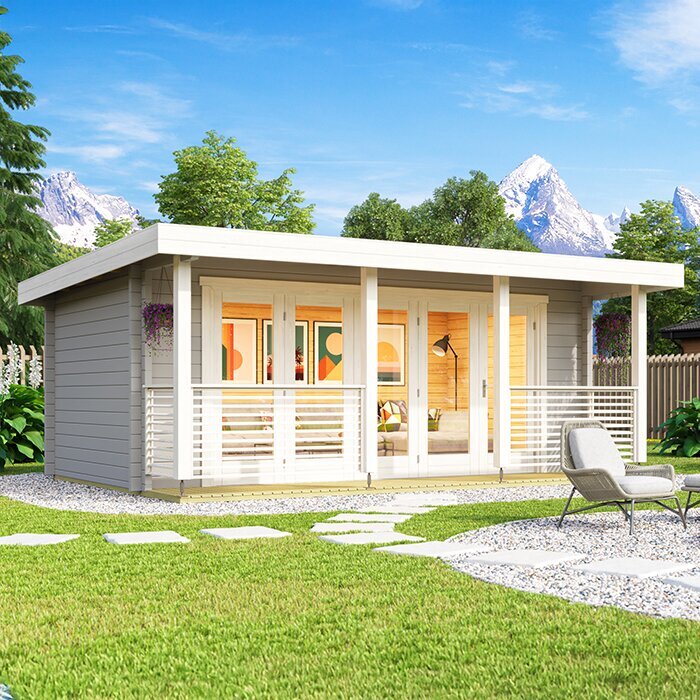
What to compare before buying 1
What “large” means for your garden
Before comparing Black Friday prices, decide what the summer house needs to do. It might be a place for shared seating, a hobby, occasional entertaining or a mix of activities; each use affects how much clear floor space and circulation you need. List the intended activities and the largest items that will occupy the room, then measure the part of the garden genuinely available for the building. Distinguish a regular requirement from an occasional possibility, because that changes how much extra space is worth buying. Do not count every open patch as usable: paths, planting, existing structures and access to the entrance matter too. A simple plan helps separate a real capacity requirement from the attraction of buying the biggest footprint on offer.
Mark the proposed footprint on the ground with string or a temporary outline, then check how it relates to paths, planting and the house. Include the entrance and any space needed for the door to open; the footprint alone does not show how the building will work in use. In your comparison, a listing such as the Garden House Verdana 1 product page should be judged by the measurements it states, not by the word “large” or the proportions in a photograph. Record the figures provided and note any clearance or installation requirements left for you to confirm. Check where people will approach the summer house and whether the rest of the garden remains usable. If the outline leaves too little room for ordinary access, a bigger model is unlikely to be a bargain simply because its price looks appealing.
External dimensions and usable interior space
External dimensions show how much garden a building occupies, not how much room will be available for furniture. Walls, the shape of the roof and the position of openings can all affect how the interior works. Compare internal width and depth where provided, and note the height if standing room or storage matters to your intended use. If a listing gives only outside measurements, record that limitation instead of calculating internal area from an assumed wall thickness. A single floor-area figure can also conceal awkward corners or a narrow section, so use a plan and internal measurements where available. The relationship between length and width matters too: one layout may leave more continuous space for your planned use than another with a similar stated area.
Build a comparison table that separates outside measurements, internal measurements and any stated heights. Use the Garden House Verdana 2 listing as another row in your notes, recording only the dimensions and plans actually provided. Write down the units so you do not mix metres and millimetres, and make clear which figure refers to which part of the building. Then compare the room shape with the furniture or equipment you have in mind. A long, narrow interior may work differently from a squarer one, even if the headline areas look alike; the entrance position may also affect furniture placement. Do not rank one design as more spacious in practice unless the published information supports that conclusion.
What to compare before buying 2
How intended use affects the size you need
Turn your intended use into a simple floor plan before paying for extra area. Mark the space taken up by a table, chairs, a work surface, storage or other important items, then allow for people to sit down, move between them and reach the entrance. A summer house can look spacious in a photograph while its practical layout leaves little continuous floor space; a plan or measurements are more useful than a wide-angle image. If you expect to use the room for more than one activity, sketch each arrangement instead of assuming one open space will serve every purpose equally well. This gives you a clearer idea of how much space is useful, rather than simply how much is available.
Separate regular uses from occasional possibilities. If the building will mainly support one activity, prioritise the layout and features that serve it. If you want a shared room, check that people and their belongings can fit at the same time. Flexibility may be useful, but buying extra floor area for a hypothetical future use does not automatically offer better value. A product page such as the Durano garden house listing can be recorded in the same comparison without guessing its capacity from its name or image: use stated dimensions and features, then test them against your plan. Note what would make you rule out an option, so an appealing offer does not quietly change what you think you need.
Compare the full specification
A listed price can only be compared meaningfully once you know which configuration it refers to. Check the exact model and size, then note what the package includes. For example, look for clear information about whether a floor, roof covering, finish, fittings or particular openings are included, optional or separate. Read the product description alongside any specification; a photograph may show a component without establishing that it comes with the version you are considering. If selecting an option changes the configuration or price, record it separately. This helps prevent a low headline figure for one arrangement being compared with the price of a more complete package elsewhere.
Use the Veltor 1 product page as one entry in a like-for-like worksheet. Note what it states about dimensions, construction, components and available choices, and mark anything not stated as “unknown”. Do the same for every alternative. The aim is to make differences visible, not to fill gaps with assumptions or infer specifications from a model name. Check whether the displayed price applies to the exact version you have recorded and whether a necessary option or stated delivery charge changes the amount you would pay. An unknown item does not prove a product is poor, but it does mean the comparison is not yet complete.
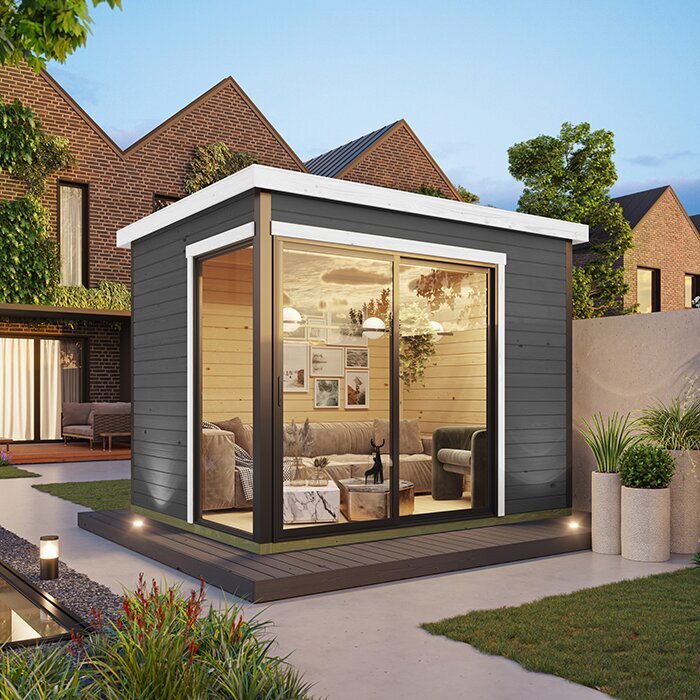
What to compare before buying 3
Materials and ongoing care
Materials affect how a building is described, what finish is supplied and what care may be needed over time. Compare the written information rather than relying on a general word such as “wooden” or a colour in a photograph. Where an option is described as timber, look for details about the main parts made from it, the supplied finish or treatment, and whether further finishing is required. Check the care guidance for the relevant surfaces and components. If material details or treatment are not listed, do not assume that a particular appearance means the material is protected or ready for use. Record the wording and ask for clarification if it affects your decision.
The ongoing commitment belongs in the value comparison as well as the initial price. If the maker’s instructions call for separate finishing, regular inspection or particular cleaning, decide whether that is acceptable to you before ordering; avoid estimating long-term costs from guesses. A listing such as the Orello 1 product page can be assessed in the same way as any other: record only its published material and care information, and ask about omissions. Do not infer wall material, finish or maintenance needs from the model name, page imagery or a seasonal price label. Clear guidance makes comparisons more useful, even when options have different specifications.
What construction information to check
Construction is harder to judge from exterior photographs than style or apparent size. Look for a written description of the wall, roof and floor construction, how components are joined, which fixings are supplied and what the assembly package contains. Not every listing will give the same level of detail, so compare the evidence available rather than treating a broad phrase such as “solid build” as a measurable specification. If technical terms are unfamiliar, ask the seller or an installer to explain them. You are looking for information that helps you understand what is being supplied and how it is intended to be assembled, not a visual promise.
Read assembly documentation before ordering if it is available. It may clarify what components are supplied, what work is expected and whether you need to arrange assembly separately. Check for stated prerequisites, tools or extra materials, and do not treat an omission as proof that an item is or is not included. If the construction description is too broad for a fair comparison, ask for more detail or seek advice from an installer. For example, the Modano 1 listing can be added to the same evidence grid without inferring its build from the model name or picture. Clear documentation is a more useful basis for comparison than decorative photography.
What to compare before buying 4
Which features are worth paying for?
Features add value when they improve the way you expect to use the room, not simply because they make a specification look longer. Consider whether you need natural light, a particular entrance arrangement, ventilation, privacy or a supplied floor, then check that the chosen version is actually described as having those features. Look for details about the type and position of windows, how openings work and what is included. Do not assume that a photograph shows every supplied element or reveals how it operates. If an optional feature is needed to make the layout work for you, include that option in the price comparison. This keeps your assessment tied to practical use rather than sales language.
Rank features as essential, useful or unnecessary before comparing versions. A useful feature should solve a real problem or make the space work better for a regular activity; an appealing extra may have little value if you will not use it. Check whether a feature is part of the listed package or an option, and whether adding it changes the price or configuration. The Veltor 2 product listing can be assessed with the same feature checklist as other pages, without assuming anything from its model name. This also helps when two options have different combinations of features: compare what each offers against your priorities instead of treating a longer list as automatically better.
Compare the advertised price with the offer terms
Treat the Black Friday label as a reason to inspect the offer, not as proof that it is good value. Check the price for the exact size and configuration you want, and read the terms for any stated dates, exclusions or conditions. If the offer applies only to particular versions, make sure the price you have noted matches your chosen one. Compare it with similar options using their current listed prices and specifications; do not assume a displayed reference price establishes how well the building suits your needs. If a voucher, add-on or delivery condition is mentioned, note whether it applies to the version and location you are considering. No active reduction should be assumed without explicit offer details.
A price-per-area figure can provide a rough screening tool only when the area measurements are comparable, preferably using stated internal dimensions. It cannot account for layout, construction details, care requirements, included items or features. For the Veltor 3 product listing, record the price and specification for the exact version shown, then compare those details with your other entries rather than inferring them from the model name. Note any required options or charges disclosed during ordering so you are not comparing a basic listed price with a different package. The useful question is what the price buys you, not how striking the advertised percentage looks.
What to compare before buying 5
Site fit and access for a large summer house
A building may fit its proposed footprint and still be difficult to place or assemble. Check the route from the delivery point to the garden, including gates, turns, steps and narrow passages, and compare those measurements with any information supplied about the parts or delivery. Think about where people will approach the entrance and whether the building will obstruct paths or other parts of the garden. Also consider how much room remains for planting, seating or ordinary access once the footprint is in place. A size that works on paper may be less useful if the route to it or the space around it is awkward.
Check the product instructions for any stated requirements around the site, clearance or base, rather than assuming the same preparation suits every building. Ground conditions can affect what is appropriate, so ask a qualified installer or other relevant professional if the guidance is unclear; do not rely on a generic assumption for a particular site. Consider whether you will be able to access the outside for the care described by the maker. Delivery and assembly arrangements are worth confirming as part of the purchase, but they do not replace checking that the building and its route will work in your garden.
A practical checklist for judging value
Bring the comparison together in a short scorecard. List your must-haves, then record the stated external and internal dimensions, materials and care guidance, construction information, useful features, included items and price terms for each option. Mark each point as met, not met or unclear; this makes missing information visible without pretending to score it. Give the most weight to requirements that affect whether the building fits or serves its planned use. A numerical ranking can help organise preferences, but it is only useful if the details behind it are reliable. Keep the exact model and configuration beside each entry so you do not compare different versions by mistake.
A lower price for an option with unclear dimensions or package contents is not yet a like-for-like bargain. Ask about the missing detail if it could change your decision, and treat an unanswered question as uncertainty rather than an advantage. The strongest choice is the one whose usable space, construction, features and terms match your priorities and the garden you have measured. If the main attraction is the Black Friday label but the size or specification does not fit, the reduction is not a reason to buy it. A clear comparison lets you judge the offer on what it actually provides.
Frequently asked questions
How can I tell whether a Black Friday offer is good value?
Compare the exact size and configuration, usable dimensions, stated materials and construction, included items, features and price. Check the offer terms and any conditions that apply. If the options differ, the comparison is not like for like. A low price on its own cannot show whether a summer house will suit your garden or needs.
Are percentage reductions a reliable guide?
A percentage reduction does not tell you whether the building fits your garden or what comes with it. Check the price for the exact version you are considering, read the offer terms and compare its specifications with similar options. Do not assume a Black Friday label means every size or configuration is discounted.
Should I pay more for extra space?
Only if the additional area supports a planned use and fits the plot. More room can help with a particular layout, but it can also take up garden space without making the interior more practical. Compare the internal shape and the space left around the building, not only the largest external measurement.
How can I compare construction details if listings differ?
Compare the information each listing provides about the walls, roof, floor, supplied components, assembly and care. Treat broad descriptions and attractive photographs as different from specific construction details. If an important point is unclear, ask about it and record the answer rather than assuming one option is better.
What should I do if a listing omits measurements?
Mark the measurement as unknown and ask for it rather than estimating internal space from the exterior dimensions or a photograph. If the missing detail affects whether the building will fit or provide enough usable room, wait for clarification before ordering. A guess cannot make two offers comparable.
Good value in a large summer house comes from getting the space you will use, with materials, construction, features and included items you can verify. On Black Friday, compare the exact versions and offer terms rather than letting a headline price fill in details the listing does not provide. If dimensions or construction remain unclear, asking before ordering is more useful than making an optimistic guess. When the building fits the garden and its written specification suits your priorities, you can judge the price in context.
