
How to Reduce Your Sauna Project Budget Without Compromising Essential Requirements
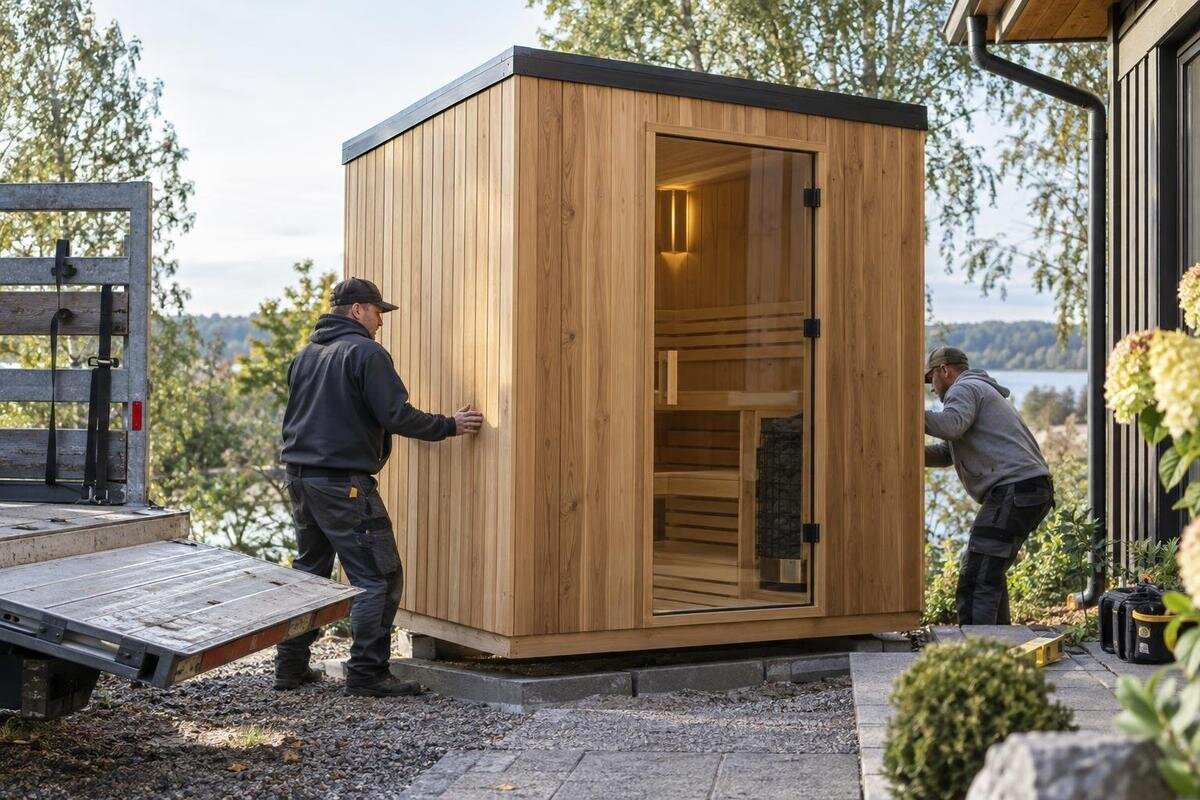
Sauna budget guide
Sauna project costs are easier to manage when the brief separates what the finished installation must do from the features that can be changed or delayed. The most reliable savings usually come from controlling scope, identifying site work early and comparing complete quotes. Electrical, structural, fire-safety and ventilation requirements belong in the plan; they are not optional upgrades to trade away.
01
Write the sauna brief before requesting quotes
A sauna budget is easier to control when every quote answers the same brief. Before asking for prices, record where the sauna is intended to go, who will use it and how often, and which parts of the surrounding project are included now. Note fixed constraints such as available space and existing site conditions, but separate these from preferences. Wanting a finished garden setting, for example, is not the same as needing every decorative surface or piece of outdoor furniture before installation. Define the boundary between the sauna, its support, services and outside finishes: without it, an item can fall between suppliers. A concise written brief avoids paying for features simply because they appear in a proposal and makes genuine differences between quotes easier to spot.
Divide requirements into three groups: essential to safe, usable installation; preferred if the budget allows; and optional or suitable for a later phase. Include the instructions and requirements for the selected sauna and heater, together with electrical, structural, fire-safety and ventilation provisions identified by the manufacturer and relevant qualified professionals. Do not mark any of these as optional just to make the total look lower. Ask everyone pricing the project to work from the same priorities and flag anything they have assumed. If the budget has a firm ceiling, say whether it covers all project work or only sauna supply; otherwise, quotes may describe different totals. The brief then gives you a reference point when a finish, site condition or quote changes.
Compare complete project quotes
Ask for an itemised breakdown of the sauna and its configuration, any equipment included, work on the support surface, assembly, electrical work, ventilation-related tasks and finish work where applicable. Mark every line as included, excluded, owner-arranged or provisional pending assessment. Ask who is responsible for exclusions: a low total can simply move work to another contractor or to you. The format need not be identical across suppliers, but each necessary task must map to a person and a price or clearly identified allowance. Do not treat an unpriced item as free. Check the quote date and ask whether a change in configuration would require it to be revised.
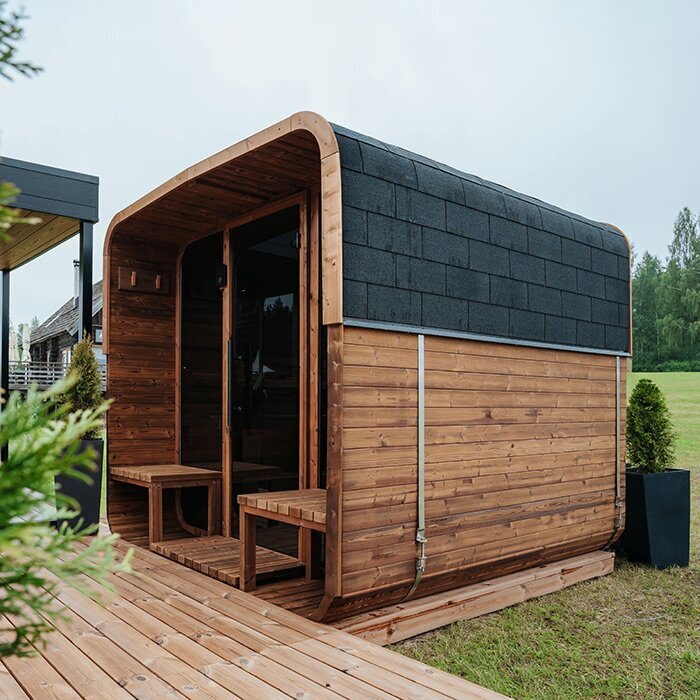
Use the same brief and, where possible, the same named model for each comparison. When requesting a quote for the Sauna N-250, ask the supplier to identify the configuration, equipment and work being priced. Record these details beside the total rather than relying on the product name alone. Ask how provisional lines will be confirmed and what information the supplier needs. If the price depends on a site visit, record that assumption beside the figure. Also check whether quoted totals include VAT. Comparing like with like can reveal whether an apparent saving reflects a different scope rather than a genuinely lower-cost solution.
02
Set the scope to match intended use
One way to manage the budget is to include only the usable space and features the brief calls for. A larger layout can expand the product and related work, while extra rooms or zones may add to the project beyond the sauna itself. Decide which functions are needed in the sauna and which could be outside it or left out. Include changing or relaxation space only if it has a clear role in your project, rather than paying for it simply because it appears in a display concept. Do not choose the smallest option on paper before checking its usable arrangement, access and installation requirements. If it does not work for its intended users, changing the plan later may be more disruptive than making a considered choice at the outset.
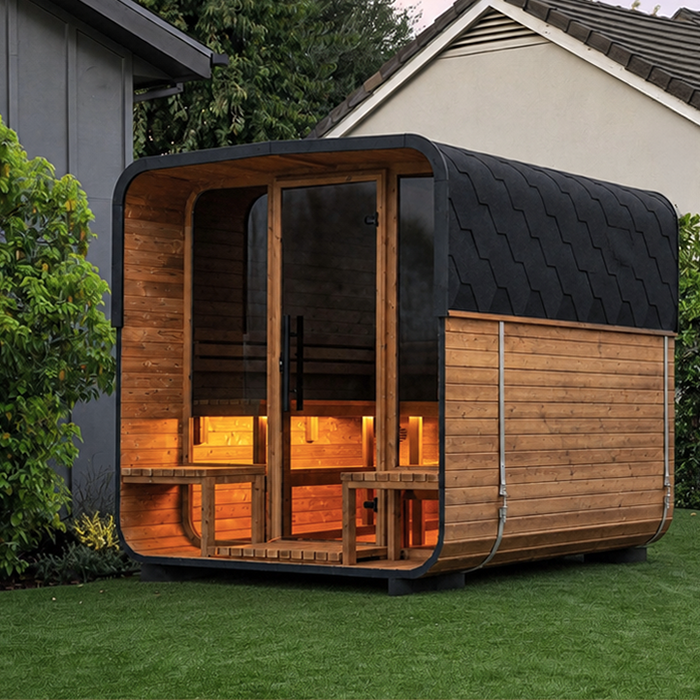
Ask suppliers for current, model-specific dimensions and an interior plan, including the layout and any space needed for access and safe use. If you are considering the LC-260 sauna, use those documents to check which parts of your brief the quoted configuration would meet. Request prices for complete alternatives and record which options have been included or left out. Where an extra space serves only occasional use, consider whether an existing space elsewhere could fulfil that role without creating additional work. Compare the resulting total costs rather than an area figure alone. Reducing scope is worthwhile only when the revised arrangement still works for the intended users.
Confirm site preparation before committing
Site readiness affects the budget because preparation, support work and service routes may need to be revised once conditions are known. Identify the intended position, existing surface, levels, drainage and any space required around the sauna, using current manufacturer documentation for the selected model. Have the site and any structural questions assessed by an installer or appropriately qualified professional. An existing patio, deck or paved area should not be assumed suitable without confirmation. A product photograph or generic base advice cannot establish what a particular site requires. If conditions remain uncertain, show the related work as a provisional allowance rather than recording it as a zero-cost item.
For a candidate such as the Sauna HCF-300, obtain the current drawings and written base requirements before asking contractors to price site preparation. Confirm who will clear the area, prepare the surface, coordinate services and reinstate any disturbed finish. Where practical, ask for necessary preparation and optional landscaping to be priced separately: this makes it easier to retain the former while reducing or postponing the latter. Record what the contractor has inspected and which conditions remain uncertain. Keep owner-arranged tasks on the same project list as supplier tasks, including any materials or equipment you must provide, so that their costs are not lost between quotes.
03
Protect electrical, structural, fire-safety and ventilation work
Treat technical and safety provisions as essential budget lines, not elective upgrades. Electrical work, structural support, fire-safety measures and ventilation must follow the instructions for the selected sauna and heater and be reviewed for the actual site by appropriately qualified professionals. Requirements can depend on the chosen equipment and setting, so generic guidance or a lower-priced package is not a substitute for an assessment. Do not make the total fit by omitting a specified provision, assuming an existing circuit is suitable, reducing necessary clearances or changing the ventilation arrangement. If a proposal is unclear about a requirement, ask for clarification before comparing its price with another.
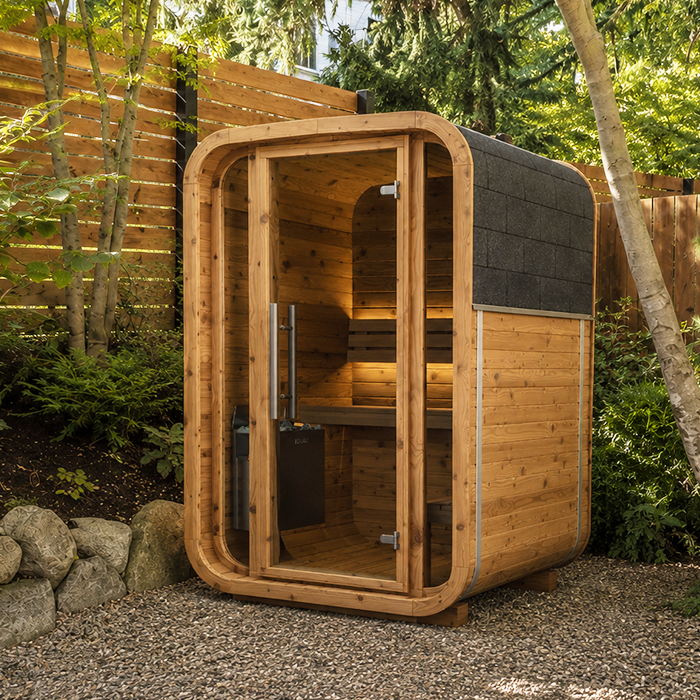
Before ordering, confirm the sauna and heater configuration, which professional will assess each relevant task, and what work is included. A quotation for the HCF-225 sauna should be supported by the applicable manufacturer instructions and a clear allocation of responsibilities. Ask whether assessment, installation and any necessary testing or handover documentation are covered by the quoted work. Resolve gaps between the sauna supplier’s scope and the trades’ scope before accepting either proposal. Where two contractors have allowed for the same task, clarify who will do it rather than removing the provision altogether. This controls duplicated expenditure while keeping the required work in the project.
Separate optional finishes from required specification
Ask the supplier to distinguish the specified finish from any upgrade options actually available. Depending on what is offered, visual choices may include a colour treatment or other decorative detail; landscaping, decorative paving and separate outdoor furniture can also be considered as distinct parts of the wider project. These are options to review, not items that are automatically safe to remove. A component or finish required by the manufacturer’s instructions belongs in the essential specification. Request a version with the required scope and another with your preferred extras, so each optional line has a clear price and can be declined without changing safety or technical provisions.
When discussing the S-140 sauna, ask which finishes are included and whether any offered alternatives affect care instructions, compatibility or on-site work. Record the selected finish in the quote and use the same choice across supplier comparisons. For each optional upgrade, request its additional cost rather than comparing two unexplained package totals. Also ask whether choosing it later would require components to be removed, surfaces to be prepared again or another contractor visit. A genuinely optional visual upgrade may be worth postponing, but its later cost should remain visible in your plan. Declining an upgrade is different from omitting a finish required by the manufacturer.
04
Phase surrounding work without leaving the sauna incomplete
A project can sometimes be staged so that the sauna and its essential work are completed before non-essential surrounding improvements. Where relevant, landscaping, decorative surfacing or separate seating may be considered for a later phase. Do not defer work needed for support, drainage, ventilation, required clearances, fire safety, electrical provision or safe access. Nor should a sauna be used while essential work or checks remain incomplete. Ask the supplier and relevant trades which elements must be ready for installation and use, rather than deciding from appearance alone. This separates optional scope from necessary work without treating an incomplete installation as a finished budget saving.
If the Sauna HC-150 is on your shortlist, use its current drawings and instructions when agreeing the sequence of work with suppliers and trades. Record which tasks belong to the first phase, who will complete them and what is deliberately deferred. Keep access to services and areas needed for inspection or maintenance clear. Ask whether later landscaping would disturb completed work or require equipment to pass through the finished area. Compare the cost of completing an optional task now with the likely cost and disruption of returning later. Phasing changes when money is spent; it does not necessarily reduce the total, so keep both figures visible.
Control changes before they cause rework
Changes are easier to assess when the project details are recorded before work is ordered. Keep one current version of the brief, the selected model and configuration, the site plan, the relevant manufacturer documents and the agreed quote. Record the date or revision of each drawing and note any difference between the drawing and the work being priced. A change to an opening, equipment choice, service route or finish can affect other decisions, so do not treat it as a cosmetic edit without asking. Any change to a technical or safety detail should be reviewed by the relevant professional before it is accepted.
Once a model such as the HC-225 sauna has been selected, obtain the current documents for the exact configuration and make sure suppliers and trades are referring to the same versions. Name one person to approve changes and ask for the cost and practical implications in writing before agreeing to them. A change record should identify what is being added or removed, any credit for omitted work, and which other quoted tasks are affected. Keep the original quote and revised scope together. This prevents a small request from becoming an open-ended instruction and helps distinguish an essential correction from an optional addition.
05
Budget for running costs using clear assumptions
Keep expected running costs separate from the initial project budget so that one does not obscure the other. Ask for documented power information for the heater intended for the chosen sauna, and for any running-cost estimate to state its assumptions, including expected frequency of use and the electricity tariff used. Maintenance should also be considered separately, following the manufacturer’s care instructions. A generic annual figure may be based on another model, tariff or pattern of use, so do not treat it as a promise. If the inputs are not confirmed, label the estimate as indicative rather than using it to make a firm comparison.
For a shortlisted model such as the Sauna N-210, ask which heater configuration the supplier’s estimate assumes and how electricity consumption has been estimated. A heater’s rated power alone does not establish the energy used over a session or a year; the estimate also needs an operating-time assumption and an explanation of how the heater runs during that period. Compare estimates using the same usage pattern and your own tariff. For maintenance, ask which care products, replacement items and professional visits are anticipated, distinguishing scheduled care from possible repairs. This gives you a clearer ownership budget without confusing uncertain future spending with the confirmed purchase cost.
Review the full project budget before ordering
Before committing, organise the cost plan into confirmed quotations, provisional allowances, work arranged by you and items deliberately deferred. For each line, record who is responsible, what information is still missing and what would turn an allowance into a firm price. Keep optional upgrades separate from the essential specification, and avoid hiding uncertain work inside a single total. This also helps you spot double counting: a task may have been allowed for by more than one contractor, or by none. Use the site assessment, quote details and current manufacturer documents to replace assumptions where possible. Do not add a blanket contingency figure without relating it to the uncertainties in this particular project.
Then check that every essential requirement has a named owner and a corresponding quote or confirmed allowance, including relevant professional work. Compare the complete project total, not just the sauna supply price, and retain the assumptions behind any running-cost estimate. If the budget is still too high, reconsider decorative finishes, peripheral work, optional space or the timing of non-essential tasks. Make those changes early enough for suppliers and qualified trades to review the revised scope. A well-controlled budget is not the lowest headline figure: it is a clear account of what is needed, what is included, what remains uncertain and what can genuinely wait.
Frequently asked questions
Where can I reduce a sauna project budget safely?
Review genuinely optional visual finishes, decorative work around the site and non-essential furniture or accessories. Before deferring anything, confirm with the supplier and relevant trades that it is not needed for safe access, support, ventilation or another essential requirement. Do not save money by removing required electrical, structural or fire-safety provisions.
Is the smallest sauna always the most economical choice?
Not necessarily. A smaller option may not suit the intended use, and a model name or catalogue image cannot show the full usable layout or installation requirements. Compare current drawings, the exact configuration and the complete project scope, then decide whether the space and features match your brief.
What should I check in a sauna quote?
Check that it names the model and configuration, states what equipment and work are included, and identifies exclusions, allowances and tasks assigned to you or another contractor. Compare quotes against the same brief, including site preparation and any required professional work. Do not treat an unpriced task as a saving.
Can I reduce the electrical or ventilation requirements to lower the price?
Do not remove or change a requirement to make the quote cheaper. Ask for the current instructions for the selected sauna and heater, and have the actual installation requirements reviewed by appropriately qualified professionals. If the budget is too high, revisit optional scope or finishes instead.
How should I budget for uncertain site-preparation work?
Arrange an assessment of the actual site and ask for the identified work to be priced separately. If some details remain unknown, keep them clearly labelled as provisional rather than recording them as zero cost. Confirm who will carry out each task and what information is needed to finalise its price.
The soundest savings come from deciding what to build now, choosing finishes selectively and avoiding rework, not from omissions in the technical brief. Define the essential requirements first, check the site before work is committed and compare quotes with each uncertainty visible. Then adjust optional scope while protecting the electrical, structural, fire-safety and ventilation provisions. That way, the budget describes a complete project rather than a deceptively low starting figure.
