
Outdoor Sauna Costs: Planning for Installation
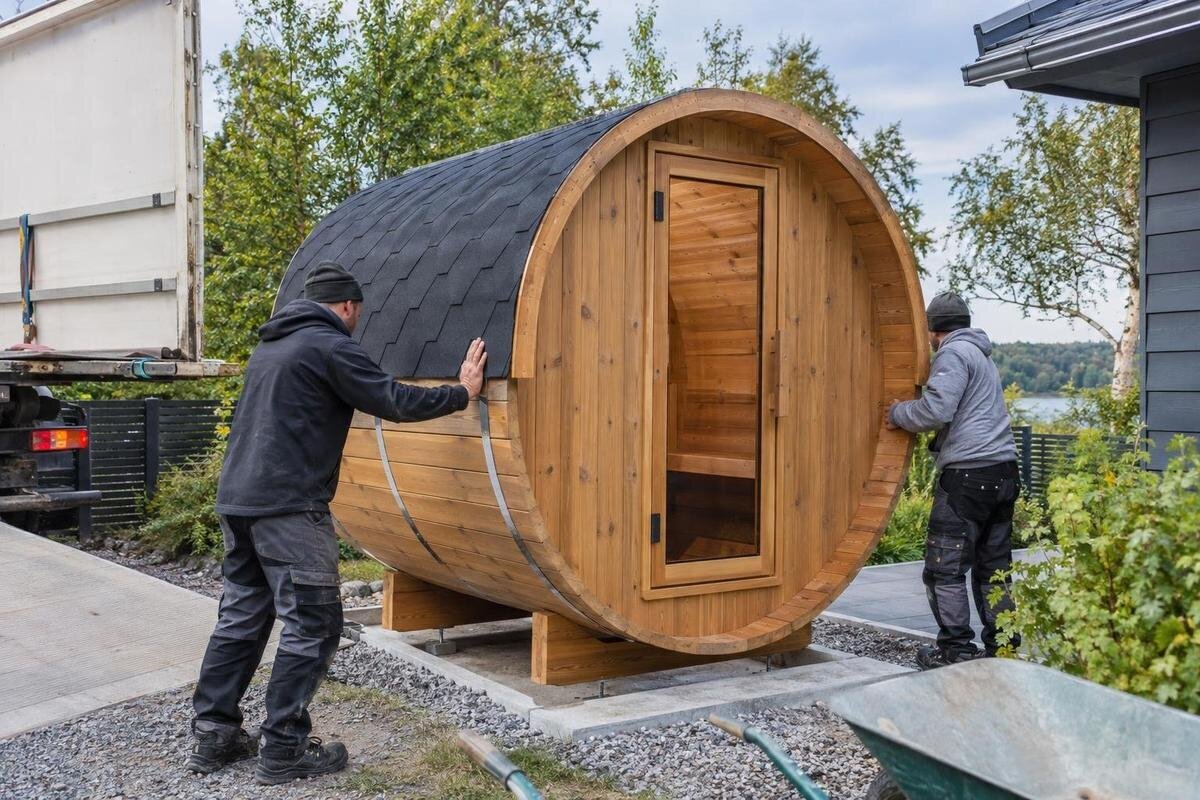
OUTDOOR SAUNA COSTS
An outdoor sauna’s purchase price is only one part of the amount needed to have it installed. A complete one-off budget includes the cabin and chosen heater, a suitable base, any required service work, delivery and unloading, assembly or installation, and site preparation that is not included elsewhere. The final figure depends on the exact configuration and what already exists at your property, so generic online averages cannot replace current local quotations. This guide gives you a practical way to define the scope, compare quotes and keep the installation total separate from the ongoing cost of heating and maintenance.
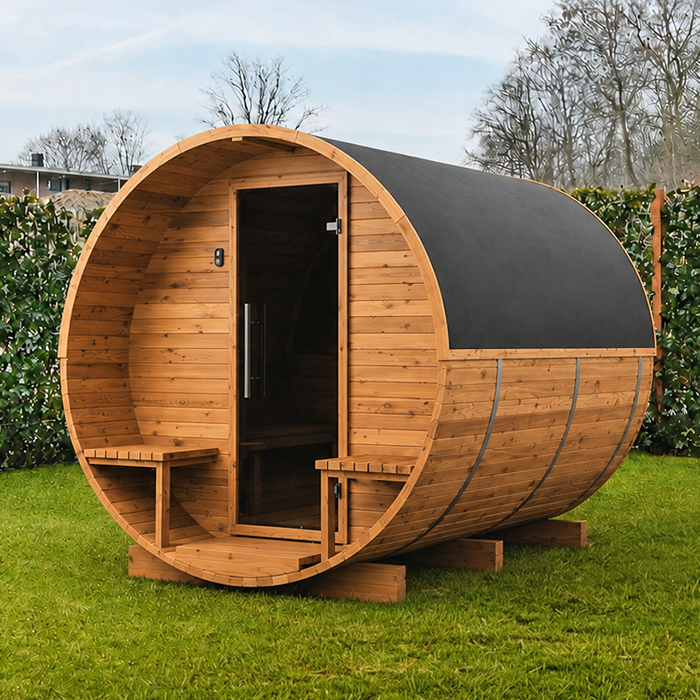
What to include in an outdoor sauna installation budget
Treat the job as several priced scopes rather than one cabin figure. Record the sauna cabin, selected heater and any controls or accessories required for that configuration, base or foundation work, heater-related services, delivery and unloading, assembly, and commissioning or handover if offered. Add site clearance, alterations and VAT if those items are outside quoted packages. The word “installation” is not a reliable definition: one seller may mean assembly, while a separate trade visit may be needed for groundwork or connections. Ask each provider to state precisely what its price covers. Separate essential work from optional improvements, such as changes to the surrounding garden, so you can see both the cost of completing the sauna and the cost of the wider project.
Set up a one-off budget with a row for each scope and columns for the provider, quote date, amount, VAT treatment, assumptions, exclusions and whether the figure is firm or provisional. If one package combines several jobs, keep its full amount in the total but ask for a clear written scope; do not add the same work again under a second trade. Record optional extras separately until you decide whether they are needed. Note whether each quote is based on a site visit, drawings or information you supplied, and what must be confirmed before a provisional figure can be finalised. The aim is to expose missing work before an order makes the plan harder to change.
Choose the cabin and heater configuration first
Start by fixing the configuration you want priced. The cabin model, layout and selected options determine what the supplier is quoting; the heater choice can also change the connection or flue work and what needs to be supplied. Write down whether the price is for the cabin alone or for a package with a named heater and associated items. If it is on your shortlist, keep the Sauna N-250 product page with the enquiry as a model reference, then ask the seller to price the exact current configuration. A model name is not a substitute for a bill of materials. If you have not settled on a heater, request separate prices for the cabin and the alternative heater setups.
Compare like with like rather than assuming two headline prices represent equivalent projects. Confirm the layout and any options from current drawings and the supplier’s description; note any choices that change the quoted package. Request the relevant manual or installation drawing early enough for the base contractor and other trades to work from the same information. If you are weighing different cabin options, ask for a separate price for each defined configuration instead of using one quote as a proxy. Check that the quotation names the options and version it covers, particularly if drawings or product details have been updated. This helps reveal whether a change affects only the cabin price or also delivery, base preparation and fitting.
Confirm what the supplier’s price includes
Ask the seller for an inclusions schedule that names each supplied component and service. Check whether the amount covers the cabin, heater, controls, heater components, internal fittings, assembly, delivery, unloading and waste removal; do not assume these are included simply because a product is pictured or described as a sauna. Ask what must be bought separately and whether the quoted configuration can be changed. A catalogue listing, such as the Sauna LC-260 page, can identify the model you are discussing, but the seller should confirm current contents and pricing in writing. Product photographs are illustrative, so ask whether any visible extras are part of the quoted package.
Ask the seller to mark each line as included, optional, excluded or supplied by you, then look for gaps between providers. A supplier may deliver the cabin while an installer handles assembly, and neither quote may include the base or a heater connection. Request the VAT treatment and note any postcode limits, travel charges, quote expiry, payment terms and assumptions about a ready site. If one supplier calls an offer a “complete package” and another itemises its work, translate both into the same budget lines before comparing them. These commercial details help establish whether the total on your sheet is genuinely comparable, not just whether the headline amounts look similar.
Price the base and groundworks for the actual site
The base is a separate project cost unless a written package explicitly includes it. Do not choose between paving, a concrete base, a deck or another support by appearance alone: the required support depends on the manufacturer’s instructions and the condition of the proposed site. An existing patio or deck is not automatically suitable. If you are considering the Sauna HCF-300, ask the supplier for its current installation drawing and give it to the installer or groundworker assessing the site. Request a quote for the preparation that this assessment identifies, including any work needed to adapt an existing surface. This gives the contractor a defined basis for pricing rather than leaving the base as an unspecified allowance.
Get groundwork priced from a site visit where possible. Ask the quote to distinguish excavation or removal of existing material, levelling, materials, material delivery, disposal, access restrictions and any drainage or other work the professional considers necessary. Some items may be irrelevant at your site and others may affect the total, so avoid adding a standard allowance without checking. Make sure the person assessing the work sees conditions such as a slope, soft ground or restricted access. Clarify how completion of the base will be confirmed before delivery, and whether an additional visit would cost extra. The budget should reflect written guidance for the chosen sauna and the actual ground, not a guess based on a generic drawing.
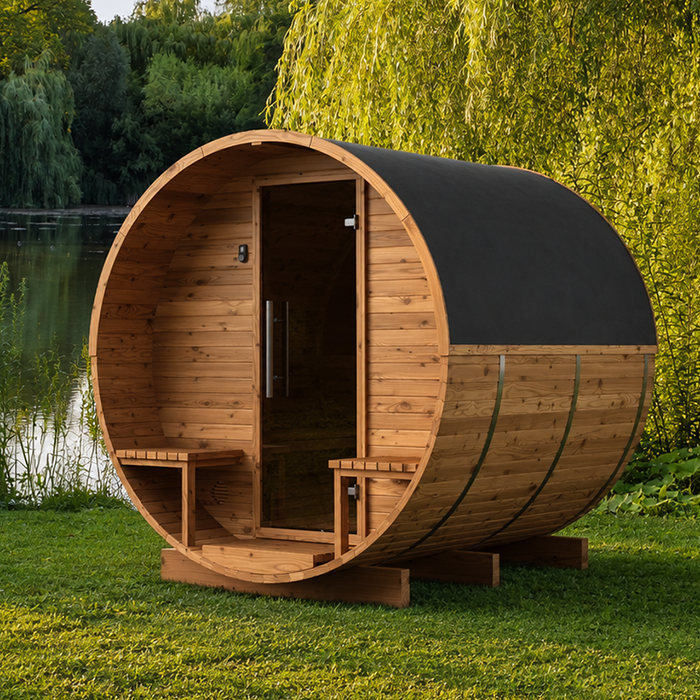
Include the heater’s service work
For an electric heater, include electrical work as its own quoted scope unless the supplier and installer have explicitly confirmed it is part of their package. The electrician needs the heater specification and manufacturer’s instructions to assess the existing supply, connection route and any work needed at the property; those details cannot be costed reliably from the cabin name alone. Ask who supplies the heater and its controls, who connects it, and whether a separate site visit is charged. Use an appropriately qualified professional and do not assume the property’s existing electrical provision is suitable. Ask the electrician to identify any work that is excluded or may change after an assessment.
If you are considering a wood-fired heater instead, request a separate price for the stove, flue-related materials and professional installation, along with any site checks the installer says are necessary. Have the specialist confirm the complete arrangement against the manufacturer’s requirements and applicable local advice; do not estimate the work from a generic diagram. Provide the exact model reference, such as the Sauna HCF-225 product page, when asking what heater configuration is available, then check the written quote rather than inferring equipment from the listing. If you are still comparing heating options, get equivalent quotes for each route so that neither is missing the associated installation work.
Check delivery and access costs
Delivery and installation are different cost lines. Before accepting a delivery figure, give the supplier the full delivery postcode and describe the route from the vehicle to the intended position: gates, turns, steps, changes in level, surface conditions and overhead obstructions may affect how goods can be moved. Ask the supplier to confirm the number and size of packages, their approximate weights, the unloading method and whether the price ends at the kerb or includes carrying to the site. When requesting a delivery quote for the Sauna S-140, include photographs or measurements of any access restrictions the supplier asks you to document. Establish where responsibility for handling passes from the delivery team to you or your installer.
Check whether the quote allows for suitable vehicle access, unloading equipment, a longer carry or other handling support, if the delivery company says it is needed. If access has not been assessed, ask whether a site check or photographs will confirm the method and price, and what happens if the vehicle cannot reach the agreed point. Confirm whether storage, a second delivery attempt, packaging removal or moving materials to the build area carries a separate charge. Ask whether the delivery price assumes help from you or any other condition. Coordinate timing with the installer so the sauna is not sent before the base and site are ready.
Define installation and handover
Ask what “fitting” covers in the installer’s written scope. It may refer to assembling the cabin, placing it on a prepared base, fitting internal components, installing the heater, connecting services, checking operation or giving a handover; these tasks are not necessarily included together. Ask who is responsible for each one and whether different trades will attend on separate days. If you are seeking an assembly quote for the Sauna HC-150, provide the installer with the supplier’s confirmed configuration and assembly documentation. Ask what must be ready before the team arrives and which supplied components they will fit. This helps distinguish the installer’s labour from equipment purchases and work assigned to other trades.
Request an itemised installation quote that states labour, travel, materials or consumables, site-readiness assumptions, excluded work, waste removal and VAT treatment. Ask whether a site survey is included and whether any amount is provisional until access or ground conditions are confirmed. Agree how changes will be approved and priced before additional work begins, and who will contact other providers if one task depends on another. Find out whether commissioning or an operating handover is included and which documents will be supplied. Record who will check the delivered items and report anything missing or damaged. Read the payment and cancellation terms rather than assuming they are standard across installers.
Allow for site preparation and unresolved risks
Site preparation can create costs beyond the base itself. The area may need clearing, an old structure or surface may need removal, or access may require extra handling; whether any of this applies needs an assessment. Tell each provider about nearby structures, boundaries, existing services and anything that could restrict equipment or deliveries. Ask them to state which conditions they have checked and which remain assumptions. Photographs can help explain a site, but may not replace a visit where a trade needs to assess it. If planning, building or fire-safety questions arise, refer them to the relevant local authority or an appropriately qualified professional. Include the Sauna HC-225 product listing with current manufacturer information and site details in the enquiry.
Keep a contingency as a separate reserve for unresolved risks, not as an invented percentage presented as a quote. Its size should reflect what remains unknown, such as a base that has not been inspected, unclear service routes or unconfirmed delivery access. Ask the installer to identify which prices are fixed and which could change after a survey, and what would trigger extra work. For each provisional amount, record the reason, who will confirm it and when. As soon as an uncertain item is assessed, move its expected cost into the relevant budget line rather than leaving known work inside the contingency. A clearly labelled reserve keeps the total realistic without disguising uncertainty in an unexplained lump sum.
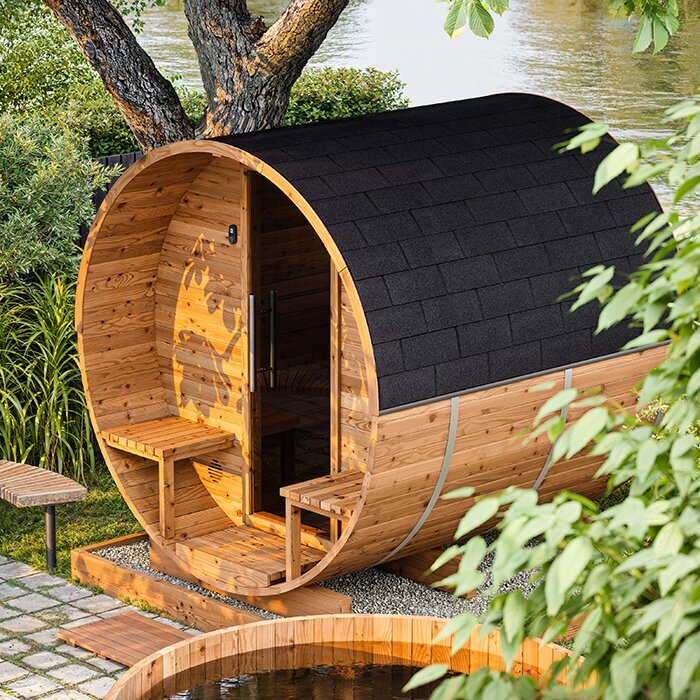
Keep running costs separate
Keep one-time project spending separate from running costs. The installation total covers the equipment and work needed to put the sauna in place; electricity or fuel used later, routine care and replacement items belong in a separate operating budget. This distinction matters when comparing two upfront quotations: the fitting figure alone does not show what a sauna will cost to use. Estimate recurring costs from the selected heater, actual use and current local energy or fuel prices once those details are known. Include any quoted commissioning charge in the one-off column, not in an estimate of future use. Avoid adding a guessed annual energy amount to the installation quote, because it obscures both figures.
Some items sit near the boundary: an optional component bought with the cabin is an upfront purchase, while consumables and routine maintenance recur later. Label any first-use supplies or optional upgrades clearly, and include them only if they are part of your chosen setup. If you buy an initial supply of fuel with the equipment, show it as a separate purchase rather than treating it as installation labour. Likewise, distinguish a one-off handover visit from any later servicing arrangement. For an overall household budget, show the project total alongside a separate estimate for use and upkeep. Check the supplier’s care guidance when identifying recurring items, then update that estimate independently as tariffs, fuel prices or habits change.
Compare written quotes before ordering
Collect current written quotations for the same defined cabin and heater setup, with the base, connections, delivery and installation either itemised or clearly covered by a package. Give providers the same site information and current manufacturer details; if the Sauna N-210 is your chosen model, use that reference consistently across enquiries. Record the date, postcode, VAT status, validity period, confirmed scope, exclusions and provisional sums. Where quotes differ, ask whether the difference comes from equipment, labour, handling or excluded work. Compare the total for completing the agreed project rather than adding up headline prices with different assumptions. A lower initial quote may leave more work for you to arrange and pay for separately.
Before ordering, reconcile the total so that every essential task has one named owner and appears once: cabin and heater, prepared base, service work, delivery and unloading, fitting, necessary site work and tax. Mark optional items and operating costs separately, then confirm outstanding surveys, delivery assumptions, payment stages and who coordinates the trades. If anything remains provisional, decide whether the uncertainty is acceptable or another visit is needed before you commit. Keep the final written revisions with the quote so that the agreed scope is clear. A documented total gives you a usable project figure and a record of what could change it; it is more dependable than adding unrelated online prices.
Frequently asked questions
Does an outdoor sauna quote normally include installation?
There is no safe assumption. “Installation” may mean assembly only and exclude the base, heater connections, unloading or commissioning. Ask the supplier and installer to define the work in writing and identify who is responsible for each remaining task.
Which costs belong in the one-off project budget?
Include the cabin and selected heater, base and groundworks, required service work, delivery and unloading, fitting, site preparation and VAT where it is not already included. List optional upgrades separately, and check that bundled work is not counted twice.
How should I budget for the sauna base?
Use the manufacturer’s information for the chosen configuration and ask an installer or groundworker to assess the actual site. An existing patio or deck is not automatically suitable, and the cost depends on the work and materials the site requires.
Should heater connections be included in the cabin quote?
Only if the written quote clearly says they are. Ask who supplies and installs the heater and who prices electrical or flue-related work. Give the relevant professional the heater details and manufacturer’s instructions so they can assess the required work.
Should running costs be included in the installation total?
Keep them separate. Electricity or fuel, routine care and replacement items are ongoing costs, not part of the one-off installation figure. Estimate them later using the selected heater, likely use and current local prices.
The most useful project figure is built from matching written scopes: the exact cabin and heater, prepared base, service work, delivery and fitting. Once each quote makes its inclusions, assumptions and VAT treatment clear, you can see where the upfront money goes and which items still need a site assessment. Keep electricity or fuel and routine care in a separate budget. That leaves you with a realistic one-off total without pretending site-dependent work can be priced from a model name alone.
