
Paint, Stain or Clear Finish for a Summer House?
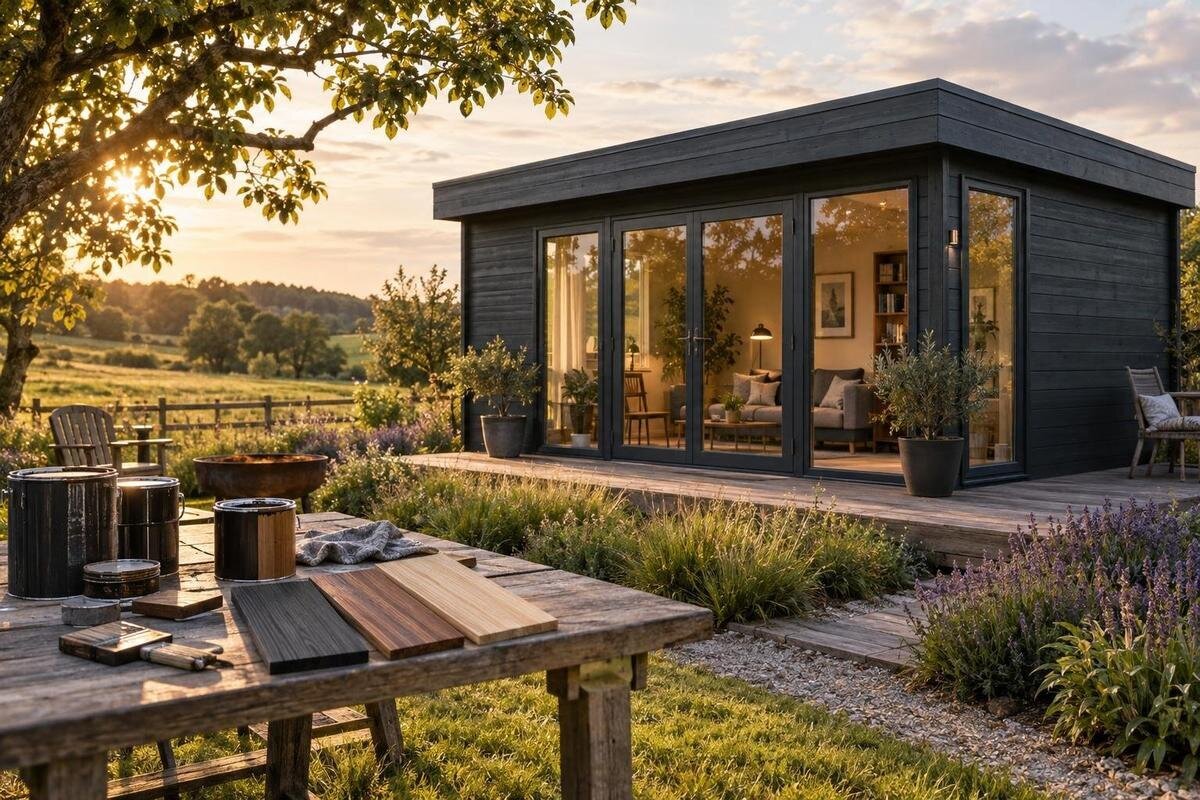
Summer house finishes
Choosing paint, stain or a clear finish for a summer house is as much about the surface you want to see later as the coating you buy now. Paint gives an opaque colour; stains range from lightly tinted to almost solid; clear products keep the timber pattern visible but can still change its tone. Those descriptions alone do not tell you how well a product will handle rain or sun. For that, the exact exterior formulation, the timber's existing treatment and the maker's instructions matter. Compare appearance, weather suitability, compatibility and upkeep before adding a finish to your order.
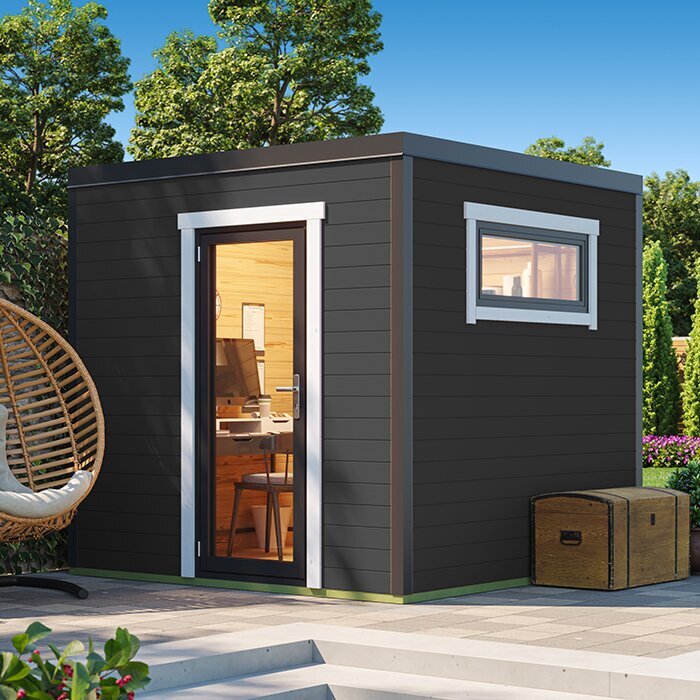
How paint, stain and clear finish differ
Paint, stain and clear finish describe appearance as well as treatment, but the boundaries are not always exact. Paint is usually opaque and covers most of the grain. Wood stains range in opacity: a translucent product leaves more timber visible, whereas a solid-colour stain can hide much of its original colour. A clear finish adds little or no colour, yet it may deepen, warm or otherwise alter the timber's tone. Sheen, from matt to gloss, changes the result too. Product names are broad, so read the description of the actual finish rather than assuming every stain or clear coat behaves in the same way. Compare products at similar opacity and sheen before making colour the deciding factor.
First decide what you want to keep visible: the grain, the timber's natural colour, or neither. Think about the garden and the view from inside; an opaque shade makes a stronger block of colour, while a translucent treatment leaves board-to-board differences noticeable. Lighting and the timber itself affect the result, so catalogue photographs and screen swatches are only a starting point. If you are comparing a candidate such as the Verdana 1 garden house, use its current written product details to establish what surface finish is supplied. A model name or photograph cannot confirm whether the surface is bare, pre-treated or already coloured, and that information affects which finish you can choose.
When exterior paint suits a summer house
Exterior paint is a natural option if you want a consistent, opaque colour and are happy not to see the timber's natural grain. It can help a summer house sit visually alongside painted doors, fences or other garden features. A paint specified for the right exterior surface can also shield the timber, but the product and application system matter: paint intended for interior furniture is not a substitute, and some exterior topcoats require a compatible primer or base coat. Read the label for the intended substrate and whether the paint is a complete system or one part of it. Do not assume that every paint has the same water or UV resistance.
Consider how wear and repairs will look as well as the first coat. A chip or worn edge can reveal a contrasting surface, and a fresh local repair may not match an older colour or sheen. How noticeable that is depends on the product and conditions, but it matters if a highly uniform appearance is important to you. Check whether the supplied surface is bare, primed or already coated, then follow the instructions for that condition rather than applying any exterior paint over it. With a candidate such as the Verdana 2 garden house, consult the current written finish information; the model name alone says nothing about the coating supplied. Paint makes sense when an opaque colour matters more than natural variation, provided you accept the care the manufacturer describes.
What wood stain can and cannot do
Wood stain covers a range of looks. Transparent and lightly tinted products leave more grain and knots visible, while heavily pigmented or solid-colour versions conceal more of the original timber colour. The result may look less uniform than paint because the grain, tone and absorbency remain part of the appearance; the same colour can look different on separate boards. Some products form a surface layer and others work differently, so the word stain alone does not explain how a particular product behaves. Check its opacity, sheen and intended surface, and make sure it is specified for exterior use if it will be applied outside.
Stain can suit you if you want colour without completely hiding the wood, but its weather protection depends on the product. Pigment levels and UV claims vary, so a translucent appearance does not prove that a finish offers strong sun resistance. Read the outdoor-use and maintenance guidance, including whether a separate base treatment or topcoat is required. If the Durano garden house is on your shortlist, check the current instructions for its supplied surface before selecting a stain; the listing name does not establish which treatment is suitable. A sample on comparable timber is more useful than assuming the colour on a tin or screen will be an exact match.
Choosing a clear finish for visible grain
A clear finish is worth considering when you want the timber pattern to remain on show. It does not necessarily leave the wood looking exactly as it does untreated: some products deepen its colour, add an amber cast or change the sheen. Exterior wood oils, clear sealers and varnishes are not interchangeable categories, and their formulations determine where they may be used. Look for an explicit statement that the product is for exterior timber, then read its limitations. The word clear describes appearance; it is not a performance rating or evidence that the finish suits every surface.
Sun exposure is particularly relevant when choosing a clear product. Clear finishes vary in what they offer against UV-related colour change, and a claim about water resistance does not by itself establish sun protection. A product intended for sheltered indoor use should not be selected for an exposed outside wall. Read how the finish is maintained and renewed, since a natural-looking surface can still need regular care. If you are considering the Veltor 1 garden house, use its current written product details to confirm the supplied surface and any treatment guidance. Do not assume a clear finish is included or suitable from the model name or a photograph.

What weather protection depends on
There is no simple league table in which paint always offers more protection and clear finish always offers less. Performance depends on the formulation, the surface the product is designed for, the specified system and the timber's condition. Rain, direct sun, wind-driven wetting and splash can affect different parts of a summer house unevenly. A finish cannot correct a problem with water reaching or remaining against the timber. It is also important to distinguish a decorative coating from a wood preserver: a colour coat is not automatically a treatment against decay, and any required base product needs to be compatible with the finish.
Compare the product label and technical information, not just the category name. Check for exterior use, the intended substrate, UV information if colour retention matters, and any stated limits on sheltered or exposed locations. See whether the product forms part of a system and whether it calls for a separate primer or topcoat. Terms such as water-based, natural or clear do not on their own establish exterior durability. For a listing such as the Orello garden house listing, check the current specification for supplied surfaces and treatment before choosing a coating; neither a model name nor general appearance tells you how the finish will perform in your garden.
Check the timber's supplied condition
Before ordering a finish, establish what condition the summer house arrives in. A building may be supplied untreated, with a preserver, with a primer or with a decorative factory finish; the arrangement varies and should be confirmed in the seller's or manufacturer's information. Do not choose a product simply because it is marketed for exterior timber. An existing treatment can determine whether another coating may be applied, which primer is appropriate and whether a clear, stained or opaque finish is an option. If the information is unclear, resolve that point before buying tins or containers of finish.
Check whether the instructions distinguish between external and internal faces, doors, trim or other surfaces. Ask whether a finish is included in the building order, supplied separately or expected to be bought by the customer, and which products are approved over any existing treatment. For the Modano 1 garden house, rely on the current written specification rather than the model label; the listing identity does not confirm a factory coating. Keeping the finish system documented can also make later touch-ups simpler: note the product name, colour and sheen, and retain the manufacturer's care guidance.
How to judge colour and sheen
The colour in the tin is only part of the final result. Opaque paint usually masks most timber variation, but a stain lets more of the underlying tone and grain show, while a clear product can deepen or warm the wood. A printed chart or screen image cannot show that interaction exactly. If colour is important to your purchase, get an appropriate sample and test it on the same timber, following the product instructions. Judge the result after it has dried as directed, in daylight and shade similar to the intended setting. A wet sample may not look like the finished surface.
Consider the view from the house and garden, including nearby fences, planting and other permanent features, but choose for your own setting rather than following a universal style rule. Sheen matters too: a reflective surface catches light differently from a matt one, and a transparent finish leaves more board-to-board variation visible. Check that the colour is intended for the chosen product and whether the maker specifies a particular base colour or coat system. The page for the Veltor 2 garden house can identify the building you are comparing, but its photograph is not a sample of a separately chosen finish. Keep the physical sample and colour reference if you may need to match the finish later.
Consider future upkeep as well as appearance
Choose a finish for its ongoing care as well as its first-day appearance. Every finish should be inspected, but the visible signs and renewal approach vary by product and exposure. Paint may show chips or flaking; stains can fade or wear unevenly; a clear coat may lose its original appearance. None of those patterns gives a reliable calendar interval, so use the manufacturer's care instructions and the actual condition of the surface. Wall orientation, shelter, shade, splash and dirt build-up can all influence how quickly a finish looks tired. This makes the product's maintenance guidance a useful part of the buying decision.
Think about how easy it will be to make repairs look even. A fresh opaque coat can differ in colour or sheen from an older surface; stain may reveal patchy timber tones, while renewed clear finish can make one area look darker or glossier. Check which cleaning products and compatible renewal products are permitted, and whether local touch-ups are practical. A listing such as the Veltor 3 garden house cannot tell you how much care a chosen finish will need; that depends on the coating instructions and site conditions. If future refinishing would be awkward, include access to the outside surfaces and the effort you are willing to spend in your choice.

Compatibility and quantity before ordering
Compatibility is a technical check that can prevent a carefully chosen colour becoming a poor purchase. Read the label and technical information for exterior timber use, whether the surface must be bare or may already be treated, and any required primer, preserver or topcoat. Check that the components are intended to work together; products from different ranges are not automatically compatible. If the building has a factory-applied finish, follow its supplied guidance before adding another product. A treatment described as a preserver should not be assumed to be a decorative finish, or the other way round.
Estimate the quantity from the surfaces to be treated and the product's stated coverage and coat requirements, not from the summer house's floor area alone. Include doors, frames, trim and any other surfaces the instructions say need finishing, and use the label rather than assuming a coverage rate. Confirm whether a finish is included with the building, whether it needs to be ordered separately, and whether the specified product is available in your chosen colour or sheen. Keep the product name and colour reference for future care. If information about compatibility or the supplied surface conflicts, ask the manufacturer or seller before combining products.
Match the finish to your priorities
There is no single best finish for every summer house. If hiding the grain and choosing a solid colour are central, compare exterior paints labelled for the timber and intended coating system. If you want colour while keeping some grain visible, compare stains by opacity as well as their exterior claims. If the natural pattern is your priority, consider a clear exterior product only when its stated protection and renewal guidance suit the exposure. For all three choices, balance the appearance you want against the upkeep you are prepared to do. A category name alone is not enough to make that comparison.
Before placing the order, note the chosen finish type, exact product, colour or clear version, sheen, base treatment and any compatible primer or topcoat. Confirm that the product suits the surface the summer house will arrive with, and keep its instructions with the building paperwork. A sample and a written record are more dependable than choosing from a label alone. If the product information does not confirm exterior suitability or compatibility, pause the coating purchase until the manufacturer clarifies it; changing finish type later may mean additional work. That comparison helps you buy for the building you are actually ordering.
Frequently asked questions
Does a clear finish protect a summer house from rain and sun?
Only if the specific product is intended for exterior timber and its instructions cover the exposure you expect. Clear describes the appearance, not the level of weather protection. Check the product information for water and UV resistance, along with its care guidance; do not assume an indoor varnish or furniture oil is suitable outdoors.
Is every wood stain translucent?
No. Wood stains range from transparent or lightly tinted to heavily pigmented, solid-colour finishes. Check the maker's description of opacity if you want the grain to remain visible. A sample on the same timber is useful because the underlying colour and grain can affect the result.
Can I paint over a wood preserver?
Only if the product instructions say the combination is compatible and the surface is in the condition they specify. An exterior label alone does not confirm that a particular topcoat will work over a particular preserver. Check the technical information for both products or ask the manufacturer before buying.
Which finish lasts longest?
There is no dependable answer by category alone. The result depends on the particular product, the timber, exposure, application and subsequent care. Compare maintenance and renewal guidance for products intended for the same type of exterior surface, rather than relying on a broad claim such as long-lasting.
Can I use the same finish on every outside surface?
Not automatically. Walls, doors and trim may have different surfaces or existing coatings, and a product's instructions may limit where it can be used. Confirm which surfaces are covered by the product guidance and whether a primer or another part of a compatible system is required.
Choose by the finish you want to live with: opaque paint for a uniform colour, stain for colour with some grain showing, or a clear exterior finish when visible natural timber is the priority. Then verify the exact product's exterior performance and compatibility with the supplied treatment, and take future care into account. The best fit is the option that matches both the appearance you want and the manufacturer's instructions for the summer house you are actually ordering.
