
Planning a Hot Tub for a Holiday Let: What Owners Should Consider
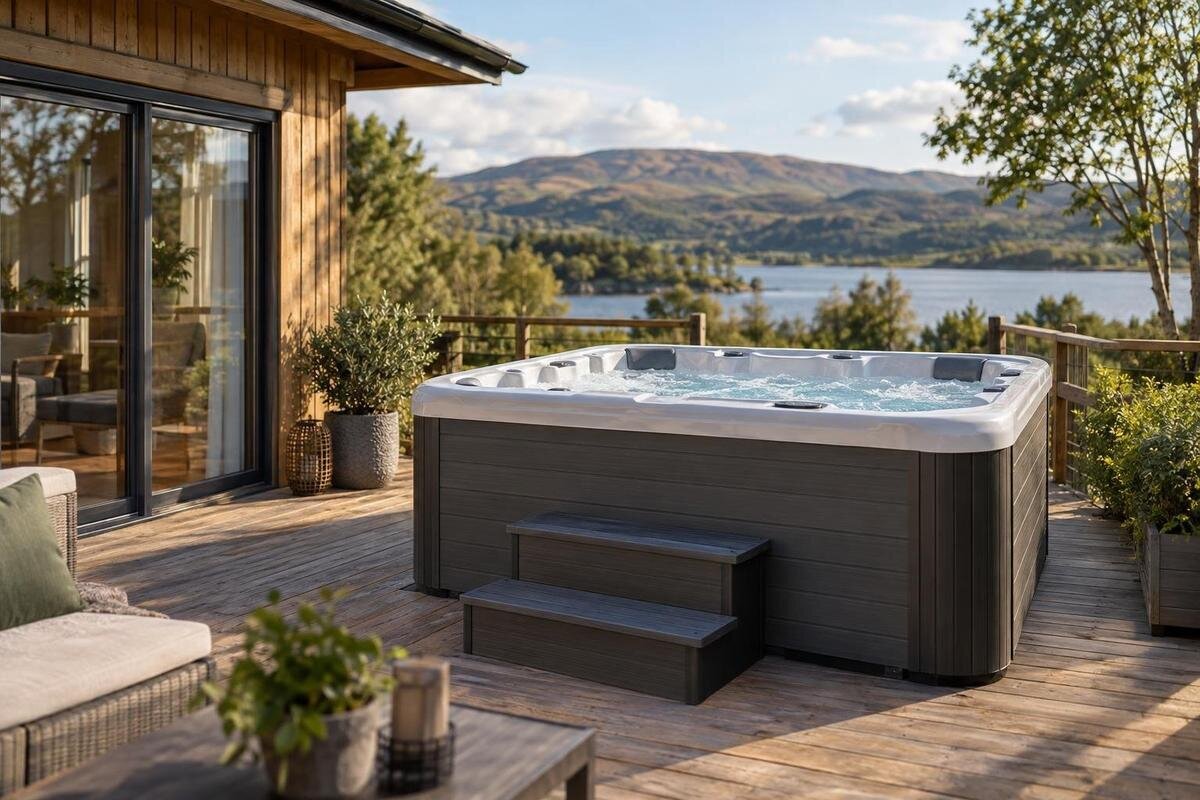
Holiday-let hot tub planning
Adding a hot tub to a holiday let adds to the work of running the property, not just its appeal in photographs. Each arrival depends on somebody preparing the tub, confirming readiness under the manufacturer’s instructions, explaining use and answering questions. Between bookings, an operator also needs time for routine care and a plan for faults. The decision turns on your booking pattern, site and available people—not on model names or the hope of extra demand. Work through the operating requirements before comparing listings; the key question is whether you can keep the amenity ready without compromising the rest of the stay.
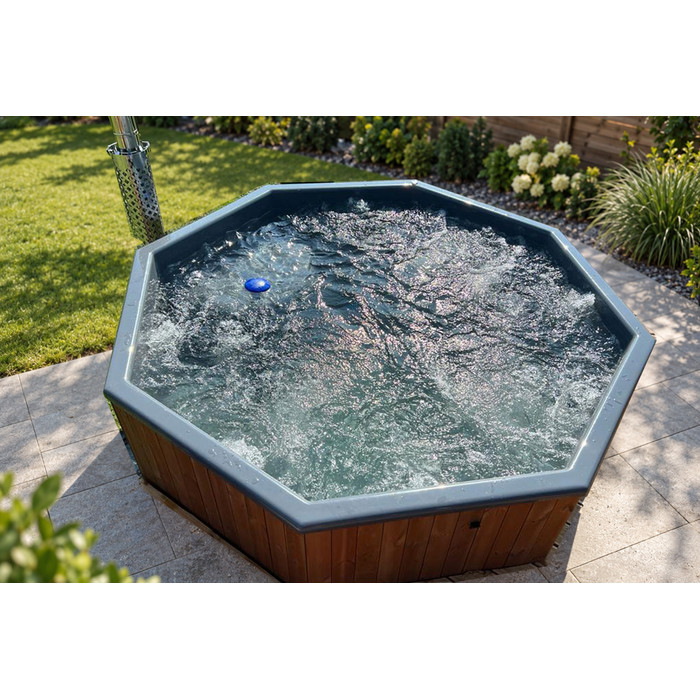
Is a hot tub practical for your holiday let?
The first test is the service you can consistently provide, rather than a prediction that an amenity will increase bookings. A hot tub may form part of a property’s offer, but demand, rates and guest preferences vary; a purchase cannot guarantee fuller calendars or a higher return. Ask what guests are likely to expect from your type of stay and whether you can deliver preparation, clear instructions and support throughout the year. If the property is professionally managed, include the manager’s workload and agreement in the decision; do not assume routine care sits inside an ordinary cleaning fee. The question is not just whether guests might value it, but whether your operation can keep pace.
Map both a normal week and a peak week: who is on site, when one guest leaves, when another arrives, and who can attend if the tub needs attention? Identify a backup if that person is ill, delayed or off duty. A remotely managed cottage with back-to-back bookings creates a different workload from a property with longer gaps and a local caretaker. Include the possibility of making the tub unavailable, and decide how the rest of the stay would be handled. When adding a candidate such as Bloomcabin hot tub Cove 2 to your shortlist, note who would manage it and whether that person has agreed to take on the work.
How booking patterns shape hot tub use
Separate occupancy from simultaneous use. A full house may mean several guests want to use the tub at once; a smaller party may use it repeatedly over a longer stay. Neither the number of beds nor the number of bookings tells you the product’s stated user limit or the supplier’s operating guidance. Estimate likely group sizes from reservation data, consider whether simultaneous use is central to the guest promise, then compare that with the written documentation. Ask for the manufacturer’s stated capacity and any conditions attached to it. Never infer capacity from a numeral in a product name or assume a peak party can all use the tub together.
Look at turnover as well as head count. Record how often your calendar shows same-day changeovers, the typical gap between guests and how use might vary by season. Mark the weeks when a check or service visit would be difficult, not just those with the highest occupancy. When considering Bloomcabin Hot Tub Haven 6, compare its operating instructions and care schedule with those gaps rather than an average week. A routine that fits comfortably between longer stays may be harder to accommodate during a run of short bookings. If the let is new, review your estimates against actual bookings after the first season and adjust the time allocated accordingly.
Planning the hot tub changeover
Treat the hot tub as a separate changeover task, with a named person responsible and a handover record. Before accepting the next booking, identify the checks and any preparation or waiting steps stated by the manufacturer or service provider. Those requirements may determine whether the gap between departure and arrival is usable; do not assume a cleaner can complete them alongside linen, bathrooms and a property inspection. For Bloomcabin Hot Tub Fjord 8, request the model-specific changeover instructions before purchase and establish who will confirm that preparation is complete before guests are told the tub is ready.
Build a checklist around the supplier’s process: what must be inspected, what water-care checks are required, how results and actions are recorded, and which signs mean the tub should remain unavailable pending advice. Add checks of the tub and surrounding area for cleanliness or visible damage, following the product guidance; do not invent shortcuts to save minutes. Log who completed each task, when and with what outcome, then test the process against the actual changeover window. If it will not fit reliably into a same-day gap, consider a longer booking buffer or a trained local operator. Keep the record accessible to whoever takes the next handover, and revise the schedule if a practice run shows it takes longer than expected.
Routine care between guest stays
Changeover cleaning is only one part of ownership. The operating guide may call for care during guest stays and when no guests are present; exact tasks and intervals depend on the product and supplier’s instructions. Fit the required checks around your occupancy calendar, including quiet spells when a tub can be overlooked, and decide who receives reminders and records completion. Do not borrow a schedule from another hot tub or an online checklist: water-care routines depend on the equipment and its specified process. If an external provider does the work, agree which tasks are included, how missed or failed checks are reported and who decides what happens next.
Before shortlisting, ask how much staff time the stated routine requires and what instruction the operator needs. Find out whether the particular unit calls for water testing, treatment, filter care, cleaning, cover checks or professional servicing, and which materials, tools or records you must supply; these are questions, not assumptions about every model. Discuss the exact requirements for Bloomcabin hot tub Aurora 10 with the supplier and obtain its current care instructions before committing. Ask how an absence or staff change should be handled, so the routine does not depend on one person’s memory. Where checks require access during a stay, include those visits in the arrangements communicated to guests.
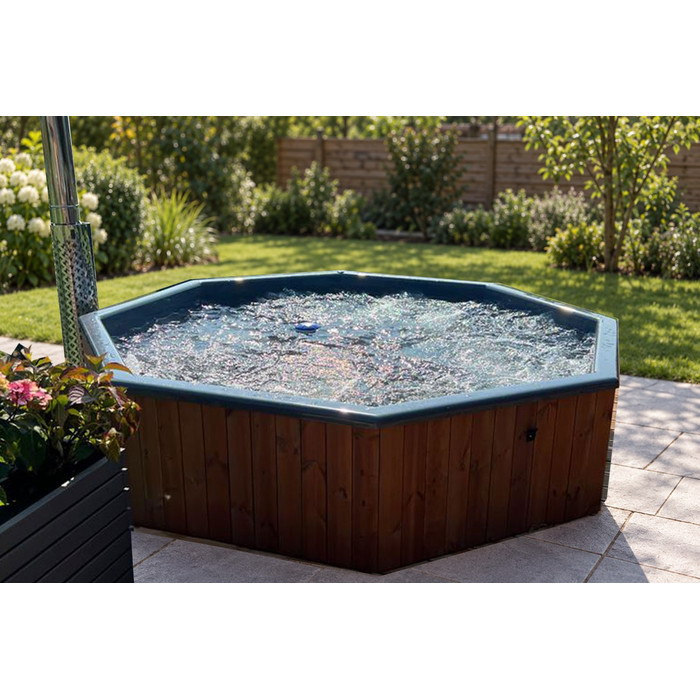
Guest instructions and house rules
Guests need a short, property-specific guide they can use without interpreting technical documents. Explain where to find the controls, the approved sequence for ordinary use, any stated restrictions and how to stop and report a problem, using the supplier’s wording where precision matters. Keep the full manual available to staff rather than paraphrasing technical settings. Any rules about children, supervision, noise or hours should reflect the manufacturer’s advice, the insurer’s conditions and how the property is managed; do not copy a generic rule if it conflicts with the actual equipment or site. Review the guide whenever instructions, equipment or house policy change.
Put essential information where guests will see it before use and repeat the key points in the welcome material. Include one contact route that is monitored during the stay, the hours in which someone can respond, and what guests should do while waiting if equipment or water quality is in doubt. Use plain language and a readable layout; a long disclaimer will not answer practical questions. If hosting is shared, give the owner, cleaner and manager the same version so they do not offer conflicting directions. A short handover can help where practical, but guests should still be able to refer back to written instructions when no host is present.
Who handles guest questions and faults?
Assign a primary contact and a backup before the first booking. The person answering guests should be able to explain the house instructions, record a report and reach whoever is authorised to decide what happens next; cleaners should not be expected to diagnose a technical fault unless trained and assigned to do so. Agree with the supplier or service provider how faults are reported, what information they need, how appointments are arranged and whether holiday-let use is covered by the service terms. For Cove 2, request these operational details in writing, including the support arrangements for evenings or weekends if relevant to your bookings.
Create an escalation plan for signs of damage, unexpected operation, a water-care concern or a guest who cannot use the controls. It should say who contacts technical support, who updates the guest and how the booking team decides whether the tub must be taken out of use. Do not ask guests to open equipment, alter settings beyond the supplied instructions or attempt repairs. If an issue cannot be resolved before an arrival, communicate early and follow your booking terms for managing the situation. Record the incident and time lost; repeated faults are a reason to review service arrangements, not just a housekeeping inconvenience. Make sure the backup can access supplier contacts and the relevant product documents.
Site access, permissions and insurance
Check both physical fit and permission before ordering. Obtain the exact dimensions, installation information, access requirements and any load information for the chosen model, then ask a competent installer or other appropriate professional whether the proposed base, route and services suit those details. Do not assume a patio, raised deck, outbuilding or garden structure is suitable because it supports ordinary use. Consider delivery access, space to work on the equipment, privacy and how water will be supplied and managed. Share the Haven 6 product listing and its model-specific installation information with the installer so the assessment concerns the product you intend to buy.
Property terms can be just as decisive as the layout. Review the lease, management agreement or other relevant ownership documents, and ask the landlord, freeholder or managing agent for guidance where applicable. Check with the relevant local authority whether approval or a property-specific condition applies; ask your insurer about guest use, equipment, cover and its conditions, and raise electrical or fire-safety questions with the appropriate qualified professional. Requirements can depend on the site and arrangement, so another holiday let’s permissions or insurance terms may not transfer to yours. Keep written responses and any agreed conditions with the property’s operating documents before paying a deposit.
Running costs, servicing and downtime
Separate one-off outlay from the cost of keeping the amenity available. List the product, delivery, access work, base or site preparation, connection and installation charges, then budget for ongoing electricity, water, care materials, staff hours, planned servicing and repairs. Confirm which items a supplier quote includes and which depend on your property. For energy, request a consumption estimate or a clear measurement basis for the exact configuration, then calculate the cost using your own tariff; if no credible use figure is available, mark it as unknown rather than treating an estimate as a guarantee. When reviewing the Fjord 8 product information, distinguish costs the supplier can quantify from those requiring estimates for your site and booking pattern.
Count labour as a real cost even when you or a cleaner perform the work under a fixed contract. Estimate hours per turnover, routine checks and call-outs, and agree whether extra visits are charged separately. Add a reserve for servicing, parts and periods when the amenity is unavailable; a fault may also require guest communication or changes to a booking, so plan a contingency rather than assuming uninterrupted use. Compare seasonal as well as annual costs if your booking pattern changes through the year. Test the business case with conservative assumptions and do not attribute every future booking or rate increase to the tub. Compare extra income you can reasonably evidence with the full costs, including time and downtime.
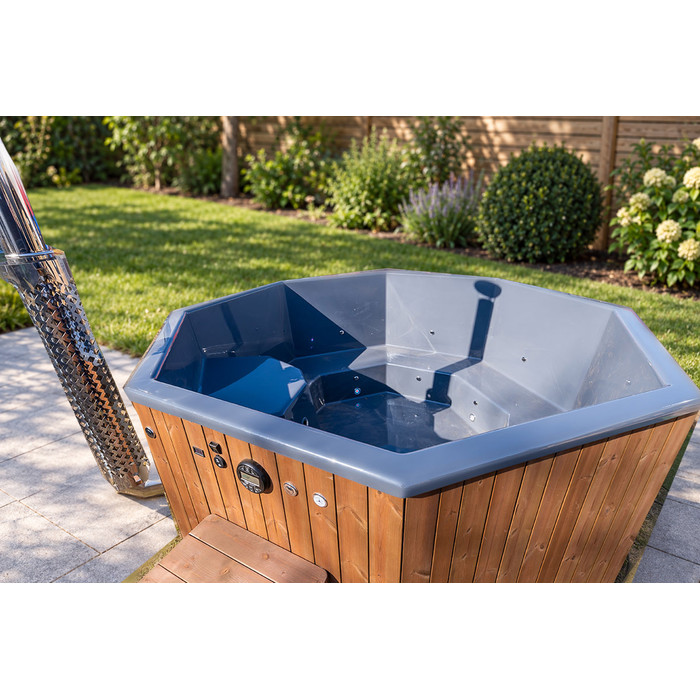
Comparing models for holiday-let use
Put each candidate on the same comparison sheet so you can assess the practical differences without relying on product names or photographs. Record the manufacturer-stated user capacity, external and installed dimensions, operating requirements, care schedule and maintenance access alongside the staffing and site arrangements each would need. Include what comes with the unit and what must be bought or arranged separately. Use the Aurora 10 listing as one entry, with unanswered questions clearly marked rather than filled with assumptions. Keep supplier estimates separate from stated specifications, and note any conditions attached to them so you are comparing information on the same basis.
Then compare the consequences for your particular let. Can the expected guest group use the tub in the way your listing will describe? Can staff complete its specified care routine within the available hours, and can a service team reach the equipment without disrupting more of the property than necessary? Ask the supplier to explain any operating estimate and the conditions it assumes. A stated user figure is only one part of that assessment: consider it alongside preparation time, maintenance access and service availability. The most useful shortlist is one your team can manage through busy changeovers, not simply one that appears to accommodate the largest party.
Supplier terms and the purchase decision
Before ordering, request a complete, model-specific information pack and read the terms for holiday-let use. Ask for installation and operating documents, the care schedule, stated capacity, maintenance-access requirements, the basis for expected consumption, warranty conditions, spare-parts and service arrangements, and any restrictions on commercial or guest use. Clarify what delivery, installation, commissioning, staff instruction and after-sales support actually include; do not infer any of these from a product page or expect a cleaner to fill gaps. Obtain clear answers on service response arrangements and possible call-out costs, and ask whether the supplier recommends planned visits. Keep important statements and exclusions in writing.
Test the operation on paper before the first guest arrives: can a named person complete each required check, record it, give guests consistent instructions and reach help when needed? Run through the handover with the people who will do it, using the supplier’s documents, and revise the rota to reflect the time it actually takes. Consider a realistic scenario involving a back-to-back booking or an unavailable staff member. Have a plan for periods when service is unavailable, rather than promising continuous availability in the listing. If essential instructions, permission, suitable site evidence, staff cover or supplier support remain unresolved, defer the purchase or bookings until they are.
Frequently asked questions
How much time should I allow between holiday-let bookings?
There is no reliable universal interval: the exact model, its condition, water-care requirements and supplier instructions all matter. Ask for the model-specific changeover procedure, including any preparation or waiting steps, then compare it with your actual check-out and check-in window. Time a practice run before relying on the schedule.
Can guests be responsible for hot tub maintenance?
Guests can be asked to follow clear use instructions and report problems, but do not make your operating plan depend on them testing, treating or correcting the water. Assign routine checks and care to a named operator who can follow the manufacturer’s guidance and record what has been done.
Will adding a hot tub increase holiday-let bookings?
It may be an amenity some guests value, but a purchase cannot guarantee more bookings, higher rates or better profit. Consider demand for your property alongside staffing, running costs, servicing and downtime. After launch, assess your own results rather than attributing every booking or rate change to the hot tub.
Do model numbers show how many people a hot tub holds?
No. Treat the model name as an identifier, not evidence of capacity. Ask for the supplier’s stated user capacity, what that figure means, and the dimensions and operating guidance for the exact model. Compare that information with the guest groups you expect to host.
What should I do if a guest reports a fault?
Give guests a clear contact route and tell them not to attempt repairs. The designated operator should record the report and contact the supplier or appropriate service provider. If the instructions say to stop using the tub, or there is a safety concern, keep it unavailable pending suitable advice and update the guest promptly.
A hot tub can fit a holiday let when its operating routine fits the service you can deliver. Compare each model’s user guidance, care schedule, site requirements, supplier support and costs with the time and resources available through your busiest changeovers. If each task has a named person responsible and there is a credible plan for maintenance interruptions, you can assess the purchase against your own figures. If the work cannot be covered reliably, resolve that gap before adding the amenity to the guest offer.
