
Planning Heating Options for a Summer House Used Occasionally
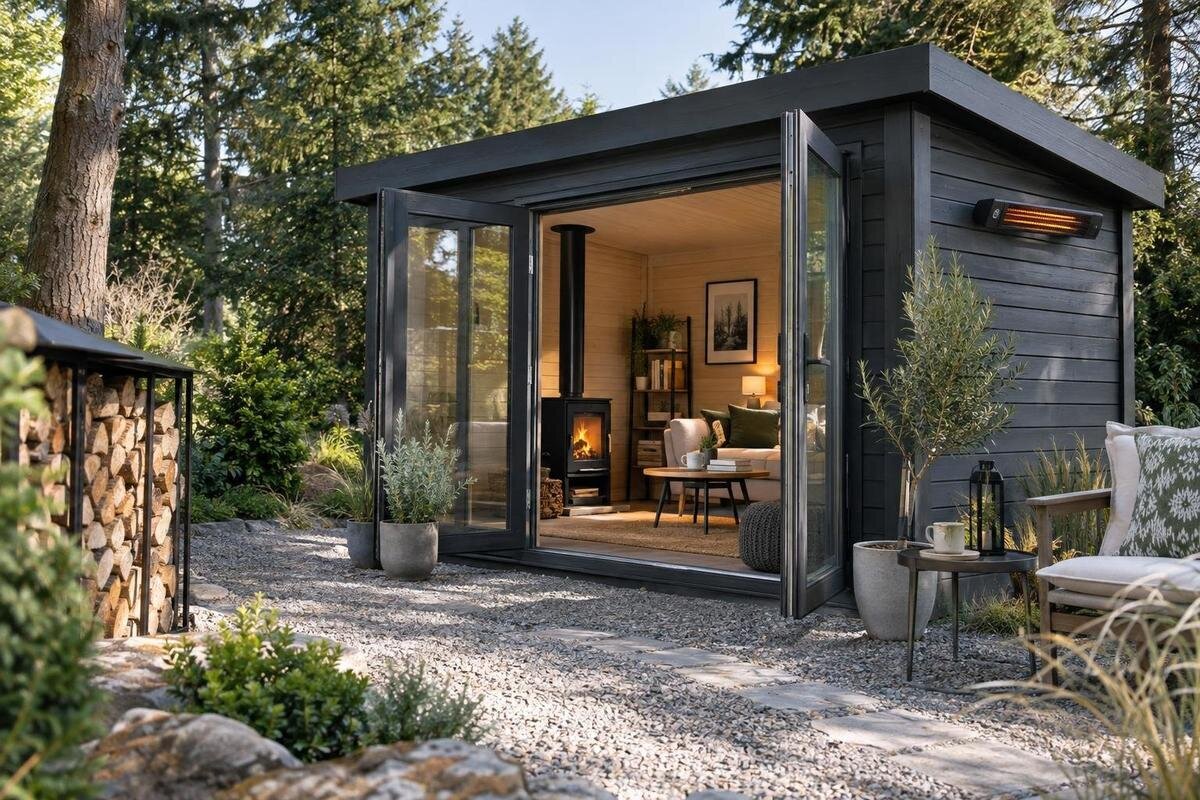
Summer house heating
Heating a summer house used only now and then is less about maintaining a steady indoor temperature and more about matching a heater to the conditions on each visit. A short cold-weather stop has different needs from spending several hours there, and a heater cannot automatically compensate for a building that loses warmth quickly. Before buying, establish what the building specification says about insulation, glazing, floor and roof; then compare warm-up time, running cost and safe operation. This guide focuses on occasional use, not a permanently heated room, and does not assume that any particular summer house is insulated or supplied with heating.
Before you buy 1
Define the visit before choosing a heater
Count visits in real terms rather than relying on the word “occasional”. Note the season, typical length of stay, how soon you want the room to feel comfortable, and whether you need warmth across the whole space or mainly around a seating area. A brief stop on a cold evening differs from spending an afternoon there, especially if people are coming and going through the door. The number of occupants, wet coats or footwear brought inside, and whether you will sit still or move around also shape what feels comfortable. These details do not determine heater size on their own, but they help you compare options against a realistic use pattern.
Write down the time available for warm-up as well as the time spent inside. If you arrive for a short visit, waiting for a cold building to warm may take up much of the visit; for a longer stay, even warmth across a wider area may matter more than a quick burst beside one chair. Note whether visits are regular through a season or unpredictable, and whether more than one person uses the room. This profile helps distinguish quick local warmth from sustained room heating. It also gives you a realistic basis for estimating energy use, instead of selecting a heater from its headline output alone. Record whether you can arrive early to switch on an appropriate fixed system, or whether warmth must begin only once you enter. That practical distinction can rule out otherwise attractive options.
Check the summer house’s insulation and construction
Heat can escape through the roof, floor, walls, glazing, doors and gaps. Before choosing a heater, read the building specification for each part rather than treating “wooden summer house” as a performance description. Look for stated insulation and whether it applies to the walls, roof and floor; note the type and extent of glazing, door arrangement and any published dimensions. If those details are missing, ask the retailer. A photograph, wall thickness or model name on its own is not enough to establish how well a building will retain warmth. Also consider how the building will be used: frequent door opening, a large glazed area and an exposed position can all affect how quickly a warmed room feels cold again.
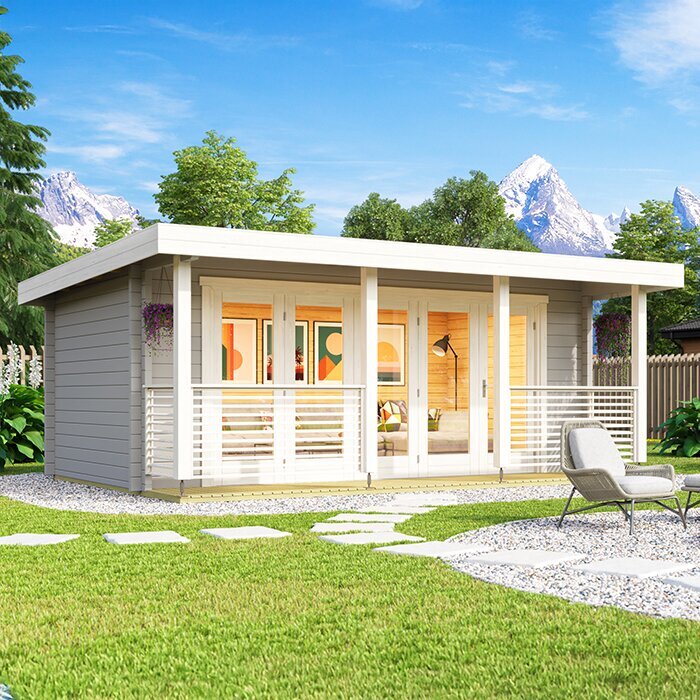
Use the Verdana 1 garden house listing as one page to review: record only details it explicitly states, and leave thermal information as unknown if it is not given. Ask whether insulation is included, optional or outside the standard package, and whether it covers every relevant surface. A product photograph or description of the appearance does not prove that the room is insulated. For a heating estimate, record the dimensions and construction details and pass them to a qualified professional if appropriate. This gives you useful comparison information without assuming how warm the finished room will be.
Before you buy 2
Compare how different heaters feel
Portable electric heaters can be convenient for some short visits, but different types provide warmth in different ways. A fan heater can deliver warm air quickly to a nearby area, although noise and moving air may be unwelcome. A convector or panel heater warms the air more gradually. An oil-filled radiator generally takes longer to respond but can continue releasing warmth after it is switched off. Radiant heaters mainly warm people and objects in their path rather than evenly warming all the air. These are general characteristics, not guarantees of comfort or efficiency in a particular summer house. A heater that feels effective beside a desk or sofa may still leave the rest of the room cool, which may be entirely acceptable for a short, focused visit.
Check the heater’s intended setting, rated input and the area or use its maker specifies; none guarantees comfort in a poorly sealed or uninsulated building. Radiant heat needs a clear path to the occupied area, while warm-air models can be affected by door openings and room layout. Sound, response time and where an appliance can safely stand may matter more than a headline output figure. For a building comparison, note the information stated on the Verdana 2 product page and match it against the heater’s instructions. Neither page alone confirms how a particular appliance will perform in that space.
Estimate the cost for a typical visit
For an electric heater, a first-pass energy estimate is its rated input in kilowatts multiplied by the hours it would run at that input. Multiply the resulting kilowatt-hours by your electricity unit rate to estimate the energy cost. Assuming full input for every hour gives a full-power comparison, not a precise bill: thermostats may cycle, and outdoor conditions and heat loss affect how often the heater runs. Use the same visit length and tariff when comparing options. For fuel-burning systems, compare the stated fuel consumption and the cost of the fuel, not just the appliance’s headline heat output. Keep the assumptions beside each calculation, including the number of visits and the planned warm-up period, so that you can revise the comparison when your routine changes.
Include costs beyond energy: a fixed appliance may need professional installation, while fuel-burning systems may involve specialist work or maintenance. If you expect only a few visits each season, an annual estimate based on daily use can misrepresent your likely costs; cost per realistic visit is easier to compare. A low purchase price does not guarantee economical use if the room takes a long time to warm. When discussing heat loss, record the stated dimensions and construction for the Durano garden house listing. It cannot promise running costs, and any supply work should be quoted by a qualified professional.
Before you buy 3
Consider fixed electric heating and controls
If you return regularly, a fixed electric heater with a suitable thermostat or timer may make operation more predictable. That does not automatically make it economical for occasional use: include the purchase and installation costs alongside the expected running time. Have a qualified electrician assess whether the planned equipment and existing supply are suitable, and ask them to carry out any electrical work. This article is not a guide to wiring or installation. Remote controls can be convenient only when the heater and setup are designed for that use and their instructions allow it. Ask how the controls behave after an interruption to the electricity supply and whether settings need to be restored manually, as this can matter in a building left unused for periods.
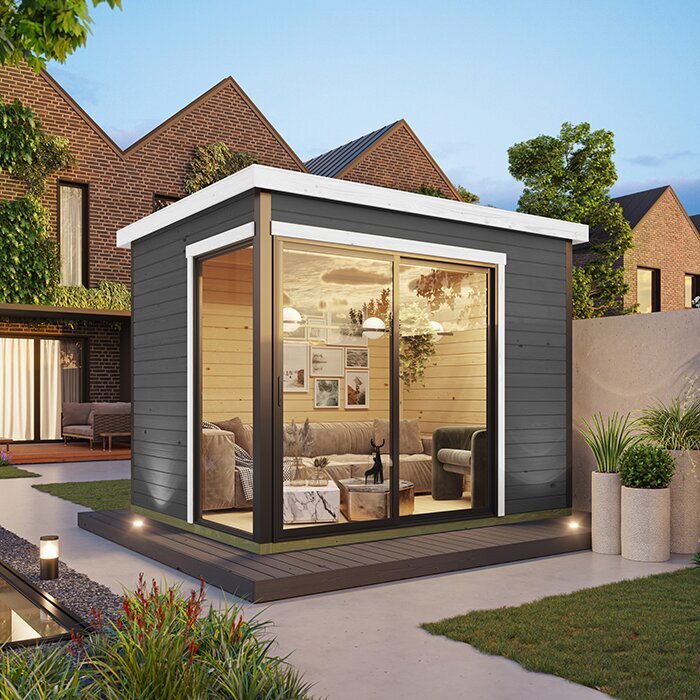
Consider how the controls will fit your routine. A timer may help with planned visits only if the system is intended for safe operation while the building is empty; do not assume a portable heater can be left running. Frost protection is a different purpose from making a room comfortable for a visit. When requesting a quote, take confirmed building details from the Veltor 1 product listing as a reference and ask the installer what else is needed. Compare proposals covering the same heater, controls and installation work, rather than appliance prices alone.
Use fuel-burning heaters only after a suitability check
Fuel-burning appliances need a more careful suitability check than a portable electric heater. Combustion can produce carbon monoxide, and some unflued appliances also add water vapour. A flued appliance needs an appropriate route, clearances and an assessment of the building. An appliance described for outdoor use should not be treated as suitable for an enclosed room. Consider only equipment intended for the setting, follow its instructions, and ask a qualified installer to assess the appliance, flue, ventilation and nearby materials. Do not improvise a flue or installation.
Occasional use can make the set-up and upkeep of a fuel-burning system disproportionate, so include fuel availability, storage, cleaning and servicing in your comparison. Consider who will carry out routine checks and whether the system can be safely shut down between visits in accordance with its instructions. If you are considering a flued option, share verified building information from the Orello garden house page with the installer and ask what further checks are needed. The page cannot confirm that a flue can be fitted or that an appliance is suitable. If professional advice rules out the option, or the work does not make sense for a few visits, compare other types of heater instead.
Before you buy 4
Plan for ventilation and moisture
A summer house that is cold between visits may have cold surfaces when you arrive. Moisture from people, damp clothing or wet footwear can condense on those surfaces. Heating the air may make the room feel warmer, but it does not remove moisture from the building; a heater is not a dehumidifier. Think about where wet items will go and how the space will be ventilated during and after use. Do not cover or block ventilation openings that form part of the building’s design, particularly if a combustion appliance is being considered. After a visit, remove wet items rather than leaving them in a closed room, and notice whether windows, corners or stored belongings repeatedly feel damp.
Ask what ventilation provision is included and how it is intended to be used; do not assume that adding insulation or sealing gaps can be done without considering moisture. If condensation keeps returning, seek advice from a building professional rather than trying to solve it by running a heater for longer. When reviewing the Modano 1 product listing, look only for ventilation or construction details that are actually stated. If the page does not answer a relevant question, ask the retailer instead of guessing.
Plan heater placement and check the electrical supply
Think about where a heater could stand without blocking a doorway or walkway, and whether its warmth would reach the area you use. Follow the maker’s clearance requirements and keep the appliance away from materials that could be affected by heat. Radiant models need an unobstructed path to the people or area they are meant to warm. A location that looks convenient on a plan may be less practical once seating, storage and the door’s movement are taken into account.
Do not assume the existing electrical supply is suitable for every heater. If you are uncertain, have a qualified electrician assess it; do not improvise wiring or use an extension arrangement outside the heater maker’s guidance. Keep cables from creating a trip hazard, and do not use a heater to dry clothing unless its instructions specifically allow that use. Consider where sockets, furniture and storage will be during normal use, not only in an empty room. Use stated dimensions for the Veltor 2 garden house listing where available to inform your layout, but follow the heater’s own instructions for safe placement.
Before you buy 5
Resolve ordering and installation details early
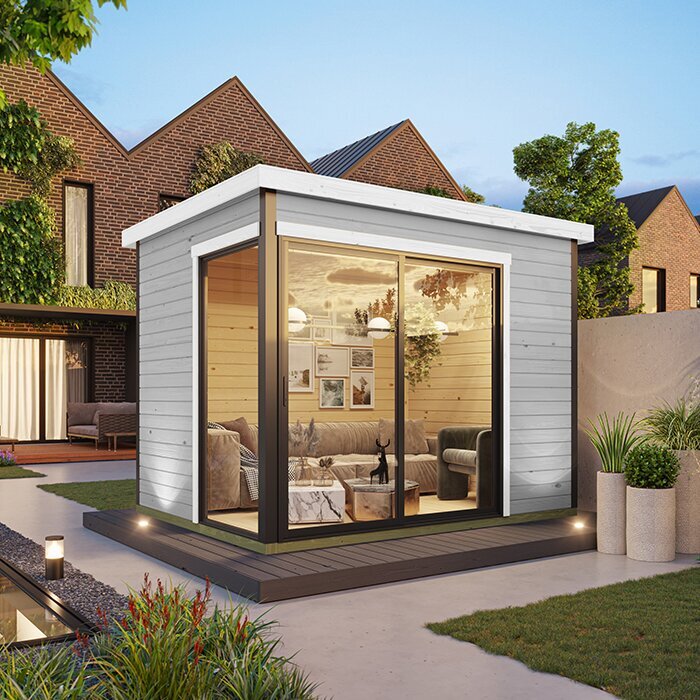
Before ordering, confirm what the building package actually includes: stated insulation, glazing, floor or roof details, and any heater or controls if these are offered. Check the dimensions relevant to your garden and clarify any preparation or assembly requirements with the retailer. Do not infer what is included from a photograph or a model name. As one item-specific check, review the Veltor 3 product page for details it actually states, then ask about any information needed to plan heating that the page does not provide.
If you are considering fixed or flued heating, speak to a suitable professional early enough for them to assess the building information and intended use before you commit to the system. Changes to the building may affect ventilation or weatherproofing, so do not treat them as simple heater add-ons. Compare quotes on the same basis, including equipment, installation and controls where relevant. Ask what information, access or preparatory work each quote assumes, since differing assumptions can make prices difficult to compare. This helps you see whether a complete plan is proportionate to your occasional visits, rather than judging it by the heater’s purchase price alone.
Make a shortlist that matches your visits
Compare a small number of options against the use profile you wrote down. For a short visit, response time and warmth in the occupied area may matter most. For several hours, comfort across the room and how steadily the heater can maintain it may carry more weight. If the building loses heat quickly, choosing a more powerful appliance may not address the underlying problem. First establish what is known about the walls, roof, floor, glazing and openings, then decide whether a portable appliance, fixed electric system or professionally assessed fuel-burning option merits further consideration.
For each option, note the likely cost per visit, the time needed to warm the space, how it will be controlled, what installation or maintenance it requires, and whether its maker allows the intended use. Add any practical compromises, such as appliance noise, storage needed when it is not in use, or whether a seating layout must change. Where an important building or supply detail remains unknown, get it clarified before placing an order. No one heating type is right for every summer house used occasionally. A useful shortlist is one that balances the visits you actually make with the building’s confirmed specification and the safe operation of the equipment.
Frequently asked questions
Which heater warms a summer house fastest?
A fan heater can make warm air noticeable quickly nearby, while a radiant heater warms people and surfaces in its path. Neither guarantees that an entire cold summer house will warm quickly. The building’s construction, size, openings and the heater’s stated use all affect the result.
Can I use a portable electric heater in a summer house?
It may suit occasional visits if the heater is intended for that setting, the electrical supply is suitable and you can place it safely with the clearances in its instructions. If you are unsure about the supply, ask a qualified electrician. An outdoor heater is not automatically suitable for an enclosed room.
Can I leave the heater on between visits?
Do not leave a portable heater running unattended unless its maker expressly permits that specific use. A fixed thermostat or frost-protection mode is not automatically permission to heat an empty building. Have fixed equipment assessed and installed by a qualified professional, and follow the maker’s instructions for its controls.
How can I estimate the running cost?
For an electric heater, multiply its rated input in kilowatts by the hours it would run at that input, then multiply the kilowatt-hours by your electricity unit rate. Treat this as a comparison, not an exact bill: thermostat cycling and heat loss affect actual use.
Should I insulate the summer house before choosing a heater?
First find out what insulation, if any, is included and how the walls, roof, floor and glazing are specified. If the building loses heat quickly, improving its thermal performance may be worth assessing before choosing a larger heater. Get advice before alterations that could affect ventilation or moisture management.
An occasional-use heating plan works best when it begins with your visit pattern and the building’s actual specification, not a heater label. Compare response time for short visits, room-wide comfort for longer stays, realistic running costs and safe operating requirements. Include installation or maintenance where relevant. If a key detail about insulation, power, ventilation or flue suitability is unknown, get it confirmed before ordering. The most practical choice is the one that fits the way you use the summer house without assuming it is already heated or insulated.
