
What Affects the Cost of Professional Sauna Installation?
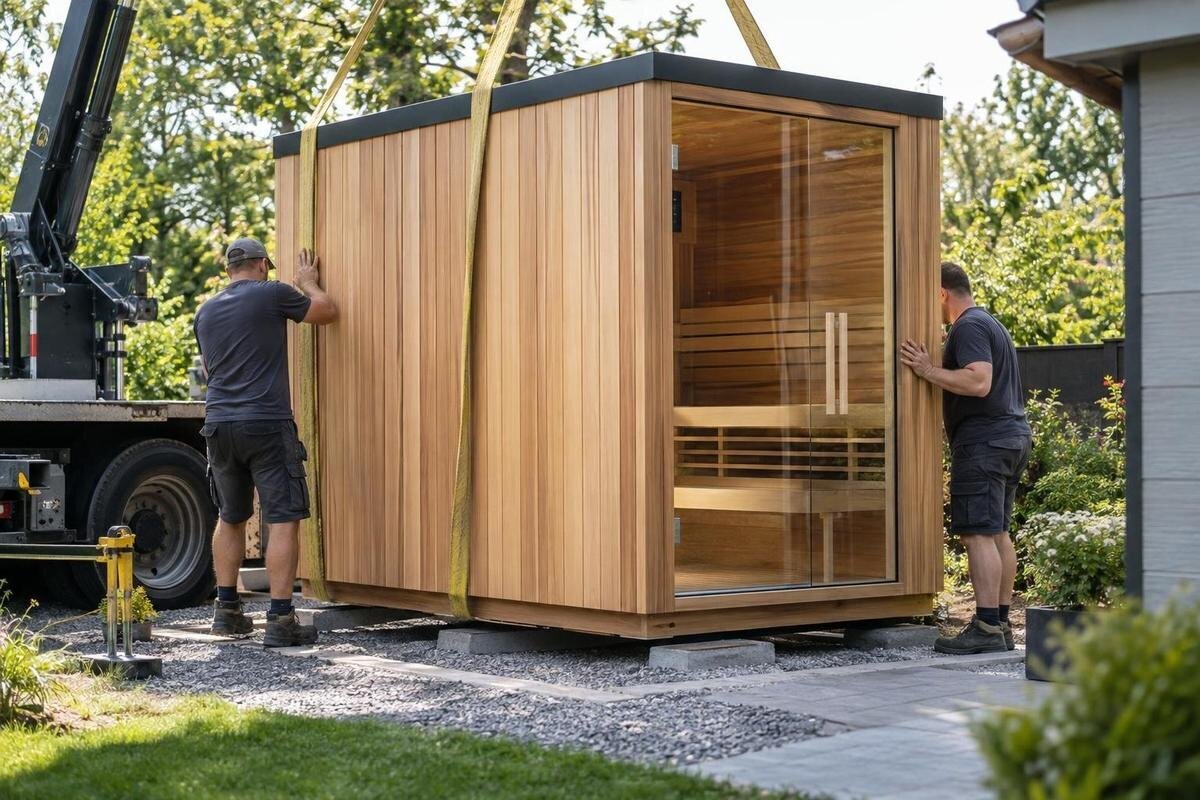
Sauna installation
A professional sauna installation quote covers a defined package of work, not one standard service. Its total can change with the sauna’s delivered format, the assembly the installer takes on, the state of the base and work area, and any electrician or other trade required. Identify the product, on-site installation and site preparation separately; otherwise two totals may describe different jobs. This guide explains what can sit behind an installation figure and what to record before asking for comparable quotes.
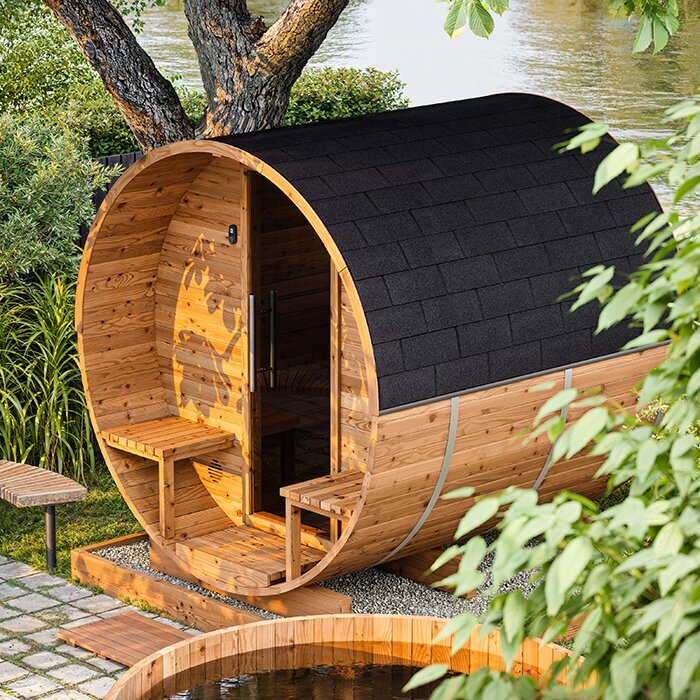
Before comparing quotes 1
Installation cost depends on the work included
An installation quote may cover only assembly, or combine assembly with placing the sauna on a prepared base, site preparation, connections, finishing and handover. Those are different scopes, so a lower total is not automatically a like-for-like saving. Ask for the work to be separated into the product itself, installation labour, preparatory work and any trade work. That shows whether the installer has allowed for tasks you expected, and whether another quote assumes you will arrange them yourself. For example, assembly on a finished base is not the same job as a quote that includes altering the site. This guide concerns work at the installation site; delivery arrangements are outside its scope.
Start with exact product identity and current configuration rather than a broad description such as ‘outdoor sauna’. The installer needs to know which item the quote refers to and should confirm the relevant assembly instructions, drawings and included components before estimating labour. A reference such as Sauna N-210 product listing can identify the model under discussion, but its name alone does not define what arrives, what is included or what work your site needs. Put any selected heater and other separately supplied equipment on the scope sheet, marking each item as included, supplied by you or still to be confirmed. If the version or equipment changes, ask for the quote to be checked again.
The delivered format changes the assembly scope
Delivered format has a direct bearing on how many tasks fall to the on-site team. A sauna may arrive as individual parts, panels or larger pre-assembled sections; those are possibilities, not details to infer from a model name or photograph. Time can be spent unpacking, sorting, aligning, joining and checking components in accordance with the manufacturer’s instructions. If substantial assembly has already been completed before arrival, the on-site work will be different, but the precise division must be confirmed for the chosen configuration. Ask the supplier or installer to describe the actual format, and clarify where components can be staged while the work is under way.
On the quote, look for a clear boundary between factory-completed work and work at your property. For Sauna N-250, ask the supplier to confirm the packing format and provide the documents the installer needs to price assembly. Establish whether fitting supplied accessories is part of the main build or a separate task. It is also worth agreeing who checks the delivered components against the packing list and reports anything missing or damaged. An incomplete delivery may prevent the crew from finishing, so ask how an interrupted job would be handled and whether a return visit is included or priced separately. This makes the assembly allowance clearer without assuming a particular delivery format.
Before comparing quotes 2
Assembly labour needs a precise task list
Assembly labour is more than a headline number of hours: it depends on the tasks and responsibility assigned to the crew. Specify whether the team is only building the sauna, or also positioning it on a prepared base, fitting items supplied with it, making adjustments permitted by the instructions and clearing its own packaging. Confirm whether the team needs an unobstructed work area and whether other contractors or household activity must be kept clear of the installation zone. These details help explain the planned crew size and duration without assuming that every product takes a standard amount of time. Also ask which checks mark the assembly as complete.
Ask how the assembly labour is priced: as a fixed sum for the agreed tasks, by time worked, or using a provisional allowance. For an installation of Sauna LC-260, the quote should explain what the stated labour figure covers and which circumstances could change it. If work is charged by time, clarify how working hours are recorded, whether travel or waiting time is included, and who can authorise additional hours. If it is a fixed price, establish which site conditions and supplied components the figure assumes. Neither approach is automatically better; the useful distinction is whether you can see what you are paying for and how departures from the agreed job will be handled.
Site readiness and base preparation
The condition of the intended base can change a quote before assembly begins. The installer needs to know what support the selected sauna requires and whether the proposed surface is ready to receive it; a neat-looking patio or deck is not, by itself, proof that it meets the manufacturer’s requirements. Existing paving, uneven ground, soft areas, height differences or a supporting structure whose capacity is uncertain may prompt checks or preparation by a suitable professional. Do not assume one universal foundation is right for every sauna. Use the exact product instructions and obtain an appropriate site assessment where the base or structure is in doubt. If it is an existing deck, describe what is known about its construction rather than relying only on a description such as ‘solid’.
Ask whether the price assumes a finished base or includes preparation such as levelling, local groundwork, alterations to an existing surface or removal of spoil. These tasks can require different skills and tools from sauna assembly, so an installer may exclude them or quote them separately. When preparing a quote for Sauna HCF-300, the contractor should use the current product documents to define the base requirements. The preparation allowance should then distinguish materials, labour and waste removal, where applicable. If another contractor prepares the base, agree who checks the finished work and when. That gives the assembly team a clear readiness point rather than leaving acceptance of the base until the day they arrive.
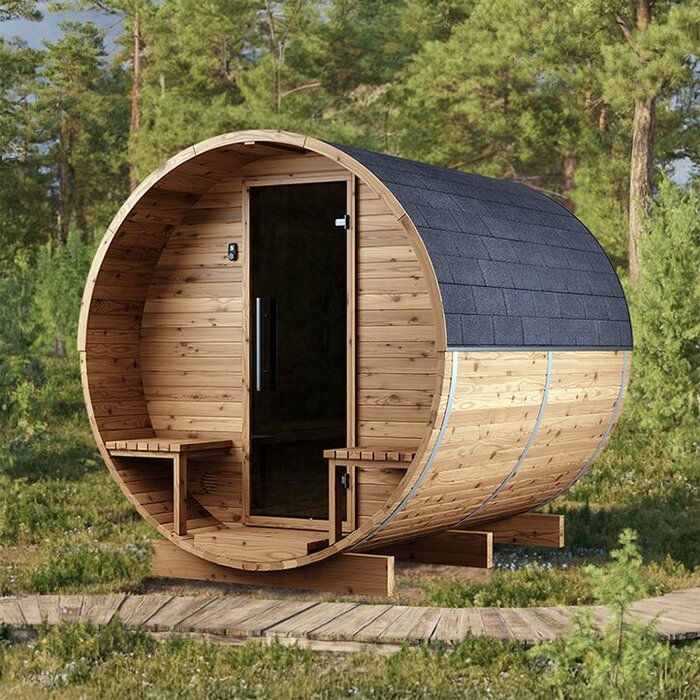
Before comparing quotes 3
Electrical work needs its own assessment
Electrical work is often priced separately from assembly because it has its own assessment, materials and testing. If the selected sauna setup includes an electric heater or other powered equipment, have a qualified electrician review the exact equipment instructions and existing supply before the quote is finalised. The electrician may need to assess the route for a new connection, the location of controls and whether the existing installation can serve the equipment. This is a scope issue, not something to estimate from a product name or the general statement that a nearby socket is available. Do not guess a cable size or connection method from an online listing. Ask which parts of an initial estimate remain subject to assessment.
Ask whether the electrical allowance covers assessment, materials, supply-route work, connection, testing and any commissioning required by the equipment instructions. These are separate tasks, and an allowance for one does not necessarily cover the others. For a project involving Sauna HCF-225, confirm the selected heater separately and give its documentation to the electrician. Where the proposed route involves work to existing surfaces, clarify whether opening up and making good are included, excluded or assigned to another contractor. Also establish who supplies the equipment and who deals with an unsuitable or incomplete item. A clearly defined electrical package helps distinguish the electrician’s price from the cost of associated building work without prescribing how the installation should be carried out.
Separate trades and preparatory work
Some projects need preparation that is neither sauna assembly nor electrical connection. Depending on the manufacturer’s instructions and the existing site, this could include altering a surface, adapting a nearby structure, making an agreed service route available or completing work by a builder or other trade before the installer arrives. These are possibilities to assess, not standard requirements for every sauna. Ask the installer to list prerequisites and name the trade responsible for each one. Where a structure is being altered or its suitability is uncertain, seek advice from an appropriately qualified professional rather than asking the sauna assembler to make an unsupported structural judgement. Avoid paying two contractors for the same preparatory task by defining its owner.
Sequence matters when trades depend on one another. If a builder must finish an agreed alteration first, the sauna team may not be able to start until that work is complete. For a project involving Sauna S-140, put the relevant prerequisites into the booking plan rather than assuming the model needs any particular additional trade. Have each contractor state what must be ready before their visit and what they will leave for the next contractor. Ask who arranges dates, confirms readiness and informs everyone if the programme changes. Where coordination is charged separately, establish what that service includes. Also check the terms for rearranged appointments or additional visits, as these can affect the final installation bill.
Before comparing quotes 4
Finishing, checks and handover
The installation total can also depend on what ‘complete’ means at handover. One quote may stop after assembly; another may include fitting supplied accessories, carrying out the checks assigned to the installer, commissioning where appropriate, explaining normal operation and leaving the work area tidy. Ask for each item to be marked included, excluded or not applicable. Do not assume the word ‘installation’ includes electrical checks, final adjustments, cleaning or packaging disposal. Any treatment, seal, weatherproofing or ventilation-related task should only be included where the exact manufacturer’s instructions call for it and the person doing the work is competent to do so. Confirm whether disposal is limited to packaging or covers other waste.
Agree what handover information you will receive and who will provide it. For an installation of Sauna HC-150, this might include the relevant product instructions, a record of the installer’s completed checks and an explanation of the fitted equipment, depending on the agreed configuration and scope. Specialist work should have its own clearly assigned completion checks; ask the relevant professional what documentation applies to their work rather than assuming the assembler supplies it. Arrange how any outstanding adjustment or incomplete task will be recorded, who will return to resolve it and whether that visit is covered. These details distinguish a finished installation from a build that still needs further work before handover.
Compare itemised quotes
Compare written quotes line by line, not by total alone. Ask each installer to list the same sauna and configuration; assembly labour; preparation of the base and work area; electrician or other trade costs; materials; and finishing, testing and handover. A line marked ‘installation’ can conceal different assumptions, so request a brief description of what happens on site and whether it is included. Add clear exclusions, such as work you will arrange yourself, and note any item still awaiting assessment. This makes the total understandable without relying on a market-average figure. Ensure each quote states whether materials are included in the line or treated as a separate allowance.
Use the same product and site information when requesting each price. If you are comparing installation quotes for Sauna HC-225, keep the heater selection, delivered format and base assumptions consistent so that differences in price can be traced to actual work. Check whether each figure is fixed or provisional, whether applicable taxes are included, and how long the quote remains valid. Where an allowance is used, ask what it represents and how the final charge will be established. A price difference may reflect different materials, visits or exclusions rather than different labour rates. Ask the contractor to explain the significant differences before deciding which quote provides the scope you need.
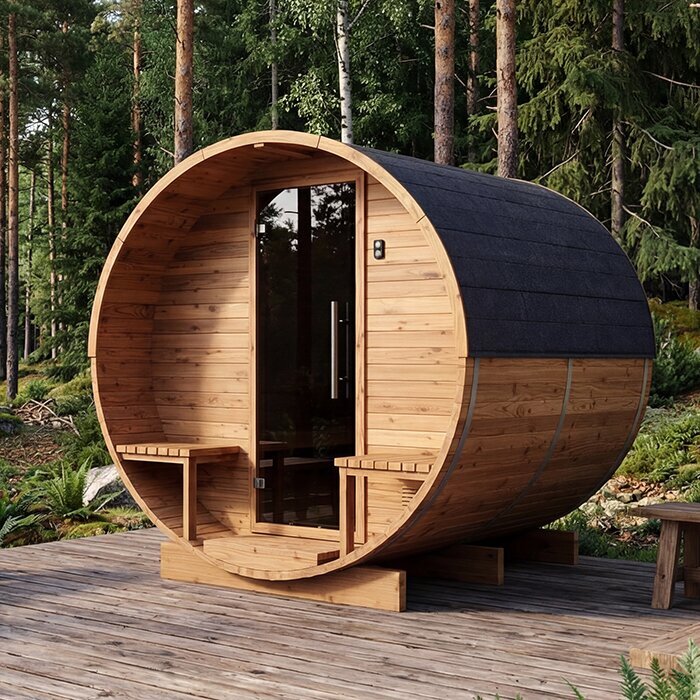
Before comparing quotes 5
What a site survey can clarify
A site visit or detailed pre-installation review can reveal labour that is hard to judge from a short enquiry. The installer can check whether there is room to work and assemble delivered parts, whether the prepared base matches the description, and whether existing obstacles affect planned tasks. A qualified electrician may need a separate assessment of the electrical route and supply. Supply clear photographs and a simple site plan for an initial estimate, but treat them as background rather than proof that a base, structure or connection is ready. Ask each trade to identify which observations it needs to verify in person before confirming its price.
Tell each contractor about known restrictions on working space or timing, unfinished building work and any changes since the first estimate. Ask them to write down assumptions such as ‘base complete by installation date’ or ‘electrical scope to follow electrician’s visit’, then specify what happens if those conditions are not met. This is not a reason to inflate a quote with an unexplained cushion; it is a way to identify unknown work and allocate responsibility before booking. When the survey changes the scope, request an updated written quotation before authorising additional tasks. Keep a single updated plan or scope sheet so every trade prices the same version.
Budgeting for confirmed and provisional work
Build your installation budget from confirmed costs and clearly labelled unresolved items. Keep the sauna purchase separate from assembly, base preparation, electrical work, other specialists and finishing. For each installation item, record the quoted amount and whether it is fixed for the agreed scope, an estimate or an allowance awaiting assessment. Do not treat an excluded task as having no cost simply because it is absent from the installer’s total. Obtain a separate quote where necessary, or leave it visibly unresolved until the responsible trade can assess it. Keeping optional finishes apart from work required by the product instructions or site assessment also shows how much of the budget is committed to essential work.
The timing of payments is a separate budgeting question from the total price. Ask when payments become due and which agreed stages they relate to, particularly if you are paying several contractors independently. Check how any provisional amount will be reconciled and how authorised additional work will appear on the final bill. You may choose to retain a contingency for genuinely unresolved site work, but it should not replace an assessment or disguise an undefined scope. No universal percentage can be established from a model listing. As surveys and quotes resolve the unknowns, update the budget so that the remaining reserve reflects outstanding questions rather than costs already included elsewhere.
Frequently asked questions
Does buying a sauna include professional installation?
Not necessarily. Product supply and on-site work should be treated as separate unless the order explicitly says otherwise. Check whether assembly, positioning on a prepared base, site preparation, electrical work and handover are included, and who arranges any excluded task.
Why might an installation quote change after a site visit?
A visit may show that the base, work area or planned service route differs from the information used for an initial estimate. Ask the installer to update the written scope and explain any change before extra work is authorised.
Does a larger sauna always cost more to install?
Size alone does not determine the labour. Delivered format, assembly tasks, room to work, base condition and specialist work can all matter. Ask for quotes based on the same model, configuration and site information rather than relying on a model name or footprint alone.
Should electrical work be included in the installation quote?
It may be a separate item. If the selected setup includes powered equipment, ask a qualified electrician to assess it and state whether the quote covers assessment, connection, checks and any required commissioning. Do not assume the assembly price includes those tasks.
What should I check before accepting an installation quote?
Confirm the exact sauna and delivered format, the work included in assembly, the base assumptions, and any electrician or other trade required. Check the exclusions, handover tasks and process for approving changes so that no essential work is left unassigned.
Professional installation costs are easiest to understand when every quote describes the same job. Name the exact sauna and delivered format, separate assembly from base work and specialist trades, and record what counts as a completed handover. If an installer still needs a survey or an electrician’s assessment, mark that item as provisional rather than treating it as included. With responsibilities and exclusions visible, you can compare the labour and site work fairly without relying on a headline total.
