
Running Electricity to a Summer House: What to Ask an Electrician
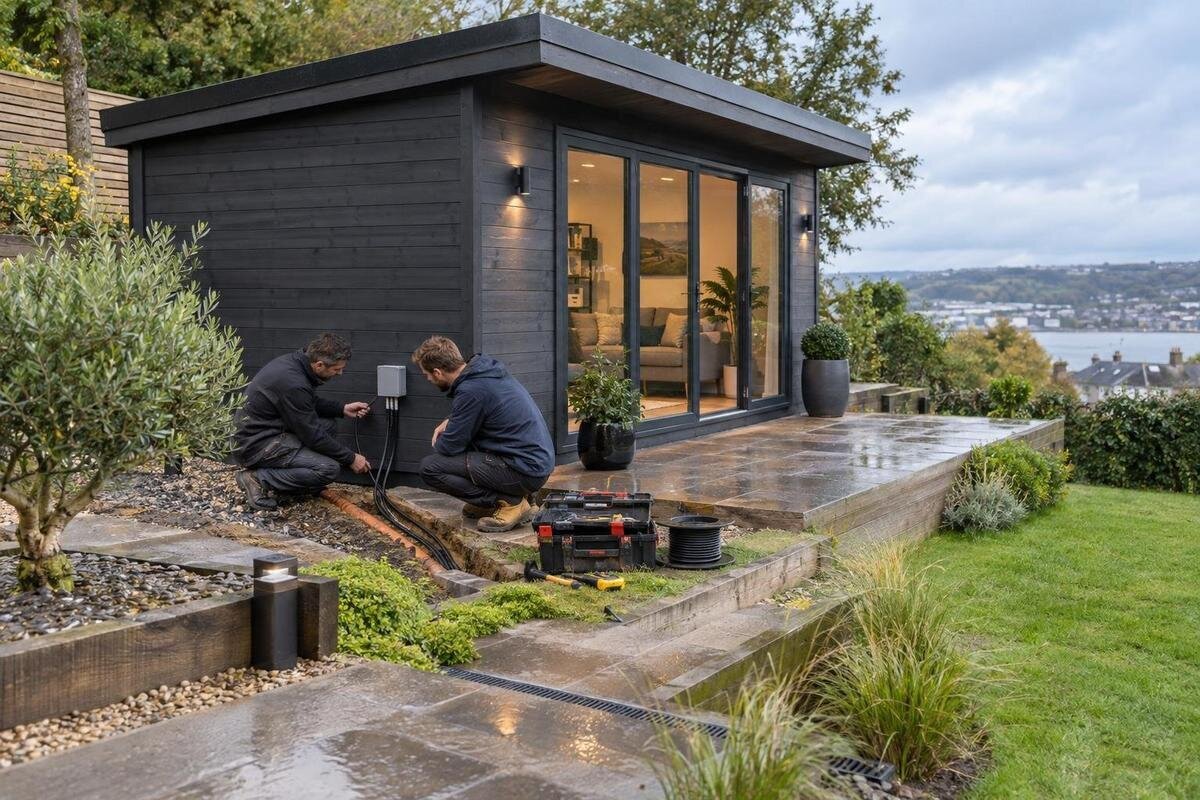
Summer house planning
Running electricity to a summer house is a design and coordination decision, not simply a question of where to put a socket. A useful conversation with an electrician begins with how you will use the building, its exact position and layout, and the equipment you may want to run. This guide explains what to prepare before ordering or arranging installation, which questions can clarify the supply and cable route, and how to coordinate the work with the building supplier. The electrician needs to assess the actual property and proposed installation; a product photograph or generic advice cannot determine a suitable design.
01
Describe how you will use the summer house
Begin by describing how you expect to use the room, rather than asking for a generic power supply. Occasional evening use may call for a different conversation from regular work, entertaining or running equipment. List the activities you have in mind: lighting, charging devices, a desk setup, a kettle, refrigeration, music equipment, hobby tools or heating, if relevant. Mark which items are definite, which are possibilities and which might run at the same time. That gives the electrician a more useful brief than a socket count alone, which says little about the demand or pattern of use.
Include how often and when you expect to use the building. Is it mainly for summer afternoons, or will you also use it on dark evenings and through colder months? Mention whether an outside light is part of the plan, too. These details help the electrician understand your requirements without your having to specify technical equipment. Bring manufacturer information for appliances you already own; for anything not yet chosen, describe its intended purpose. Do not buy a heater or other higher-demand appliance on the assumption that a future connection will support it. If your plans change after the design is agreed, ask the electrician to review them before you use new equipment.
Confirm the exact garden house and its plans
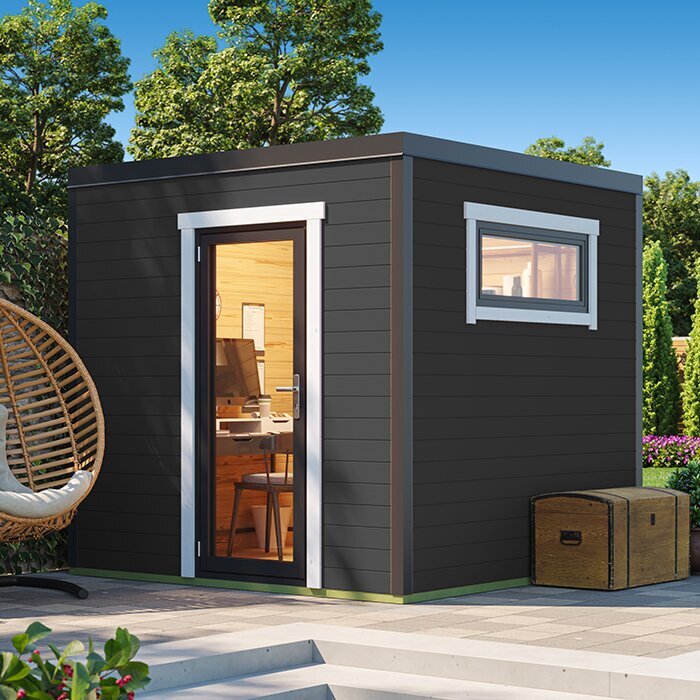
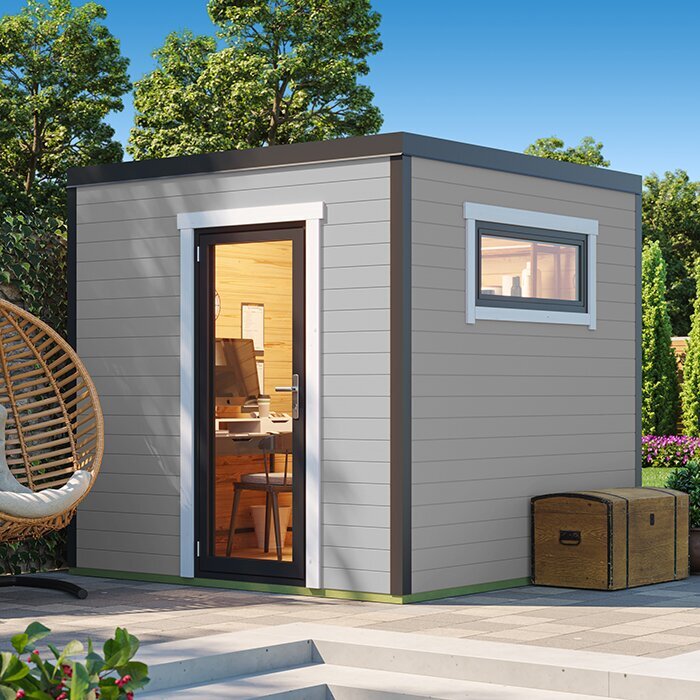
Have the exact building and its proposed position in mind before asking for a final price. A broad request for power to a summer house leaves important details unresolved: its footprint, internal arrangement, openings, construction information and access. If you are comparing the Verdana 1 garden house, ask for or refer to information confirmed for that exact option rather than relying on its name. A product model identifies the building you mean; it does not tell the electrician which route, entry point or design will work. A clear reference also helps prevent the supplier and trades from pricing different assumptions.
Ask the garden-house supplier for any dimensioned plan or construction detail the electrician says is needed, and clarify whether electrical provision is included or has to be arranged separately. Do not assume a photograph shows hidden framing, suitable equipment positions or an acceptable cable entry. Establish who will assemble the structure and who can authorise any alteration. Before anyone makes an opening or changes the building, have the supplier and electrician agree the approach. If you are still comparing options, an initial discussion can identify what information to obtain; treat a quote based on missing details as provisional.
02
Map the route from the house to the building
Sketch the house, proposed summer house and likely route between them. Add approximate distances and mark gates, paths, paving, planting, sheds and other obstacles, as well as places where people, bikes, vehicles or garden machinery pass. Show where a route might leave and enter each building. This sketch does not establish the installation method or cable requirements; it helps the electrician see the site and identify questions a photograph of the building alone would miss. If you are considering the Verdana 2 garden house, mark its intended position on the sketch before settling the route.
Note what may change after installation. A new patio, raised bed, tree or path could affect access, while a narrow side passage or gate may affect how the work is carried out. Tell the electrician about known underground services, drainage and planned landscaping, and ask who will check for existing services before work begins. If the building could stand in more than one place, ask about the implications of each position before confirming your order or site work. Moving it later may change the route, the work involved and the agreed price.
Ask whether the existing supply can support the plan
Ask the electrician to assess the home's existing electrical installation and supply rather than assume that a spare socket or apparently free circuit can serve an outbuilding. Tell them about appliances already used in the house, any recent changes you know of and other planned electrical work. Mention any other garden buildings supplied from the same home, if applicable. The electrician can assess whether the proposed use can be accommodated and what arrangement is appropriate; you should not calculate the load or alter the consumer unit. Put the exact building option, such as the Durano wooden garden house, beside your intended-use list so the quote refers to the same plan you are considering.
Find out whether the electrician needs to inspect the consumer unit, meter position or other parts of the house before quoting, and explain any access constraints. Ask them to describe what work is proposed at the house end, what will be supplied to the garden building, and what might need reassessing if you later add equipment. A useful proposal states its assumptions and makes clear which changes would affect the design or price. Do not treat a verbal suggestion that there should be enough capacity as a substitute for an assessment of the complete installation.
03
Compare cable routes with the electrician
Ask the electrician to assess feasible ways of taking the supply from the home to the garden building, including the route, how it will be protected from site conditions and where it enters each building. You do not need to choose between an above-ground or underground route yourself; ask which approach is suitable for your site and what limitations it brings. When considering Veltor 1, show the intended position and garden access, rather than relying on a product image to represent the actual route. If there is more than one possible position, ask whether comparing route options before you order would be useful.
Discuss exposure to rain, damp ground, impact, pets, children and routine garden work where relevant, and ask what the electrician proposes for those conditions. The route may affect cost, appearance and future access, so ask what will be visible, whether surfaces need to be disturbed and who will make them good. Coordinate the work with paving, planting or fencing instead of covering or obstructing an agreed route. Avoid buying cable or fittings on the basis of a distance estimate: the electrician should specify what is suitable for the installation. Ask how the finished route will be recorded for future garden work.
Place sockets and lighting around the layout
Plan likely points of use around the actual floor plan. Mark where you expect to sit, work or use equipment, then consider convenient places for lighting controls and sockets. Treat this as a discussion aid, not an installation plan: door and window positions, furniture and the way the room will be arranged can affect access. If the Orello garden house is among your options, use a confirmed layout for your questions rather than assuming from a name or photograph where there is usable wall space. A little thought before ordering can help you avoid planning outlets where they would be awkward to reach.
Ask the electrician how many socket outlets and lighting points make sense for the activities you described, where they can be positioned and what type of fittings is appropriate for the conditions inside the building. Explain whether a switch needs to be reachable from a particular area or whether you expect to use more than one part of the room. Ask separately about any lighting outside the building, so its position is included in the proposal rather than added as an afterthought. Do not rely on trailing leads as a substitute for planning permanent points; agree the layout with the electrician before any work is done.
04
Discuss heating and larger appliances early
Heating and other higher-demand appliances deserve a specific conversation, not an assumption that a general socket plan will cover them. Tell the electrician if you hope to use an electric heater, kettle, fridge, dehumidifier, workshop equipment or anything else beyond basic lighting and charging. Share make and model details when available, and say which items might run together. If the Modano garden house is the building you are considering, include its exact name with your use plan; the model name does not establish what equipment a supply can support. Manufacturer information can help the electrician assess the appliances you actually intend to use.
If you have not chosen an appliance, describe its purpose and ask what needs to be decided before the electrical design is final. Find out how a later addition would be assessed and whether it is better to include suitable provision now or revisit the proposal when you choose the equipment. Do not rely on an estimate copied from another garden building: the existing supply and your intended appliances both matter. An electrical connection alone does not establish that a particular heater or appliance is appropriate, so check its published requirements with the electrician before buying it.
Ask about protection, isolation and paperwork
Ask how the installation will be protected and controlled, including how it will be isolated and what you should do if a fault occurs. Ask which protective devices and fittings the electrician proposes for the actual site, and how damp, condensation or outdoor exposure affect the choice. These are design questions for the professional, not a parts list for you to buy. Tell them if children, guests or pets will use the building, so access and controls can be discussed. For Veltor 2, as with any option, use the confirmed plan and site conditions when discussing where equipment and controls can go.
Ask whether any permissions, notifications, inspections or certificates apply to your specific work, who arranges them and what documents you will receive. Requirements can depend on the job and current rules, so get an answer for your installation rather than relying on an old forum post or advice for another property. Include the expected paperwork in the written scope. At handover, ask for an explanation of the controls, any limitations on use and the right way to report a problem. Keep the documents with the building information for future maintenance or changes.
05
Coordinate electrical work with the building order
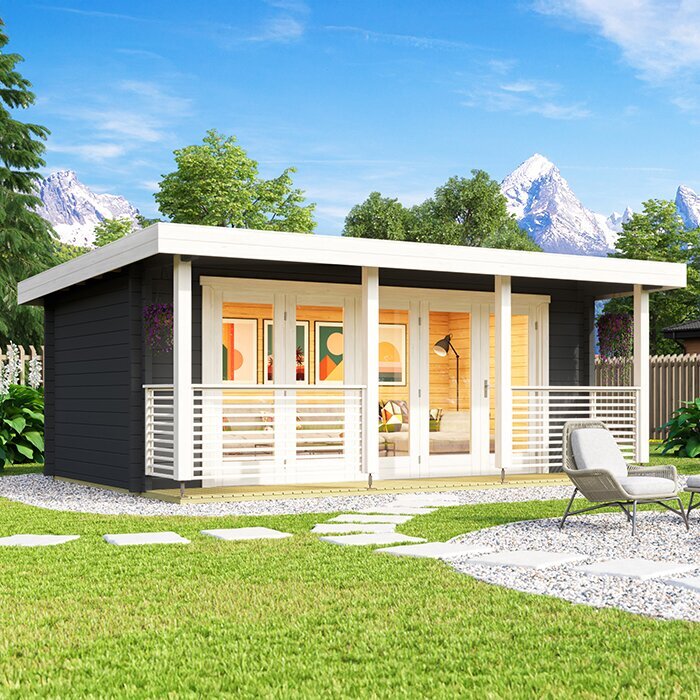
Coordinate the electrician's visit with the garden-house order and installation plan. Ask the supplier when the exact model and position need to be confirmed, what access the installer needs and whether the electrician should see plans or visit the site before assembly. When ordering the Veltor 3 garden house, share the exact model and any installation information supplied with the order; do not assume electrical work is included or that a standard cable entry is provided. Ask the supplier, building installer and electrician to clarify their responsibilities in writing.
Agree a sequence before arranging groundwork, delivery or assembly. The electrician can advise whether any part of the route or building connection needs coordination with the installation, while the supplier can confirm what alterations are acceptable. Do not ask a general builder to modify the structure on guesswork, or book work before the relevant people have the same plan. Confirm access, parking, working space and who will restore any disturbed surfaces or garden features. If the site conditions or selected position change, tell the electrician promptly; a different route may affect the proposal and price.
Compare written quotes and agree the handover
Request a written quote with enough detail to compare against another proposal. It might set out the site assessment, connection at the house, route to the summer house, electrical points included, any excavation or making good, and testing or documents at completion. Ask what is excluded, which assumptions are being made and what could change the price. A headline figure is difficult to assess if the scope is vague. Confirm whether fittings and materials are included, and whether you or another contractor must arrange preparatory work. If any part remains provisional, ask what information would make it firm.
Before accepting, check that the quote reflects the final building choice, position, use list and agreed layout. Ask how changes are priced, when the electrician needs decisions and what happens if a site constraint affects the route. At handover, request any applicable test results or certificates, operating instructions and a clear explanation of isolation and fault reporting. Keep these with the summer-house paperwork so anyone who later maintains or alters the installation can understand what was agreed. A written scope gives you a sound basis for comparing proposals and coordinating the order with the electrical work.
Frequently asked questions
Do I need an electrician to run electricity to a summer house?
For a permanent supply, arrange for a qualified electrician to assess and carry out the work. This guide is for preparing that discussion, not a wiring guide. Ask what qualifications, approvals and records are relevant to your installation, and do not modify fixed wiring or the consumer unit yourself.
What should I have ready before asking for a quote?
Share the exact garden house you are considering, its proposed position, a sketch of the route from the home, and a list of intended uses and appliances. Include any plans or construction details the supplier can confirm, plus information about access and planned garden work.
Can I use an extension lead instead of a permanent supply?
Do not treat a household extension lead as a permanent supply to an outdoor building. Ask an electrician whether a temporary arrangement is appropriate for your site and how it should be used. Do not assume that a lead intended for indoor use is suitable outdoors.
Should I plan sockets and lighting before ordering the building?
It helps to discuss likely positions before the building and its layout are finalised. Mark how you expect to use the space, then ask the electrician and supplier what can be accommodated. The electrician should confirm the final positions and installation approach.
Does a summer house need a separate circuit?
There is no single answer for every building. It depends on the intended use, appliances, what may run at the same time and the existing supply at the house. Ask the electrician to assess your particular installation and explain the proposed arrangement in the quote.
Good planning starts with a clear brief: the garden house you intend to buy, where it will stand, how you will use it and what equipment you expect to run. Once an electrician has assessed those details, you can compare a written proposal, settle the route and coordinate installation with the supplier. Keep decisions about the building, electrical points and garden works connected; if any of them changes, ask whether the agreed design and quote still apply. That gives you a realistic basis for placing the order and arranging the work.
